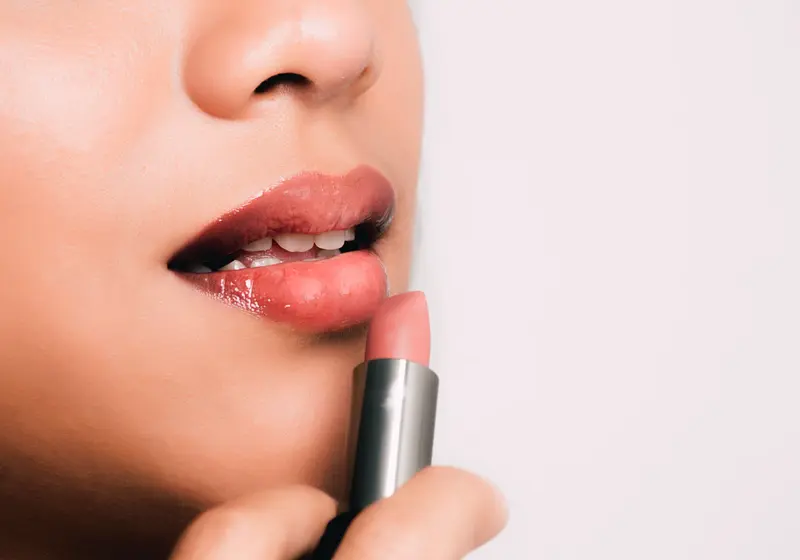
People often say beauty is only skin deep. That phrase is usually meant as a warning, as if something that looks good on the surface cannot have much real value. But what if beauty does not need to be deep in order to matter? What if it can simply exist on the surface and still hold importance?
This question is especially relevant in fashion, style, and design. Many people who enjoy beauty feel the need to defend it by connecting it to larger social or cultural ideas. They explain that fashion can be political, that beauty can break boundaries, or that style is a form of self-expression.
All of this is true. Yet there is also value in admitting that beauty can simply be enjoyable. The following sections explore what beauty means, how it affects us, why people judge it, and why surface-level beauty may deserve more respect than it usually receives.
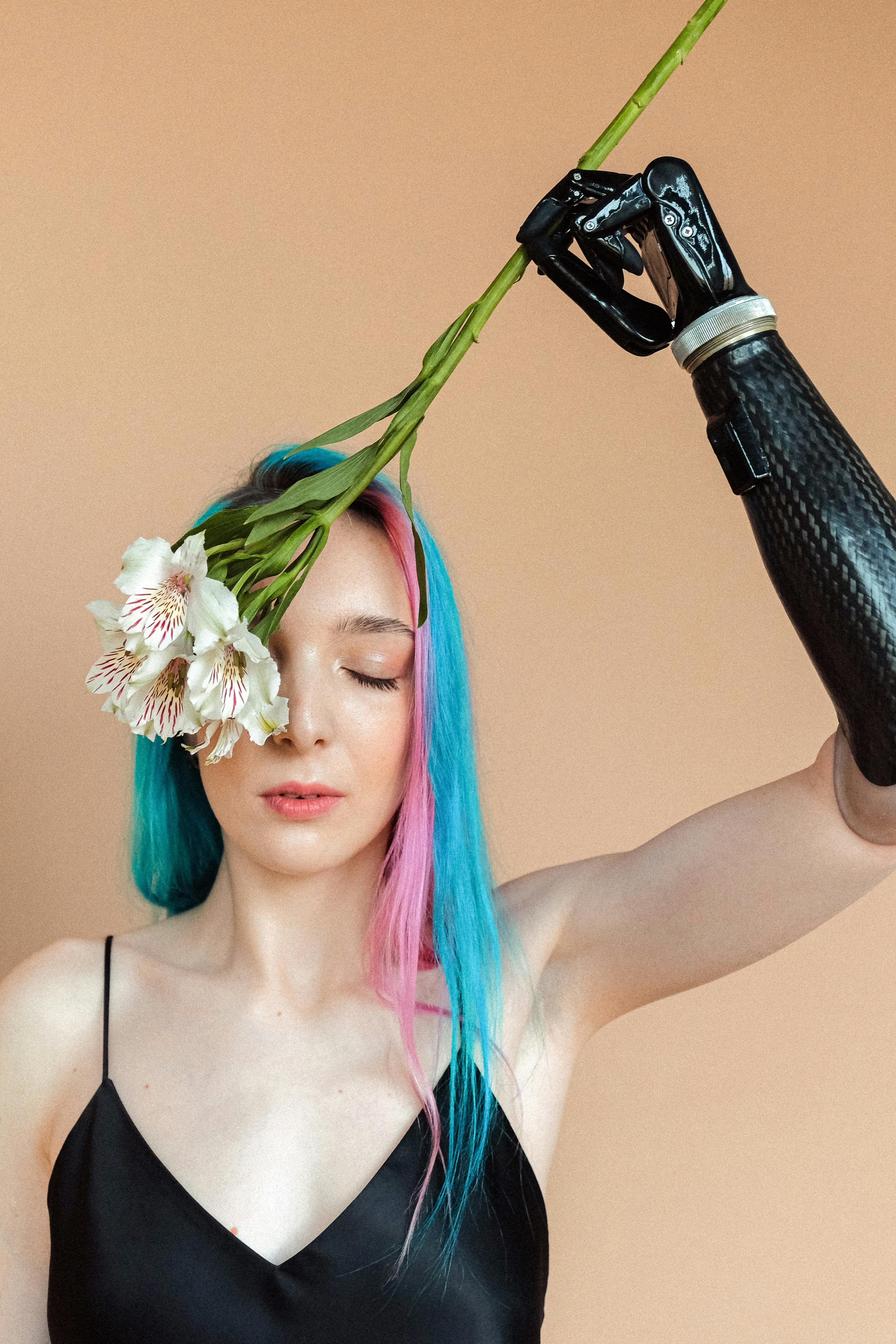
Image Credit: Photo by Anna Shvets on Pexels
Let us slide into your dms 🥰
Get notified of top trending articles like this one every week! (we won't spam you)What Beauty Means
Beauty has been studied for thousands of years. Philosophers like Plato, Aristotle, and later Immanuel Kant debated whether beauty was a universal truth or simply a matter of taste. Some believed beauty was an ultimate value, similar to truth and goodness, while others thought beauty only mattered when connected to practical purposes.
The Stanford Encyclopedia of Philosophy explains that beauty is often valued for its own sake. This means we do not always need a reason to find something beautiful. A sunset, a flower, or a well-designed dress can be appreciated simply because it gives pleasure. That is an important reminder because it shows that calling beauty shallow overlooks the long tradition of treating beauty as a value in itself.
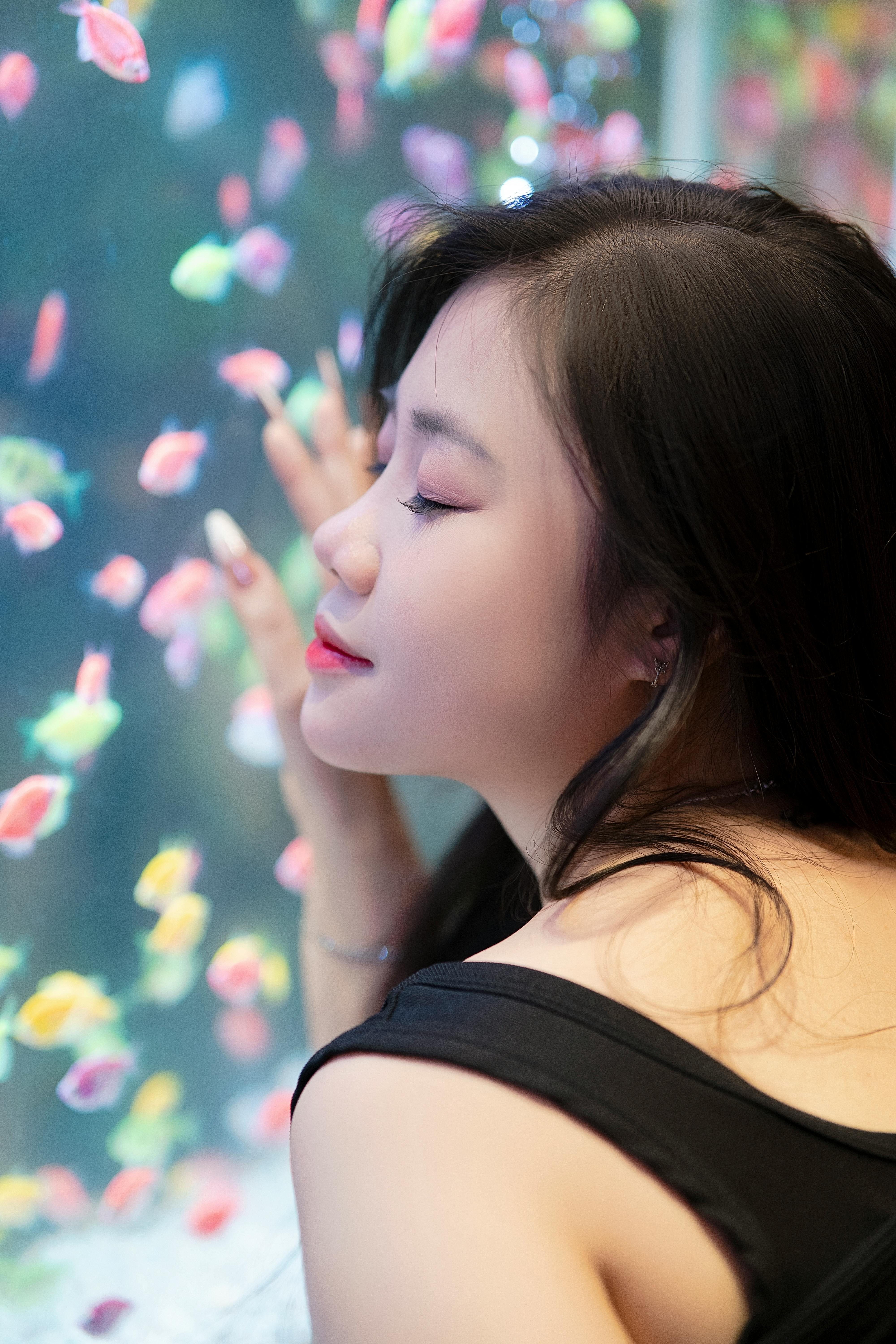
Image Credit: Photo by Toàn Vǎn on Pexels

Take the Quiz: What’s Your Perfect Skincare Product for the 'Clean Girl' Look?
Take this quiz to discover the perfect skincare product for your “clean girl” routine!
The Pleasure of Beauty
One of the most direct effects of beauty is the pleasure it brings. When people see a sunrise, hear a song, or wear an outfit they love, they feel joy. This joy does not always require deeper meaning. It can be about the senses, the colors, the shapes, and the feelings they inspire.
Psychologists have studied the impact of beauty on mental health. A 2019 review on art and well-being by Mastandrea and colleagues found that exposure to beauty through art, music, or nature can reduce stress and improve mood. Another set of studies published in Frontiers in Psychology shows that aesthetic experiences can increase positive emotions, build resilience, and even help people recover from difficult times. This proves that beauty has practical effects even if it only works on the surface.
Social Meaning of Beauty
Beauty also plays a role in how people interact with one another. Clothing, makeup, and hairstyles are ways to express identity. Fashion can show belonging to a group or highlight individuality. At the Metropolitan Museum of Art, curators have argued that fashion belongs near art because it communicates ideas, values, and culture.
This social side of beauty matters even when it feels playful. Choosing what to wear to a party, decorating a bedroom, or experimenting with hair are not meaningless acts. They are part of how people connect to each other and build communities. Even if these choices seem surface-level, they shape real social bonds.

Image Credit: Photo by ELEVATE on Pexels
Criticism of Beauty
Despite these benefits, beauty often receives criticism. Some argue that beauty distracts from serious issues. Advertisements use beautiful images to sell products and hide problems like inequality or environmental harm. Others claim that spending time on appearance is vain or selfish, especially when society places work and utility above pleasure.
These criticisms are not without truth, but they confuse the use of beauty with beauty itself. Beauty can be misused for manipulation, but it can also be used for healing, joy, and solidarity. The problem is not whether beauty is surface-level. The problem is whether it is used responsibly.

Image Credit: Photo by Yan Krukau on Pexels
Beauty as Social Capital
There is also a practical side to appearance. Sociologists have introduced the idea of “aesthetic capital,” which means that looking a certain way can create opportunities in jobs, relationships, and social life. Studies have shown that people often treat attractive individuals more favorably, giving them better chances in hiring and networking.
This shows that beauty is not only personal. It has economic and social effects. These effects can be unfair when standards are rigid, but they also show that beauty is tied to real-life outcomes. Dismissing beauty as shallow overlooks how much power appearance can hold in society.
Beauty and Creativity
Another important aspect of beauty is its connection to creativity and thought. When people encounter something beautiful, they often pay more attention to the details. This opens the mind and sparks curiosity.
Scientists writing in Frontiers in Psychology explain that aesthetic experiences can build psychological resources over time. Small pleasures can grow into patterns of imagination, learning, and innovation.
This means that beauty, even if first enjoyed only on the surface, can lead to deeper growth. A child who loves the colors in a painting may later become interested in art history. Someone who enjoys the cut of a garment may become inspired to study design. What begins as surface-level pleasure can unfold into knowledge and creation.

Image Credit: Photo by Pixabay on Pexels
Cultural Differences in Beauty
Beauty is also shaped by culture. What one society finds beautiful may not appeal to another. Standards of fashion, makeup, and art change over time and across places.
This shows that beauty is not fixed. It is taught, learned, and practiced.
Because of this, enjoying beauty is not always passive. People often study, practice, and refine their sense of taste. Artists, designers, and hobbyists spend years developing skills in creating beauty. Even when someone appreciates beauty simply for pleasure, they are also participating in traditions shaped by culture and history.
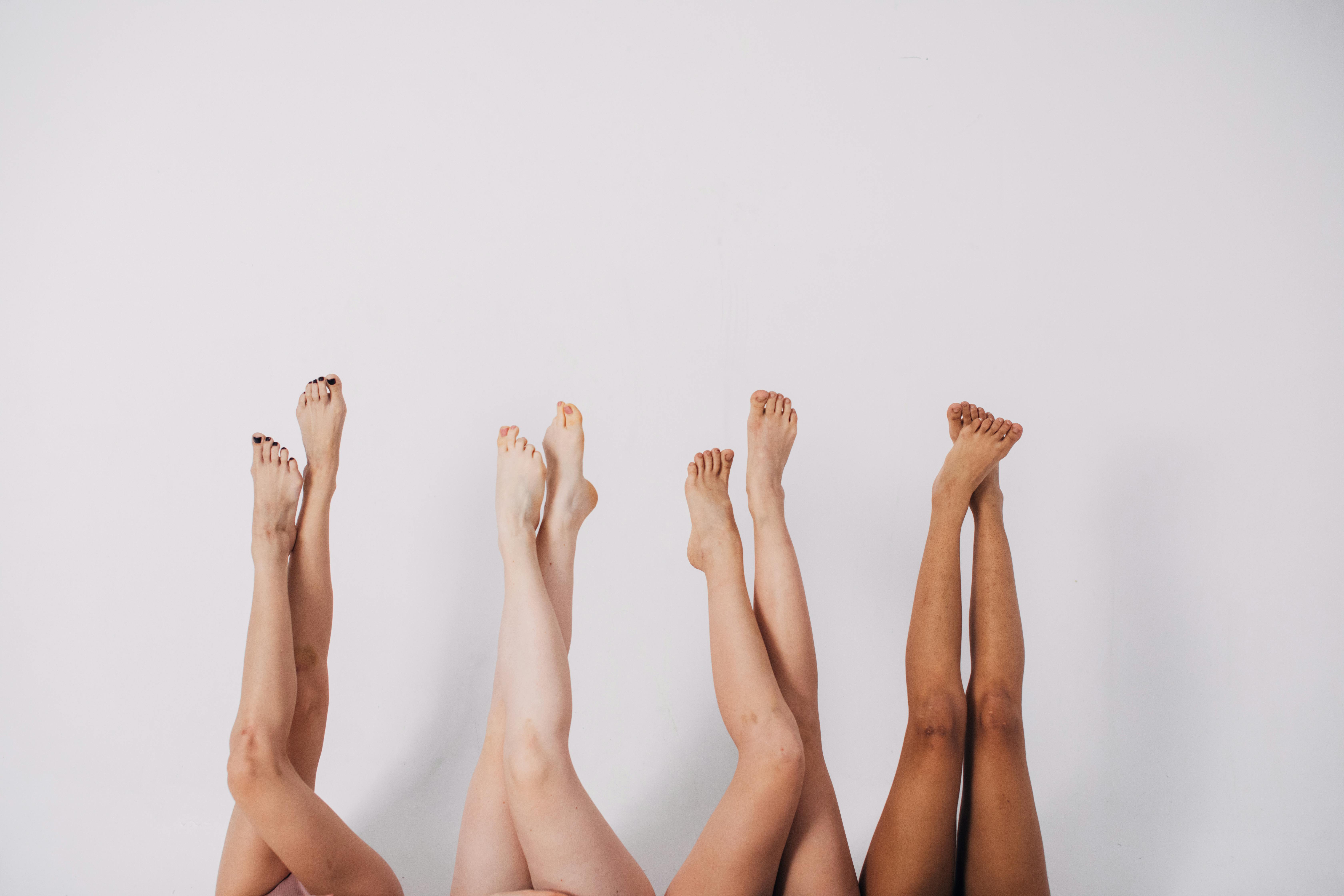
Image Credit: Photo by KoolShooters on Pexels
The Value of Simple Pleasure
Still, it is important to allow space for beauty that has no deeper message. A bright dress, a new hairstyle, or a lovely meal can be meaningful because of the joy they bring. We do not need to turn every aesthetic choice into a political statement or intellectual claim.
If people feel forced to defend beauty as more than surface level, it can remove the freedom to enjoy beauty for itself. Playfulness, happiness, and delight are valuable parts of human life. Simple pleasures should not be treated as less serious than serious ones.
Problems with Beauty Standards
At the same time, we must admit that strict beauty standards can cause harm. When only certain looks are respected, people face discrimination in work, education, and daily life. Research on appearance-based bias shows that people with disabilities, scars, or body types outside the “ideal” often face unfair treatment.
This does not mean beauty itself is the problem. It means society needs to expand its definition of beauty and remove barriers tied to looks. People can enjoy fashion, makeup, and art while also challenging harmful standards. The goal should be to make beauty inclusive rather than exclusive.
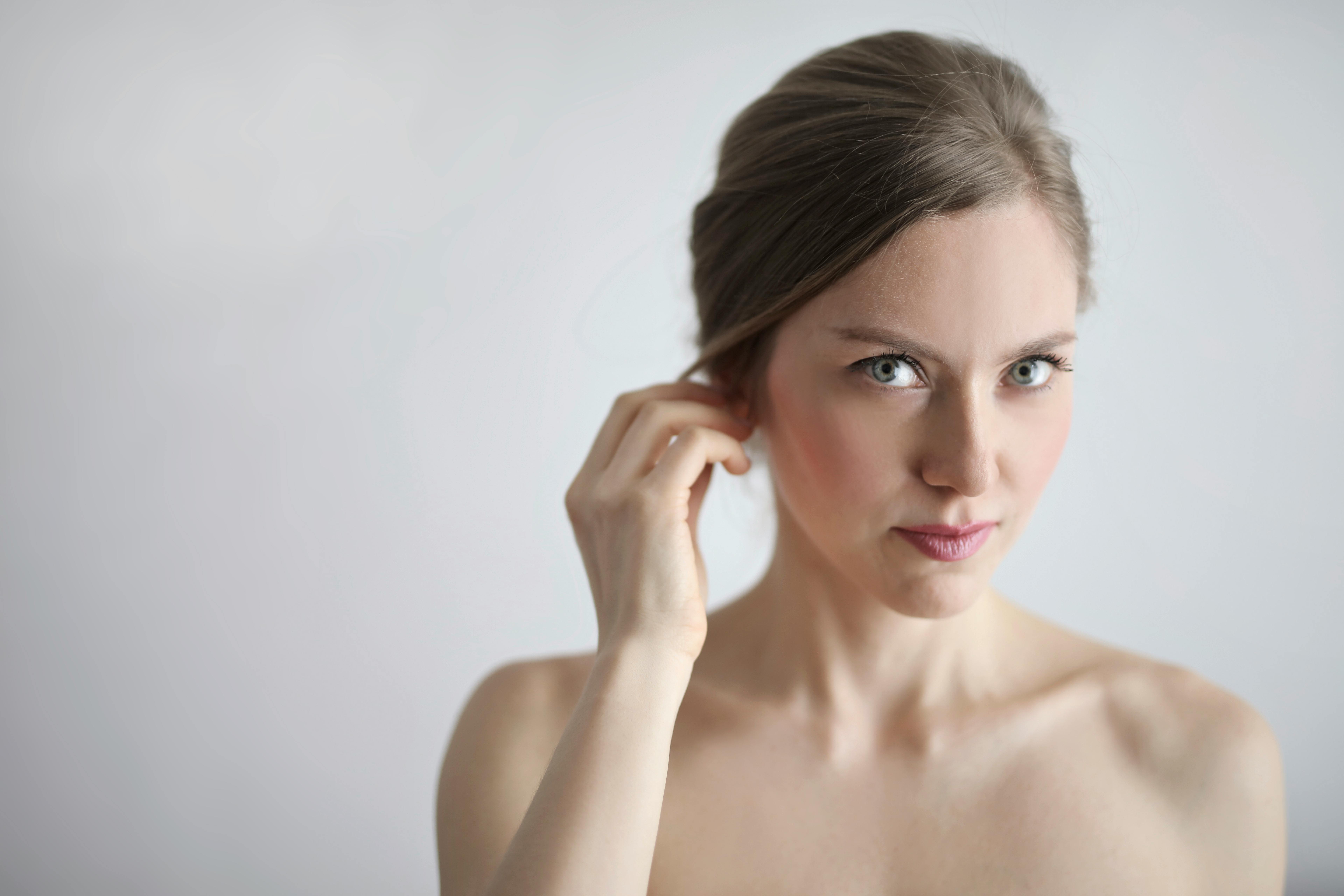
Image Credit: Photo by Andrea Piacquadio on Pexels
Conclusion
So, can beauty just be surface-level? The answer is yes, and that does not make it unimportant. Beauty can give pleasure, improve mental health, build identity, spark creativity, and even shape social opportunities.
At the same time, beauty can be misused or tied to harmful standards. The challenge is to enjoy beauty honestly, use it responsibly, and make it accessible to all.
Loving beauty should never be treated as shallow. It is a declaration of joy, a way to live more fully, and a reminder that not everything valuable has to be deep.