




Have you experienced frequent jaw pain? Have you heard popping sounds or had a sand-like feeling when you move your jaw?
If you relate to these questions, you may have temporomandibular joint dysfunction, aka TMD.
This condition affects the two temporomandibular joints that connect the mandible (lower jaw) to the temporal bone (the skull) to allow movements like chewing and talking, according to the Cleveland Clinic. If the mandible and temporal bone are not aligned and the condition is left untreated, it can cause severe lockjaw.
Scientists haven’t found the primary cause of this disorder, but a person’s lifestyle could be a factor in TMD. Did you know that when some people are under anxiety and stress, they excessively grind their teeth in their sleep or during the daytime? That is called bruxism, and it can be a big factor in TMD as it causes jaw pain and headaches in the joints. Other examples include eating chewy foods and injury to the jaw.
“Yes, having some stress can increase the activity of the autonomic nervous system, and it's referred to as an ‘autonomic response’ because we really have no control over it. It's kind of like the fight or flight, but that can have an effect directly on the muscles of the jaw and the neck,” says Dr. Karyn Kahn, DDS, a dentist at the Cleveland Clinic, during an interview with John Horton on the Cleveland Clinic Health Essentials podcast.
Let us slide into your dms 🥰
Get notified of top trending articles like this one every week! (we won't spam you)How To Prevent TMD Using Foods
When it comes to preventing TMD using foods, eating soft foods is the absolute best way to go. By eating soft foods, you’re reducing the strain and inflammation on your jaw joints, limiting your risk of TMD in the long run. To support this claim, Kahn has also said during the podcast that “…Soft foods would help reduce the overload to the joint and decrease inflammation.”
The Mediterranean diet also plays a huge role in relieving TMJ pain and reducing jaw dysfunction due to its omega-3 and anti-inflammatory properties. The diet also consists mostly of soft foods. A Cureus study from September 2024 found that participants who incorporated a medium to high level of the diet had fewer problems with their jaw than those who did not follow through with the diet.

Take the Quiz: Which Skincare Ingredient is Best for You?
Take this quiz to discover which skincare product will work best for your unique skin type and concerns!
4 Foods to Eat
1. Bananas

Photo Credit: Aleksander Pasaric from Pexels
This soft and mushy fruit not only delivers potassium and vitamin B6 to your body, but it also requires less pressure on the jaw muscles. Bananas also contain magnesium, a mineral that increases bone strength and relaxes the muscles to reduce strain. The fruit contains 326mg of magnesium and 105 calories.
According to the National Library of Medicine, individuals with a deficiency of magnesium may see an increase in stress activity, and the stress could over-activate the amygdala (an almond-shaped part in the brain that regulates emotions), contributing to the development of bruxism. Other foods that improve magnesium levels are quinoa, spinach, and yogurt.
2. Yogurt
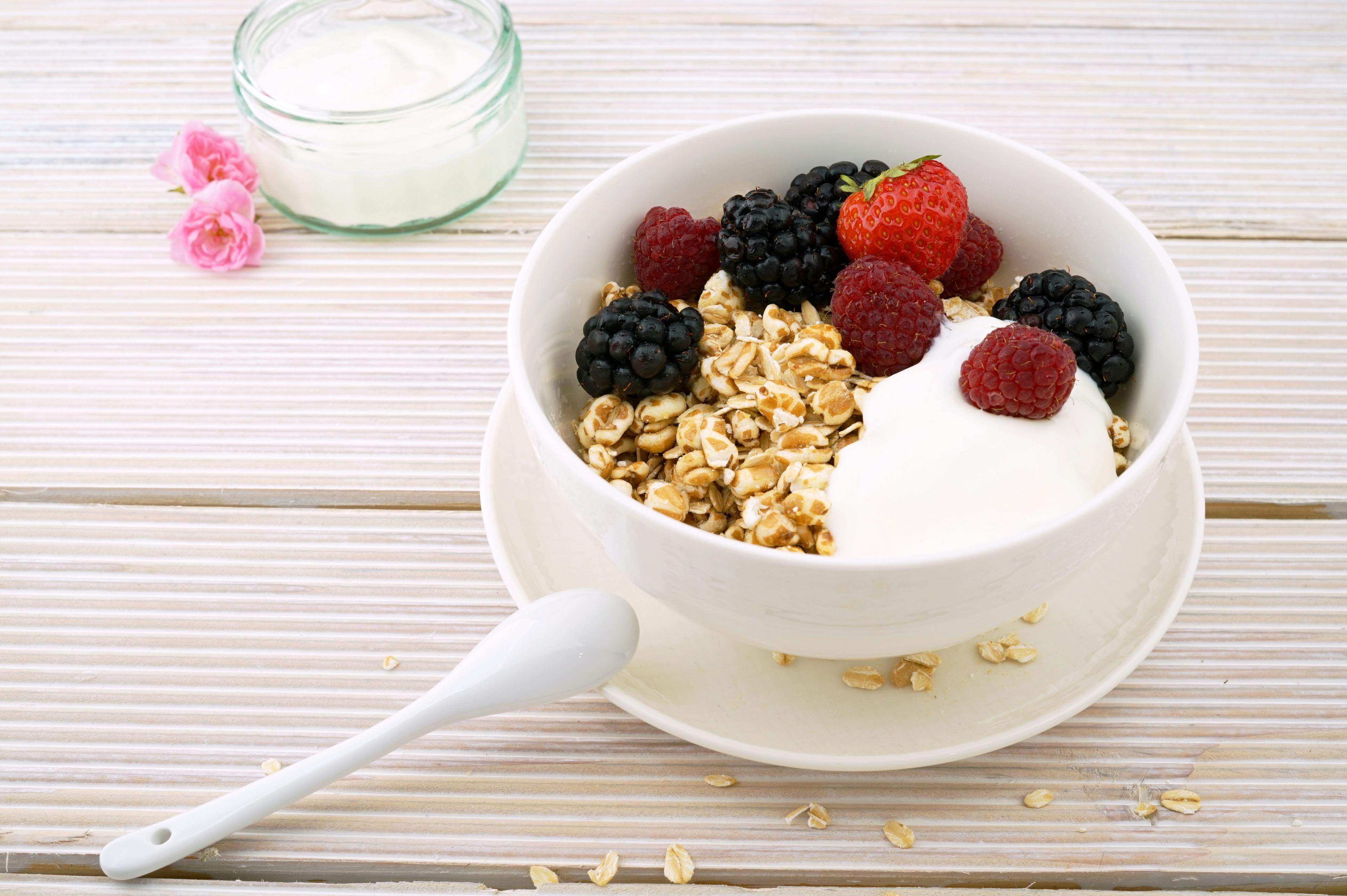
Photo Credit: Life Of Pix from Pexels
One of the best dairy products for jaw health, yogurt is a good choice for managing TMD as it has a creamy and soft texture, making it easy to chew. Its nutrients include calcium and vitamin D, which are necessary for strengthening bone density. The food has about 167mg of calcium and 8.7 IU of vitamin D.[11]
A study by Dr. Ömer Ekici and Sefa Çelik found that individuals with a vitamin D deficiency had higher TMD levels than those with normal vitamin D levels.
3. Chicken
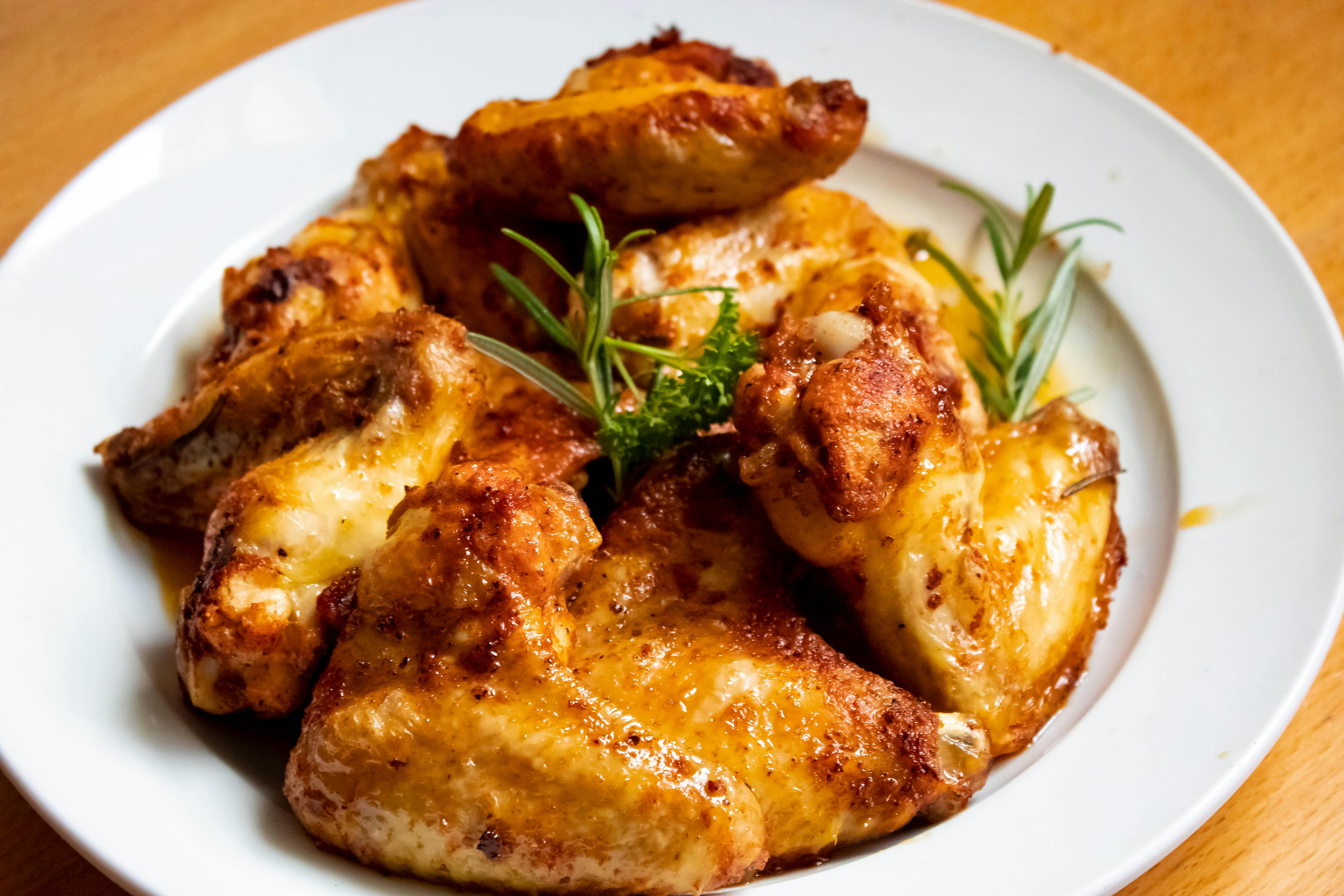
Photo Credit: Harry Dona from Pexels
Not including the bone, chicken can be a great alternative for reducing TMD. The food is high in phosphorus, which forms stronger bones and maintains dental health, and protein, which contains amino acids that help rebuild every muscle tissue (including in the jaw), for recovery. The lean meat has about 31 grams of protein and 228mg of phosphorus per 100g.
Healthline has recommended chicken for TMD management as it's more digestible and easier to eat.
4. Salmon
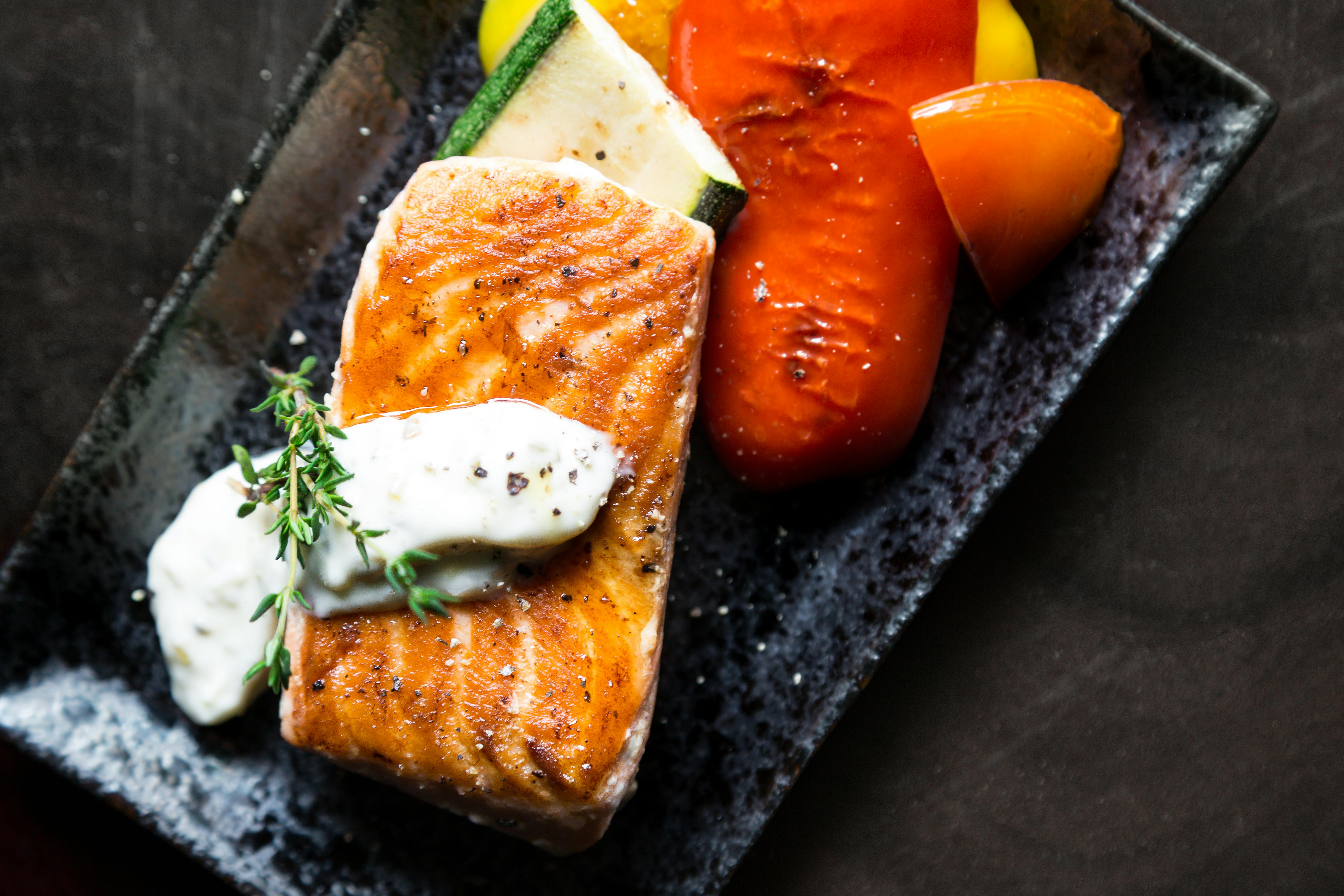
Photo Credit: Malidate Van from Pexels
As part of the fatty fish family, salmon is considered the jackpot for polyunsaturated omega-3 acids, as they include anti-inflammatory properties that help reduce TMD inflammation and benefit joint function. The food contains 4.18 grams of polyunsaturated fatty acids.
According to a study published by Oxford Academic, Oxford University's research platform, they found omega-3 polyunsaturated fatty acids (found in fatty fish) and eicosapentaenoic acid (EPA) to be beneficial in relieving and preventing TMJ arthritis symptoms.
4 Foods to Avoid
1. Hard Candies

Photo Credit: Antoni Shkraba Studio from Pexels
When having TMD, one of the worst decisions you can make is eating hard candies. Hard candies include Jolly Ranchers, Lifesavers, Lemonheads, Peanut M&Ms, etc. Eating hard candies can worsen your joint pain because you would have to excessively chew the food, which would put more pressure on the joints, resulting in delayed healing and the joints becoming more inflamed and strained.
2. Chewing Gum
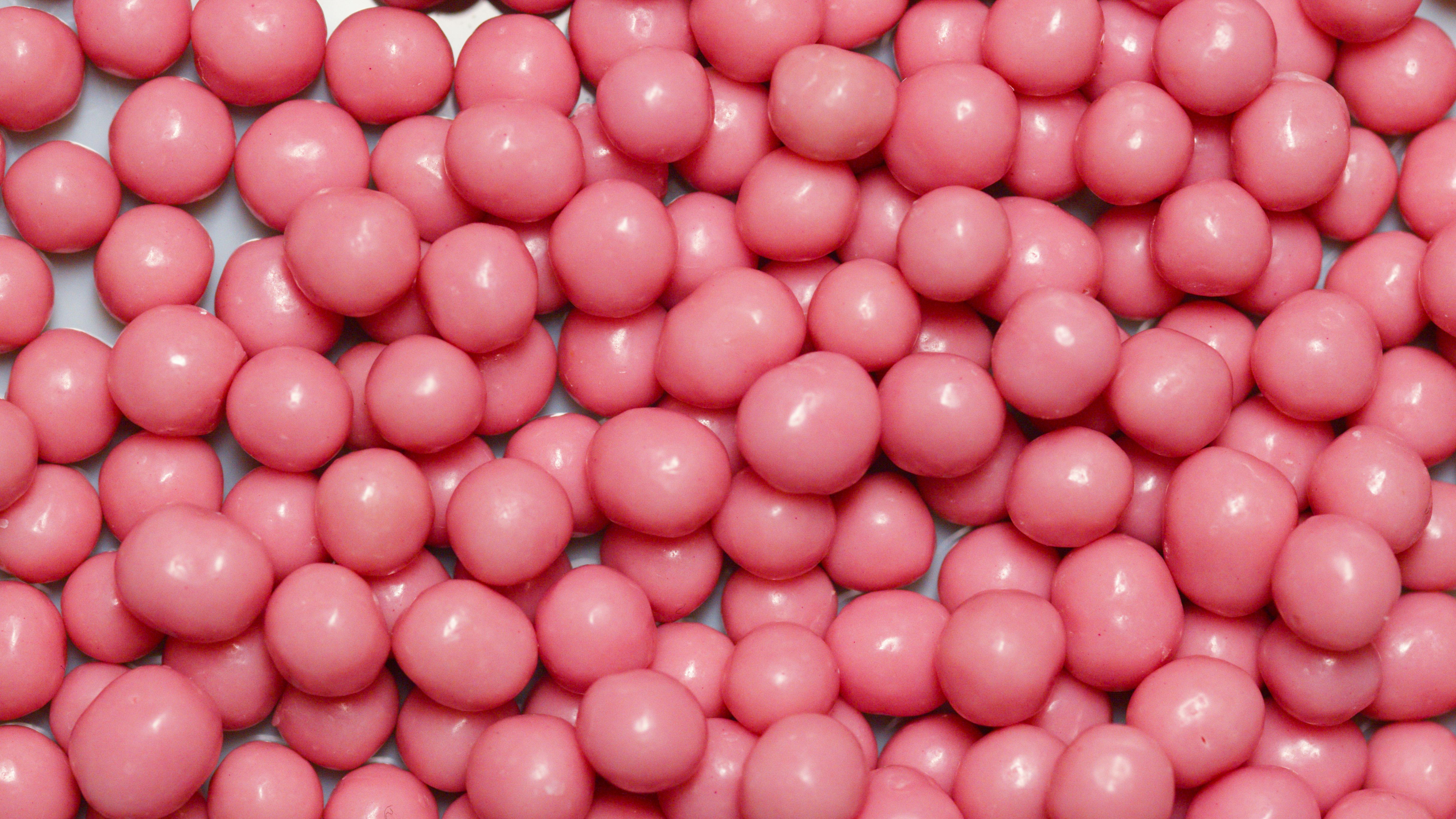
Photo Credit: Artem Podrez from Pexels
Chewing gum with TMD is typically not recommended if you want your joints to be fully aligned and healed. If you have TMD, consuming chewing gum means you'll need to masticate (chew) excessively, causing more jaw pain and stress on the already inflamed joints.
“Yes, we want to avoid all gum chewing because that uses a muscle that moves your jaw from side to side,” says Kahn, DDS. It's not only side to side too; if you're chewing gum with just one side of your jaw, it sets up an unbalanced force between each side of your teeth, leading to one side being more pressurized, causing biomechanical changes with the jaw.
3. Steak
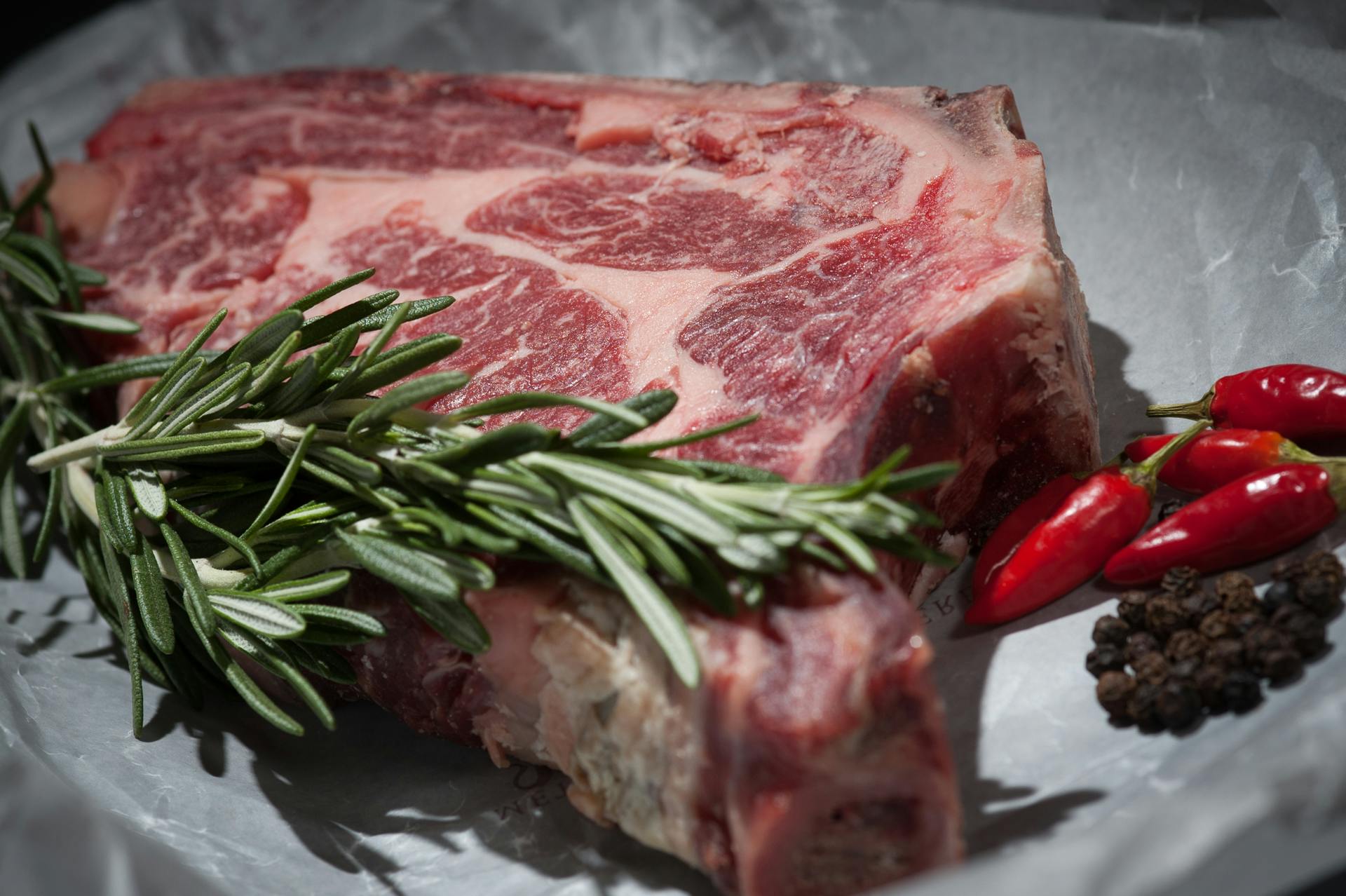
Photo Credit: Mali Maeder from Pexels
The processed nutrients in steak can alarm those who regularly consume the food with TMD. Steak is red meat, which contains omega-6 fatty acids and arachidonic acids (AA), which may be one of the culprits of the high pain intensity in the jaw joints.
For instance, a study from Cambridge University Press found that diets high in arachidonic acids and omega-6 polyunsaturated fatty acids (PUFA) are more likely to have higher odds of TMD by 12% than those who are on an EPA and a docosahexaenoic acid (DHA) diet.
4. Coffee

Photo Credit: Igor Haritanovich from Pexels
Want to heal your TMJ? Don't go for coffee. Coffee is induced with caffeine, and when individuals with TMD don't monitor their caffeine levels, it can cause a burden on the healing process.
For instance, a study from 2023 found that individuals who regularly consume coffee before bed could risk increasing their bruxism intensity, causing the condition to become more uncontrollable due to the stress being induced on the joints. They also found that those who consumed black tea before bed did not experience bruxism intensity spikes.
Other Ways to Reduce TMD Risk
1. Jaw Exercises
When performing jaw exercises daily as a person suffering from TMD, it can relieve the pain and pressure on your jaw; a study found that doing jaw-opening exercises such as placing your thumb from your left hand on your front teeth in the upper jaw (incisal edges of the maxillary incisors) and three fingers from your right hand on your lower teeth (incisal edges of the mandibular incisors) and leaving your mouth open wide for 10 seconds can reduce the pain intensity in the TMD.
During the CCHE podcast, Kahn has also suggested a similar exercise with the quote, “We can also do some jaw stretching exercises, and this is a good one to do by putting your tongue at the roof of your mouth and stretching open for six seconds. Relax, do it again for six repetitions, and then do the exercise four to six times a day. That will help stretch some tight muscles that may also help relieve some of the contraction of the muscle.”
2. Acupuncture
Kahn says, “Stress in general can upset the autonomic nervous system. We have really no control over our muscles; However, we do have control of how we respond to stress. So, some of the modalities such as acupuncture or stress reduction therapy can help to reduce the overload to the joints.”
One of the things that Kahn has recommended, which is acupuncture, is a medicinal Chinese therapy that involves inserting small painless needles into the affected areas to relieve pain. A study from Medicine found acupuncture effective in reducing pain for those with TMD. Although this therapy may be safe and effective for most, it is important to ask your medical provider before participating.
3. Improving Head Posture
Yes, your head posture has something to do with your TMJ pain. A Forward Head Posture (FHP) can hinder your TMD symptoms and worsen the pain intensity. In fact, a study found that individuals with TMJ were suffering from FHP compared to those without TMJ pain, and that the condition has a significant role in the development of TMD.
The Bottom Line
TMD can be a huge pain and inconvenience, but with the right dietary changes, lifestyle adjustments, and at-home exercises, you can help battle that pain and fix your jaw muscles. Not only do the foods listed in this article provide nutrients such as calcium, vitamin D, potassium, protein, and phosphorus to heal your joints, but they can also be beneficial for your body as well! While this article provides insightful pieces on how to reduce your risk of TMD, it is highly recommended to communicate with your dentist or other medical providers before making a move.