



Since I was very young I've always been taught that breakfast was the most important meal of the day and that one must eat three square meals. I have always followed this rule during the school year but have recently been breaking it over the summer. Often times it's because I want to get into work right after walking my dog and so eating seems to be a waste of time. I skip breakfast and then lunch. By the time dinner rolls around I haven't eaten anything substantial. I end up feeling tired and irrated at the world.
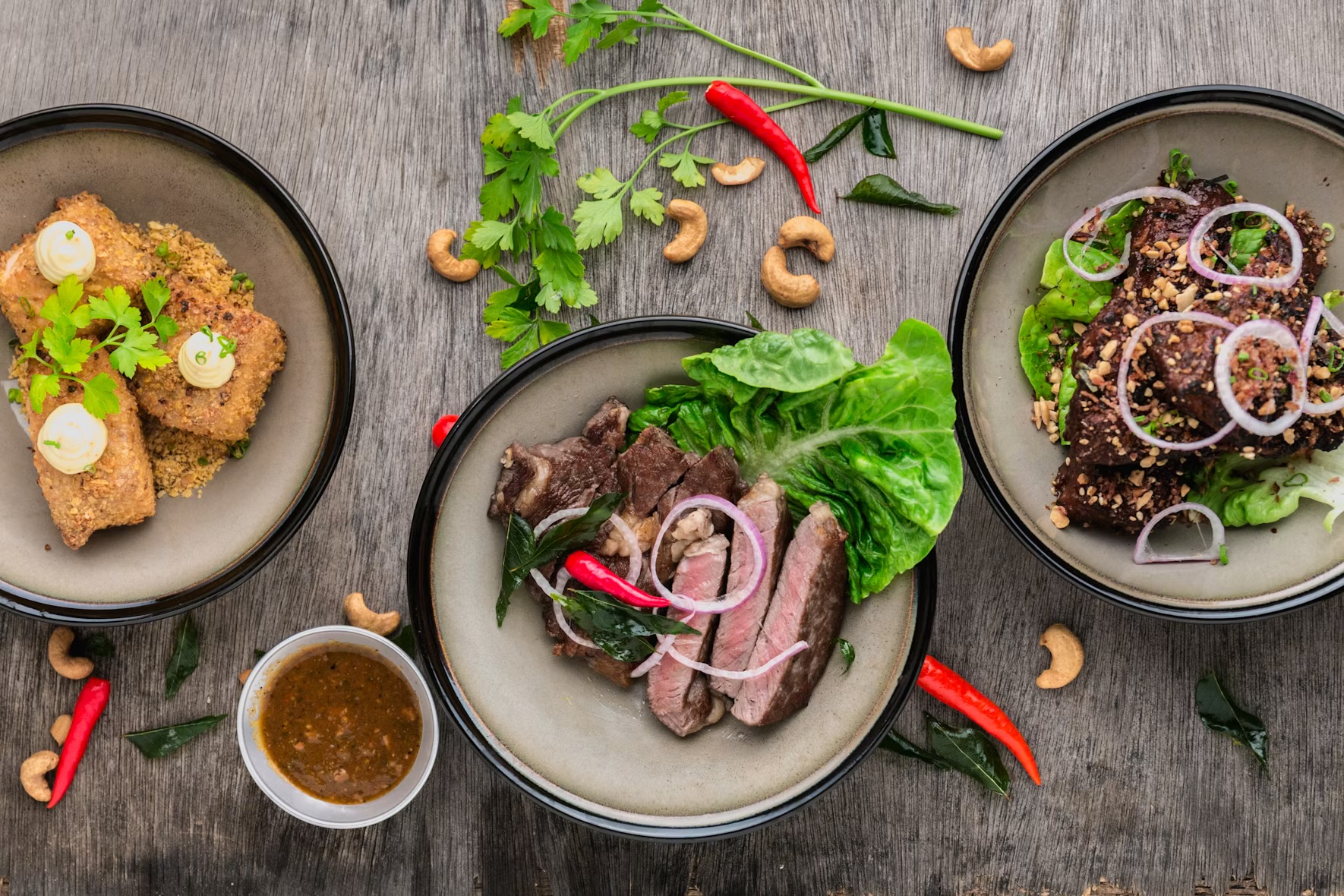
Image Credit: Lily Banse from Unsplash
I end up eating a small dinner too because I don’t want to ‘waste time’ eating. Towards my bed time I begin to suffer for my choices and start eating a bunch of fast and unhealthy foods. After I go to bed I lay around feeling terrible and angry with myself. But I don’t change my habits. Recently I’ve been trying to get out of this cycle and in this article I will be sharing what I have learned about what causes us to skip meals, how not having food affects us, and why it is so important to eat well in the long run.
Let us slide into your dms 🥰
Get notified of top trending articles like this one every week! (we won't spam you)Problems With Skipping
There are many reasons why skipping meals is a bad idea. In this article we'll just look at a few that are also some that will affect your everyday life.
1. Mental Fatigue
Your brain spends about 30% of all energy you consume and as a result is the organ that is most seriously affected by a lack of fuel. For me personally, I often don’t realize I’m hungry until I find myself in a bad mood that seems unassociated with what’s going on around me. For many it becomes difficult to focus in class or in everyday conversation. Everything just seems harder to do and deal with
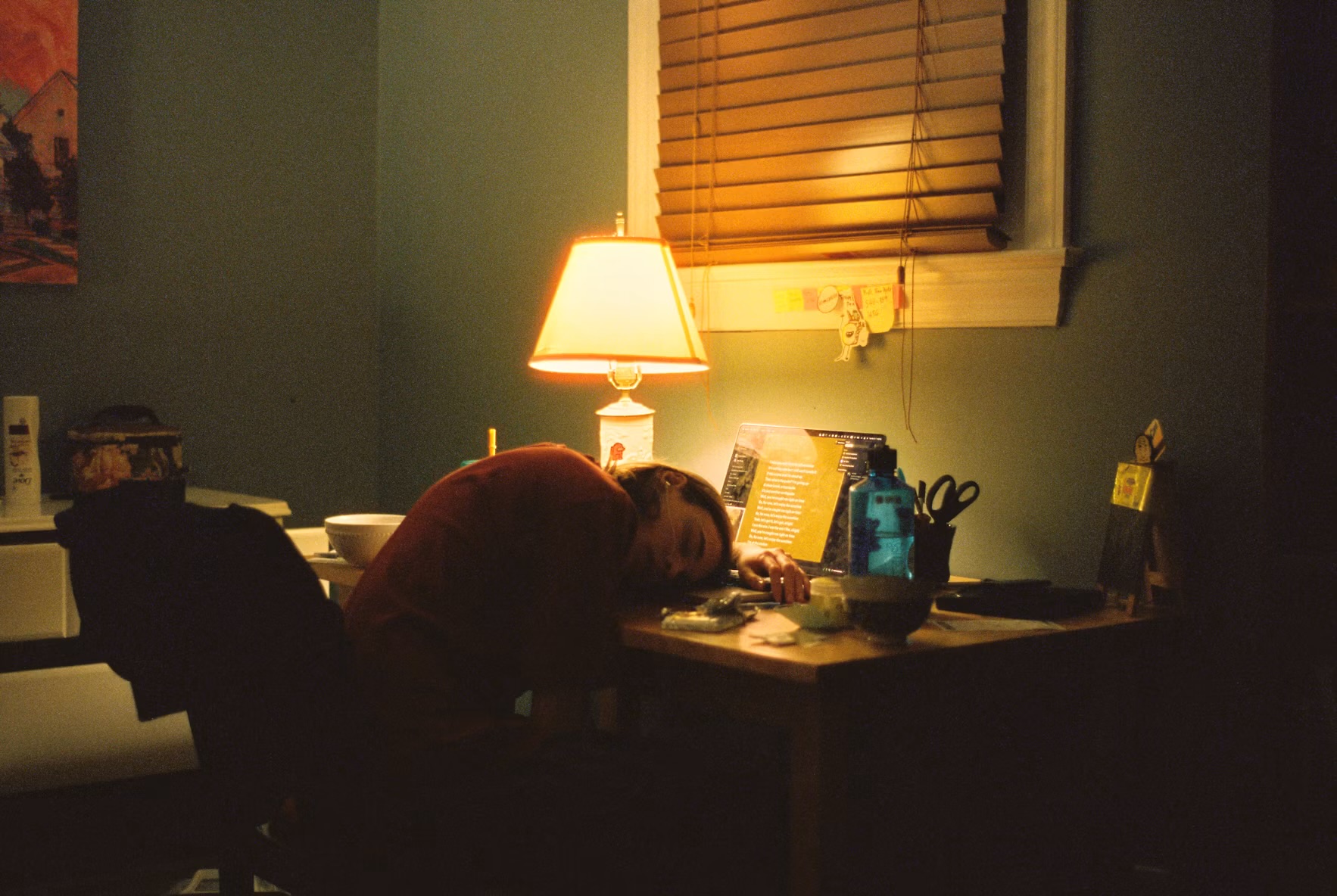
Image Credit: Mykyta Kravčenko from Unsplash
2. Period Troubles
For people with uteruses, periods are already an unpleasant reality but when you chronically skip meals they become very irregular and hard to predict. This is because the part of our brain that regulates our hormones (the hypothalamus) panics when it senses a lack of energy. As a result hormones such as estrogen are not prioritized. Henceforth periods become lighter or heavier, longer or shorter, and even more stressful.
3. Weightloss Becomes Harder
Many people will skip meals in order to loose weight, but this method actually backfires for many people. Similar to with periods, our brain freaks out and makes our metabolism slower so that whatever food we do consume can last us longer. This results in fat being conserved and weight goals not met.
4. Chronic Disease Risk Increase
Many risks for disease such as heart failure or type 2 diabetes will increase because of a lack of nutrients. The added mental stress of not enough food also takes a toll. Malnutrition and even osteoporosis from lack of calcium.


Take the Quiz: What Hobby Should You Try Out?
Find a new hobby to try out!!!
Causes
There are about a bazillion reasons why people will skip meals from food insecurity to busy schedules. Sometimes these reasons are out of our control and that is okay. In this section we will be looking at more manageable causes: screens, caffeine, and mental health.
1. Screens
If you are reading this right now chances are you are reading it on a tablet, computer, maybe even on your phone. In this day in age it is very difficult to get away from our screens as even in schools they are becoming an integral part of the curriculum. The reason why screens become a concern is the same reason why they can be so addicting. Devices mess up the reward system in our brain causing us to be more interested in being online than worrying about if we are hungry.
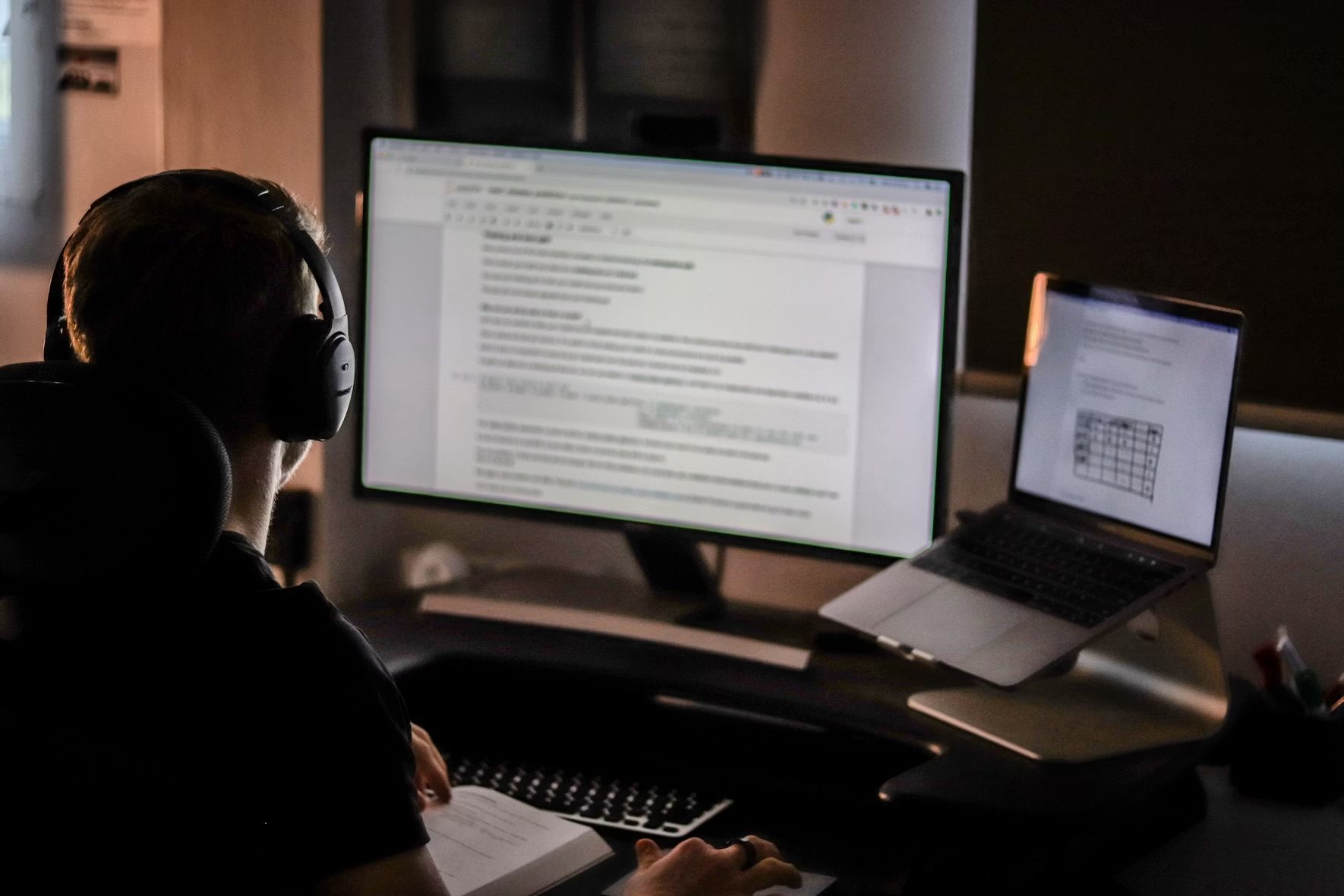
Image Credit: Samuel Bourke from Unsplash
2. Caffeine
Caffeine is found in many foods and drinks. It can be very helpful for late night studying or waking up in the morning. But at the same time it acts as a appetite suppressant. The reason for this is two fold, for one caffeine triggers the release of adrenaline and other neurotransmitters which causes you to be more alert and almost in fight or flight mode. Secondary to that it can cause the body to create certain hormones that are associated with being full. Both can result in a lack of hunger.
3. Mental Health
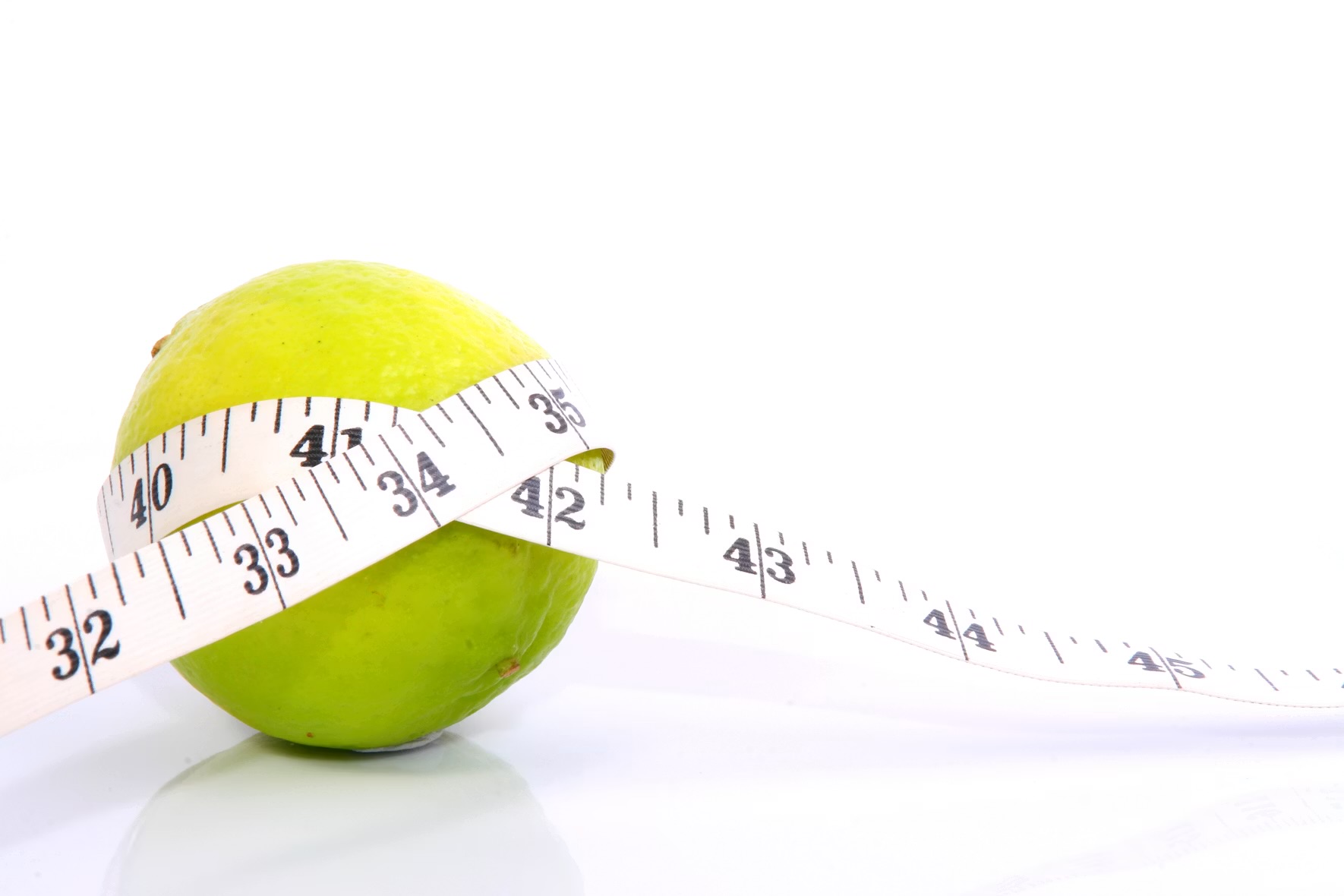
Image Credit: Shaun Meintjes from Unsplash
Having poor mental health can severely limit our appetites. For example, my freshman year I dealt with panic attacks and felt anxious 24/7. When I would try to eat, it would feel like my stomach was going to my throat and rejecting whatever I ate. That caused me to skip meals and lost 10 pounds in just a few months. Furthermore, people with low self-esteem or eating disorders often will skip meals to become skinnier or in some cases punish themselves by making themselves hungry.
Solutions
The ideas presented in this section are not sure-fire methods of preventing meal-skipping, instead it is some personal experience mixed with what I have learned from friends who have overcome eating disorders and mental health challenges.
1. Set Reminders
As previously mentioned depending on the day or what you need to get done it is easy to forget to eat. My advice is to set reminders to eat on your phone and keep them consistent. For example, if you have a work break around 12 pm to eat, make sure to actually eat your lunch. Often times I put meals as part of my schedule so as to trick myself into believing that I HAVE to eat full meals. By checking meals off my to-do list it gives me a sense of satisfaction beyond being full.
2. Snack
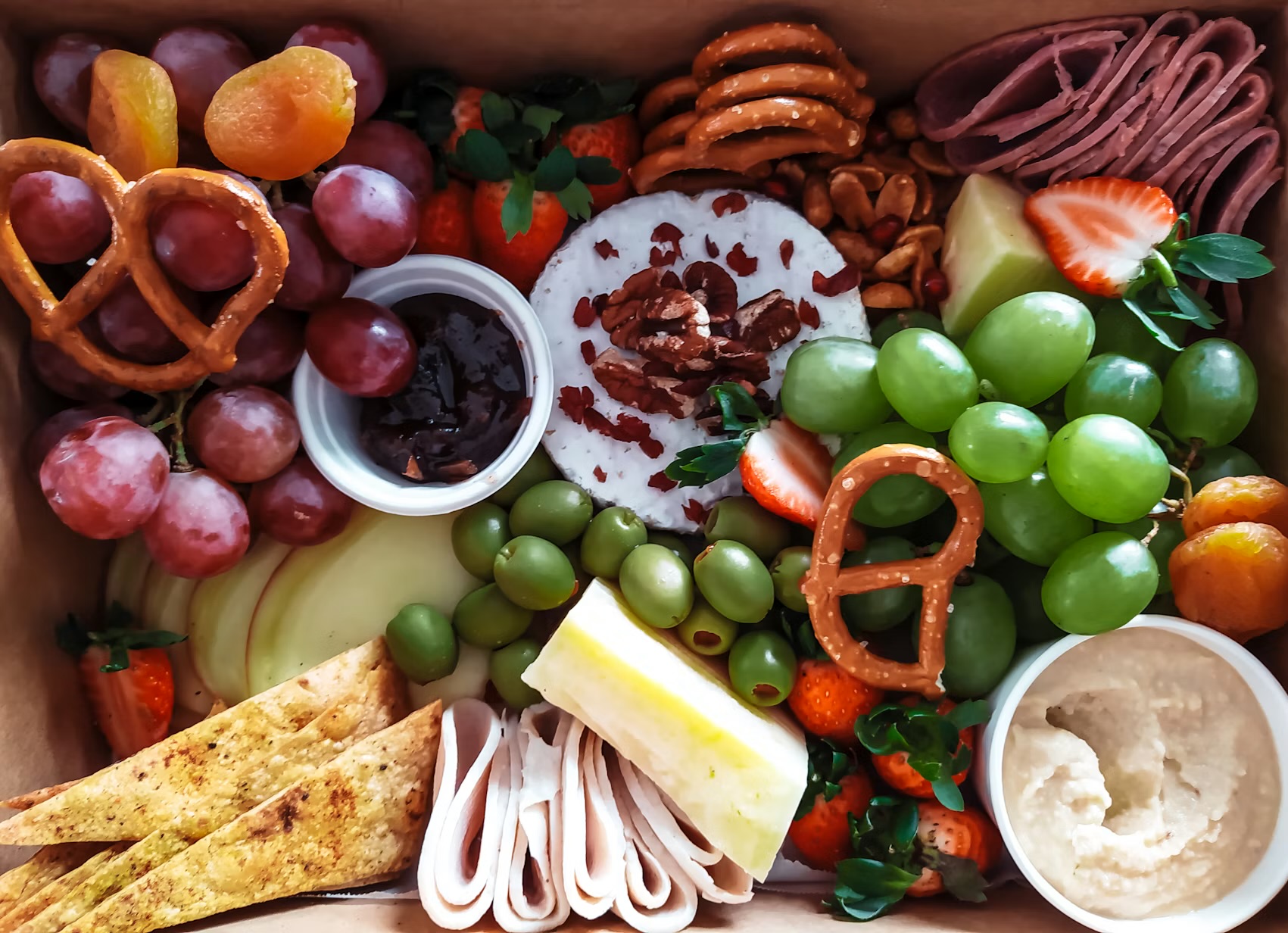
Image Credit: Promodhya Abeysekara from Unsplash
Science has shown that people who ‘graze’ have benefits which includes not being hungry while also not feeling stuffed. Personally, I find snacking to be an opening to eat unhealthily so I tend to avoid it but I have many friends who snack on foods such as nuts and veggies. They say that it helps them focus during class to have a bar during passing period. So if it is difficult to have larger meals, health snacks are certainly beneficial.
3. Track Calories
I know it sounds counterintuitive to track calories when you may struggle with body dysmorphia and other issues but I have found it is a really helpful way of ensuring I get enough fuel for myself. It doesn’t have to be overly serious either, it can be guesses and rough data about yourself. It also can help you understand where your calories come from so that you can decide which food groups you might want to eat more of. Another goal of tracking calories is to make sure that you are not in to serious a shortage of a calorie deficit (burning more calories than you consume) even if you are cutting for a sport such as wrestling. If you are cutting, the recommended calorie deficit is roughly 500 calories in order to lose weight but too far and you risk hurting yourself.
4. Keep it Simple
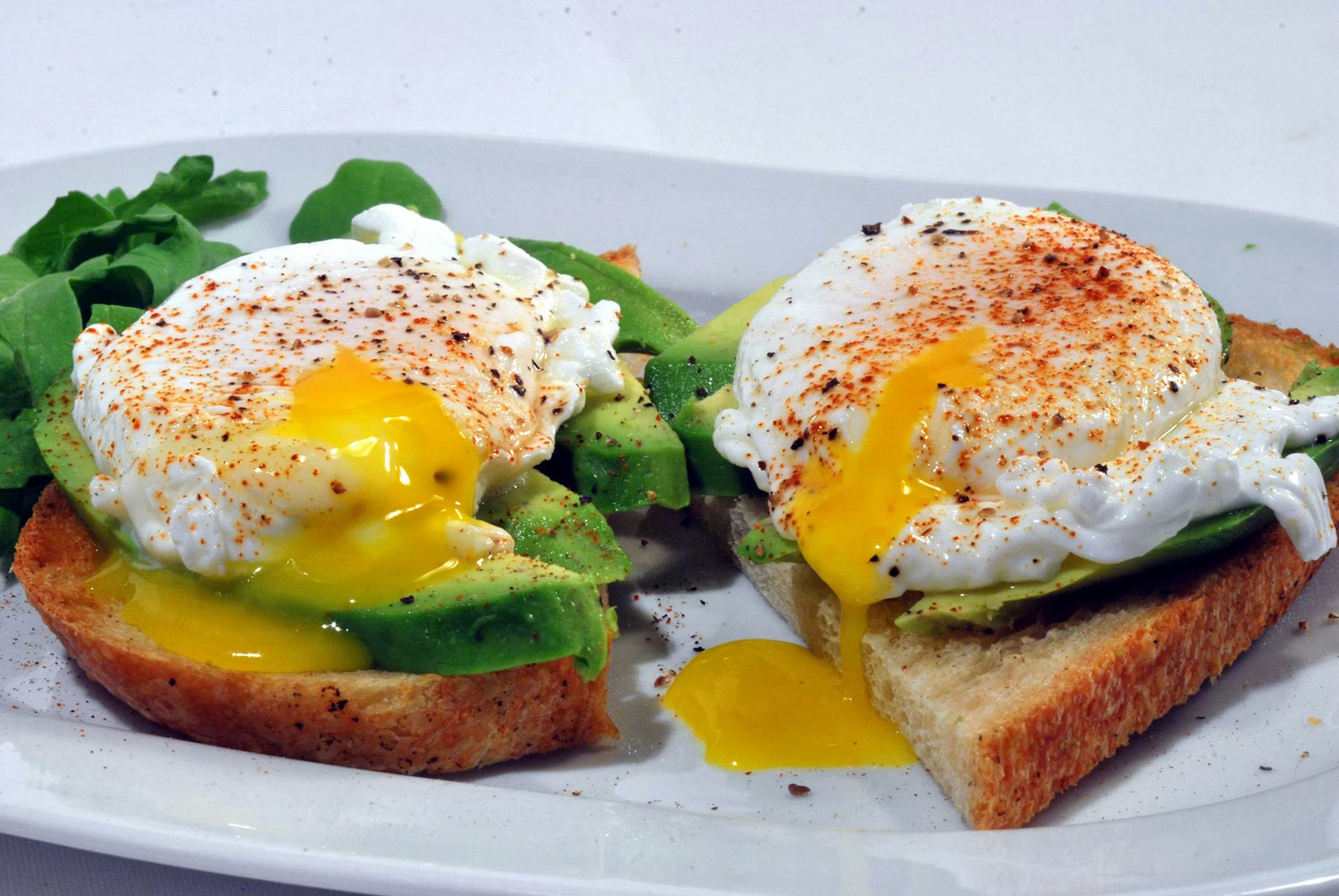
Image Credit: David B. Townsend from Unsplash
Sometimes it can feel overwhelming to make a full meal so it’s important to keep it simple. There are many ways to make sure you are getting enough nutrition. The general guidelines for meals is the quarter method. Two quarters of your meal should be fruits and veggies (doesn’t really matter what type), another quarter should be lean protein (beans, fish, etc.), the final quarter should be some grains (recommended to have whole grain but whatever you have is fine). Another way to do it is make your plate as colorful as possible, or the rainbow method.
Since I live in California for example, I might have avocado toast with eggs and a side of fruit.
Conclusion

Image Credit: Alex Alvarez from Unsplash
Eating food is really important because it keeps us alive. But like everything nowadays, it can be easy to get caught up in the sea of misinformation and peer pressure online about how your body should be responding to having or lacking food. In the end what is important is that you are sustaining yourself to the point where everyday life does not become a challenge. Some great resources to check out if you or someone you love may be having an unhealthy relationship with food are:
- The National Eating Disorders Hotline: (800)931-2237 or texting NEDA to 741741
- National Alliance on Mental Health Helpline at 1-800-960-NAMI(6262)
Take care of yourself and your body. Feel free to reach out to me to if you want someone to talk too!
