




.jpg)
We've all done it before — opening up YouTube or TikTok to watch "haul videos" where influencers show off all the things they've bought, often totaling up to thousands of dollars. Between purchasing tech accessories, trendy clothing, and rare collectables, it seems the content creators on that Explore page just can't stop themselves from dropping a small fortune every time they post.
And I'll admit it, I'm guilty of watching those haul videos from time to time, too. As the influencers I watch show off their record collections and vintage-inspired wardrobes, I think it's great to see how the videos they upload are generating new waves of enthusiasm for the hobbies I'm into. But there's also a very fine line between spending for enjoyment and spending just to spend, and content creators just keep crossing it as they normalize buying the latest items, no matter the price or necessity.
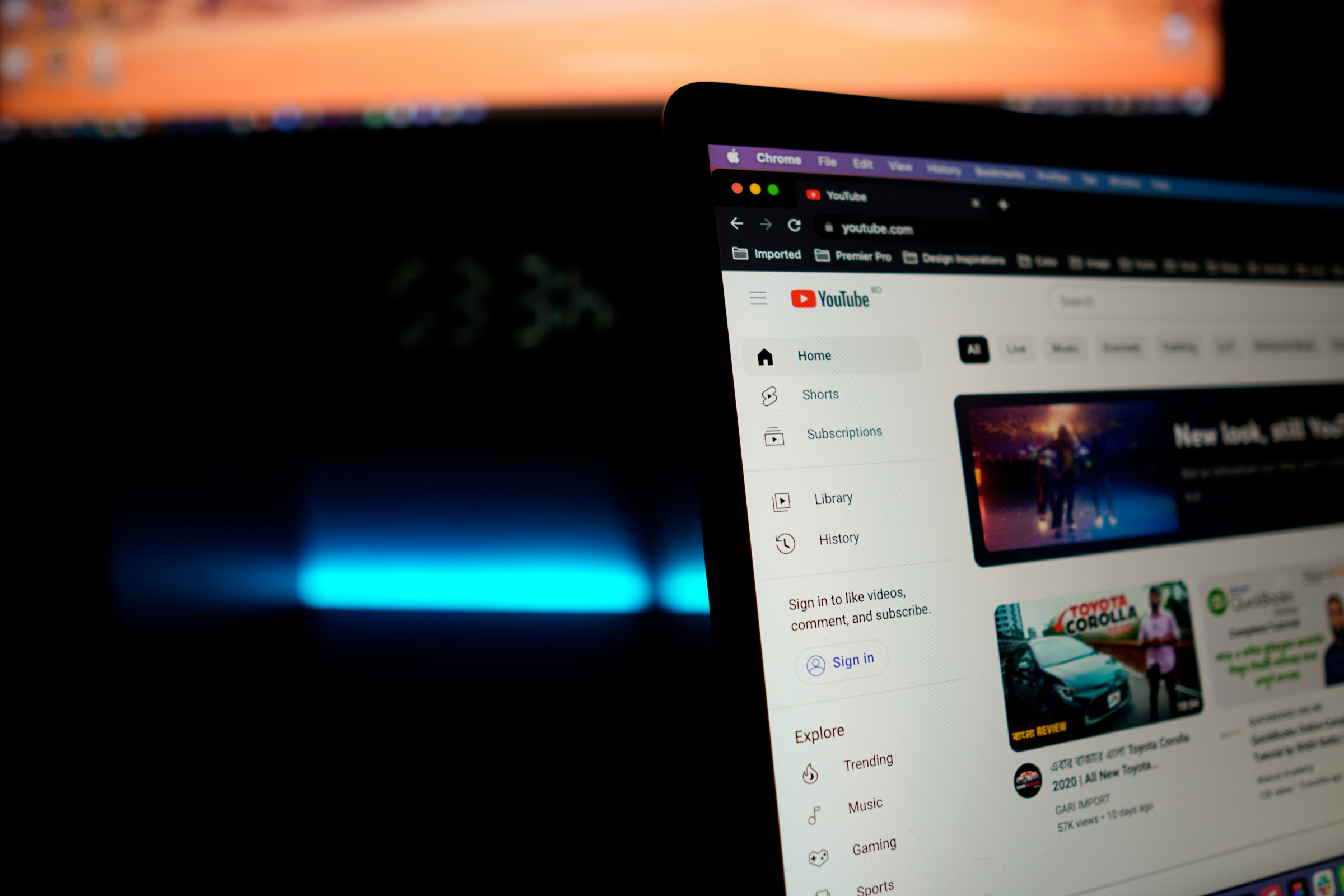
Image Credit: Islam from Unsplash
While one of the Internet's greatest features was its ability for users to find communities built around what they love, our online landscape is currently in a state where everything is about trends, and it's hard to tell whether your favorite YouTuber's newfound interest represents true passion or another act of hopping on the bandwagon.
So here's everything that social media is getting wrong about hobbies, and how you can enjoy yours without feeling the pressure to compare yourself to those big spenders on the front pages of your feed.
Let us slide into your dms 🥰
Get notified of top trending articles like this one every week! (we won't spam you)Consumption at its Core
By desensitizing viewers to the idea of routinely overspending on their hobbies, "haul" videos promote the kind of consumerism that we've seen become so normalized in the 21st century. Fashion channels are the perfect example, as videos in the genre typically show off a dozen or so new pieces coming from a wide array of brands and online storefronts.
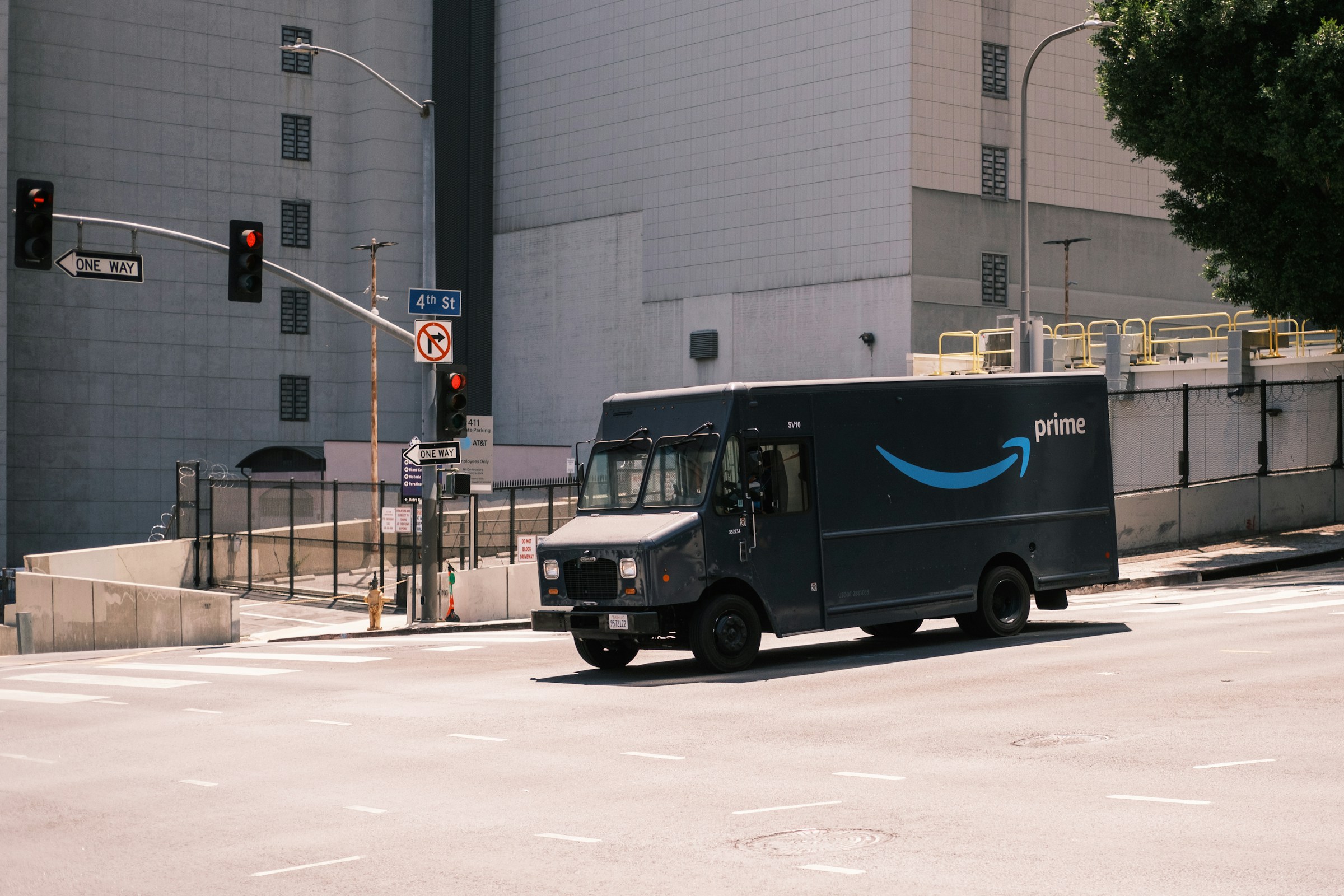
Image Credit: Stickelman from Unsplash
And with many of those pieces being purchased online, that haul video doesn't just have a huge price tag attached: it comes with an environmental cost too. From the carbon emissions of delivery vehicles to the packaging waste of each plastic bag, the excessive online shopping that has become a hallmark of fashion content simply isn't sustainable. But with influencers needing to post often to stay relevant, they're incentivized to hit "add to cart" again and again.
At least the viewers don't have to partake in that kind of consumerism, right? Well... not exactly. Seeing influencers' over-the-top spending affects those watching, too.
Every time you see your favorite content creator buying the latest sneaker collabs and Hollister collections, consciously or not, you want to do the same. Plus, splurging once or twice a month feels like a responsible decision compared to the crazy levels of consumption that you see online. And then suddenly, those purchases aren't done to enhance your own personal style but rather to buy whatever's on your FYP to satisfy that urge to spend.

Take the Quiz: Discover Your Ideal Stress-Relieving Hobby
Everyone deals with stress differently, and finding the right hobby can help you relax and unwind. Take this quiz to find out which stress-relievin...
"Starter Kits" and Sponsorships
Luckily, not all hobbies are about consuming; some are about creating. But if you think that creative hobbies like photography are immune to the effects of influencers, think again.
Influencers with more informative content in spaces like photography and video editing are known to post titles along the lines of "10 Camera Accessories New Photographers NEED" and "5 Apps ESSENTIAL for Video Editing." These videos can mislead beginners into believing that they need some sort of expensive starter pack before they can create anything worthwhile.
And considering how many influencers make the lion's share of their income through brand deals and sponsorships, it's understandable why they'd want to make each item they promote appear essential. Whether they're suggesting preset packs or camera equipment, influencers tend to push the idea that expensive gear is a necessary prerequisite to get started. Because when they're making money off every affiliate link, all of a sudden, your iPhone camera and free editing app just won't cut it.
But the reality is, you don't need the most expensive gear or the best setup to get creative. R&B artist Steve Lacy symbolizes that idea of doing more with less, calling it the "bare maximum." In a TED Talk the artist gave in 2017, Lacy explained how he produced his first two hit singles in high school with just a 5th-generation iPod, later recording his debut mixtape on an iPhone.
Lacy's success shows how you don't need to make all the purchases that influencers recommend, as while their suggestions may seem helpful, they can often shift the focus away from creating and towards consuming. Getting the best gear isn't the point of creative hobbies: they're about what you make, not what you buy.
Overnight Camping?
Content creators are often the driving force that turns hobbies into trends, and collectables like Pokémon cards have experienced new levels of demand ever since they went viral online. The beginning of the modern Pokémon craze was seen in 2022, when YouTuber Logan Paul bought an Illustrator Pikachu card worth over $5 million to show off at his WWE debut.

Image Credit: Pedersen from Unsplash
But as demand for these trading cards continues to rise, they've gone from collectables mainly purchased by kids and die-hard fans to highly sought-after items that get taken off the shelves by scalpers before children can even get the chance to buy any. At stores like GameStop, resellers go as far as camping out overnight to snag new releases they can flip for profit.
But trading cards aren't the only area affected by online hype, as sneaker collecting experienced those effects a few years earlier. While sneaker culture had been a thing for decades, major collabs in the 2010s like Nike x Off-White and the release of limited-edition Jordans turned these shoes into status symbols. As demand skyrocketed, companies kept supply low to make each release all the more exciting.
However, the scene would start to shift as bots and scalpers would buy that inventory in seconds, reselling pairs for triple the price. Many longtime fans saw themselves pushed out of the hobby as resale prices became unreasonable and buying their favorite sneakers at retail was no longer a reality.

Image Credit: Haupt from Unsplash
Thus, influencers generating craze isn't always a good thing, as those just trying to line their pockets or ride the hype train can spoil the fun for lifelong collectors. And thanks to the fast-paced nature of social media, there'll always be a new craze just around the corner.
How to Ignore the Hype
The never-ending cycle of online trends and the consumption that goes with it often pushes people to quickly jump from one thing to the next, missing what makes hobbies so meaningful in the process. What makes them so rewarding isn't how flashy they look online, but the sense of growth and fulfilment that comes from sticking with something over time. Building an interest is a marathon, not a sprint, so don't let any amount of consumerism or craze keep you from being able to truly enjoy what you love.
If your hobby is here to stay, trends or outside pressure shouldn't control what you buy or how you spend your time. Work on building your interest step by step, and give yourself patience as you make progress. The strongest hobbies don't come from quick trends or purchases, but rather through passion, consistency, and commitment.
.jpg)


.png)