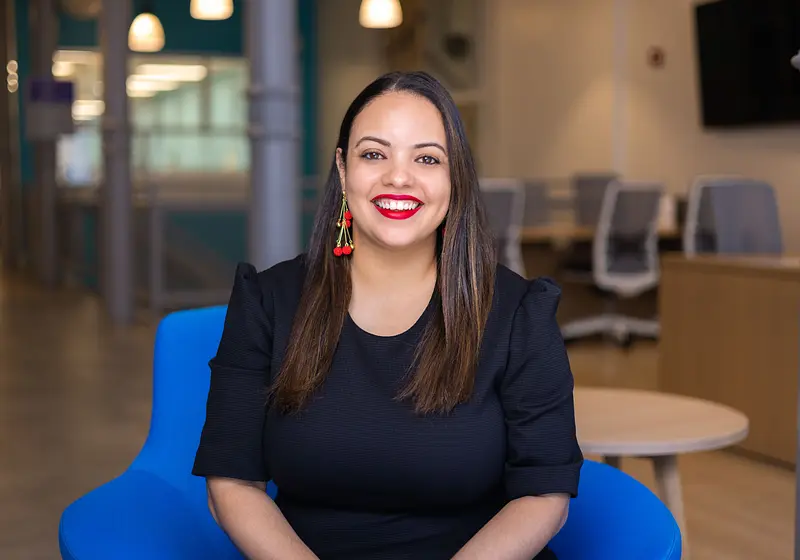



When Sabreen first opened the recommended school list from Deb, her Kaplan Leadership Program coach, everything began.
Sabreen had always wanted to study at a top university. She just didn’t know how to get there. However, seeing schools like the University of North Carolina on her list changed that. “That was the moment I realized my dream could turn into a reality,” she said.
Sabreen is heading to UNC to study psychology, with her eyes set on a Ph.D. in forensic psychology. Her path was shaped by research, dedicated coaches, camp visits, and a tight cohort from the Kaplan Leadership Program. Her transfer journey wasn’t just determination: it was coaching, a supportive community, and the perfect program.
Let us slide into your dms 🥰
Get notified of top trending articles like this one every week! (we won't spam you)How the Kaplan Educational Foundation Made a Difference
The Kaplan Leadership Program, run by the Kaplan Educational Foundation, helps high-potential, low-income, and underserved community college students transfer to top four-year universities. Since 2006, it has supported scholars with tutoring, mentorship, leadership training, and financial resources, ensuring they not only complete their associate degrees but also thrive at competitive institutions. With a 92% bachelors’ completion rate, the program opens doors that might otherwise feel out of reach.
The program arranged campus visits, connected her with alumni, and provided one-on-one help for essays. “My writing coach, Alis, helped me brainstorm my interests and experiences in a creative way,” Sabreen said. That support turned a confusing process into doable steps.
Leaving home was the biggest hurdle—specifically, convincing her family. It wasn’t a single conversation, but a series of talks over time. When acceptances came, her family’s pride made the move possible.
Mentorship changed how Sabreen thought about herself. Growing up as an immigrant, she had often felt pressure to figure everything out alone. At KLP, she found a cohort available to support each other at ungodly hours, alumni who actually were interested in helping, and staff who treated her goals as realistic and doable.
“I discovered a support system that I can rely on anytime, anywhere, without fear of judgment," she said. That support made it easier to speak up in class and seek help from professors.
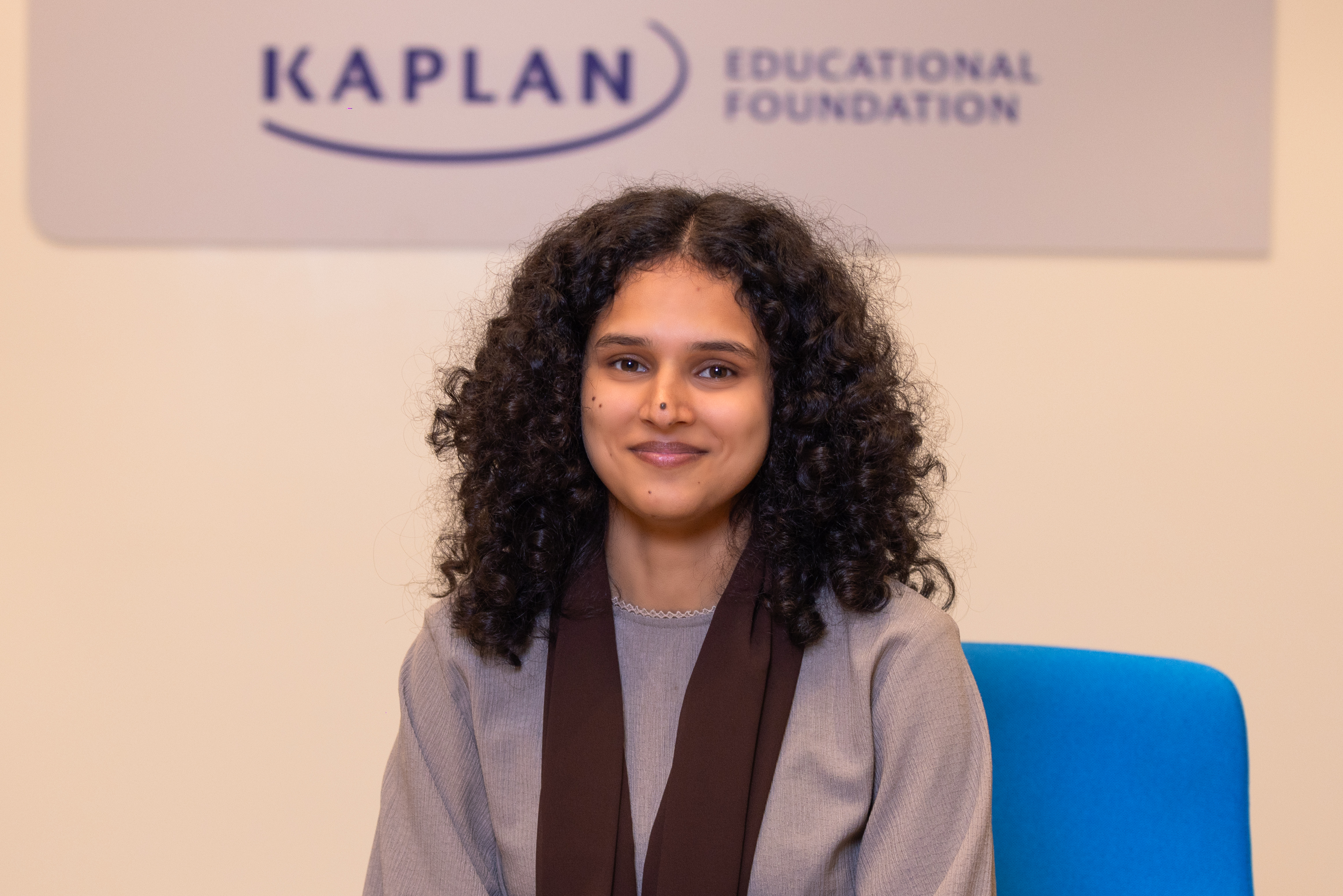
Photo Credit: Phe Studios

Take the Quiz: Plan Your Perfect Day and We'll Reveal Your Aesthetic
This quiz will reveal the style that matches your lifestyle. Let’s plan your perfect day!
The Research That Redirected Her Path
The thing that pushed her towards forensic psychology was a research project, specifically on media representations of undocumented immigrants.
“What ultimately drew me to forensic psychology and criminal profiling was a research proposal I worked on about how the media shapes public perceptions of undocumented immigrants,” Sabreen explained. Her research will look at mental health and how the media shapes who we label as dangerous.
But that wasn’t it. Sabreen did more than study theory. At Queensborough Community College, she took part in research, led supplemental instruction sessions, interned as a social media creator for Kaplan, volunteered at New York Presbyterian Hospital, and made a short film about immigrant experiences.
This teaches how to interpret data and how to turn facts into stories. Stories that people cared about. Sabreen hopes to use storytelling to lift up people rather than speak for them.
Advice for Community College Students
Sabreen’s advice is this: “Those professors, those mentors are the people who want to help you, but only if you reach out and ask,” she said.
Her checklist is simple: ask questions, use office hours, apply early, visit campuses, and follow up. The last one is important. Small actions matter. An email you almost do not send can be the thing that changes your path.
Why Programs Like Kaplan Matter
The Kaplan Educational Foundation’s leadership program gives resources that many community college students never see. Since 2006, 92 percent of Kaplan Leadership Program Scholars have earned bachelor’s degrees. By contrast, only 16 percent of community college students nationwide earn a bachelor’s degree.
This gap shows why targeted support and mentorship can change outcomes for students who otherwise might be overlooked. For more on the program and how to apply, see the Kaplan Educational Foundation here.

What’s Next for Sabreen
At UNC Chapel Hill, Sabreen plans to build research that forces nuance into public conversations about crime. She wants public debate to include context. She wants policies that consider why behaviors happen, not only who is blamed for them.
Her goal is practical. She wants research that can reshape how systems respond.
Sabreen’s story shows how concrete help changes the difficult and messy parts of applying and transferring. It does not erase the hard bits. It just makes them easier to face.
If you are a community college student and you're wondering whether top schools are out of reach, start with small steps. Ask. Visit. Apply. Repeat.
Support systems are out there. Some programs exist to help you access them.