





When I was five to seven years old, girls my age usually learned to dance, either classical or contemporary. They also took acting, art, and crochet classes, and learned how to use cosmetics. They were taught to fit the typical image of femininity.
Many mothers seemed to want their daughters to become models or actresses. I, however, chose a different path.
My mother gave me comic books called Amar Chitra Katha, and I had the whole collection. These books told stories from Indian folklore, including battles between gods and demons and real conflicts between civilisations. At first, my mother read them to me, but soon I started to read them on my own. What began as a fun reading time turned into a hobby.
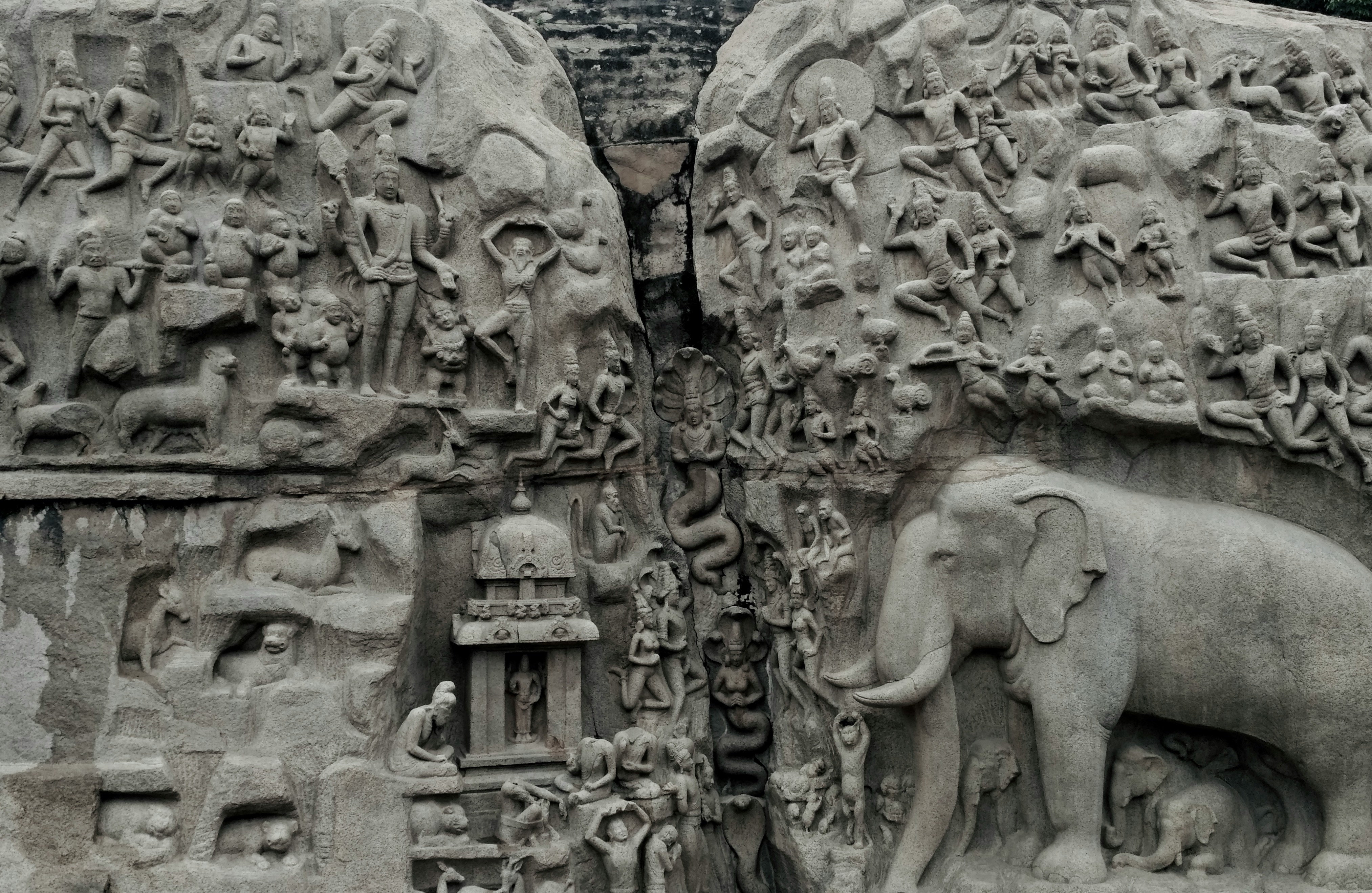
Image Credit: Photo by Mari Ganesh Kumar from Unsplash
Many people criticised me for just reading various stories. However, I eventually moved from Indian tales to stories from around the world. I became familiar with stories from Greece, Rome, China, Japan, and the Philippines. My curiosity led me to learn a lot about history, politics, ancient sciences, and traditional ways of life.
This interest naturally brought me to my field of study: Theology. People often misunderstand theology, and many avoid it to escape controversy. But I want to explain it clearly.
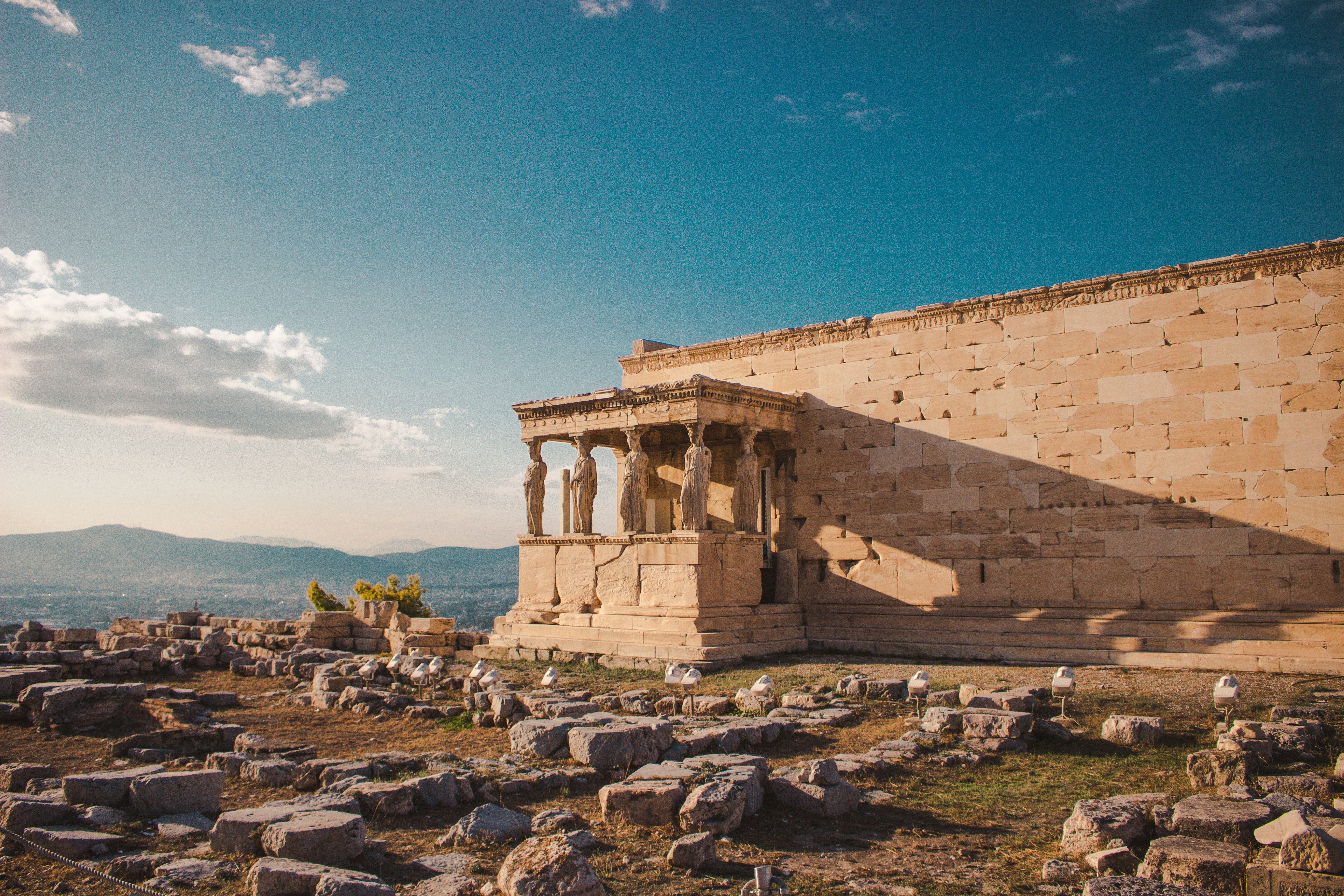
Image Credit: Photo by Arthur Yeti from unsplash
Let us slide into your dms 🥰
Get notified of top trending articles like this one every week! (we won't spam you)Theology Isn't Religion, It's History
When I studied ancient texts more deeply, I noticed something interesting. These texts are either records or theories. For example, let's look at "war." The epic Ramayana is often seen as a religious story, but it actually tells about a great battle. It describes how the battle was fought, the rules of war, and how civilians were not harmed.
This detailed information is what we call history. If that doesn't make sense, think about the Vedas and Upanishads. These texts were mainly written by wise sages.
My focus here is on India, but you can apply this idea to other cultures too. The Vedas and Upanishads include philosophical ideas and knowledge in many areas.
Some old Indian texts even explain surgical techniques, similar to what we now call "plastic surgery," which enhances facial features.
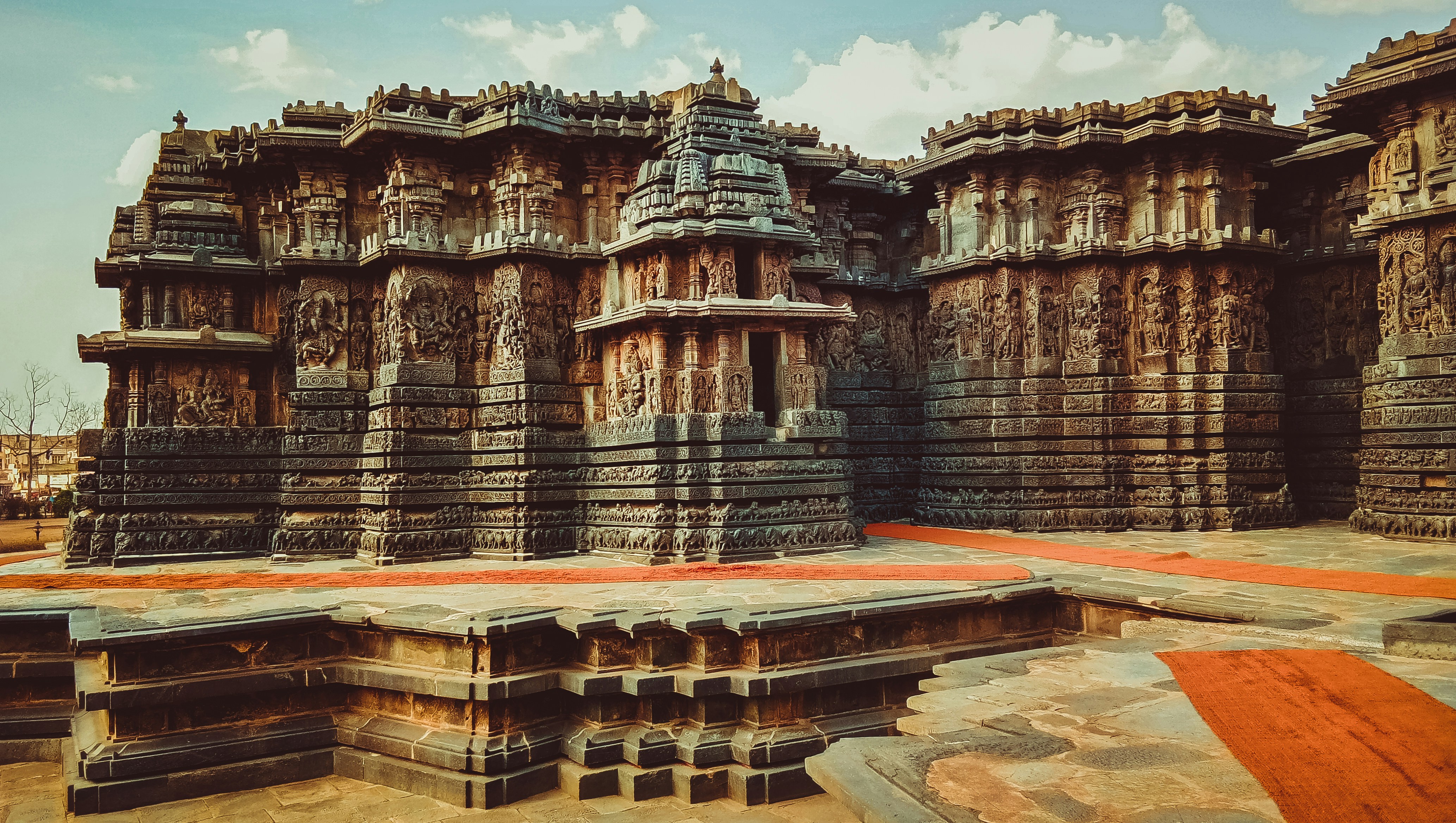
Image Credit: Photo by Srinivas JD from unsplash
Some people talked about how the body works and the structure of bones. Others studied cosmopolitanism in space, planetary movements, and gravitational forces. They even recorded sounds from space, which NASA now calls "OMM."
These discoveries happened during the BCE (Before Common Era) and AD (Anno Domini) periods, when technology was less advanced than today. Influential figures like Einstein were familiar with these texts, and they helped him support his ideas. These writings were created by sages—people with deep knowledge and insight who lived disciplined lives.
This dedication allowed them to gain expertise. Sages were often linked to temples, which were important centres in ancient civilisations. These sites were like a president's residence, where courts met, orders were made, and community projects started. While kings existed, sages held significant intellectual power.
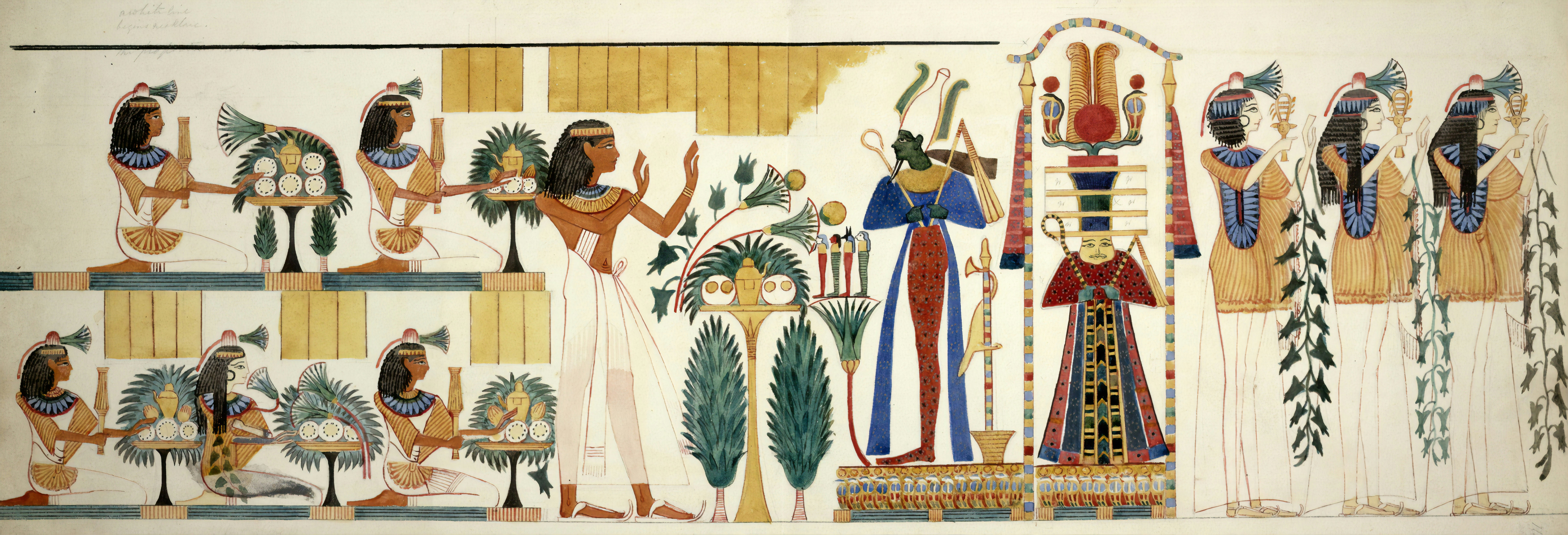
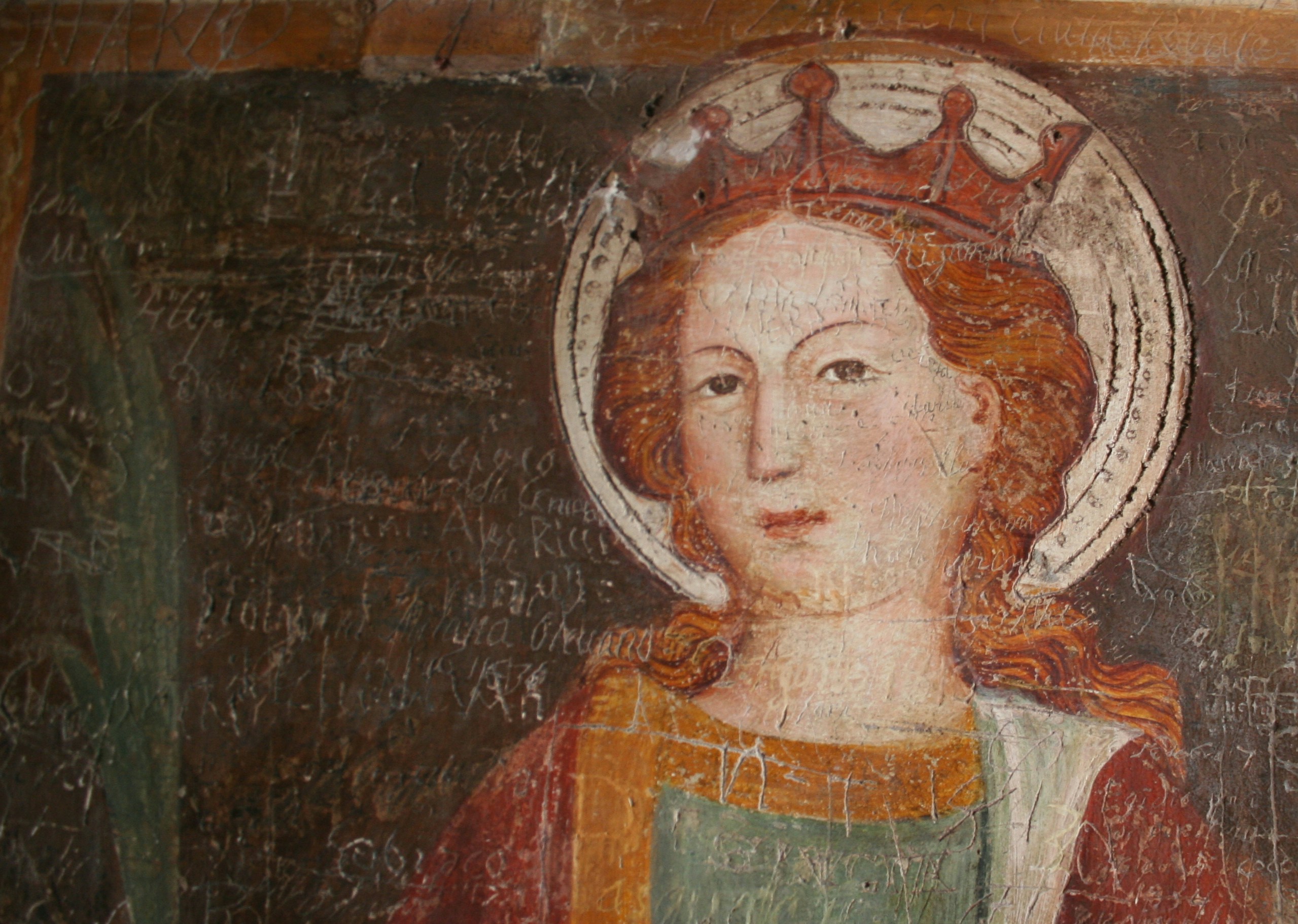
Image Credit: Photo by British Library
Now, these sages were obviously connected to these sacred sanctuaries. They ran them, but we are currently dealing with a major issue. As a hobby historian, I'd like to provide some information about colonisation from different civilisations.
History was rewritten from their perspective. Now, I'm not sure if it's propaganda or a desire to cut all ties to these roots. Wars have happened, and even now, after wars or elections, the history of the nation is rewritten, and we don't know what reforms the victors enacted. As a result, monarchs were frequently held in higher regard than these sanctuaries. The issue is with the revised history.
They lied to us. Sorry, but they told us that these sages or personalities from temples or other sanctuaries frequently just prayed, and that these texts were regarded as religious rather than written by great personalities. The line between understanding and misunderstanding is so fine.
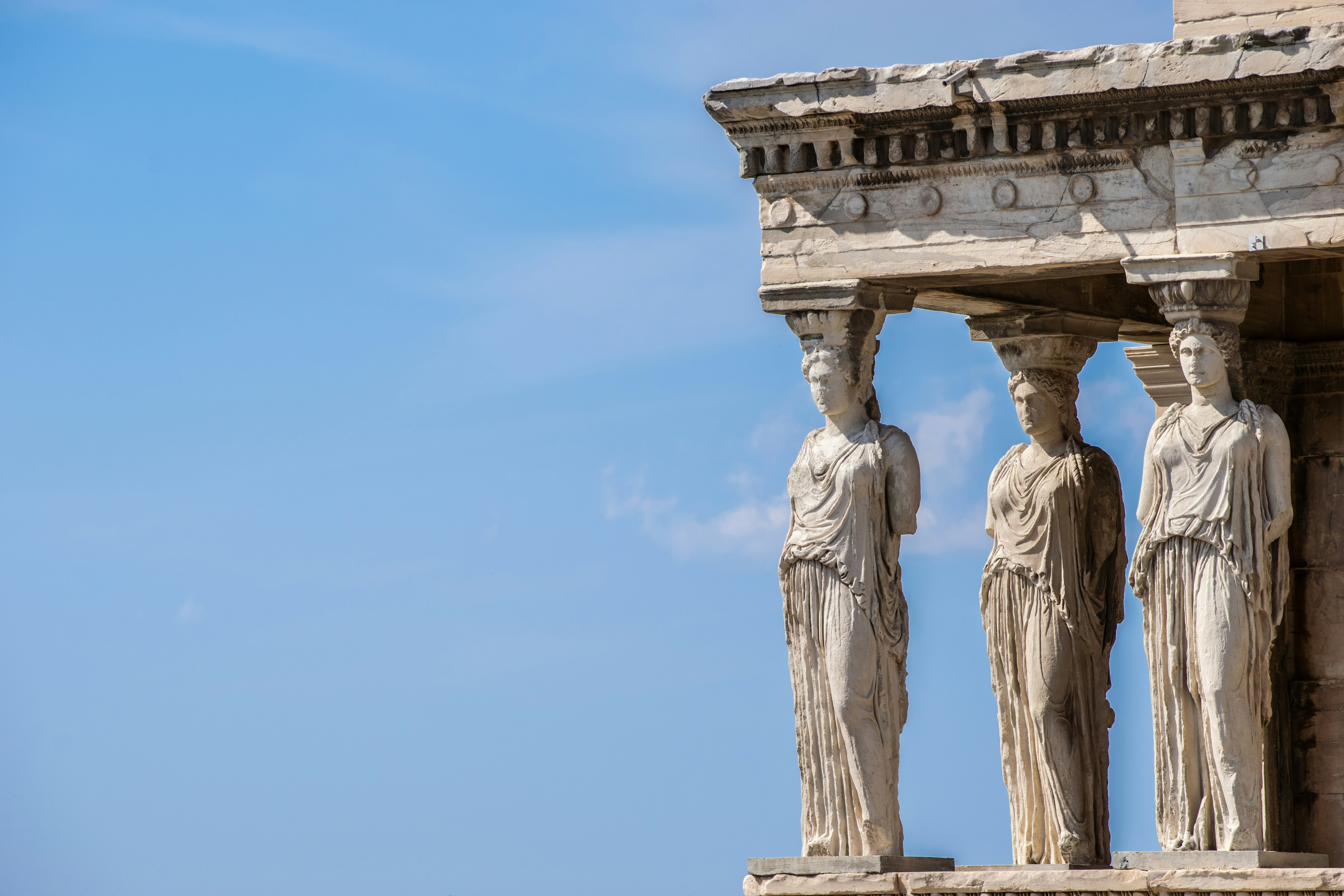
Image Credit: Photo by Stelios Kazazis from unsplash
These were genuine schools for both boys and girls in the ancient world, where everyone was seen as equal. However, significant reform only occurred after colonisation took hold. Nevertheless, remnants of that equality persist.
I have read Plato's "Republic" and Aristotle's "Politics"—beautiful works that law students today still study to understand the legal system. Both philosophers were associated with Greek temples.
Interestingly, we regard them as great philosophers rather than as priests, which raises the question of how we achieved such impartiality in other civilisations around the world. Marcus Aurelius, for example, was linked to the Roman temple. This illustrates my point: theology is intertwined with history.
I am not expressing anything negative about any culture; I am simply stating the truth about theology. The study of theology encompasses all subjects, all rooted in the Ancient World.
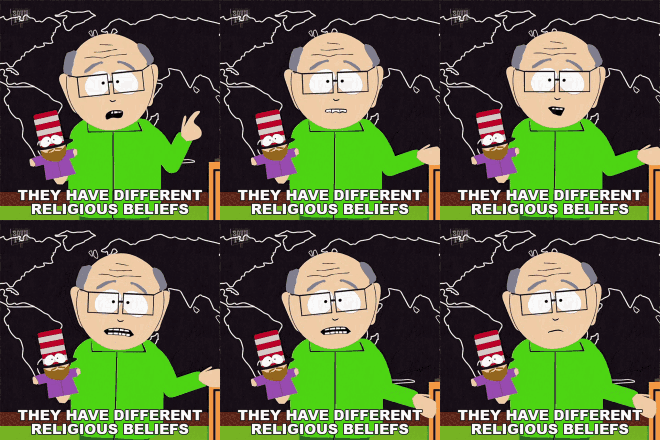

Take the Quiz: Religion, Schools, and Equality
Religion in Schools: Teaching Respect, Not Bias.
Image Credit: Photo by Torsten Dederichs from unsplash
Why Study Theology?
Scientists, especially well-known ones, read ancient texts in their fields. This is because these texts often contain detailed information that can be more accurate than discoveries made soon after the Renaissance. These writings have helped scientists support their theories.
Experts in any profession—like law, architecture, science, or medicine—can benefit from reading these texts and can do better in their work because of the valuable insights they offer. Theology looks at all these subjects together. While I'm not an expert, I understand these fields and their contributions better.
Theology is linked to history, which gives us stories with morals. We use these morals to improve society today.
Politicians study history for a reason: morals help us change and shape systems for a better and more stable economy. Theology focuses on ancient civilisations, specifically events from AD and BCE. This field is challenging because it is difficult to gather accurate information from the past.
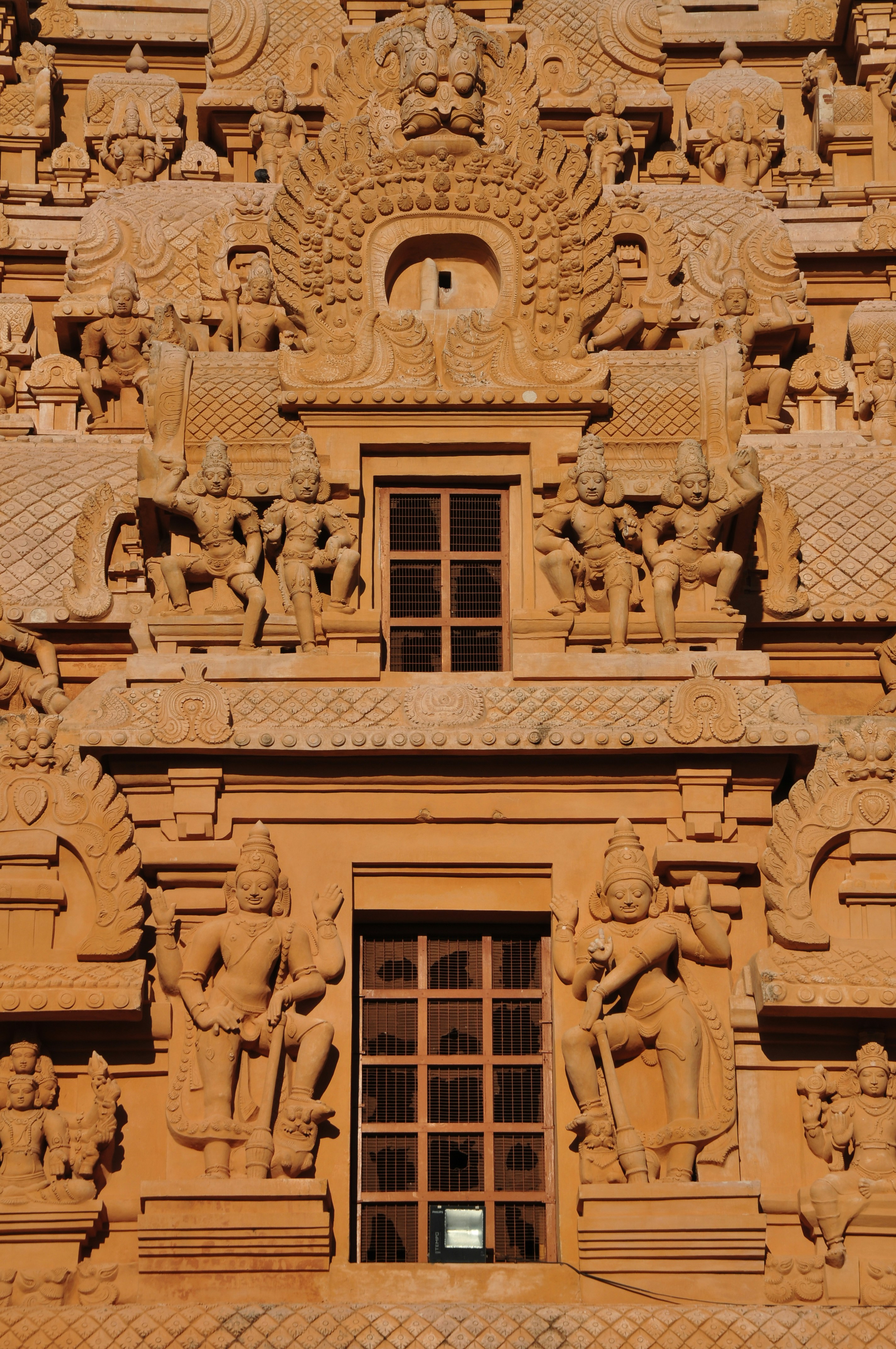
Image Credit: Photo by Avinash Uppuluri from unsplash
Studying theology and history at the same time can be challenging because new facts often emerge. Understanding how the world has changed and where it is going is very interesting. One challenge is comprehending life's complexities and the detailed information needed to understand the world.
As you learn, things become clearer. You start to think like a philosopher, questioning your surroundings and the planet’s existence. Although this journey may seem difficult, it has been the greatest privilege of my life.
It has helped me connect with the world in ways that are unique. This understanding is something you must experience rather than just read about.

Image Credit: Photo by Fenil Patel from unsplash
Conclusion
My desire to study and grow has increased. What started as bedtime storytelling has turned into my greatest passion. As an orator, storyteller, and writer, my knowledge has become very valuable. This knowledge has opened doors for me and created new opportunities.
I never expected the chances that would come from my interests. After years of being teased and judged, my studies have taught me to follow my heart. Be brave in every step you take, and don’t worry; one day, you will see the benefits of working hard for your dreams. This journey is not only about gaining knowledge but also about shaping who I am and who I will become.
I may not have been like other girls, but I have created many opportunities through my love of storytelling.
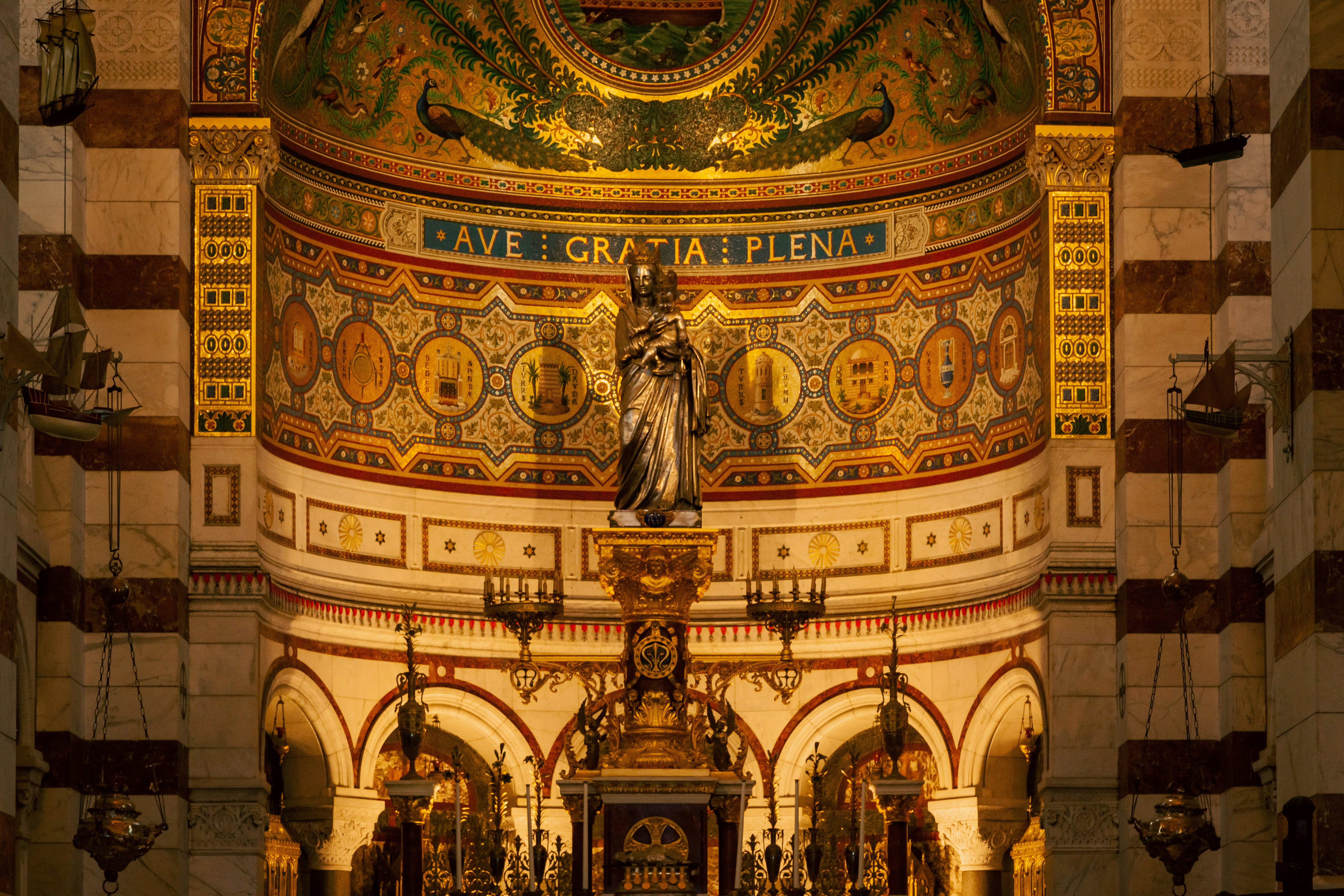
Image Credit: Photo by Zhu Yunxiao from unsplash