






In a historic and controversial move, El Salvador just rewrote its democracy.
A new law now allows presidents to serve indefinitely, removes runoff elections, and extends presidential terms from 5 to 6 years. Supporters say it reflects the will of the people. Critics call it a major step toward authoritarianism.
But what does that mean for you, especially if you’re a teen growing up in a world shaped by rising political tensions? Here’s what’s going on—and why it’s more relevant to your future than you might think:
Let us slide into your dms 🥰
Get notified of top trending articles like this one every week! (we won't spam you)What Just Happened?
On August 1, 2025, El Salvador’s Legislative Assembly — with 57 votes in favor and 3 against — passed a constitutional reform allowing indefinite presidential re‑election, extending terms from 5 to 6 years, and removing the runoff election requirement.

Image Credit: Wikimedia Commons
The changes also move up the next election to 2027, instead of 2029, by aligning presidential, legislative, and municipal elections.
Take the Quiz: What Kind of Political Personality Are You?
Ever wondered what role you’d play in the political world? Take this fun quiz to find out!
Is El Salvador Becoming a Dictatorship?
There’s no official dictator in El Salvador, but many believe President Nayib Bukele is heading that way.
Nayib Bukele, elected in 2019, rose to power as a bold, social-media-savvy outsider who promised to fix corruption and gang violence.
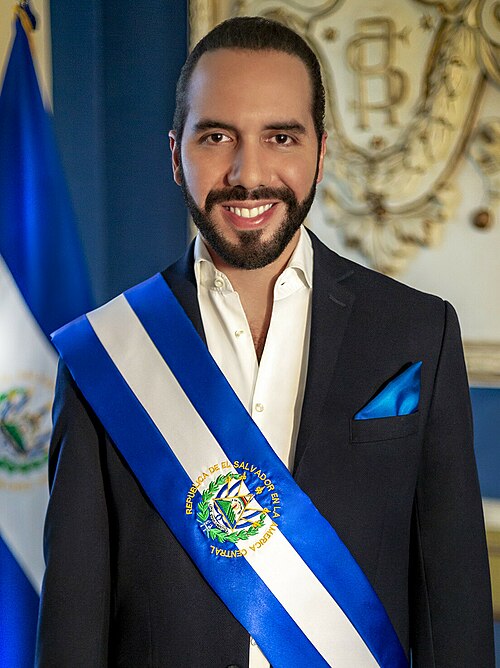
Image Credit: Wikimedia Commons
He’s the founder of the populist Nuevas Ideas party and remains wildly popular among many Salvadorans, especially for making streets feel safer. According to The Guardian, the 44-year-old once called himself “the world’s coolest dictator."
Bukele's political history is not without controversy.
- In May 2021, legislators from Bukele’s Nuevas Ideas party removed all five sitting justices of the Constitutional Chamber and replaced the attorney general with loyalists. This effectively eliminated independent checks on his power.
- In September 2021, this newly appointed court ruled that the constitution actually allows immediate consecutive reelection, reversing the prior prohibition and clearing the way for Bukele's second term in 2024.
- Since March 2022, El Salvador has been under a state of exception, allowing arrests without warrants, suspension of due process protections, and expanded pretrial detention powers.
- Human Rights Watch's “We can arrest anyone we want” report documents arbitrary detentions and suppression of dissent as part of the crackdown strategy.
Bukele argues that these moves are necessary to clean up a corrupt system and that other leaders failed to protect citizens.

Image Credit: Wikimedia Commons
Why Term Limits Matter
Term limits are a democratic safeguard, ensuring regular leadership change and preventing a single person from concentrating power over long periods.
With limits removed, leaders can stay in office indefinitely. Such authoritarian rule has already been enacted in countries like Venezuela, Nicaragua, and Bolivia.
What supporters claim
Lawmakers from President Bukele’s Nuevas Ideas ("New Ideas") party argue the reforms reflect public will, claiming reelection rights are already common at other government levels and are therefore empowering citizens.
In a statement quoted by NPR's St. Louis Public Radio, New Ideas lawmaker Ana Figueroa argued that “federal lawmakers and mayors can already seek reelection as many times as they want.”
They also argue that aligning election dates will save the state money (runoff elections cost roughly $50 million) and simplify logistics. According to Coin Telegraph, Figueroa stated that “Each runoff election costs the state approximately $50 million. With those resources, we can build a new hospital and more schools."
Why This Matters to Teens
El Salvador’s current leadership is popular for cracking down on gang violence, but this has also come with mass arrests and the suspension of civil rights, creating a tricky tension between safety and freedom.
For teens growing up in this environment, it’s a wake-up call: balancing security with human rights is complex, and unchecked power—no matter how popular—can erode the very freedoms that allow young people to speak up, organize, and shape their future.
What’s happening in El Salvador isn’t just regionalized politics. It’s a global reminder of how fragile democracy can be.



.jpg)


.jpg)
.jpg)