



These days, watching Marvel feels a certain way—a kind of sadness, nostalgia that feels like a voice inside you saying, remember when this felt special? We are all missing Marvel from before Phase 4, and honestly, so do I. You see, early MCU was not just a series of superhero movies; it was a moment in time together, a common visit, a cultural representation of the pulse that pumped in all of our teenage years, friend groups, and even Friday nights.
Do you remember the excitement of staying up until midnight to attend your first event opening? Do you remember said event after the post-credit scene and the excitement of having a theory or the feeling over again that in fact, these were not "just characters," they were collective friends?
Watching Iron Man suit for the first time or Steve Rogers grabbing the shield after it gets pushed midair, didn't feel like watching superheroes in a superhero movie, it felt like crying. They were conversations, transition points in our lives, the part of every conversation we had amongst our friends. It was the part that bonded our friends based on our conversations of which Avenger would die in the next one or what superhero we could become.
Image Credit: Fujiphilm on Unsplash
At that moment in time, Marvel movies never felt like products to me. They felt like promises. Each film felt like the latest chapter in a story we were all building together, like a cinematic universe that was developed from curiosity, patience and faith, not mathematical algorithm.
Iron Man, Captain America: The First Avenger, Thor, Avengers; none of these films were about multiversal madness or cameos every five minutes. They were about people: people that were different, flawed, funny and had hopes trying to be good in a very messy world.
You could feel the humanity of the dialogue, especially the fun little moments. You could feel the risk in the storytelling, you could feel the creative spark from filmmakers who simply weren't scared to have you wait for payoff. It was a time of slow, deliberate, intentional world-building.
Where characters had breathing room, arcs developed, and the MCU always felt alive, always evolving. I feel this is an important difference from something that's just thrown down on a calendar like a brand.
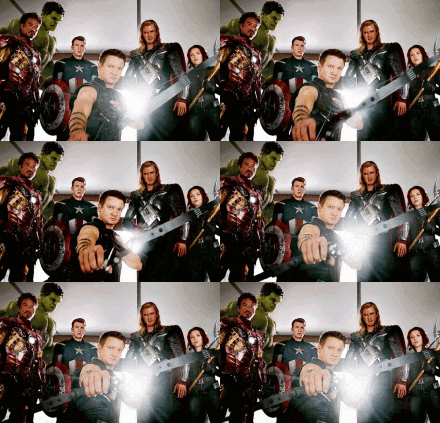
via Tenor
Let us slide into your dms 🥰
Get notified of top trending articles like this one every week! (we won't spam you)When Marvel Still Felt Human
The reason those earlier moments were so vibrant and alive with meaning was because they were based on emotion. The character arc of Tony Stark was not simply a matter of constructing suits of armor, but of learning to live with the consequences of his ego. Steve Rogers' arc was not only about patriotism and bravery—not just merely on identity and moral clarity in a world where there is always shifting ethics.
Supporting characters, too, felt human; Natasha Romanoff and the weight of guilt, Thor gaining wisdom with humility, and Peter Parker growing up while heroing. They were not just gods. They were human beings with heavy burdens. Being human is why their victories mattered.
The original Avenger's was memorable not just because of the violence; it felt earned. It was the culmination of years of story building with a tension that never felt forced or demanded. There was an anticipation for something amazing about to explode onto the screen.
You could sense the joy in the craft, the idea of perfect timing and humor, a believable friendship and tension building in real-time. With the original Avengers, it felt like you were watching history be made—all of these moments built a mythos that every one of us alive at that moment shared in, even if in the smallest way.
via Tenor

Take the Quiz: Which Studio Ghibli Character Are You?
Are you a brave warrior, a free-spirited dreamer, or a gentle guardian?
The Shift: When Marvel Became a Machine
But then, everything changed. I think it happened after Endgame, a movie that seemed like an actual culmination of the films that came before it, as emotional as those can be. Maybe it was later still, as Phase 4 began to get thinner and thinner, faster and louder.
The universe expanded, but it felt emptier. Each new release felt less like an event and more like a requirement—another show, another movie, another crossover to "keep up" with. Rather than being excited about what was next, we braced for what was next.
The heart that propelled Marvel's escapism, which also deepened over the course of a decade, felt more and more formulaic. The careful balance of storytelling became replaced with some kind of creative fatigue, as if Marvel was simply chasing the emotional wave of Endgame without any real patience or intimacy that made it an emotional achievement in the first place.
What was once a sense of wonder, had become dull weariness. Where there was translatable humanity unconjured in character-driven storytelling, had gotten lost in CGI, gags and the repetitive act of "universe building," the passion that never took enough time between movies to breathe.
It's not that the new stories are bad—they remain clever, funny and visually impressive—it's that there's a feeling the MCU has lost some of its wonder. When the stories are made to interlock rather than inspire, you feel the machinery behind the curtain. The MCU used to be about storytelling, but now feels sometimes just like scheduling.
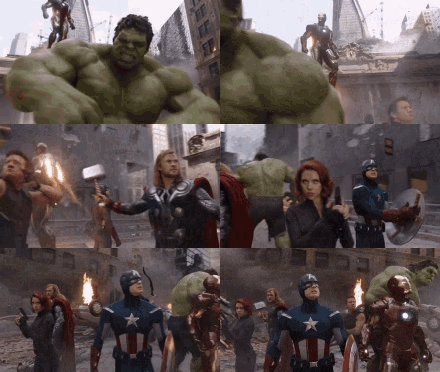
via Tenor
When the Universe Moved to the Small Screen
At this point, the shows began rolling out. WandaVision, The Falcon and the Winter Soldier, Loki, Ms. Marvel, Moon Knight, Secret Invasion—every show was ambitious, some were even brilliant, but all together they were exhausting. Instead of an event every several months, they became homework.
To understand one film, you needed to watch six episodes of another show. To understand that show, you had to remember a movie reference from three years earlier. The price of entry for the casual viewer was increasingly becoming too steep, along with the fatigue.
The introduction of streaming should’ve expanded the storytelling canvas—and at times it did. WandaVision was a creatively ambitious concept, a love letter to the history of television. Loki explored time, identity, chaos, and love in ways that were unexpected.
Yet this commenced the rapid change from these shows being extensions of the universe to effort. The storytelling became so intertwined that spontaneity was lost. Instead of excitement, there was anxiety, the fear that to skip one install you would be lost on the next.
The fandom developed a new tempo. The MCU became something you would gather around, and instead they made it something you have to keep up with. That makes a difference. Part of the joy of earlier the earlier Marvel experience was in its accessibility—you weren't required to keep up with it; you were invited to.
You could step into a theater, sit down and in a few minutes catch up. Now, the universe requires commitment, requires context around it constantly, requires consumption constantly. The shared simplicity of the MCU has turned into saturation.
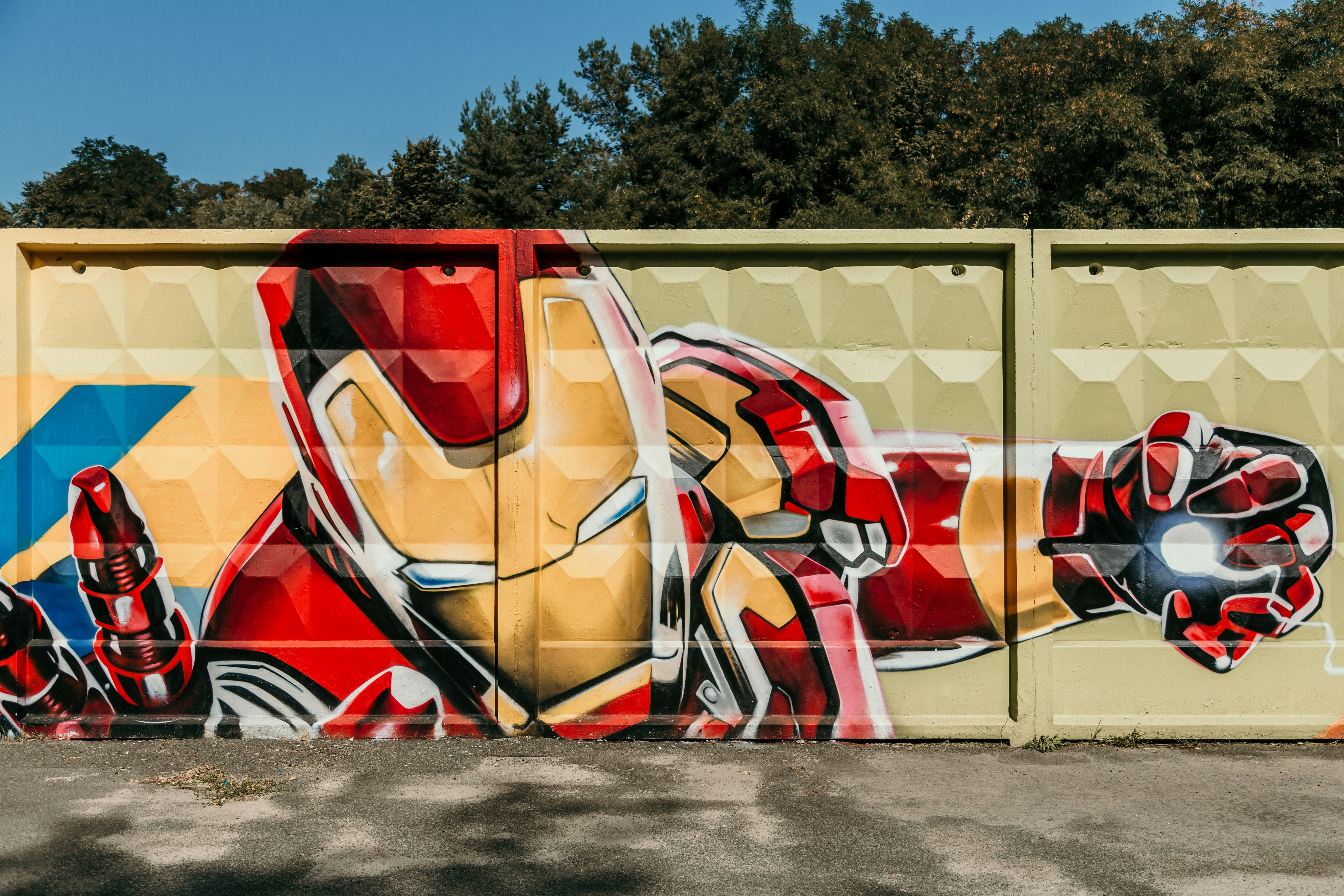
Image Credit: Marjan Blan on Unsplash
The Emotional Core We Lost
When individuals express that they miss pre-"Phase 4" Marvel, this is not necessarily about missing Tony Stark or Steve Rogers. It is more about a visceral emotion—the communal gasp in the theatre when Nick Fury spoke about the Avengers Initiative, the anticipatory hush when the Marvel logo flickered on-screen, the rippling laughter in crowds from perfectly timed 'banter' experiences that seem to be gone. This sense of community is just like the feeling of fragmentation—too many stories, too little connection.
Tony Stark's death in Endgame did not close a character arc; it closed an emotional arc. It was the position of the flawed 'heart' of the MCU universe; the character who 'threaded' together humor, humanity and hubris aspects. The universe feels 'adrift' without him.
His absence is a signifier of something greater, a shift from emotional to spectacle-driven story-telling. Spectacle-driven story-telling can still provide wealthy visuals yes, but less the vulnerability the heroes had.
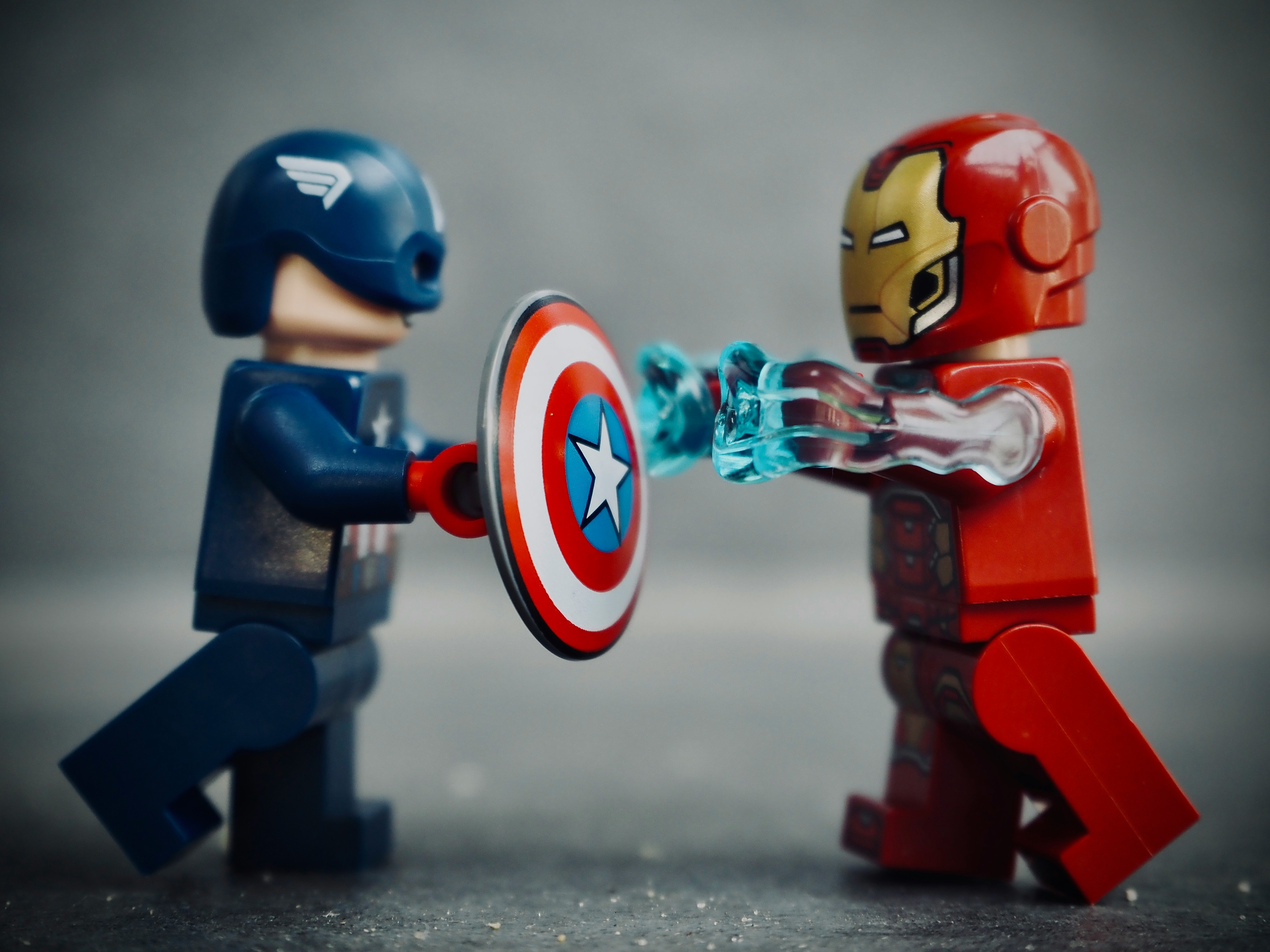
Image Credit: Mateusz Wacławek on Unsplash
Maybe It’s Not Just Marvel
But perhaps nostalgia represents something about us just as much as it represents the franchise. In the beginning, the early Marvel years represented a simpler time, for both cinema and us as an audience: we were younger and more idealistic in believing heroes could fix things, etc.
We've all changed. It is more than escapism that's now distant, it is shiny escapism in a world that is more fractured than ever. Maybe we miss not just pre-Phase 4 Marvel, we miss the pre-Phase 4 version of ourselves—we believed that stories could bring people together, that good could prevail and that we could have impactful endings.
The Magic We’re Still Chasing
That beginning of that old magic is there, even now. It exists in the theater's hum before the opening scene, in the polite cheer upon hearing a familiar score, in the goosebumps as the screen goes black and the logo appears. It's in the possibility that maybe, just maybe, this next film could be the one to reignite it.
That nostalgia isn't, in my case, merely desire. It's love, for the feelings these films gave us. These films were a part of something larger, a sense of belonging, excitement and shared imagination.
Everybody misses pre-"Phase 4" Marvel... and I do, too. But maybe that’s proof of something substantive. The MCU didn't merely entertain us.
It raised us, shaped us and connected us. And while it has lost some sparkle, we will always have those nights when, as that logo appeared on screen, the dimming lights signaled that for two or so hours the outside world could wait.
Maybe that magic isn't missing, it's hovering at the edge, waiting to be felt again within the right story, and within the right moment, when we are ready to believe again, and the moment that spark is found again with amazement.


.jpg)