







The viral trend of the delicious Dubai chocolate has taken the internet by storm, inspiring incorporations into other viral media, trendy remake recipes, and has fueled the romanticization of Dubai.
When on TikTok, you can’t type the word “Dubai” without “Dubai Chocolate” being present as the first suggested search choice. But what if the reality was much deeper than that? After the recent uncovering of the [censored] trafficking of African women in Dubai rose to relevance, whether Dubai Chocolate is just a trend that allows individuals to idolize Dubai further, or if it is a trend that helps mask the realities of Dubai, came into question.
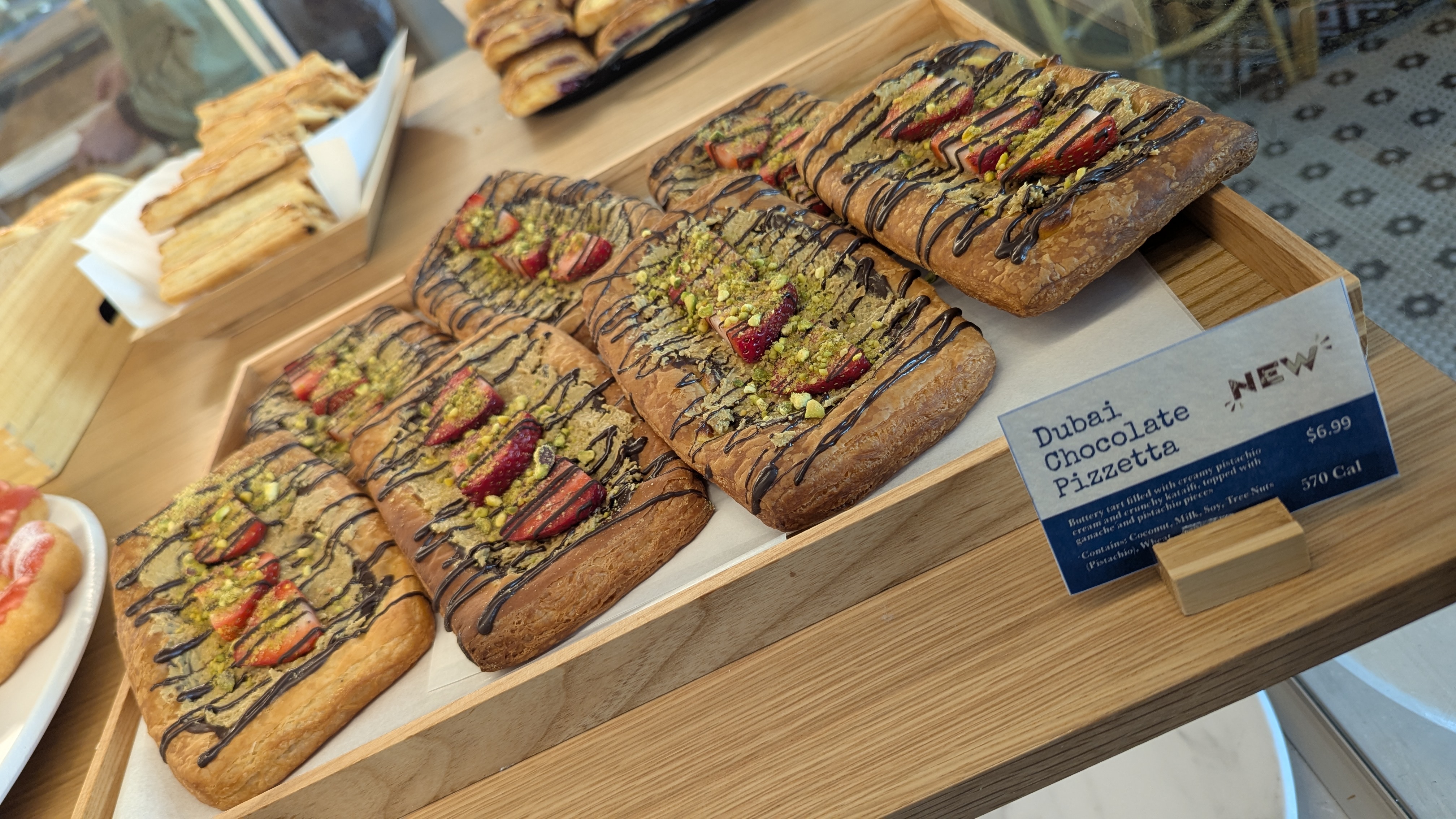
Image Credits: Sikander from Wikimedia Commons
Let us slide into your dms 🥰
Get notified of top trending articles like this one every week! (we won't spam you)The Fantasization of Dubai
For years, Dubai has been romanticized due to its luxurious setting/citizens, futuristic architecture, and exotic desert.
This has shown a surge in the population of Dubai and has developed the city into an exotic vacation destination. The city is portrayed as a glamorous destination for couples due to its exciting traditional dessert romance.
However, this romanticization is curated through itineraries and social media posts, focusing on aesthetics and once-in-a-lifetime experiences. Furthermore, this romanticization and surge in population have further revealed the dark realities of the so-called “glamorous” city.
The hidden secrets behind Dubai and its realities have been masked by the glitz and glamour of the luxurious city, and as of the past year, so has Dubai Chocolate.
One of the major human rights violations that the UAE has masked is its thriving human trafficking market of African women. Many of these African women have been trafficked under the guise of opportunity, controlled with threats and violence, as they are kept within the nation through sexual slavery.
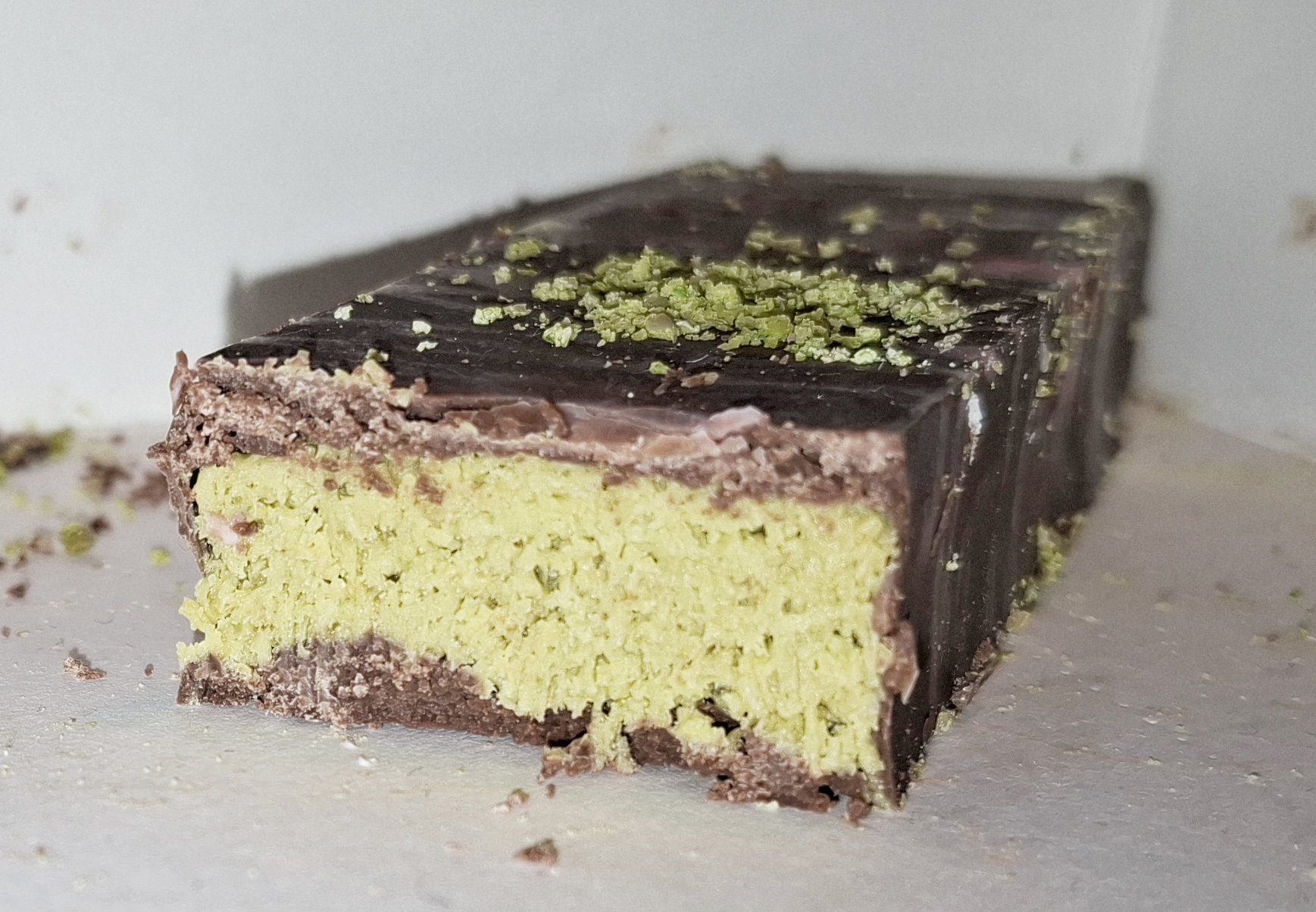
Image Credits: WiseWoman from Wikimedia Commons
Take the Quiz: What Type of Notes Should I Take?
Discover the best note-taking method for your learning style!
Female Leader of International Trafficking Ring in Dubai
On a glamorous boat along the waters of Dubai, a Nigerian woman with gold jewelry and a white dress gathered with a group of individuals for her birthday celebration. Several months later, Christy Gold, also known as Christiana Jacob Uadiale, fled Nigeria due to violations of [censored] trafficking.
She was further accused of being a main perpetrator in a [censored] trafficking ring of African women who forced them into clubs, backstreets, bars, hotels, and brothels through prostitution.
According to several officials, it was reported that the women who didn’t make enough money through the [censored] work were then starved by Gold’s brother, who shoved chilli powder up their vaginal area. She threatened the women, stating that she would dump their bodies, but later denied the accusations in court, stating that she was only making attempts to help the women find housing.
The Nigerian government and the activists stated that the UAE has done little to assist with instances such as Gold’s, as the nation has become a major ground for human trafficking. An investigation by Reuters and the International Consortium of Investigative Journalists found that Dubai had become a major trafficking market, specifically for African women who were exploited.
Many of the women stated that they were tricked into coming to Dubai out of dreams for legal work, but were later forced into [censored] work, where they were forced to repay fake debts and forced to obey.
Although in Islamic law, sexual assault is prohibited, sexual slavery is an open secret within Dubai, an Islamic-populated city. [censored] trafficking is disguised by women’s parlours and forces women to work in dangerous conditions.
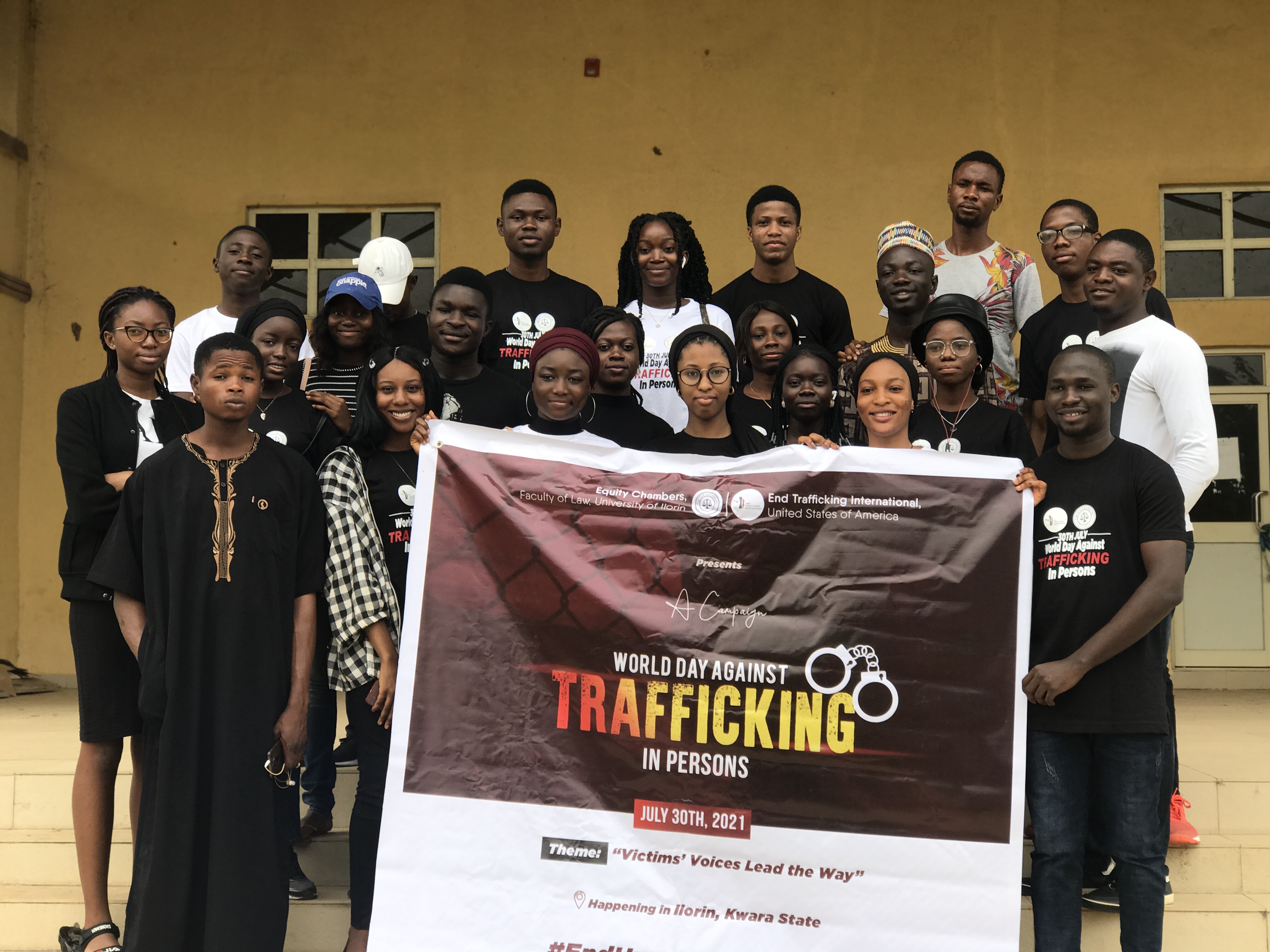
Image Credits: ETI2021 from Wikimedia Commons
Boss of Degrading [censored] Trafficking Ring in Dubai
Further reports through the BBC have presented more insights regarding what [censored] slavery and trafficking look like within Dubai. The investigation presented Charles Mwesigwa’s [censored] trafficking ring, a man from Uganda, in Dubai, who claimed to be a former bus driver in London.
Mwesigwa boasted about how he offered “[censored] parties’ for $1000, claiming that the girls who were lured into his ring would do “everything clients want”. The women were lured through false promises of opportunity–a common manipulation presented by the Gold’s ring.
Furthermore, they were deceived and forced into violence and protest. Some men even paid large sums to feed their degrading fetishes involving African women due to racial hierarchies.
Several victims were forced to pay debt bondage due to the immense costs for visas and housing. Additionally, Mwesigwa used force and violence as a form of manipulation, and two of the women involved also died after falling from a high-rise apartment.
Although the police ruled the deaths as suicides, the women’s families suspect foul play. Mwesigwa was later traced to the Jemwirah Cillage Circle, where he had run a network of roughly 25 women, which was described as his “business”.
This investigation presents the major issues of exploitation and [censored] trafficking across the UAE, where vulnerable African women seeking work are instead abused and hidden in thriving [censored] trafficking industries.
Although Dubai officials and Mwesigwa deny the accusations, activists warn against further cases such as these and the rising numbers of exploited women under the guise of idolized media regarding Dubai, such as Dubai Chocolate.
Chocolate Disguises the Bitter Secrets of the UAE
It’s ironic to see how [censored] trafficking of African women took years to be recognized by reporters, but Dubai chocolate took less than a few months to become a social media sensation. It can be theorized that the popularization of Dubai Chocolate was propagandistic and meant to further the glamourization of Dubai.
Furthermore, it can also be suggested that this popularization was meticulous in attempts to disguise the dark realities of Dubai. The intentions of individuals who created and held the rings likely chose Dubai as a target city because of its large population and romanticization by foreigners, making it easier for ring leaders to lure in women.
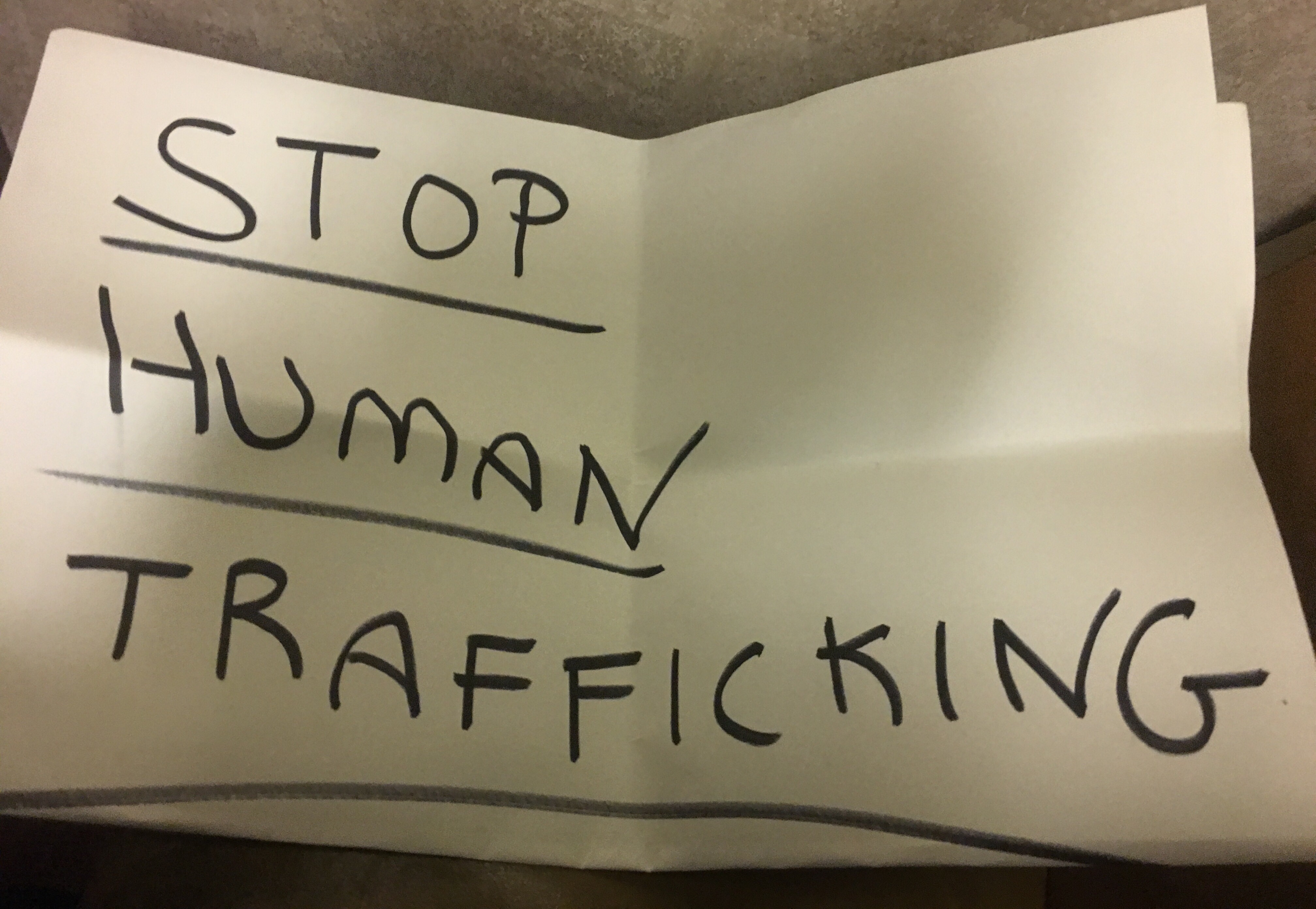
Image Credits: Blumenthal from Wikimedia Commons
African women were most likely targeted the most to feed the delusions and fetishes that are populated throughout the UAE. [censored] trafficking is a form of human rights violation because of its forced sexual labour.
The women within the ring were dehumanized, and their needs were neglected to fulfill the fantasies that they were forced to fulfill for the men paying men. The ring leaders used threats to control the victims, denying them their right to freedom of movement and ability to escape. The victims are isolated from family and support networks to increase their dependency on the trafficker.
This psychological manipulation conditions the victims of fear, furthering their dependence and degrading potential thoughts of escaping.
The rise of the Dubai Chocolate phenomenon reflected beyond the global sweet tooth; it exposed how social media trends can be weaponized to distract from uncomfortable truths. Dubai has mastered a curated perception of perfection through the glamorous golden sunsets, luxury cars, and now, delicious chocolate videos that flood the algorithm with a sense of opulence.
However, this beauty functions as a camouflage, connecting the suffering of trafficked women under layers of aesthetically pleasing appeals and consumerism. The timing of the virality of Dubai Chocolate and the growing awareness of Dubai’s human rights violations raises questions regarding whether such trends are organic or deliberately engineered to shift public forums.
As brands and influencers continue to idolize Dubai’s luxury, the city’s darker truths remain buried beneath filters and hashtags. This eventually leaves the world to indulge in sweetness while ignoring the bitter truth beneath it.


.jpg)


.jpg)