





The colors individuals wear on a daily basis influence various aspects of daily functioning. It influences our mood, emotions, and overall well-being. Dopamine dressing refers to the intentional use of color in fashion to elevate mood and influence emotional well-being.
Hallie Abrams: The Waedrobe Consultant says, “What is it exactly? Well, in a nutshell, it’s dressing for joy. Wearing clothes that boost the happy hormone, aka, dopamine.” 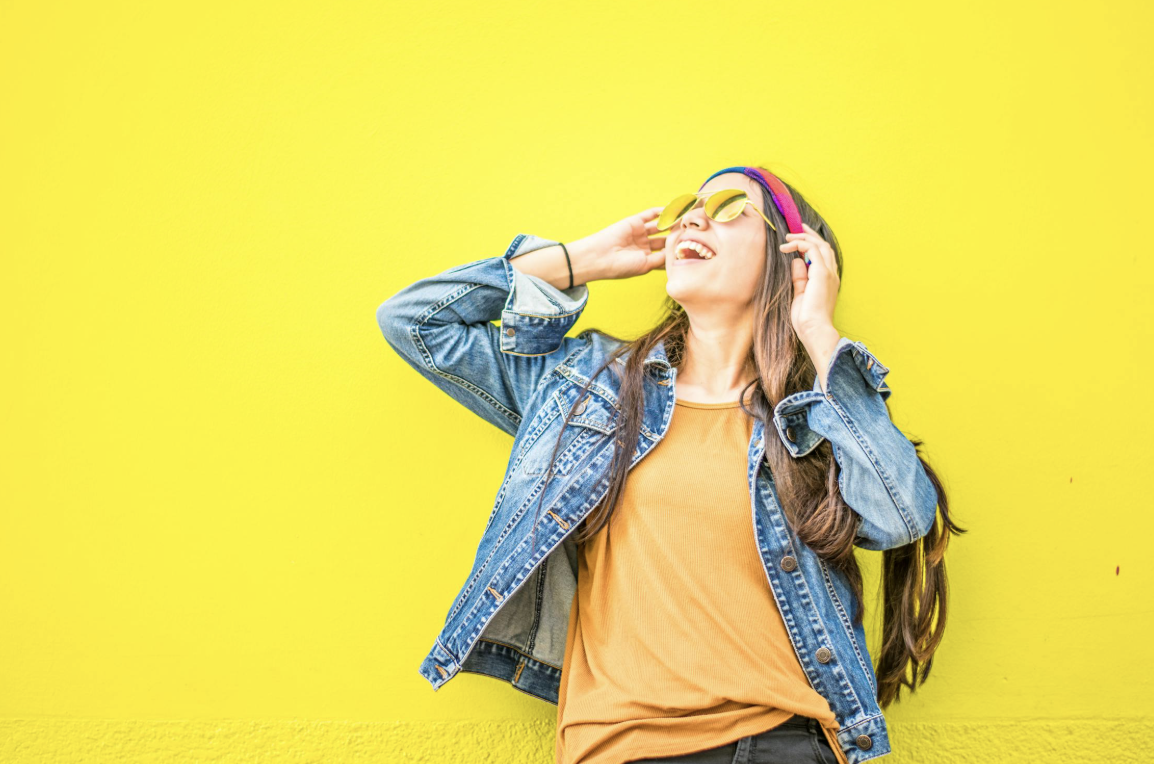
Image Credit: juan mendez from Pexels
Let us slide into your dms 🥰
Get notified of top trending articles like this one every week! (we won't spam you)The Psychology behind Colors and Emotions
The article Color Psychology: Does It Affect How You Feel? states, “Certain colors have been associated with physiological changes, including increased blood pressure, increased metabolism, and eyestrain.”
Warm hues such as red, orange, and yellow tend to elicit comparable emotional and physiologicalological responses.. Red is often associated with passion and energy, but can also be linked with anger and danger. Orange is commonly associated with warmth, serenity, and trust. Yellow promotes happiness, can stimulate the mind, and increases alertness.
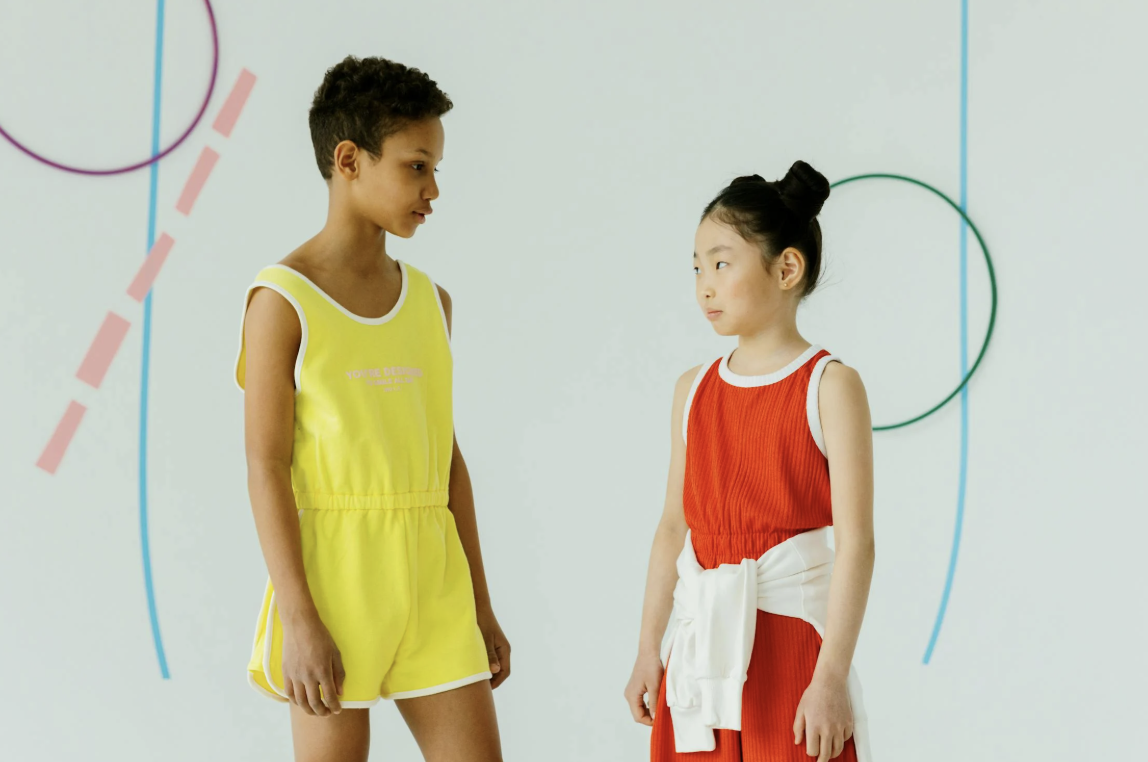
Image Credit: cottonbro studio from Pexels
However, cool colors (blue, green, and purple) are associated with a different sense. Blue is often linked with calmness, peace, and intelligence. Green represents balance, nature, and growth. Purple shows creativity, luxury, and royalty, but it can also be linked to sadness or indifference.
Other colors like black, white, and gray are different. Black evokes elegance and mystery. White shows purity, innocence, and cleanliness. Gray can cause sadness and boredom, or show formality.

Take the Quiz: Which Outfit Material Best Matches Your Style?
Curious about which fabric suits your fashion vibe? Take this quiz to discover which material is the right one for you!
How Colors Affect Your Mood
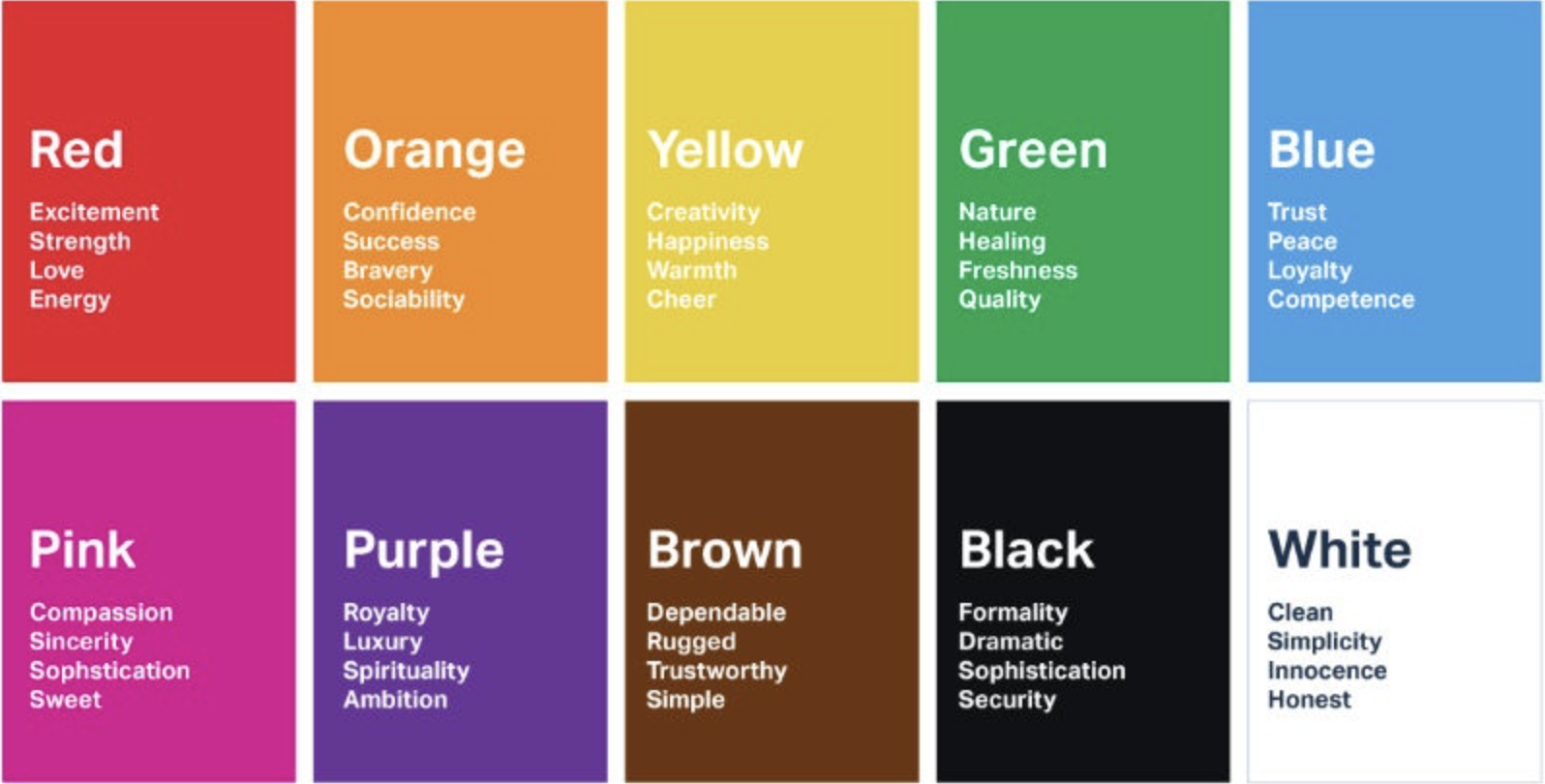
This chart provided by London Image Institute shows the meaning behind the basic colors.
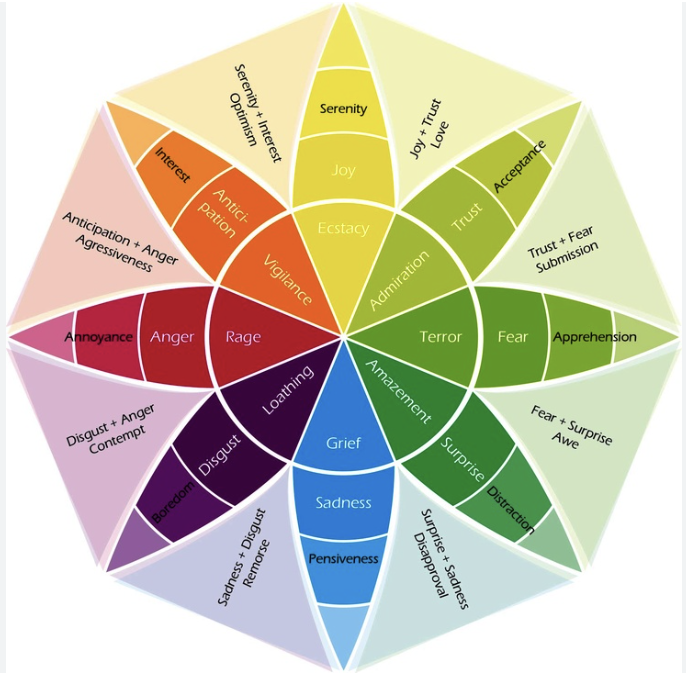
The chart below demonstrates Robert Plutchik’s theory. This consists of 8 basic emotions: fear, surprise, sadness, joy, trust, anger, disgust, and anticipation. The wheel of emotions he creates shows the various relationships between the emotions.
An experiment conducted by Ravi Mehta and Rui Juliet Zhu was made to explore the effects of color on cognitive task performances. The study showed that using the colors blue or green lead to better performances than colors like red and orange. They performed this experiment 6 times to get the best results. Overall, they learned that red enhances performance in detail-oriented tasks, whereas blue enhances performance in more creative tasks.
Image Credit: Vie Studio from Pexels
Using this information, you can now wisely select your next outfit and reflect on how you feel! Whether you want to have a more diversified closet or are seeking to deepen your understanding of the science behind your wardrobe, it is important to know how different colors can reflect different emotions. You can strategically utilize this insight by using certain colors to evoke certain feelings.