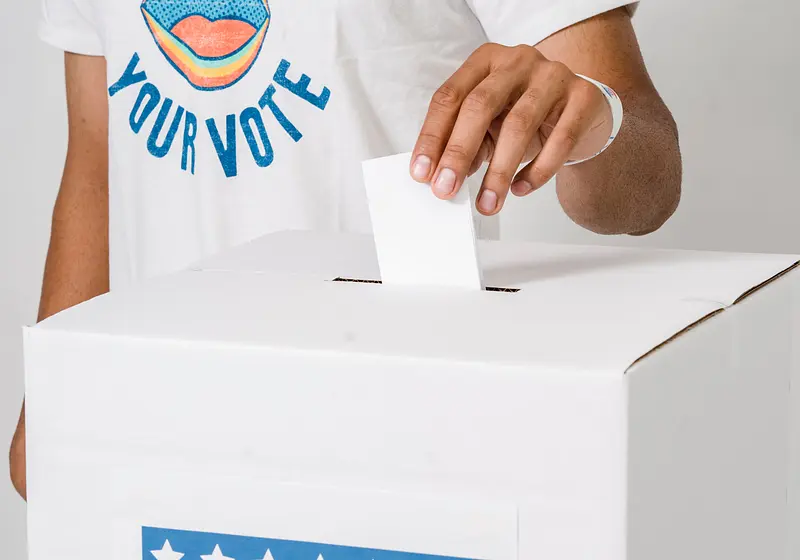



In cities like San Francisco, the voting age has been an issue at the forefront of youth activism: If sixteen-year-olds are allowed to drive a car, why can’t they vote? In this article, I will explore the factors, arguments, and implications surrounding the push to lower the voting age.
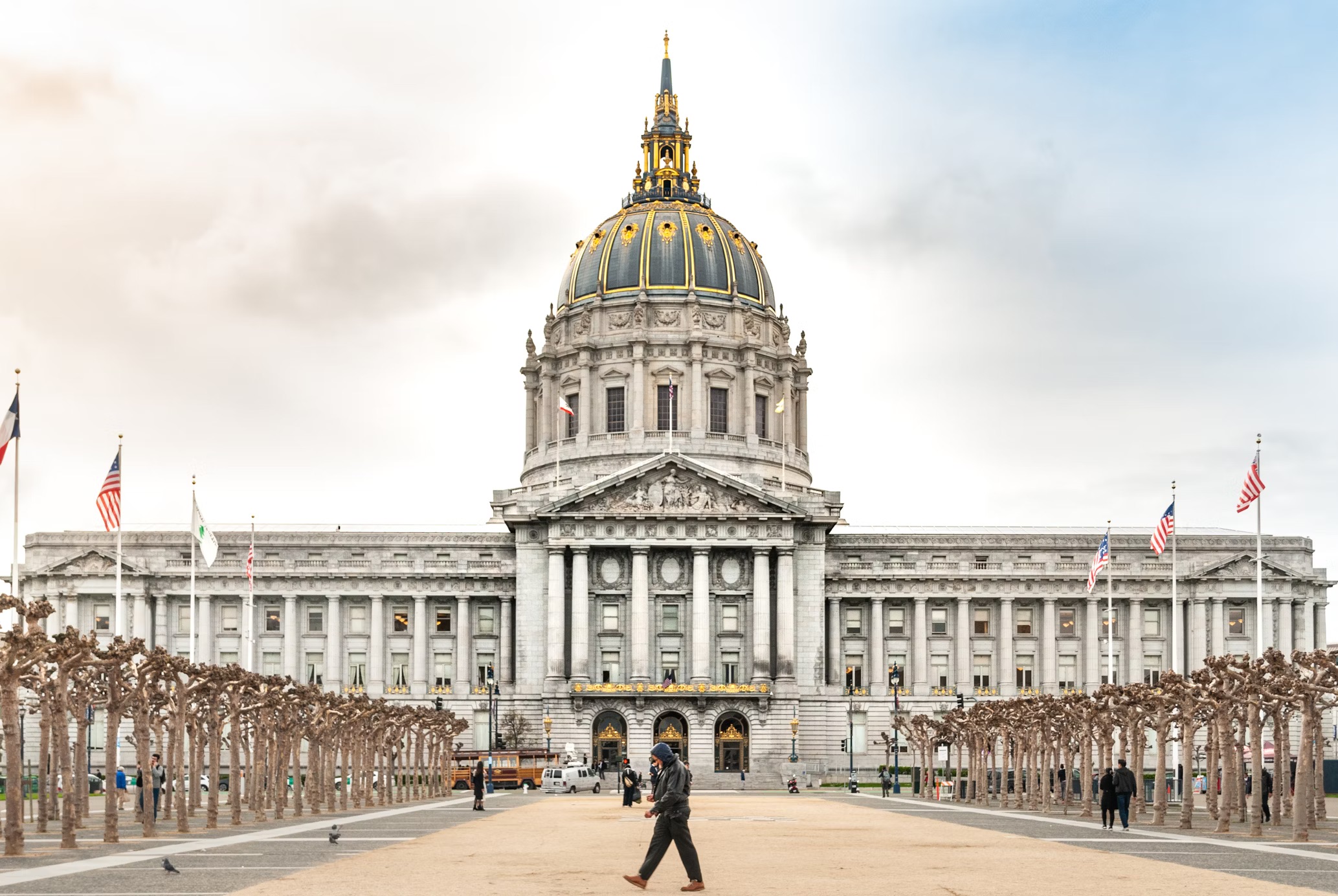
Image Credit: David Vives from Unsplash
Let us slide into your dms 🥰
Get notified of top trending articles like this one every week! (we won't spam you)Fostering Civic Engagement
One of the most compelling arguments for lowering the voting age is the incentive it provides for deeper civics education in American schools. In an epoch of polarization and misinformation, having informed citizens is key to upholding democracy. According to a 2024 study, 83% of Americans are worried about the state of democracy.
Across the United States, civics education has been uneven: Only nine states and the District of Columbia require a full year of U.S. government or civics, while 11 states have no civics requirement.

Image Credit: Anthony Da Cruz from Unsplash
“Lowering the voting age to sixteen gets people involved in civics earlier,” says Finn Smit, a rising senior at San Francisco University High School, who leads her Current Events club and is politically involved outside of school. “It’s kind of shocking to me how little people know about civics.”
Finn estimates she spends around ten hours a week just leafing through the news. She’s preregistered to vote—an option available to sixteen and seventeen-year-olds in California that ensures automatic registration when they turn eighteen. However, despite her civic participation, she admits, “I don’t think that my school has prepared me at all. They’re not setting people up for success in terms of knowing that.”
A 2023 Harvard poll of young Americans reinforces this concern: Over half of respondents remarked that their high school didn’t fully equip them with knowledge on the voting process.
When it seems as though political discourse has faded, civics education equips young people with important skills related to what it means to be a citizen and encourages real conversation on crucial issues that affect them.


Take the Quiz: Religion, Schools, and Equality
Religion in Schools: Teaching Respect, Not Bias.
Youth Are Leaders on Issues
“By the time you’re sixteen, you have some pretty formed opinions,” Finn argues.
Many, like her, claim that youth are already drivers of change—on issues ranging from gun safety to immigration to political partisanship. For Finn, her number one issue is climate change. “It feels very pressing for me, and I think it is quite pressing for other people,” she remarks.
Allowing sixteen-year-olds to vote provides them a formal outlet from which to express their views, translating opinions into action that can have a tangible impact on society.
The Age Cutoff is Arbitrary
The line between who is eligible to vote and who is not may not be as clear-cut as it seems. “What makes a sixteen-year-old versus an eighteen-year-old not responsible enough to vote seems kind of arbitrary,” argues Finn. “It’s not like we test mental acuity—we’re not telling nine-year-olds with dementia, for example, that they can’t vote.” She raises an important question: How is eligibility for voting measured?
It’s also important to remember that voting requires initiative. “Since it’s not mandatory voting, you still have to actively seek out voting,” Finn says.
However, for many people, their opinion towards lowering the voting age depends on the type of elections involved. Some, like Finn, believe that sixteen-year-olds should be able to vote in elections across the board. Others argue that it makes more sense for them to only be able to vote in smaller-scale, local elections.
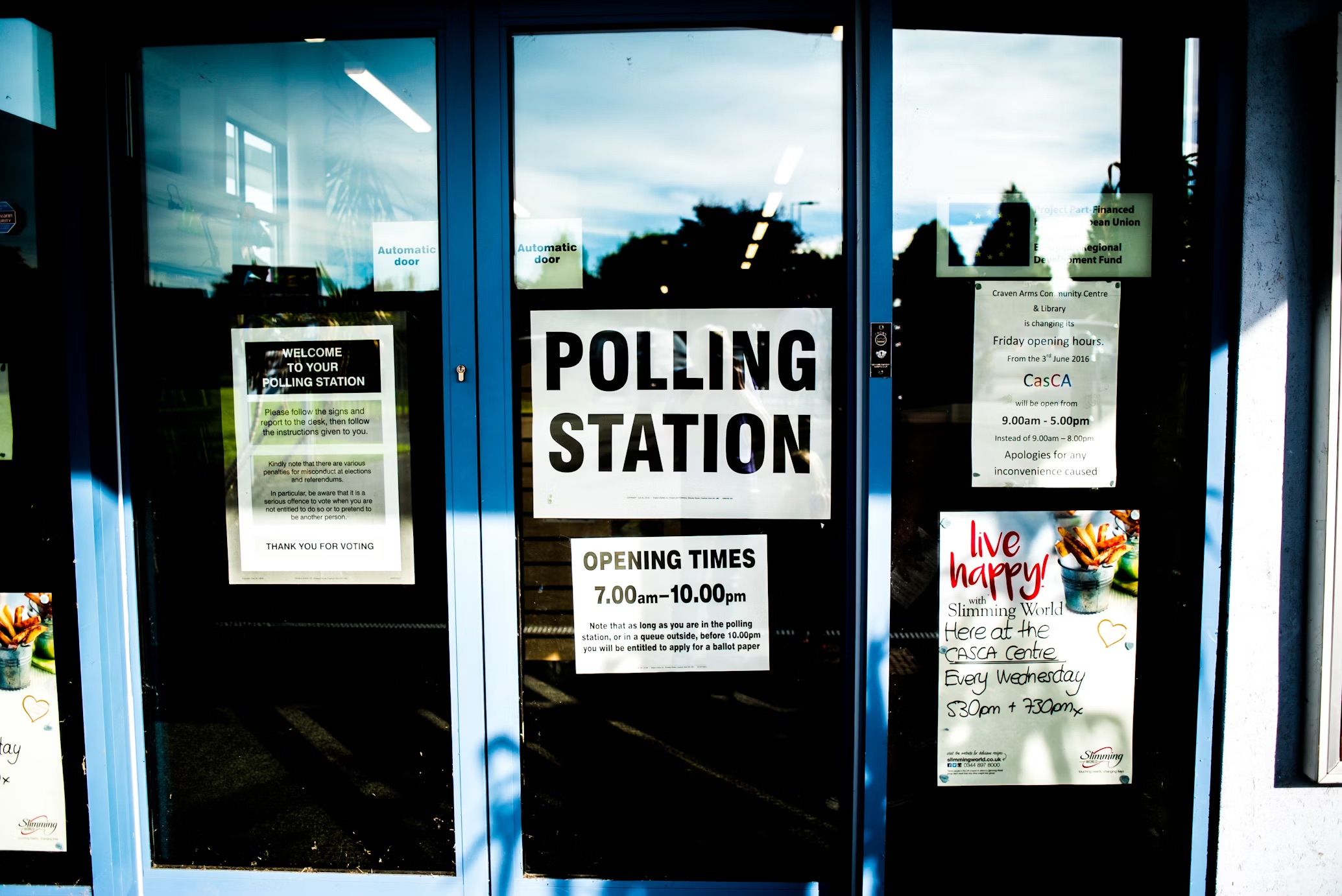
Image Credit: Elliott Stallion from Unsplash
A Glimpse at Voting Around the Bay Area
Some cities have already taken a step beyond simply allowing sixteen and seventeen-year-olds to pre-register. In Berkeley and Oakland, sixteen-year-olds can vote in school board elections, which assist in determining the policies local districts implement. These measures passed with an overwhelming majority in both cities: a ⅔ majority in Oakland and 70% in Berkeley.
In response to these propositions, Finn remarked, “That’s a great idea. The more people that can vote earlier, the more civically engaged they end up being in their lives.”
San Francisco’s Youth Commission—a body of seventeen youth from across the city who advise the Mayor and Board of Supervisors on issues pertaining to youth—has continually pushed to lower the voting age. Despite their efforts, however, they have failed to gain traction.
Across the United States, only five small municipalities in Maryland (with a combined total population of all ages of only around 80,000) allow youth to vote. The potential youth vote in Berkeley and Oakland combined is greater than all the Maryland municipalities combined.
Conclusion
The debate over whether sixteen-year-olds should be allowed to vote is at the heart of American democracy. Lowering the voting age is the first step in a larger process of fostering informed citizenry with the ability to think critically about the challenges of today and tomorrow.