


By any chance, do you remember this little old thing called Covid-19? Yeah, that deadly pandemic that blew up everyone's plans for 2020, had the girls fighting over toilet paper and racked up a terrifying kill count of 7 million lives.
Well, even though the whole world was falling apart during the dawn of a new decade, one thing stayed the same: profit and entertainment. While streaming services and media platforms, like TikTok and Netflix, experienced the few advantages of having students stuck at home, pretty much every other part of the entertainment industry was crippled by the pandemic.
Just by looking at a couple of projects, we can look at the film industry’s long-term and short-term creative and economic injuries with this same expression:
The pandemic cost Hollywood billions, leaving many of its residents in an employment crisis and ruining the movie experience for audiences everywhere. Now let me explain why, for those of you who were busy learning to do the renegade...
Let us slide into your dms 🥰
Get notified of top trending articles like this one every week! (we won't spam you)Nothing's Scarier Than Overruns
As we all know, every time a movie is made, the production company sets aside a couple of dollars that are used to pay for all the fancy things like special effects, costumes, equipment, people's salaries and so on. But what happens when, during production, a movie suddenly needs to take out way more than the couple of dimes they were given? Well, my friend, that's called an overrun. And Covid-19 was full of them.
Highly anticipated projects, such as James Cameron’s Avatar sequel and season 6 of Peaky Blinders, were suspended due to the pandemic’s health risks. And with pandemic-related overruns estimated at 10–20% per film, you can already imagine the migraines that were hitting. I mean, just by estimating the overrun cost of Avatar: The Way of Water, it’s likely that the $350–460 million budget would suggest an additional $30–70 million in production.
According to Vanity Fair’s 2020: A Box Office Bust, practically no one escaped from the pandemic unscathed. The global box office revenue plummeted from $42.5 billion in 2019 to $11.5 billion in 2020, marking a decrease of over 70%. The domestic (U.S) box office revenue dropped by approximately 80%, from $11.4 billion in 2019 to $2.3 billion in 2020. Heck, movie ticket sales dropped to figures that haven't been touched in 40 years. And this loss shocks no one when you look at how the major studios took this blow.
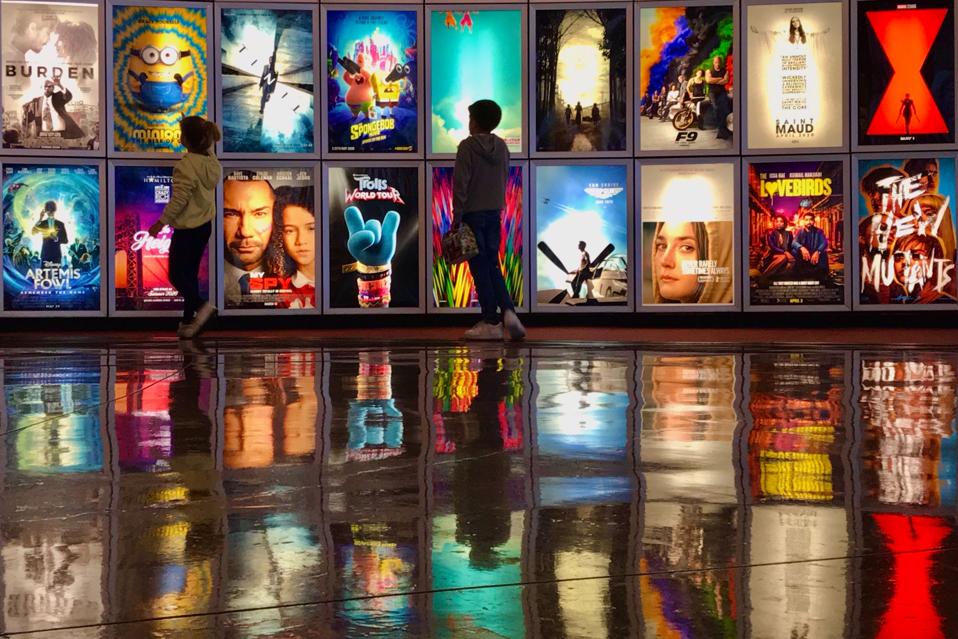
Image Credit: Jay L. Clendenin from Los Angeles Times
Take Warner Bros., for example. Due to production shutdowns, theatre closures and shifts to streaming services, The New York Times and The Wall Street Journal reported that WarnerMedia (owners of Warner Bros. Studios) lost an estimated $1.2 billion in 2020 across film and TV production.
Film projects, like Christopher Nolan's Tenet, had expected global earnings of around $800 million, but they only made about $363 million worldwide, leading to hundreds of millions in lost potential revenue. And let's not even look at the bill that the shift to HBO Max cost. Warner Bros. lost hundreds of millions of dollars in box office revenue compared to a traditional theatre-only release.
Not even the iconic House of Mouse was safe. Long story short, poor old Walt wasn't resting in peace when Disney's movie productions and other entertainment operations estimated a $7 billion loss from its parks, experiences, and products division alone in 2020.

Take the Quiz: Which Studio Ghibli Character Are You?
Are you a brave warrior, a free-spirited dreamer, or a gentle guardian?
The Unemployment Issue
The pandemic didn't just affect the way our favourite movies were produced and released but also how we regularly viewed series and accessible television. Already struggling in the battle against streaming platforms, traditional broadcasting/cable TV suffered a massive blow when platforms like Netflix, Hulu and Amazon Prime exploded.
And while many industries were quick to move towards streaming, many had forgotten about the terms and conditions that regular broadcasting had dictated for the contracts of other writers and entertainers for decades. With longer working periods and fewer episodes being made per season, writers found themselves overworked and underpaid. Writers’ rooms were being sized down and moved to Zoom, studios were cutting costs wherever they could, and residual payments were becoming more and more contentious.
These economic pressures meant that many projects were shelved, and much time and effort were wasted. By 2023, when the strikes began, a large percentage of writers were reported to be living pay cheque to pay cheque.

Image Credit: Colleen Hayes from NBC
I mean, think about it...
You're a writer in Hollywood who depends on the production of major film projects to pay your bills and cover all your expenses. Already spending hours upon hours looking over scripts that may or may not be chosen to be adapted, you now must adjust to the demands of streaming during COVID. Instead of working with film schedules that allowed you to take on more projects, you now have to work out your fingers more while doing less.
But that's okay. You're doing more work, so you should be getting paid more, right? Wrong.
Now working with streaming services, you find that the contracts pay less residual income, especially compared to traditional TV. And as a writer, you know how important that income is, seeing as how residuals are compensation paid for the reuse of a credited writer's work.
The minute COVID-19 began its rampage throughout 2020, writers saw sudden job loss and salary cuts strike their lives by the spear. Even as the very studios and CEOs who undermined them noted record profits, their place within the industry became shakier and shakier. This instability was reflected in every unemployed screenwriter, each underpaid writer, and then later, all of the protesters marching on behalf of the Writers Guild of America.
Fear of Creative Risks
You get a sequel! You get a remake! You get a prequel! YOU ALL GET AN UNNECESSARY ADDITIONAL ADAPTATION!!!

Image Credit: Coral Platt from The Cardinal Times
It doesn't take a genius to realise the rise in movie/TV adaptations that have taken over screens across the world. It's almost as if every popular film or series came back to help save studios that have been struggling over the last 5 years since the pandemic. Many have noted how tired they are of the 2 million reboots that never seem to come close to the original but promise to do right by the sense of nostalgia being profited off of.
Thanks to the aforementioned financial losses, many studios struggled to invest the same amount of trust and take the artistic risks they once did with a fresh, new idea. I mean, it's one thing to throw millions of dollars at a couple of screenwriters when you know you have 100 million in your back pocket in case things don't go well, but when you're throwing millions and only making millions, the chances become more severe.
That said, producers and investors need something that will secure their place when they're starting to lose the race. And that security is nostalgia.
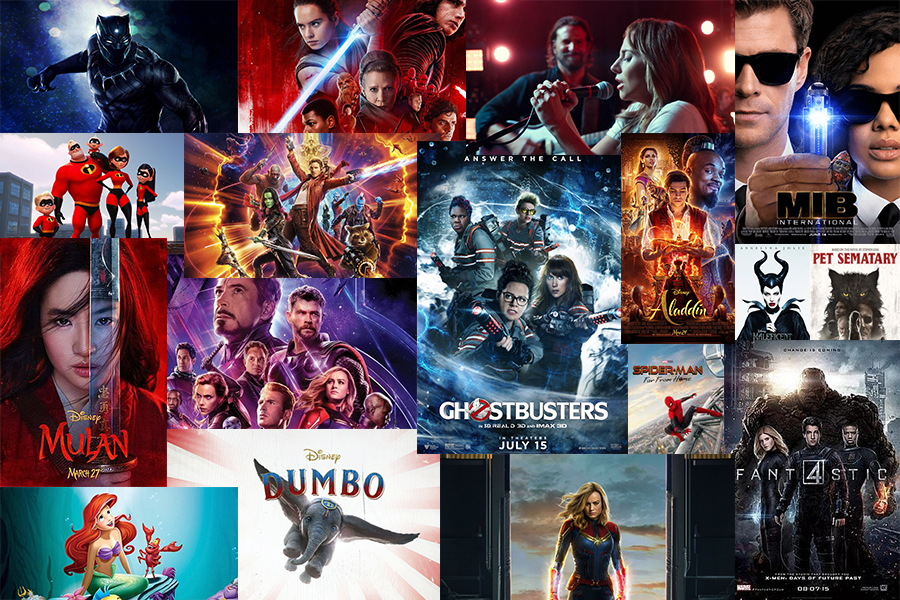
Image Credit: Andrea Sun from The Stanford Daily
Pitching a brand-new idea to a bunch of strangers is tough. Every marketing team can tell you that.
You’re communicating an artistic narrative to a general population by only telling pieces of the full story, finding your target audience from all walks of life, advertising and trying to build hype around release dates… However, half of that process gets cut in half when you tell the world you're remaking Cinderella for the 100th time. Already, you've identified and connected with a young target audience, marketed your movie as family-friendly, appealed to the nostalgia of thousands, young and old, and given viewers a sense of comfort just by the title’s association.
So, would it be great to have a brand-new movie that introduces us to new perspectives and characters, as well as fictional worlds? Yes, definitely. And are there young creatives out there with new stories to tell?
Absolutely. But are investors ready and wanting to choose a new player over a reliable one? Not really. Thankfully, as time goes by, we are beginning to see some new names emerge within theatres.
With the success of films like Sinners, Kpop Demon Hunters and The Wild Robot, it’s clear that originality isn’t dead, so you can still feel safe planning movie dates and watching spectacular works that will stand out for their fresh and delightful stories.