



.jpg)
If you've ever been paid for babysitting, mowing lawns, or a summer job, someone has likely said: "Do you have a bank account?" It's quite the simple question, but behind it are two types of accounts—checking and savings, that serve completely different purposes. And if you're a teenager trying to figure out how to manage your money, understanding how both work is a tiny but significant part of building a great and strong financial foundation.
Let's see and understand what both checking and savings accounts are, how they're different, and why both are really better than either one.

Image Credit: Nick Sarvari from Unsplash
Let us slide into your dms 🥰
Get notified of top trending articles like this one every week! (we won't spam you)What Is a Checking Account?
A checking account is your money headquarters. It's where money comes in and goes out. When you get a paycheck, the money usually lands here.
When you swipe your debit card for lunch or coffee, the money is pulled from here. It's meant to be used often—paying bills, buying things, moving money around, and even setting up direct deposit if you have a job.
Most checking accounts also come with a debit card, online banking, and mobile apps so you can easily monitor your spending. You don't earn much (or any) interest on a checking account, but that's not the point. The point is convenience.
It's like your wallet, but digital and a lot safer.


Take the Quiz: What Type of Music Should You Listen to While Studying?
Not sure what music would help you focus best while studying? Then this is the quiz for you!
What Is a Savings Account?
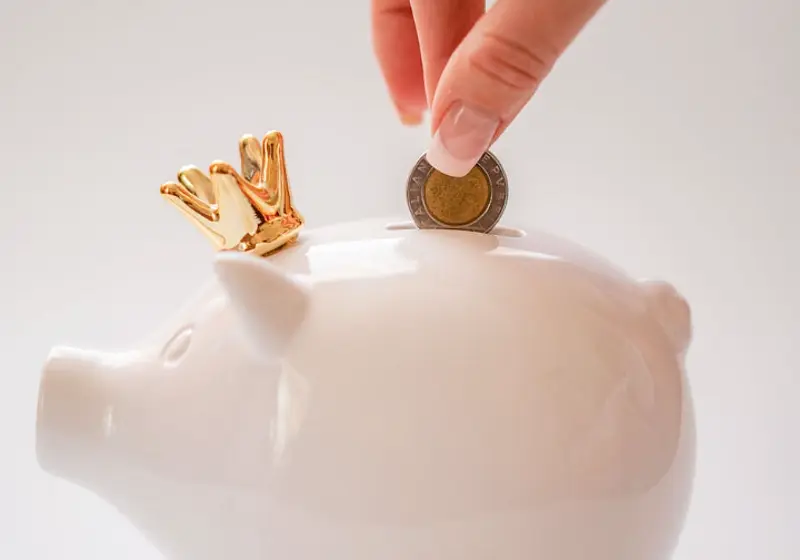
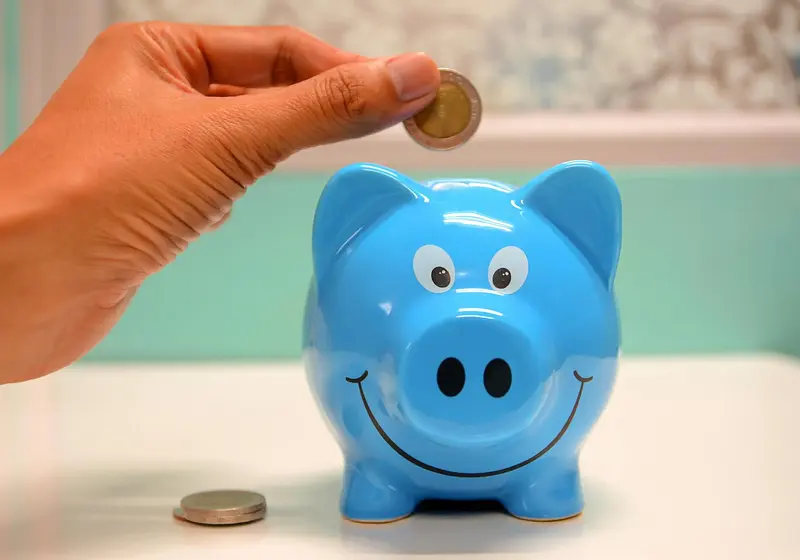
A savings account is the "safe place" for your money. It's where you deposit the money you don't need to spend right away. A savings account is designed to hold money for a while and usually earns interest, so really your balance grows a little bit each month just for being there.
You can't (or at least shouldn't) use it as a second checking account. Yes, you can transfer money in and out, but the savings accounts usually limit the number of times you can withdraw money in a month. That's a good thing, really, it'll stop you from spending the money unless you really have to.
If checking is for now, savings is for later.
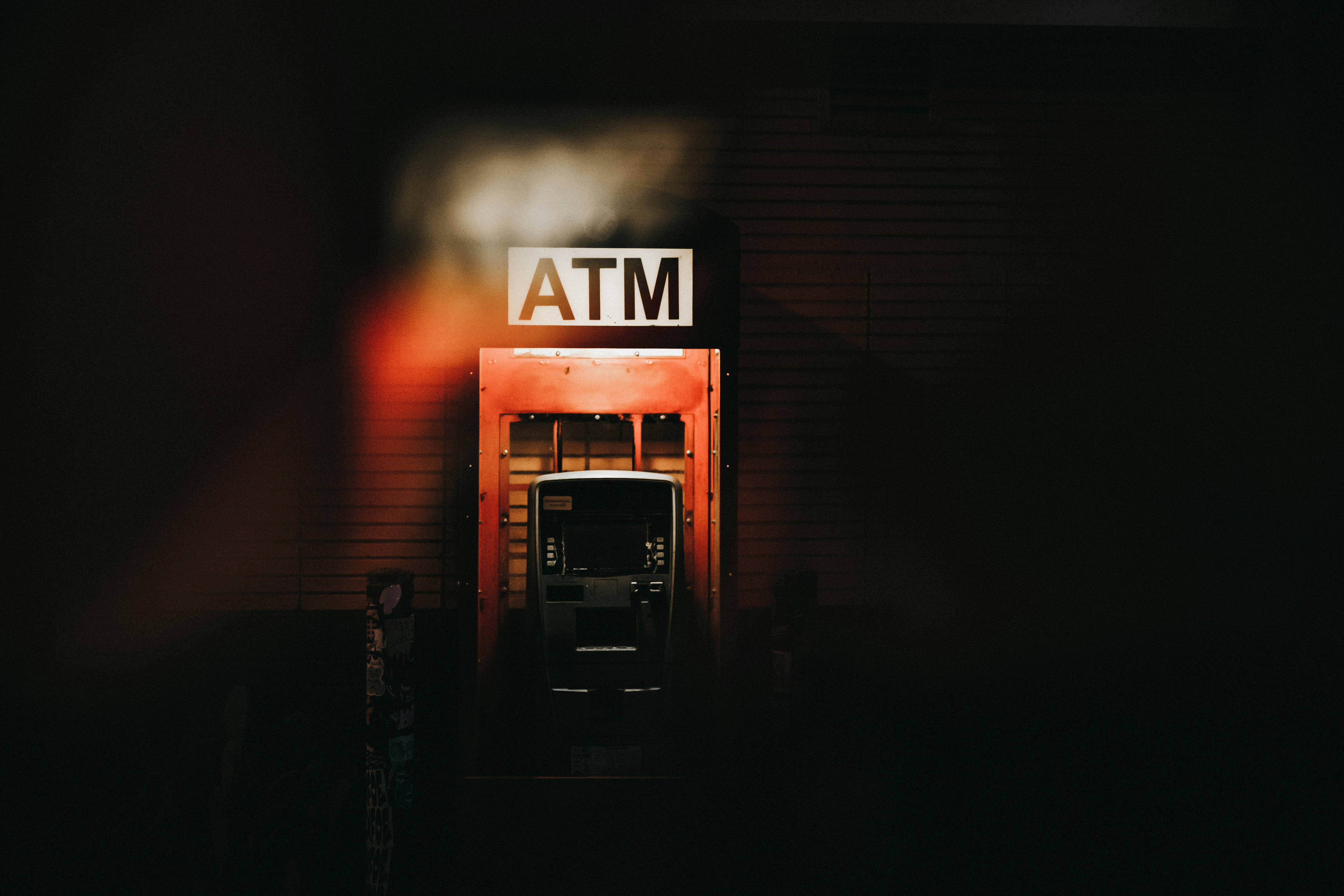
Image Credit: Jake Allen from Unsplash
Why Not Just Use One?
Here’s the truth: Using just a checking account makes it too easy to spend everything. And using only a savings account makes it way too hard to pay for stuff day-to-day.
By using both, you’re giving your money a system:
- Your checking account handles your daily money movement.
- Your savings account holds money you’re setting aside for future goals, whether that’s a car, college, or even just emergency cash.
It's kind of like having two drawers: one for what you use all the time, and one for what you don't want to lose.
Real Life Example: How It Works Together
Let's say you make $500 a month from part-time work and tutoring.
Here's how you might split it:
- $350 into checking for everyday spending (food, clothing, apps, gifts)
- $150 into savings for the long-term things (a new laptop, travel someday, or just a rainy-day fund)
By keeping that $150 aside, you're a lot less likely to touch it. You won't use it on that $7 smoothie accidentally or on that sketchy TikTok ad that's too good to be true.
And when the emergency comes along, your phone breaks, or you have to fork out for surprise school fees—you'll be grateful you saved.
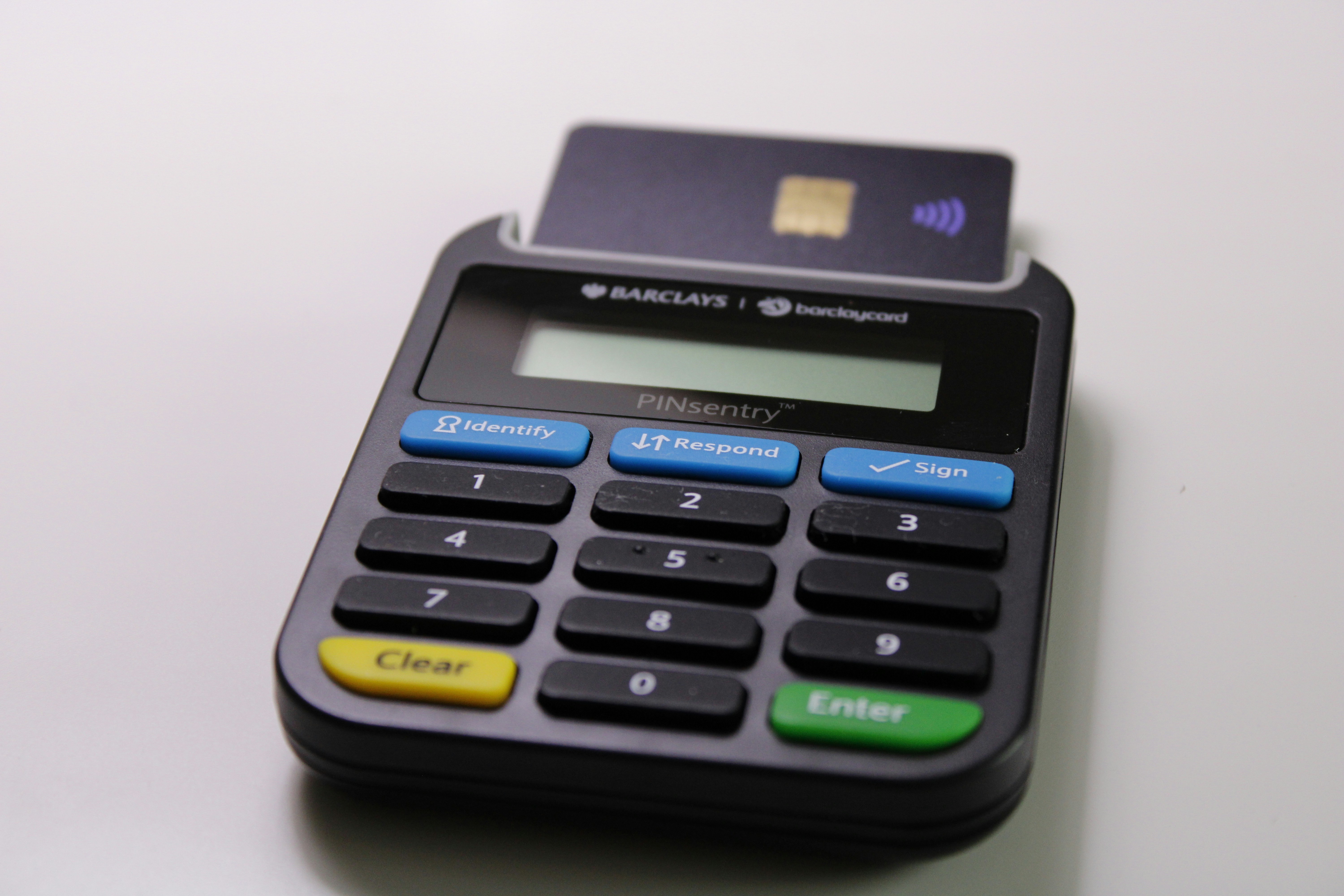
Image Credit: Hellooodesign from Unsplash
Benefits of Having Both
1. Builds Financial Discipline: When you hold a savings account, you start getting used to not spending all the money that you earn. It trains you to save automatically without considering it every time.
2. Makes Budgeting Easier: With two accounts, you start to classify your money. You'll know what you can spend and what you cannot. It is like you're placing sticky notes on your money: "for spending" and "for saving."
3. Prepares You for Larger Financial Steps: As you get older, you'll likely add more accounts, investment accounts, retirement accounts, or credit cards. Starting with checking and savings teaches you how to juggle several sources of funds sooner rather than later.
4. Builds a Banking Relationship: Having both accounts at the same bank can make you eligible for perks like lower fees, faster transfers, or even better loan rates in the future. And it makes online banking easier.
5. Safer Than Cash: Having all your money in cash (or only in one account) makes it much riskier, both to theft and to your impulse purchases. A savings account provides an added layer of security.
Tips for Teens Opening Their First Accounts
1. Begin With a Teen Checking Account: Most banks offer teenager-only accounts with zero monthly fees and lower minimum balances. They are usually joint accounts, so the name of a parent or guardian is on them too.
2. Open a Linked Savings Account at the Same Bank: Choose a bank that makes it easy to transfer funds back and forth between checking and savings, even from your phone.
3. Automate Your Saving: Some banks let you "round up" purchases and save the spare change. Others let you set up automatic transfers, like $25 a week—from checking to savings. Little amounts do add up.
4. Track Your Spending: Utilize your bank's mobile app to see where your money is being spent. You might be amazed at how much is going towards snacks or subscriptions.
5. Don't Just Save for Big Goals—Save for Surprises: Emergencies do things. Having even $100 or $200 saved up can spare you future stress.

Image Credit: Miquel Parera from Unsplash
Common Mistakes to Avoid
1. Keeping Too Much in Checking: Don't keep all your money in checking, or you may find yourself overspending without noticing. make sure to transfer your excess funds to savings on a regular basis.
2. Treating Savings Like Another Wallet: If you're constantly moving money from savings back to checking, it's defeating the purpose. Try to only move it for planned purposes or emergencies.
3. Not Looking at Interest Rates: Savings accounts earn interest, but some more than others. Look into high-yield savings accounts if your bank offers them. They grow your money faster.
4. Not Checking Your Balance: Don't swipe and pray. Knowing how much is in each account gives you control. You have a banking app for a reason.
So, Why Do You Need Both?
Because you're setting yourself up for long-term success.
Think of it like this: your checking account allows you to live today, getting the things you need, paying for school events, spending time with your friends. Your savings account allows you to protect your future, whether that's handling emergencies, achieving goals, or just knowing you're not broke.
You don't necessarily have to be "rich" to need both. You just have to be interested in taking care of what you have.
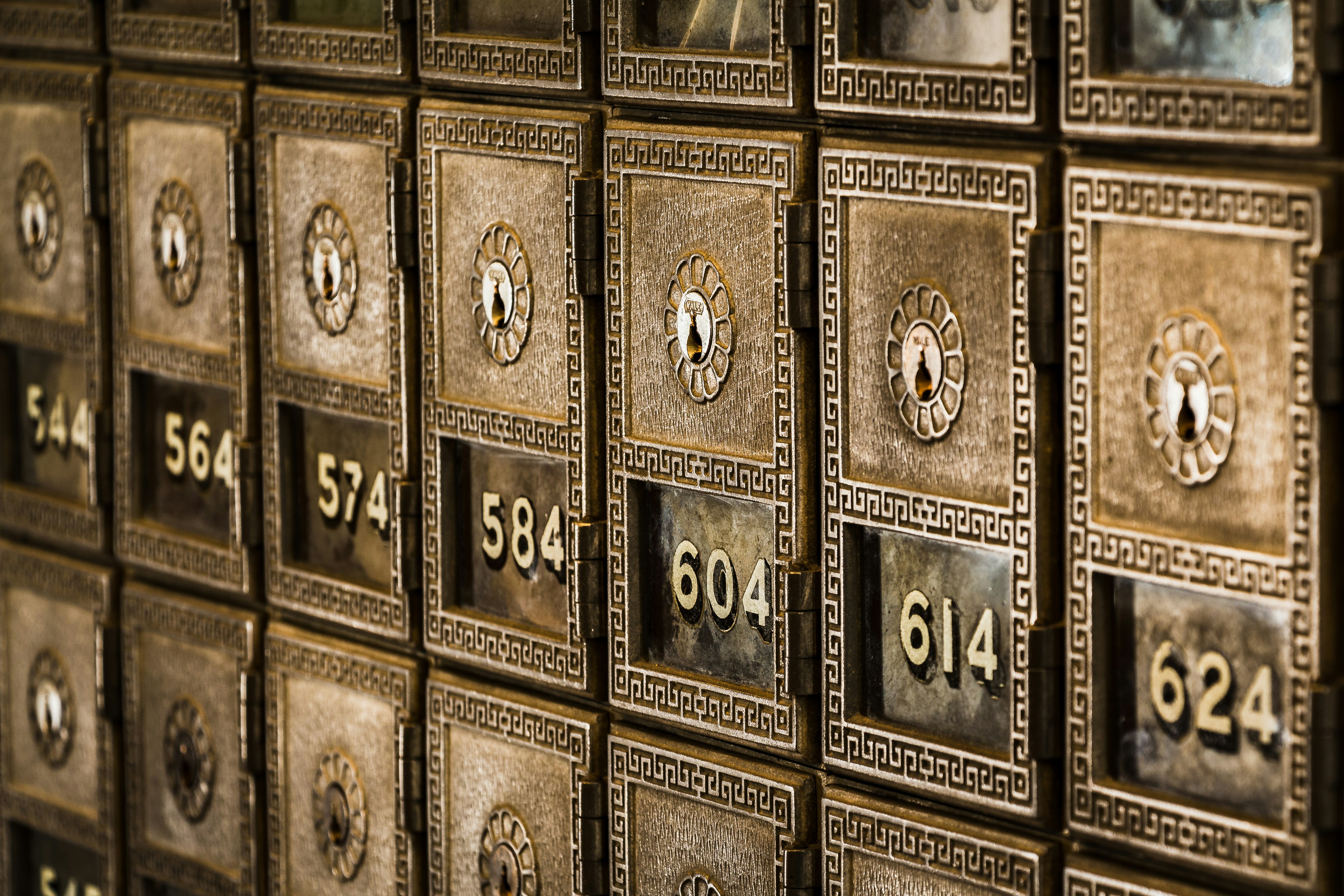
Image Credit: Tim Evans from Unsplash
Final Thoughts
A checking and savings account might not be a big deal to get at first, but it's a giant step towards financial freedom. It is less about storing money and more about controlling it.
You're planning ahead already by reading this, hats-off to you. Take the next step. If you haven't yet opened an account, start the process.
Talk to your parents or visit your local bank or credit union. Ask questions. Learn the terms. Set up your first deposit.
And when you do open both accounts, remember: the most power comes in how you use them together.
.jpg)

.jpeg)