


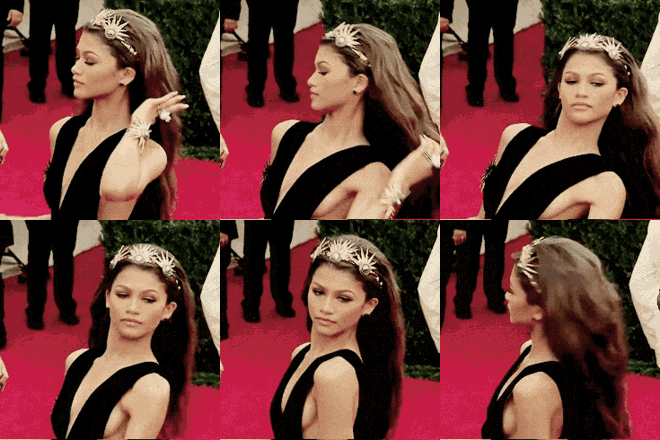


High fashion creates a sense of intimidation for most people when approaching its world. The combination of mysterious runway presentations and viral Met Gala outfits together with spell-like designer labels such as Maison Margiela makes you feel lost. Understanding fashion exists beyond the realm of stylists and models as well as luxury consumers. For teens who wonder about Prada versus Chanel, this article will break down high fashion in simple terms.
Let us slide into your dms 🥰
Get notified of top trending articles like this one every week! (we won't spam you)First Things First: What Is "High Fashion"?
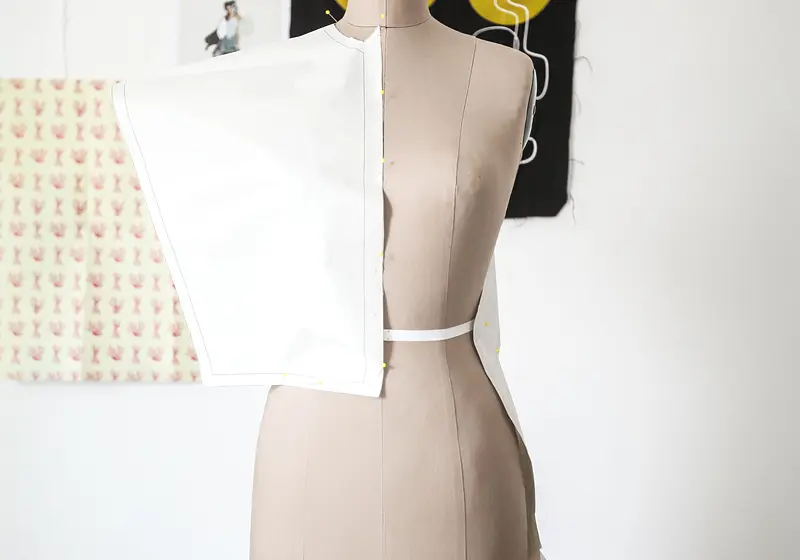
High fashion, in other terms, haute couture resembles exclusive tailored clothing created by elite designers. Designers create these custom pieces by hand at exorbitant prices which appear on Fashion Week runways. High fashion represents more than money because it represents innovative ideas along with creative approaches and powerful impact. Designers establish fashion trends which appear in retail outlets and on social media platforms as well as high school corridors after several months.
You don’t need to wear it — you just need to understand it.
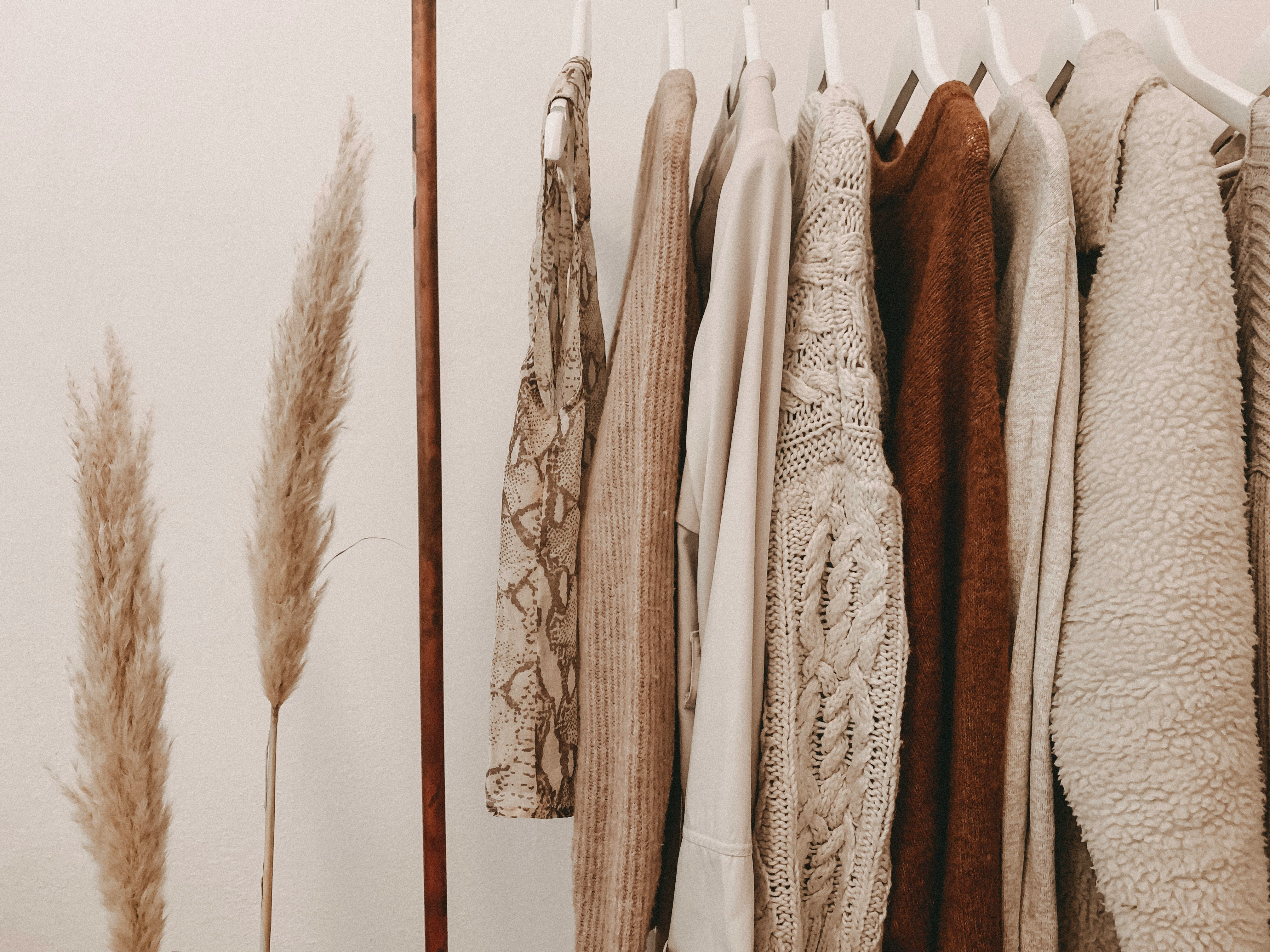
Image Credit: Photo by Alyssa Strohmann on Unsplash

Take the Quiz: Which Halloween Costume Should You Match with Your Bestie?
Take our quiz to discover which Halloween costume theme you and your bestie should rock this year!
A (Very) Quick History of High Fashion
The knowledge of fashion origins enables better understanding of the subject. During the mid nineteenth century, English designer Charles Frederick Worth initiated garment labeling alongside collection presentations to clients which led to the creation of fashion houses. The world recognized Paris as its fashion hub because luxury brands such as Chanel and Dior alongside Givenchy determined contemporary style trends.
Milan alongside London and New York have established themselves as major fashion capitals alongside Paris in today's fashion industry. Fashion now mixes tradition with tech, streetwear with couture, and culture with creativity.
Meet the Fashion Houses: Who’s Who?
We are going to analyze several well-known fashion brands which appear across all fashion platforms and social media networks.
Chanel
Vibe: Classic, feminine, elegant
The brand is recognized for its signature collection of tweed jackets and quilted handbags along with pearls and its signature black dress.
The founder Gabrielle “Coco” Chanel transformed women's fashion by eliminating corsets to create stylish and comfortable clothing.
The brand represents classic Parisian elegance which comes with a high-end price point.
Prada
Vibe: Minimalist, intellectual, sleek
The brand is known for its nylon bags with precise tailoring and bold experimental shapes.
The founder Mario Prada established the brand but his granddaughter Miuccia Prada transformed it into the modern fashionable label it is currently known for.
The brand combines intellectual sophistication with luxurious elements that attract both editors and celebrities as well as people seeking to appear effortlessly sophisticated.
Gucci
Vibe: Bold and loud look through its maximalist style
Famous for: Monogram prints and loafers in addition to bold accessories and eccentric patterns
Current Style: The brand returns to cleaner lines under new creative director Sabato De Sarno while maintaining its signature flair.
What it means now: The brand creates fashion which defies traditional rules through its patterns and gender-neutral designs.
Dior
Vibe: Romantic and structured yet powerful style
Famous for: Christian Dior introduced the New Look with full skirts and elegant tailoring and cinched waists
Founder: Christian Dior transformed post-war fashion through his celebration of feminine beauty.
What it means now: The brand achieves refined elegance which appeals to those who enjoy dramatic fashion with a polished finish.

Image Credit: Photo by Lili Cambalova on Unsplash
Louis Vuitton
Vibe: Iconic symbol of luxury status
Famous for: The brand maintains its iconic status through luggage and handbags which feature its monogram design and it holds a strong position in both streetwear and couture
Current Style: Louis Vuitton combines heritage elements with contemporary concepts but their menswear vision through Pharrell Williams leads the way in trends.
What it means now: The brand attracts both streetwear fashion enthusiasts and affluent social circles.
So, Where Do You Start?
Now that you know the players, here’s how to begin your fashion journey — without spending thousands of dollars:
1. Watch Runway Recaps
Online platforms like Vogue Runway and YouTube channels analyze Fashion Week shows from Milan, Paris, New York and London. Watch closely how patterns, silhouettes and color trends appear.
2. Follow Fashion Creators
Fashion creators such as @bestdressed, @wisdm8 and @oldloserinbrooklyn make fashion simple to understand and enjoyable for their followers. They explain runway designs and assist people in discovering their personal fashion preferences.
3. Start a Moodboard
The combination of Pinterest and Canva enables you to gather visual content which inspires you beyond just clothing to include colors, shapes, textures and architectural elements. Through this practice you will discover the designers who align with your personal style preferences.

Image Credit: Photo by Crystal Y on Unsplash
4. Experiment with Thrifting
You do not need expensive designer labels to create fashionable outfits. To recreate the looks you adore try shopping at thrift stores or using secondhand apps such as Depop or making your own customizations.
5. Read & Watch
The First Monday in May along with House of Z serve as excellent documentaries which provide insights about the Met Gala and Zac Posen respectively. The magazines Dazed, i-D and Vogue Italia provide excellent material for advanced fashion analysis.

Image Credit: Photo by Ayo Ogunseinde on Unsplash
Fashion Isn’t About Fitting In — It’s About Standing Out
Understanding high fashion doesn't mean wearing expensive clothes or following famous trends. It means knowing why a trend exists, where it came from, and how it influences the world around you.
Fashion is culture. It’s history. It’s rebellion.
It’s expression. And yes — it’s funSo the next time someone drops a brand name you don’t know, you’ll not only recognize it — you’ll understand why it matters.