





"Does your life feel boring lately?"
“Be the main character!”
“Romanticize everything!”
If you’ve been on social media recently, you’ve probably seen videos starting with these exact words. I swear, every time I scroll past more than two videos, another one pops up, especially at 2 a.m. when I’m doomscrolling and quietly panicking over yet another unfinished trigonometry assignment.
At first, I dismissed these videos. I’m not usually someone who easily follows influencer advice.
But eventually, I had to admit it: my life had been feeling pretty boring lately, and I was desperate for a way out of the stress. So, out of curiosity (and a little desperation), I decided to try this “main character” tactic.
Well, did it actually work? That’s exactly what I’ll be talking about in this article.
Giving Romanticization a Try
The whole point of romanticization is to turn simple, everyday things into something special. To see yourself as the main character, where even the smallest actions feel meaningful.
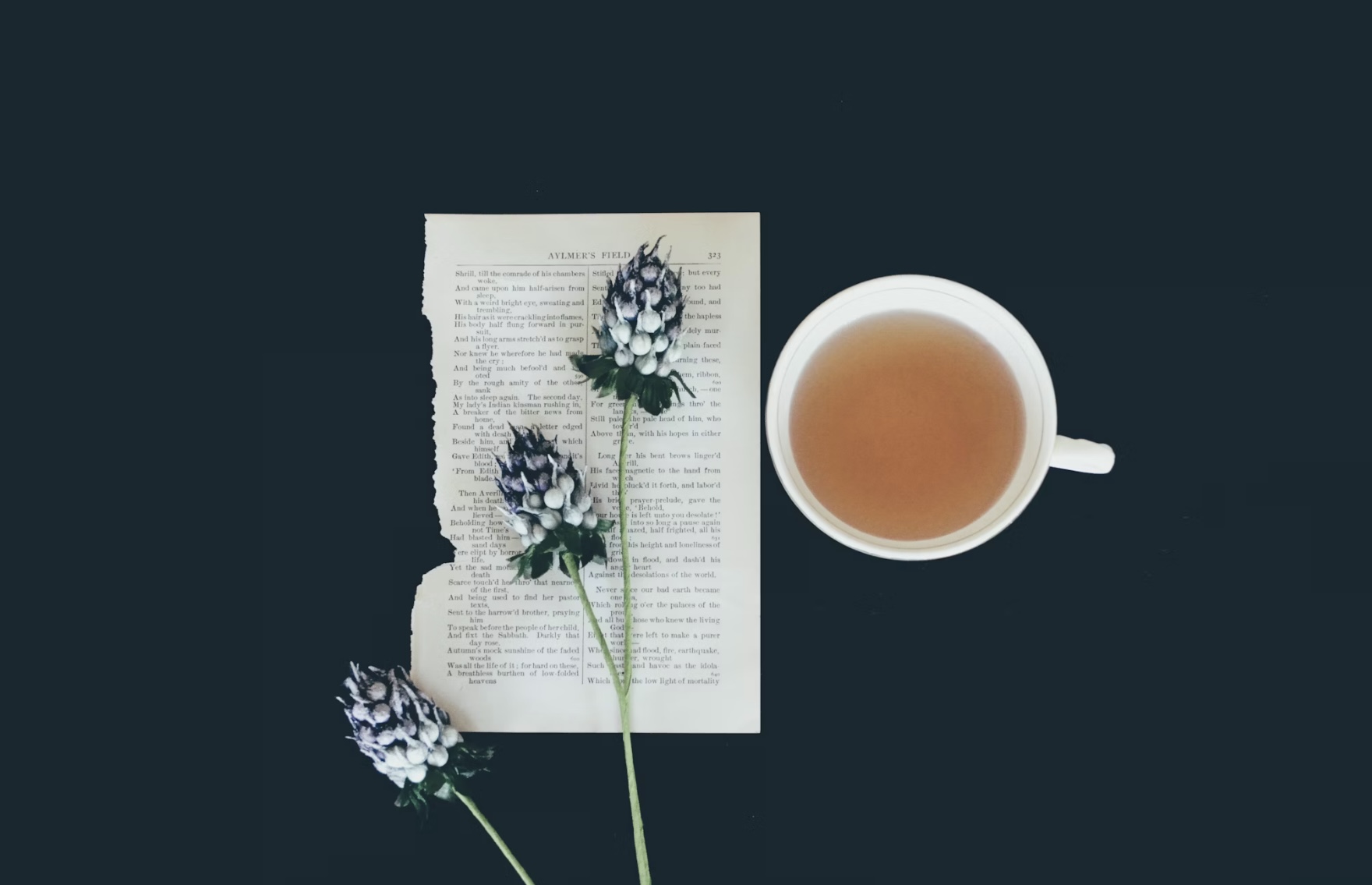
Image Credit: Debby Hudson from Unsplash
And so that’s what I did. I tried to turn the little, everyday things into something that actually felt special. Tea was the obvious choice.
I mean, I’m completely obsessed. I can drink seven cups a day without even thinking about it. It had become such a habit that I wasn’t even sure if I still enjoyed it, or if it was just… routine.
So I decided to start there. Instead of just grabbing a cup from the kitchen and sipping it while scrolling or rushing through homework, I slowed down. I made myself a small, cozy corner on the balcony with some blankets, poured my tea carefully, and brought along my favorite book.
And you know what? It was lovely.
Something as ordinary as tea suddenly felt new again, like I was really savoring it instead of just drinking it. For once, it didn’t feel like background noise in my day. It felt like a moment.

Image Credit: 周 康 from Pexels
I even started using this technique for school. And honestly? I really do hate school.
I mean, who doesn’t? But I found that little things helped. Adding some cute accessories to my uniform and bag, making my notes more colorful and aesthetic, or even packing nicer food instead of my usual weird-smelling sandwich made a difference.
It almost felt like I was living in one of those aesthetic movies for a moment. Of course, it didn’t magically make school perfect, but it definitely made me feel a little better.
When It Starts To Be Concerning
With all these examples and the way I felt while doing them, it almost sounds like romanticization is some kind of magic for happiness. I didn’t just use it for tea or school. I tried it in all sorts of little corners of my life. And most of the time, it genuinely helped me feel better and even improved my mental health.
But of course, nothing is perfect.

Image Credit: Ron Lach from Pexels
You have to realize that not everything can be romanticized. You can’t turn toxic habits into something “healthy” or “aesthetic” in your mind and expect it to fix itself. No matter how pretty you make it look in your imagination, some things will still hurt you in the end.
I’ve seen people romanticize procrastination, calling it their “late-night creative flow,” when really they’re just drowning in stress and unfinished work. Or they’ll romanticize incredibly messy rooms, the kind that actually look unlivable, and say it's some kind of "grunge main character" aesthetic. Like, no. Food rotting on the floor is not a grunge main character aesthetic.
That's just a whole other level of laziness. Introverted people especially seem to fall into the trap of romanticizing loneliness, pretending it’s “mysterious solitude” to feel better, when in reality, they’re actually hurting inside.
Everything has a limit, and romanticizing toxic habits is where you have to draw the line.
Conclusion
So, can romanticizing life help your mental health? Yes — it can. It encourages you to notice small joys, slow down, and find beauty in everyday moments, which can lift your mood and make stressful days feel lighter.
But it’s not a fix-all. Romanticization only helps when it’s applied to healthy habits and positive experiences. If you try to romanticize toxic behaviors or painful situations, it won’t improve your mental health.
It's been an interesting experience for me to try this out, and l really hope you benefited from it as the reader. Maybe you'll give it a try in your own way and see which small moments feel a little brighter when you really pay attention.