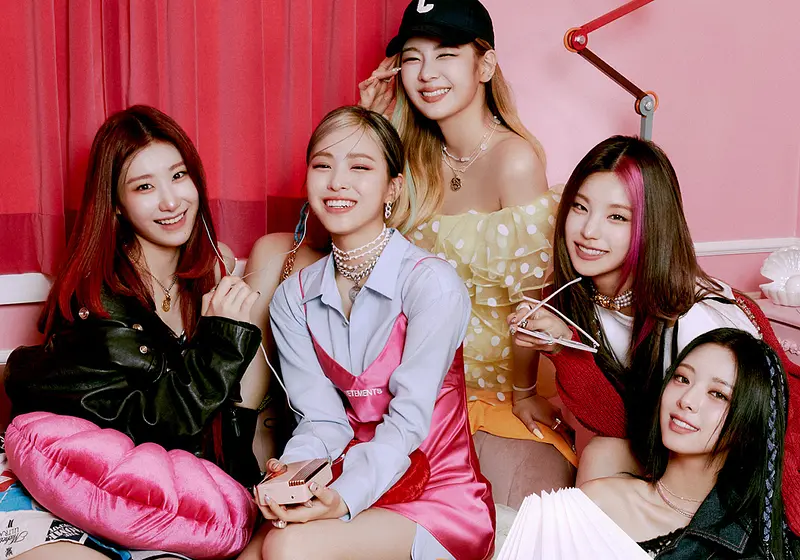





“Let them eat cake,” Marie Antoinette supposedly sneered when told the peasants had no bread. This is a line that has echoed for centuries as shorthand for elite detachment. At W Korea’s recent Love Your W breast cancer awareness event, this line somehow seemed to resurface.
Let us slide into your dms 🥰
Get notified of top trending articles like this one every week! (we won't spam you)What Actually Is the "Love Your W" Gala
The W Magazine is started off as an American publication founded in 1972, covering topics under fashion, entertainment, art and design. Founded in 2005 was the Korean edition of the W, and W Korea quickly became one of the country’s most influential publications, known for its glossy visuals and celebrity-driven editorials. The magazine positioned itself in the realm of Korean Pop culture, and hence have always used A-list figures like actors, idols and designers to shape trends and public conversation.
In 2006, the magazine launched “Love Your W,” an annual campaign dedicated to raising awareness about breast cancer prevention and early detection. The event typically features a gala of celebrities and a special issue, with proceeds donated to cancer research foundations and hospital programs supporting women’s health. Although initiated with a good intent, people have come to realize how the initiative blurred the line between fashion and philanthropy.

Image Credits: Shvets from Pexels

Take the Quiz: What’s Your Secret Superpower? This Quiz Will Reveal Which Singer Icon You Resemble
This fun quiz will unveil your unique qualities and reveal which music icon you resemble the most.
What Happened At The 2025 Gala
At W Korea’s annual Love Your W gala, the bubbles flowed and yet the message stumbled a little. Across a room of shimmering lights and champagne toasts, the celebration of cancer awareness seemed to fumble into a parade for the celebrities' glamour. The gala was attended by celebrities and idols of the most well-known names, including BTS, aespa, Stray Kids, IVE and more.
W Korea's social media accounts, in which they posted a lot about the activities and interiors of the event, was bustled with criticism. Amongst the most important critiques, was simply the fact that the event ran in the absence of the color pink--- the most essential theme color for breast cancer awareness. The gala’s aesthetic of sleek black dresses and dim lighting erased the one visual symbol universally tied to breast cancer awareness.
Furthermore, controversies have also sparked regarding the attendee’s performances and activities. For instance, Jay Park performed his 2015 hit “Mommae” and was heavily criticized for his insensitivity. People pointed out how the lyric “twins hanging on your chest” was potentially harmful and ignorant toward breast cancer patients.
The line was believed to sexualize and objectify women in a setting that was desired to do good. In response, Park posted an apology on Instagram on Thursday, saying, “I apologize if any cancer patients were offended by my performance.
A lot of other attendees were also criticized for their unseriousness, with clips of them appearing insober and unsteady when leaving the venue.
Unlike worldwide breast-cancer awareness campaigns, this one hosted by the W Magazine had little to no connection to breast-cancer itself. In particular, there was no confirmed participation from patients or healthcare professionals at the W Korea event.
The monetary impact of the charity event was also drawn into question. The magazine said that it has raised 1.1 billion won ($772,500) over the past 20 years, which many have accused of being seemingly too modest compared to the scale and extravagance of the annual event.
This event, while intended to raise awareness for breast cancer, turned to become a notorious example that highlighted the predominant culture of performative philanthropy. The spectacle of doing good has, in many ways, become its own kind of currency that is traded in social media likes, press coverage, and aesthetic approvals.
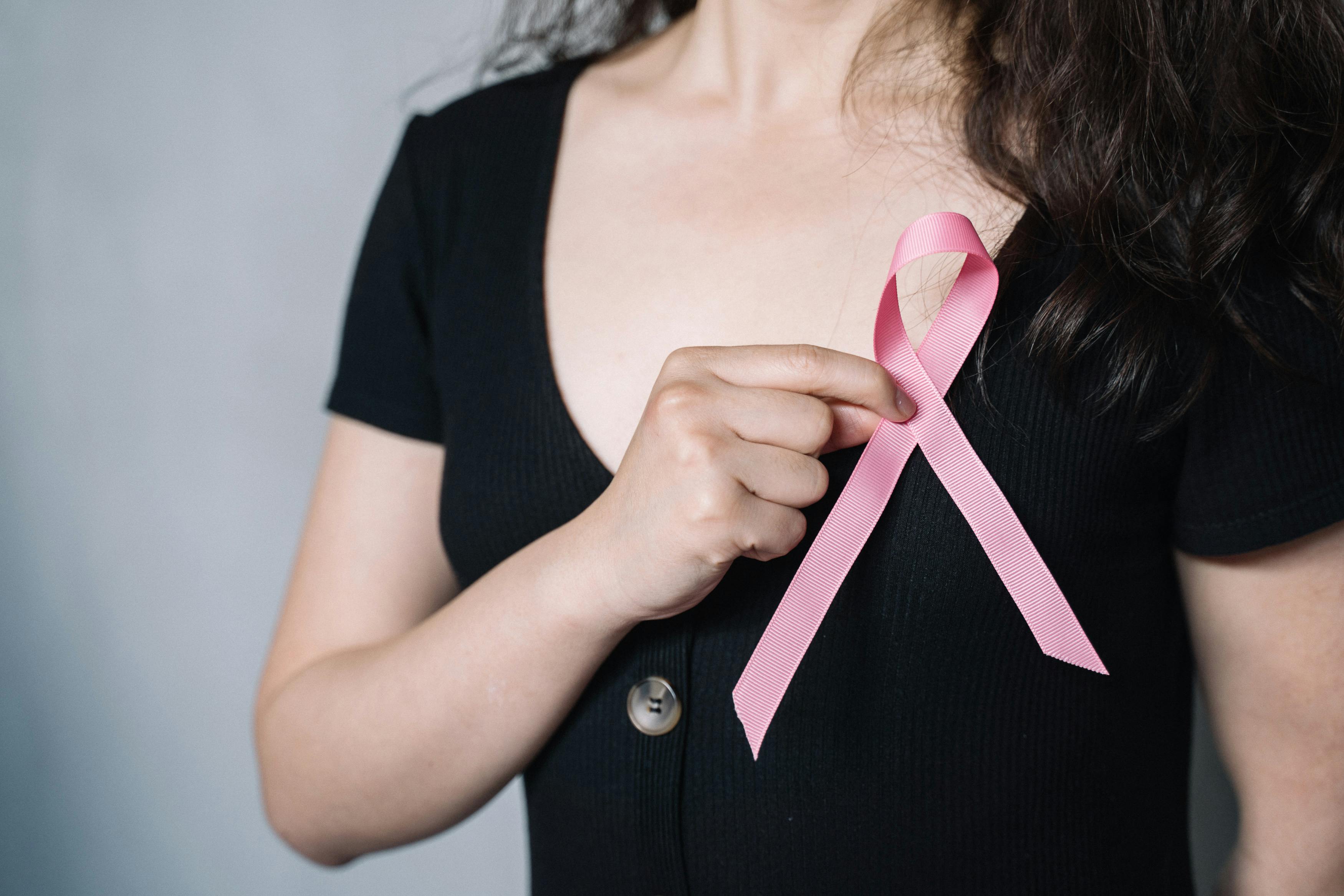
Image Credits: Tarazevich from Pexels
Backlash and Apology
W Korea has since deleted all photos and videos related to the event from its Instagram account.
It also issued an apology four days after facing backlash.
On its official Instagram account, they stated that they “deeply apologize for failing to carefully consider the perspective of breast cancer patients and their families, and for causing discomfort and distress."
It continued,
“We also regret that many who participated in good faith and supported the campaign’s goals may have been affected by the controversy, we are reflecting on our shortcomings, especially thinking of those who were disheartened by the event.”
Criticism did not ebb, however.
Comments overflowed the comment section with questions like “How does having celebrities sing and laugh raise awareness for breast cancer?” to “They should have just donated the money,” and “This was nothing more than a celebrity cocktail party.”
Most importantly, people realized that it was a recurring issue, not just a one-time thing.
“That W Korea gala has been going on for more than a decade now, why do you this only blow up this year after years of little problems raised?” wrote another X user in a post made on Thursday, shared 4,000 times with 7,800 likes.
At the heart of the backlash was a sense of betrayal, frustration at the entertainment world’s habitual silence on social and political matters, particularly after Yoon Suk-yeol’s martial law declaration last December and the chaos that culminated in his impeachment.
According to culture critic Kim Heon-sik, W Korea’s approach to social media, filled with influencer aesthetics and commercial collaborations yet devoid of meaningful advocacy, demonstrated a fundamental misunderstanding of digital communication dynamics.
“Social media is inherently public,” Kim said. “Even when it’s run by private entities, they carry a certain degree of social responsibility for what they put out.”
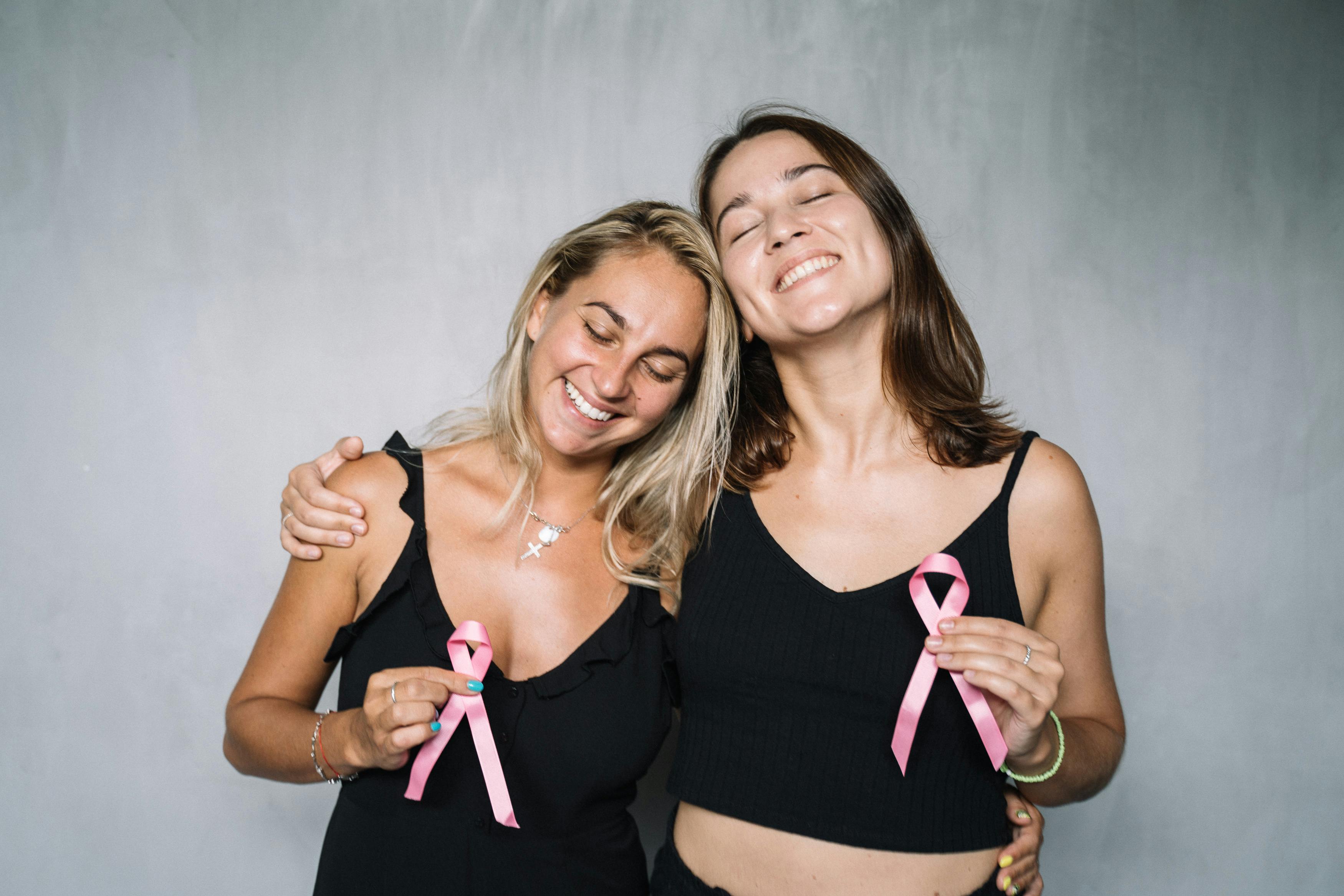
Image Credits: Tarazevich from Pexels
My Opinions
As a K-Pop fan myself, I understand the excitement that comes with seeing idols gather under one roof, accompanied by the red carpet looks, fan cams and flawless outfits and visuals. But scrolling through the posts that night, I couldn’t help feeling uneasy. Entertainment is important, but there has to be a correct time and place for it.
The hashtags for Love Your W were filled with outfit breakdowns, dance challenges and brand deals instead of essential information about breast-cancer screening or survivor stories. When advocacy becomes indistinguishable from advertisement, the true cause starts to fade into the background. What was meant to empower women instead led me to reflect on a troubling question that has followed countless “charity” events: who is this really for? The cause or the cameras?