



We all know sugar feels good at first bite — whether it’s cookies, soda, or candy — but what if you could get that same sweet taste without all the extra sugar? That’s where sugar-free foods come in. From sugar-free gum and diet sodas to protein bars and sugar-free ice cream, these products are all over the place.
They’re often marketed as the “healthier” choice, but are they really good for you? Let’s break it all down.
Let us slide into your dms 🥰
Get notified of top trending articles like this one every week! (we won't spam you)What Does “Sugar-Free” Really Mean?
When a food or drink is labeled sugar-free, it legally means it contains less than 0.5 grams of sugar per serving. That sounds like a win, especially if you’re trying to cut back on sugar. But here’s the thing: sugar-free doesn’t necessarily mean healthy.
Most sugar-free products still taste sweet because they use sweeteners instead of sugar. These sweeteners fall into a few main categories:
- Artificial sweeteners like aspartame, sucralose, and saccharin
- Natural, low-calorie sweeteners like stevia or monk fruit
- Sugar alcohols like xylitol, erythritol, and sorbitol
These ingredients provide sweetness with little to no calories, which is why they’re popular in diet foods and drinks. However, the way your body reacts to these sweeteners isn’t always the same as real sugar, and that’s where things get intriguing.
Image Credit: Myriam Zilles from Unsplash

Take the Quiz: What’s Your Perfect Skincare Product for the 'Clean Girl' Look?
Take this quiz to discover the perfect skincare product for your “clean girl” routine!
Why Do People Choose Sugar-Free Foods?
There are some reasons teens and adults might pick sugar-free options:
- Trying to lower calorie intake
- Cutting back on sugar for health reasons
- Preventing cavities and tooth decay
- Managing or preventing weight gain
- Being mindful of blood sugar levels
- Wanting sweet flavors without “feeling guilty”
Many teens are introduced to sugar-free products through diet sodas, energy drinks, protein bars, or even “low-sugar” snacks marketed as ‘better” options, even though they’re still heavily processed.
Sugar especially shows up in drinks — sodas, energy drinks, sweet teas, and even some juices. Studies like the CDC have linked high consumption of added sugars (especially from drinks) to weight gain and a higher risk of health problems like type 2 diabetes later in life. So naturally, sugar-free alternatives feel like the smartest move.
However, the key question isn’t why people choose sugar-free, it’s whether those choices actually help in the long term.
Is Sugar Free Better or Worse for Your Health?
Like most nutrition topics, sugar-free foods aren’t all good or all bad. They have both their benefits and downsides.
Potential Benefits
1. Fewer Calories Can Help With Weight Control
Sugar has about 4 calories per gram, and it adds up fast. Replacing sugary drinks or snacks with sugar-free versions can reduce daily calorie intake. Some research shows that people who regularly choose diet beverages instead of sugary ones consume hundreds fewer calories per day, which can support weight management over time.
For teens, this can be vital when sugar-free options replace sugary drinks, but it shouldn’t come at the expense of proper nutrition during growth years.
2. Better for Your Teeth
Sugar feeds the bacteria in your mouth that cause cavities. Sugar-free gum and candy don’t do this, which is why dentists often recommend sugar-free gum, especially after meals. Some sugar alcohols like xylitol may even help protect teeth.
3. Less Impact on Blood Sugar
Unlike regular sugar, most sugar-free sweeteners don’t cause big spikes in blood glucose. That’s especially helpful for people who need to manage blood sugar levels, including those with diabetes or insulin resistance.
Potential Downsides
1. Sugar-Free Doesn’t Mean Nutritious
Many sugar-free foods are still highly processed. They may contain refined carbs, unhealthy fats, artificial flavors, colors, or preservatives. A sugar-free cookie is still a cookie, but it just has different ingredients.
2. Digestive Issues Are Common
Sugar alcohols can be rough on your stomach. Eating too much can lead to gas, bloating, cramps, or diarrhea — especially for people with sensitive digestion.
3. Sweet Cravings Don’t Always Go Away
Even without calories, sweet flavors still activate the brain’s reward system. Some research suggests that constantly eating very sweet foods — even sugar-free ones — can keep cravings alive and make it harder to enjoy less sweet, whole foods.
4. Artificial Sweeteners Are Still Being Studied
Most major health organizations agree that approved artificial sweeteners are safe in moderation. However, researchers are still studying how they affect appetite, metabolism, and gut health over time, especially in kids and teens.
Because your body and brain are still developing, moderation matters. During adolescence, hormones, metabolism, and eating habits are still being shaped. Relying heavily on sugar-free products may affect how teens develop taste preferences and relationships with food later in life. This is why experts often recommend moderation rather than daily dependence on artificial sweeteners for teens.

Image Credit: Jo Sonn from Unsplash
Sugar-Free vs. Naturally Sweet Foods
One important thing to remember: not all sweetness is the same.
- Fruit contains natural sugar, but it also has fiber, vitamins, antioxidants, and water.
- Sugar-free snacks may have no sugar, but they often lack nutrients that help keep you full and energized.
Fiber slows digestion, helps control blood sugar, and keeps you satisfied longer. That’s why an apple can be more filling than a sugar-free candy, even though the apple has more sugar.
For teens with busy school schedules, sports, and extracurriculars, choosing foods with fiber and nutrients helps keep energy, focus, and fullness throughout the day.
So… When Is Sugar-Free Actually a Good Choice?
For teens, sugar-free choices work best as occasional swaps rather than everyday options, especially since growing bodies need enough calories, nutrients, and variety to stay healthy. Sugar-free foods can be helpful when they replace something much higher in sugar, not when they replace food that’s actually nutritious.
Good examples:
- Chewing sugar-free gum instead of candy after meals
- Choosing a diet soda occasionally instead of a regular soda
Less good examples:
- Eating large amounts of sugar-free desserts and thinking they’re “healthy”
- Replacing meals with sugar-free snacks that lack protein or fiber
Your body still responds to calories, carbs, fats, protein, and fiber — not just sugar. A balanced diet matters way more than a simple nutrition label.
Tips for Making Smarter Sugar-Free Choices
- Prioritize whole foods like fruits, veggies, whole grains, and lean proteins
- Use sugar-free products as occasional swaps, not daily staples
- Read ingredient lists; the smaller the list is, the better (usually)
- Pair sweet snacks with protein or fiber to stay full
- Don’t fear sugar completely, just avoid excess added sugars
- Remember: treats are fine, just don’t let them replace real meals
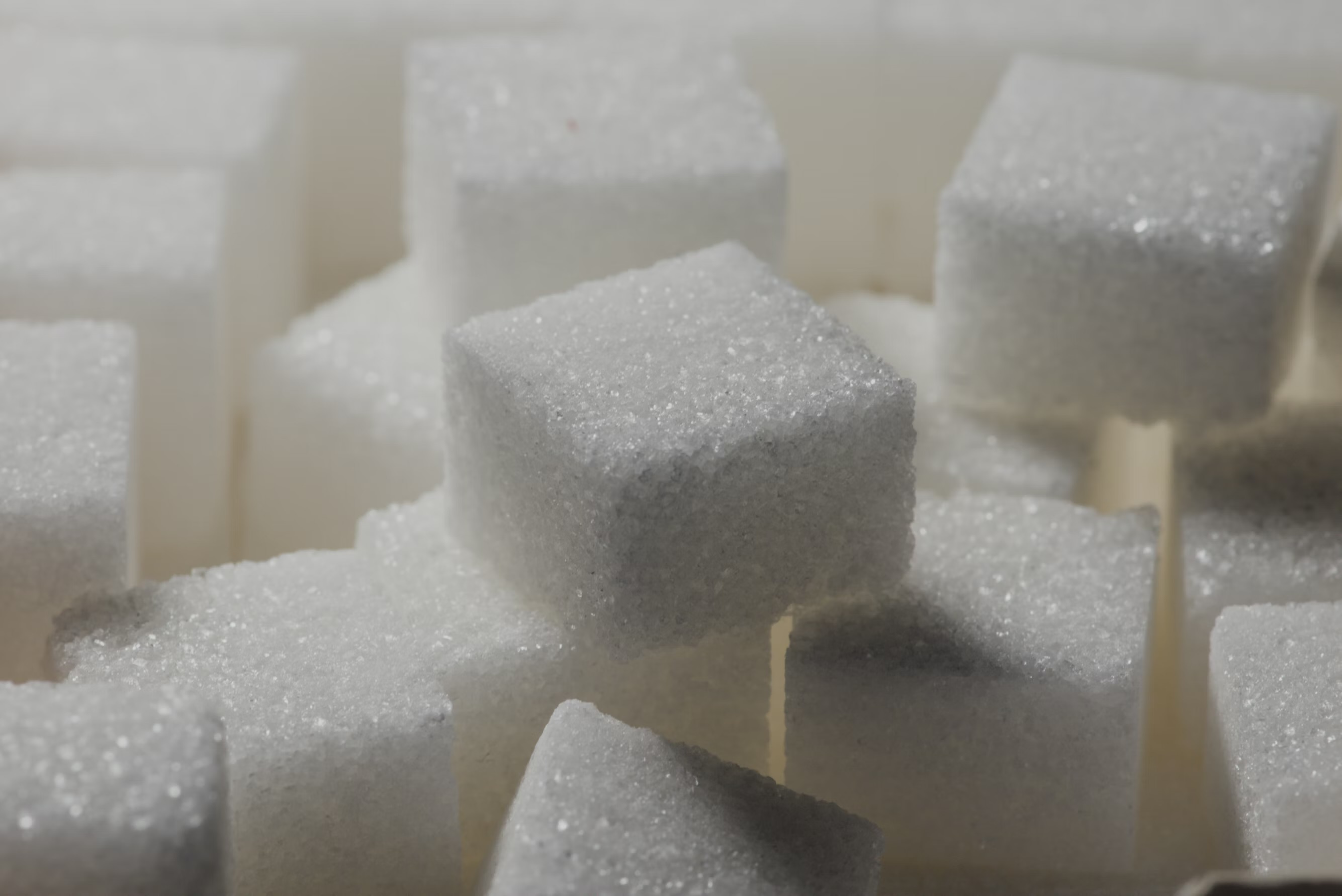
Image Credit: Daniel Kraus from Unsplash
The Final Verdict
Sugar-free foods can definitely have a place in a healthy lifestyle, especially if you’re trying to cut back on added sugar or reduce calories. But they’re not a magic solution. Some are useful, some are just neutral swaps, and others can cause problems if you rely on them too much.
For teens, the real key isn’t avoiding sugar at all costs, it’s balance, awareness, and moderation. Understanding what’s in your food and how it affects your body will always matter more than any label on the package.
