


.jpg)
Do you find yourself feeling restless or unable to sit still, constantly checking your inbox? Do you sometimes feel tension, as if something bad might happen? Your heart may suddenly race, your breathing may become quick or shallow, and you might feel inexplicably tired or weak. It can be hard to focus, and thinking about anything beyond your immediate worries may feel almost impossible.
If you’ve experienced this, know that it’s completely normal, many students go through similar feelings of anxiety while waiting for their admission results.
This anxiety actually has a psychological explanation: During the days leading up to college decisions, you’re facing an important outcome that you can’t fully control. The uncertainty of the unknown, the significance of the results, and the stress of passive waiting can all put your brain on high alert. Physical reactions like a racing heart, rapid breathing, or trouble concentrating are all common stress responses.
For teenagers, this kind of anxiety can be even more impactful. Since their brains and emotions are still developing, and because hormonal fluctuations and sleep cycles can affect mood, teens are more likely to feel tense or uneasy when facing uncertainty.

Image Credit: Photo by Oladimeji Ajegbile from Pexels
The good news is that these reactions are normal, and they can be helped by some simple strategies.
Let us slide into your dms 🥰
Get notified of top trending articles like this one every week! (we won't spam you)1. Mental and Cognitive Strategies
Accept uncertainty: Feeling anxious is a normal emotional response. You don’t need to blame yourself for being nervous. Allow yourself to feel this way and remember that it’s only temporary.
Seek emotional support: Talk with trusted family members or friends about your worries or share your thoughts with classmates who are also waiting for their results. Often, just talking about the situation can help reduce stress.
Practice positive self-talk: Imagine a scenario in your mind: even if you don’t get into your top-choice school, you can continue to grow, learn, and live a fulfilling life. This kind of mental rehearsal can help reduce fear of the unknown and also promote confidence and a positive outlook.

Take the Quiz: Which Halloween Costume Should You Match with Your Bestie?
Take our quiz to discover which Halloween costume theme you and your bestie should rock this year!
2. Lifestyle and Behavioral Adjustments
Reduce “refreshing” frequency: Try to check your email, application portals, or related forums less often. Constantly looking for updates usually just amplifies anxiety.

Image Credit: Photo by Yan Krukau from Pexels
Limit information overload: Avoid spending long periods on social media or college forums. Comparing yourself to others’ can unintentionally increase stress.
Engage in new activities: Shift your attention to hobbies, reading, learning new skills, or spending time with friends. Listening to music, watching movies, camping outdoors, or even cooking and baking can all help take your mind off the wait.
Exercise and physical care: Work up a sweat at the gym, or do moderate aerobic exercise like walking, jogging, or cycling. Physical activity can help release tension and improve your mood.
Keep a regular routine: Get enough sleep and try to reduce caffeine and screen time before bed. Coffee, tea, or energy drinks can make your heart race and increase feelings of tension. Playing white noise like flowing water, birdsong, or gentle rain while falling asleep can also help you relax more easily.
3. Diet and Physical Support
Small amounts of sweets: Eating a moderate amount of sweets can bring a short-term feeling of pleasure because they trigger the release of brain chemicals associated with happiness, such as dopamine and serotonin. Many people reach for chocolate, cake, or candy when they’re stressed, and ice cream is often called a “comfort food.” However, the effect is usually temporary, so enjoy sweets in moderation.
Foods rich in tryptophan: Tryptophan is an important building block for serotonin, which helps stabilize mood and reduce anxiety. Common sources include bananas, milk, eggs, and tofu.
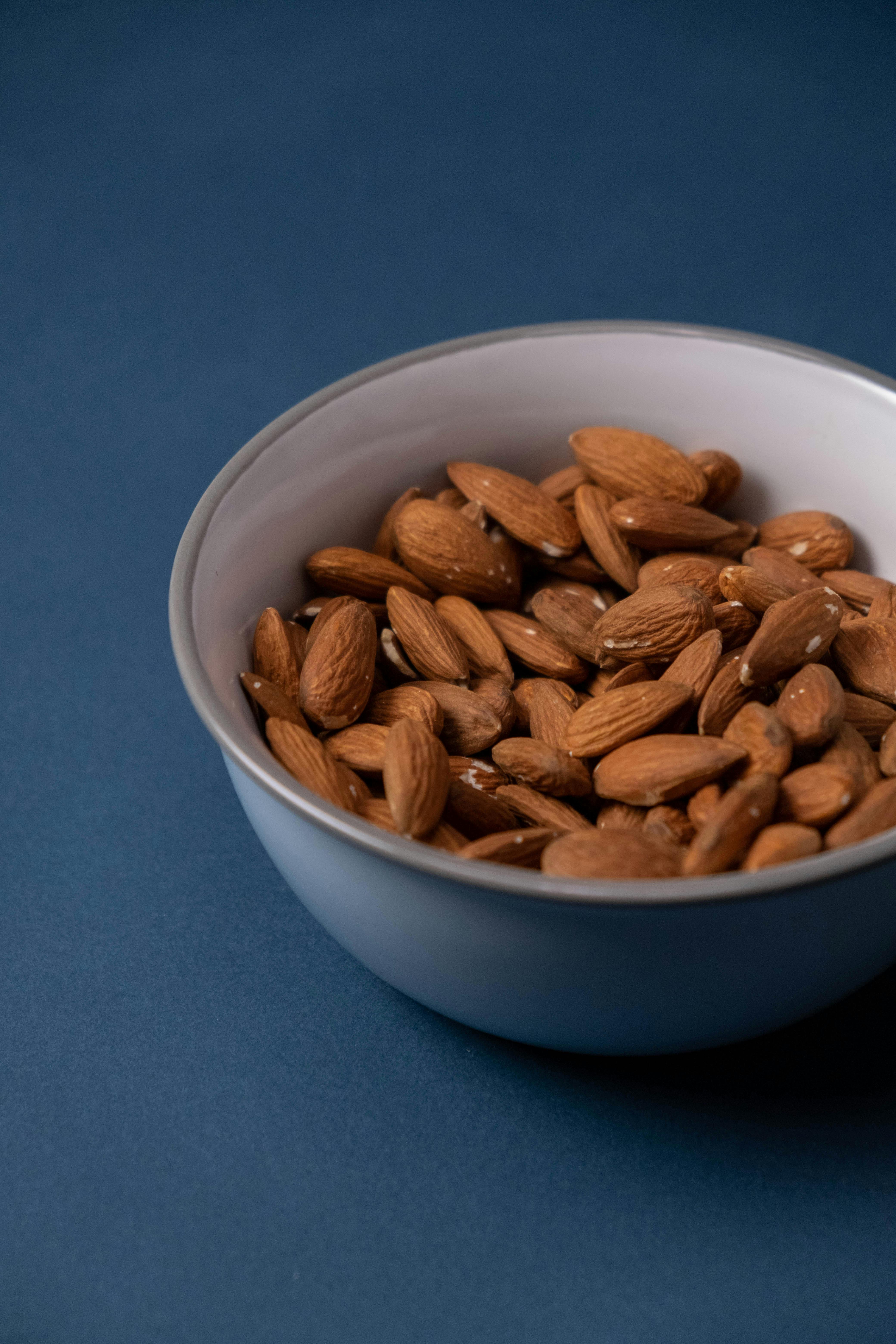
Image Credit: Photo by cottonbro studio from Pexels
Foods rich in magnesium: Magnesium helps relax the nervous system and muscles, which can ease tension. Good sources include spinach, almonds, pumpkin seeds, and dark chocolate. A small portion of dark chocolate can also provide a bit of relaxation.
Foods rich in omega-3 fatty acids: Omega-3 fatty acids support brain health and mood regulation. Some studies suggest they may help maintain emotional balance and prevent anxiety over the long term. Common sources include salmon, walnuts, and flaxseeds.
Warm, comforting foods: Warm foods can provide psychological comfort and help the body relax. Examples include oatmeal, chicken soup, or warm water with honey.
4. Coping with Strong Anxiety
Meditation and breathing exercises: Practicing deep breathing or gradually tensing and relaxing muscles can help your body and mind recover from tension. For example, slowly inhale while raising your shoulders, hold and tense for four seconds, pause for two seconds, then let your shoulders drop and relax completely while exhaling slowly for six seconds. Repeating this a few times can gradually help your body relax and calm your mind.
Engage in meaningful activities: Do tasks you can manage, like helping with household chores, gardening, volunteering, or trying a part-time job. Completing tasks and helping others often brings a sense of accomplishment, which can reduce anxiety.
Seek professional support: If anxiety starts to affect your daily life (for example, causing severe insomnia, persistent heart palpitations, or difficulty concentrating) consider reaching out to a school counselor or a professional mental health provider. They can give more specific guidance to help you manage your emotions more effectively.

Image Credit: Photo by SHVETS production from Pexels
Takeaways
The days spent waiting for admission decisions may feel long, but this is just one stage in your journey through life. No matter the outcome, the effort you put into your applications and the growth you gained along the way will never disappear.
College is only the starting point of your path, not the destination. In fact, every year, thousands of students go through the same waiting and uncertainty—you are not alone in facing these feelings. Try to approach this time with a calmer mindset, and you’ll find that many opportunities still await you in the future.
.jpg)