



Ever wondered why you overthink a text for 20 minutes but end up saying something random without thinking two seconds later? Or why certain songs instantly bring back memories, while you forget what you studied yesterday? That’s your brain at work; it constantly analyzes, reacts, and shapes the way you experience the world. But the real question is: Why does it think the way it does?
Let us slide into your dms 🥰
Get notified of top trending articles like this one every week! (we won't spam you)Your Brain Is Always Trying to Protect You
At its core, your brain has one main job: keep you safe.
A part of your brain called the amygdala is always scanning for danger. Back in ancient times, this helped humans survive by reacting quickly to threats. Today, though, that same system can make you feel anxious before a test or nervous before talking to someone you like. Your brain doesn’t always know the difference between a real threat and a social one, it just reacts.
That’s why your heart races before a presentation… even though you’re not actually in danger.
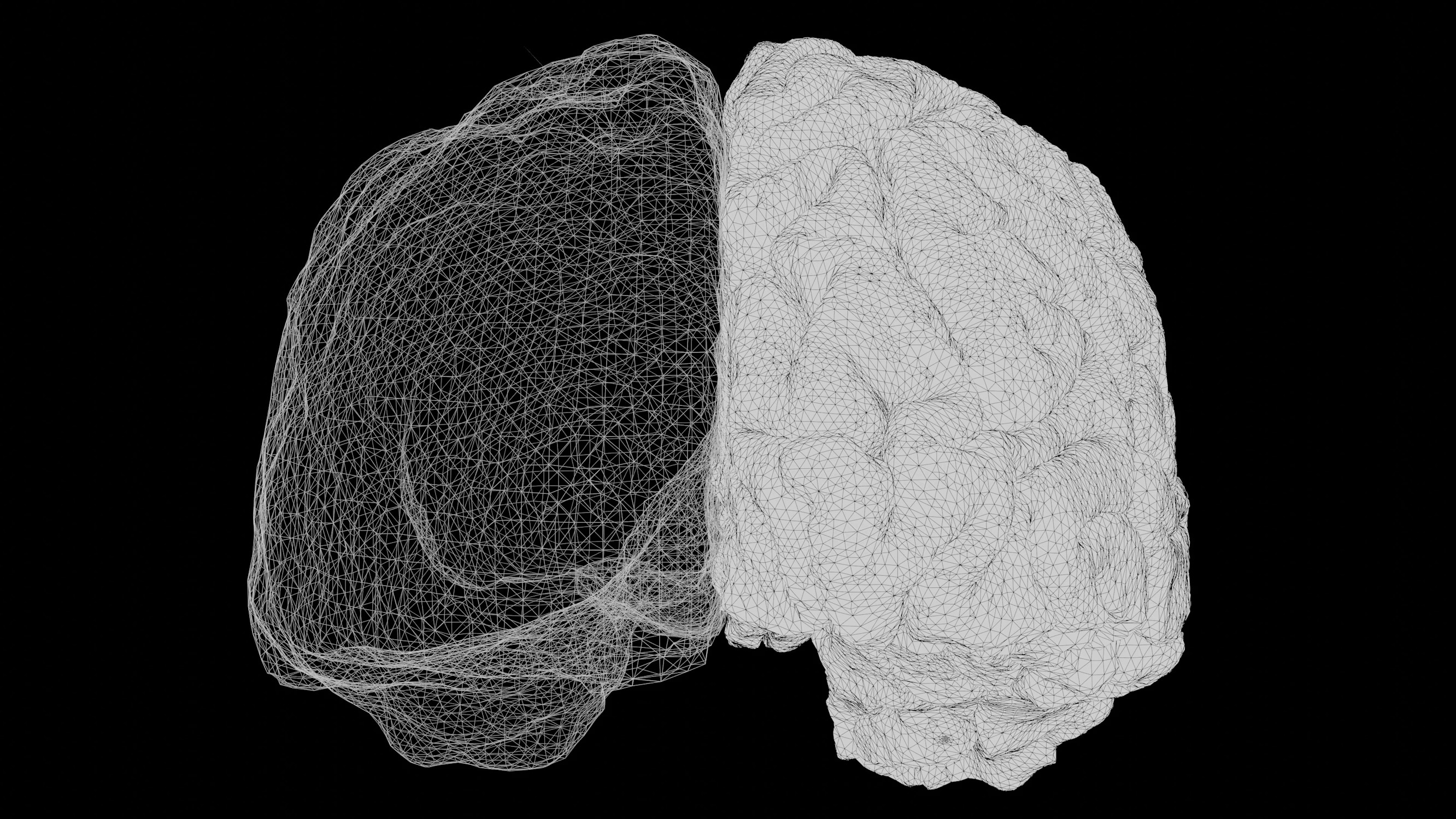
Image Credit: Shawn Day from Unsplash

Take the Quiz: Discover Your Ideal Stress-Relieving Hobby
Everyone deals with stress differently, and finding the right hobby can help you relax and unwind. Take this quiz to find out which stress-relievin...
Why You Think Fast and Sometimes Overthink
Your brain has two thinking systems:
- Fast thinking —> automatic, emotional, and instinctive
- Slow thinking —> logical, careful, and analytical
Fast thinking is what makes you laugh at a joke instantly or react quickly in a game. But it’s also what causes impulsive decisions like sending a risky text or procrastinating.
Slow thinking kicks in when you’re solving a math problem or analyzing a reading passage. It takes more effort, which is why your brain sometimes avoids it and defaults to the faster, easier option. That’s also why overthinking happens, your slow-thinking brain gets stuck trying to analyze every possible outcome.
Your Experiences Shape Your Thoughts
No two people think the same way and that’s because your brain is shaped by your experiences. Everything you’ve been through, such as your childhood, friendships, successes, and failures, builds neural pathways.
For example:
- If you’ve had positive experiences speaking in class, your brain associates it with confidence.
- If you’ve been embarrassed before, your brain may try to protect you by making you hesitate.
Your brain learns from patterns and tries to predict what will happen next.
Image Credit: Diego PH from Unsplash
Why You Have Habits
Habits are your brain’s way of saving energy.
Instead of thinking through every decision, your brain creates shortcuts called habit loops:
- Trigger
- Action
- Reward
Let’s say you feel stressed (trigger), scroll on your phone (action), and feel temporarily better (reward). Your brain remembers that, and next time you’re stressed, it pushes you to do the same thing. This is why breaking bad habits can feel so hard. Your brain isn’t trying to sabotage you; it’s just following a pattern it thinks works.
Why Emotions Control So Much of Your Thinking
Even though we like to think we’re logical, emotions actually drive most of our decisions.
Your brain processes emotional information faster than logical reasoning. That’s why:
- You might know you should study… but still choose to scroll on TikTok.
- You might feel nervous about something even when you know it’ll probably go fine.
The emotional part of your brain reacts first, and the logical part catches up later. Sometimes that’s helpful, but other times, it leads to stress, overthinking, or decisions you regret.
Your Brain Isn’t Fully Developed Yet
Here’s something most teens don’t realize: your brain is still developing. The prefrontal cortex—the part responsible for decision-making, planning, and self-control—doesn’t fully develop until your mid-20s. That means:
- You may feel emotions more intensely
- You might take more risks
- You’re still learning how to balance logic and emotion
And that’s not a weakness, it’s actually part of how you grow. Your brain is constantly changing, adapting, and improving based on what you experience.

Image Credit: Anthony Tran from Unsplash
You Can Change the Way You Think
One of the most powerful things about the brain is neuroplasticity, which is its ability to change and rewire itself. That means your thoughts aren’t permanent.
If you:
- Practice positive thinking
- Challenge negative thoughts
- Build better habits
You can literally reshape how your brain works over time. It’s like training a muscle, the more you practice certain thought patterns, the stronger they become.
Final Thoughts
So, why do we think the way we think? Because of a mix of biology, experience, emotions, and habits all working together inside one incredibly complex organ.
The best part? You’re not stuck with your current mindset. Your brain is still growing, still learning, and still changing every single day. And once you understand how it works, you can start working with it instead of against it.
