



Whether you are aware of it or not, I guarantee you that there is at least one pseudoscience that you have been tricked into believing.
For those of you who don’t know what pseudoscience is, it is nonsense disguised as science, usually on social media by wellness influencers desperate for more likes or by businesses that want you to spend money on their product. Infamous examples of pseudoscience are the keto diet, juice cleanses, supplements, the paleo diet, and just about a billion other fake ways to be healthier.

Tankilevitch from Pexels
In an environment where we are surrounded by lies, we are all made victims of pseudoscience. But there are ways to distinguish the liars from those telling the scientifically-backed facts, and there are ways to find the truth beyond misinformation–one of those ways being this very article.
Let us slide into your dms 🥰
Get notified of top trending articles like this one every week! (we won't spam you)1. High fructose corn syrup is not any worse for you than honey
I’m sure you have heard a million times from your parents that soda and candy are bad for you because of all the high fructose corn syrup in them. I’m gonna let you in on a secret: eating high fructose corn syrup is pretty much the same as eating honey.
High fructose corn syrup is just a mixture of 50% fructose and 50% glucose, the same ratio of fructose to glucose in honey and table sugar. Don’t get me wrong, soda is still bad for you and any of the sugars mentioned can be bad for you if consumed in large amounts, but don’t be afraid of having a high-fructose-corn-syrup-filled CocaCola every once in a while.
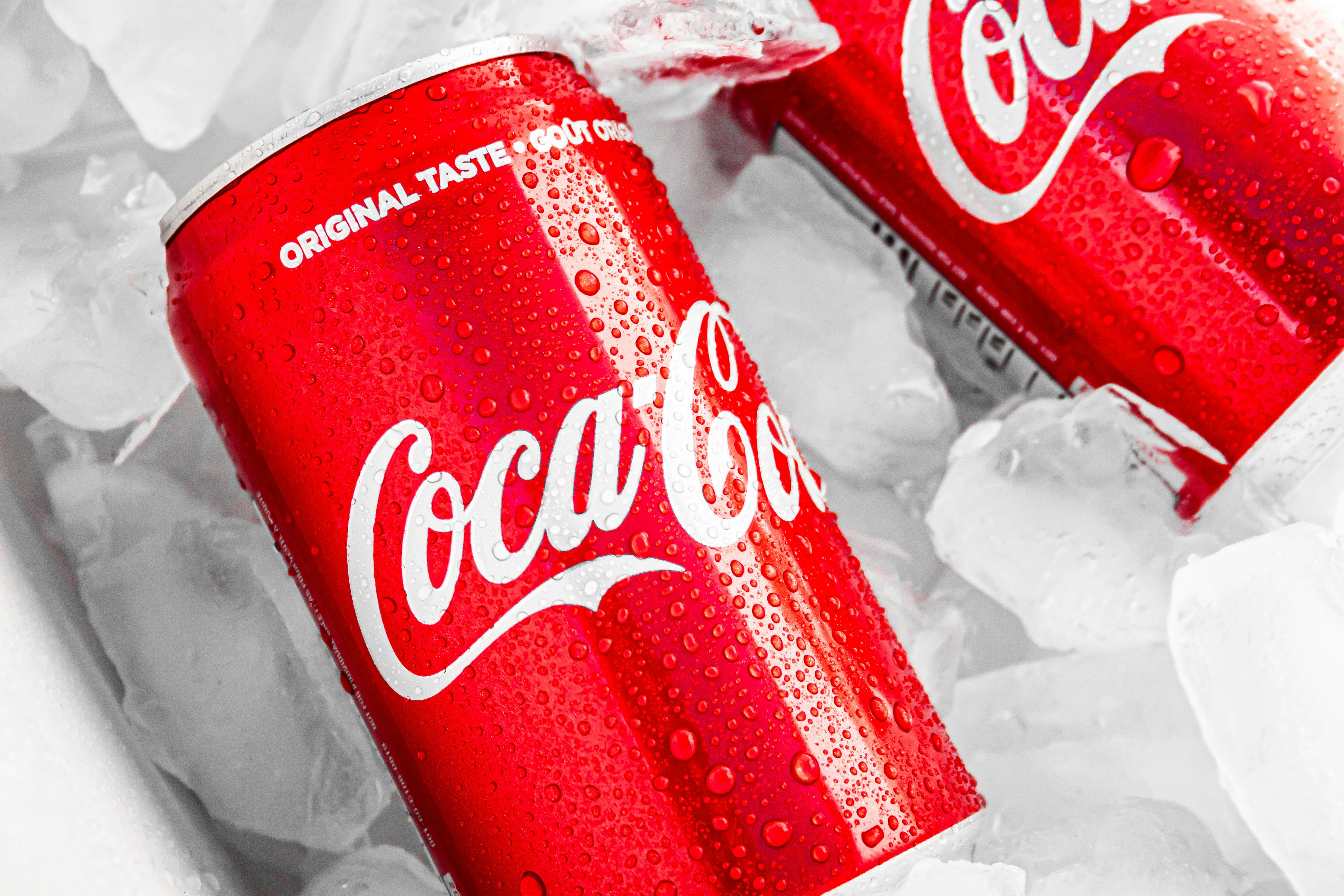
Yarema from Unsplash

Take the Quiz: What’s Your Perfect Skincare Product for the 'Clean Girl' Look?
Take this quiz to discover the perfect skincare product for your “clean girl” routine!
2. You do not sweat out toxins
If you have ever been to a sauna, you have probably sat in the steam thinking about all the toxins you were sweating out. In reality, you were sweating out extremely tiny amounts of toxins, if any. Sweat is pretty much just water and salt that we secrete to control our body temperature.
The way we actually get rid of toxins is through our lungs, liver, GI tract, and our kidneys. Saunas may relax you, but they don’t help you eliminate toxins.
3. Organic foods have pesticides on them too
The idea that organic foods are pesticide free is a big misconception, because they aren’t. That “organic” label just means that the pesticides that were used on the product were not synthetically altered. Organic or not, either way your produce is not covered in pesticide residues.
In fact, the pesticide residues that are on produce are in minuscule amounts–we’re talking parts per trillion. So, even though organic foods technically have pesticides on them too, its not something to stress about.
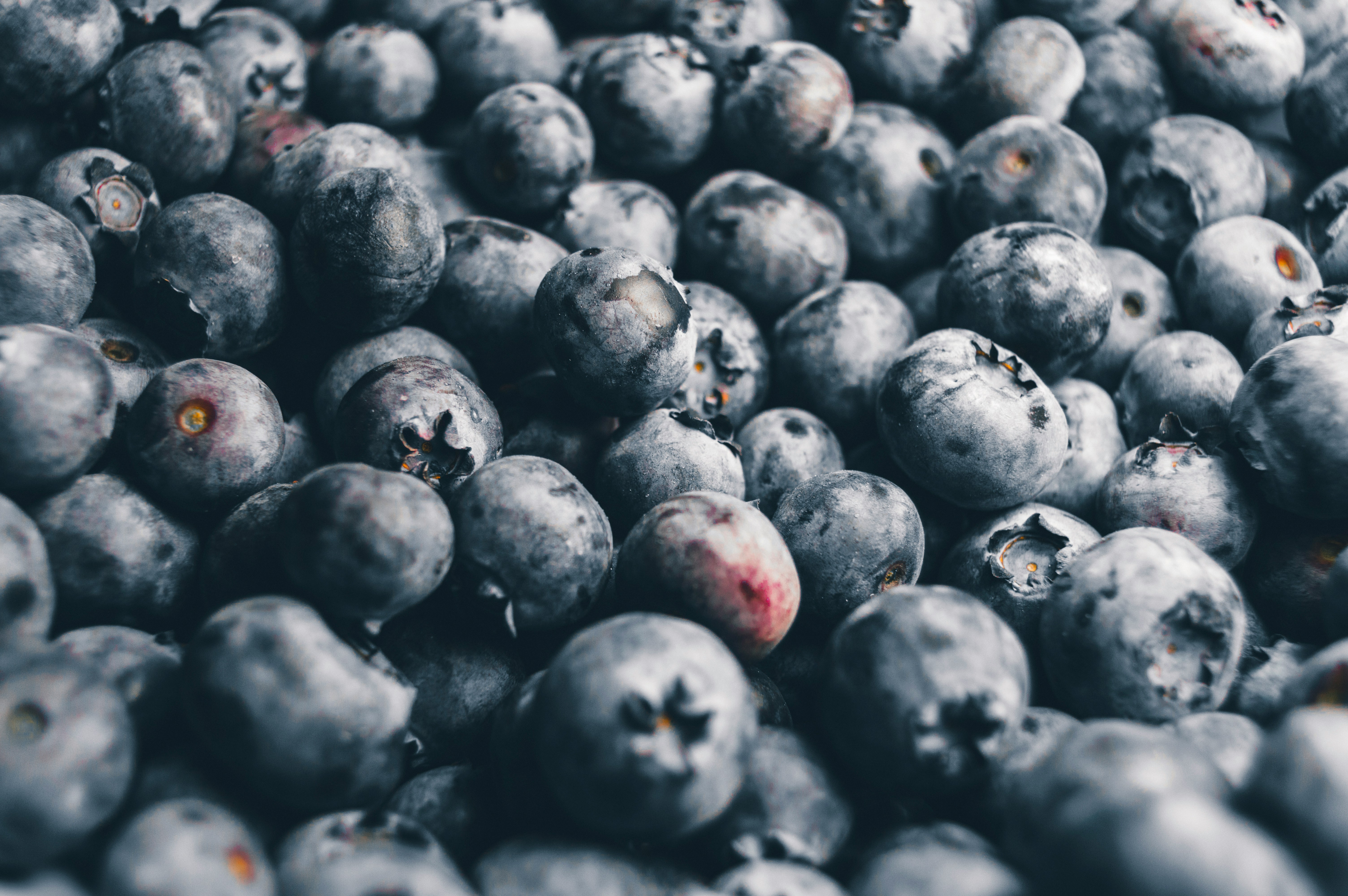
Jacak from Unsplash
4. Probiotics are not as effective as you think
Probiotics are supplements that people take to add bacteria to their GI tract and improve their gut health. However, these supplements only have a couple species of bacteria, which doesn't really contribute much to the 40 trillion bacteria that already live in your GI tract. Further, the few species that are in probiotic supplements aren’t necessarily beneficial for your health, they are just easier to grow in mass by the companies that sell them. Instead of using probiotics, focus on eating fiber-rich whole foods and drinking plenty of water.
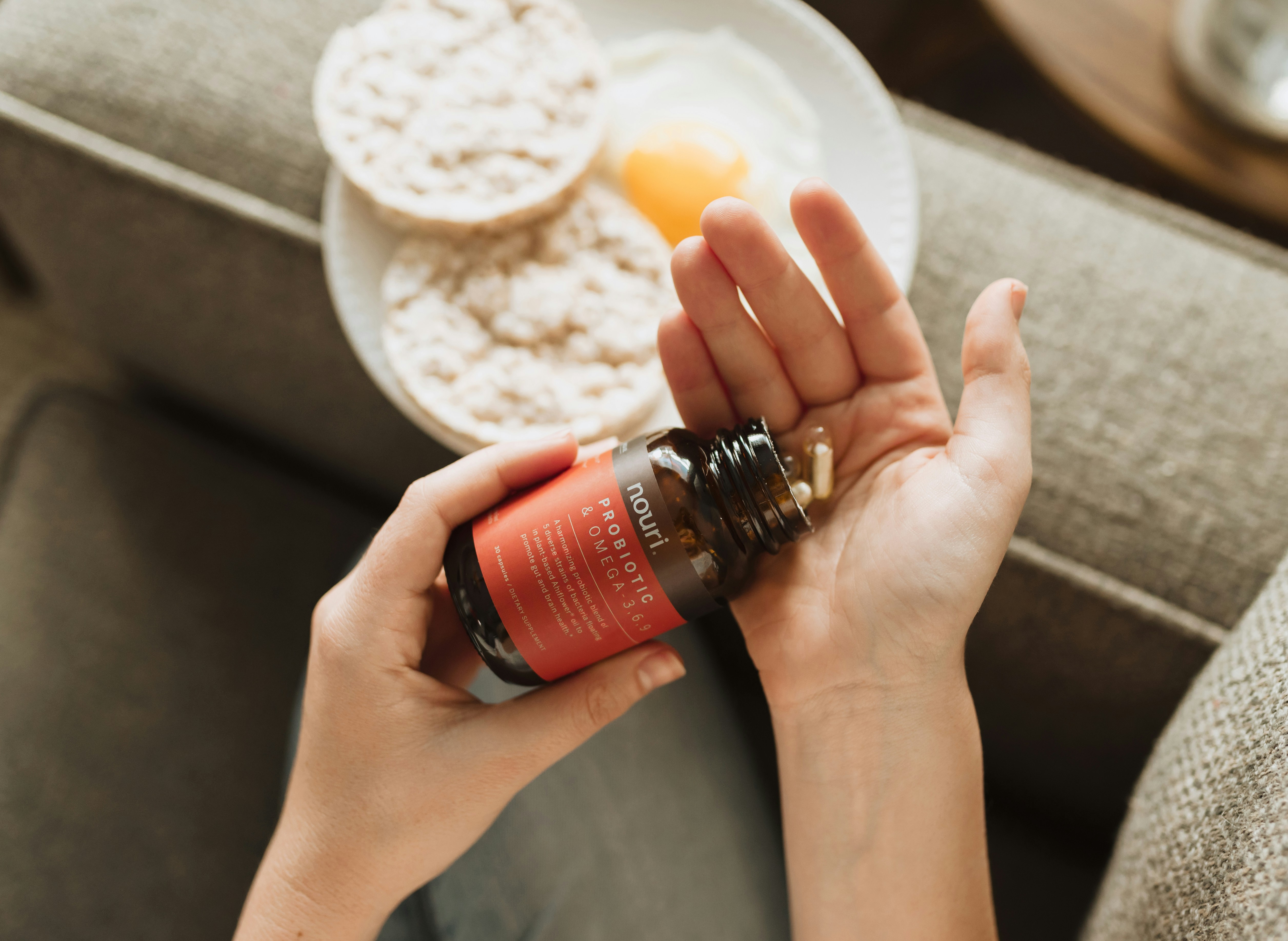
Daily Nouri from Unsplash
5. GMO foods are not bad for you
The acronym “GMO” (which stands for genetically modified organism) has become stigmatized as something to avoid in your food, but GMO foods are just as safe as foods that are non-GMO. When you see that produce is GMO, all that means is that it has been genetically modified to give it traits that help it do things like resist disease, pests, or have more nutrition. This process is the reason why we still have bananas and papayas, which would have been wiped out by disease if they had not been saved by genetic modification. That being said, there is absolutely no reason to fear GMO foods.

Dom J from Pexels
6. Alkaline water doesn’t do anything
People who drink and promote alkaline water, water that has a high pH, believe that it makes your body less acidic and leads to health benefits. The reality is that you cannot change your body’s pH since it is tightly regulated and even if you could change it, it would be life-threatening. Don’t bother paying extra for alkaline water brands like Essentia, because it doesn’t actually lead to health benefits other than hydration.
7. Parabens and aluminum in deodorant do not cause cancer
Forget whatever you’ve heard about how parabens, antiperspirants, and aluminum in your deodorant cause cancer, because they don’t. Parabens are used to stop the growth of bacteria and fungi in deodorant, and the levels of parabens you are exposed to in deodorant are so small that they are totally harmless. This means that you can keep using your deodorant knowing that it will not lead to cancer.
8. Your phone’s radiation is not harmful
The word “radiation” scares a lot of people. When it comes to high energy radiation like UV rays, wear sunscreen. But the radiation that your phone uses is very low energy, so when that type of radiation interacts with your body it does not damage your cells or tissues at all. So when it comes to radiation from your phone, there is no reason to be afraid.

Chakraborty from Unsplash
9. Fluoride is not really a neurotoxin
Recently, people have resorted to non-fluoridated toothpaste and advocated to stop fluoridation in water. Their fears of fluoride are supported by pseudoscience claims that fluoride is a neurotoxin. What those false claims don’t mention is that the amount of fluoride you would have to consume for it to have a toxic effect is impossible.
The amount of fluoridated water you would have to drink to feel a toxic effect (given that you are a child weighing 22 pounds) is 57 liters of water in a day. Don’t stop using fluoridated toothpaste or drinking fluoridated water, because they are perfectly safe.
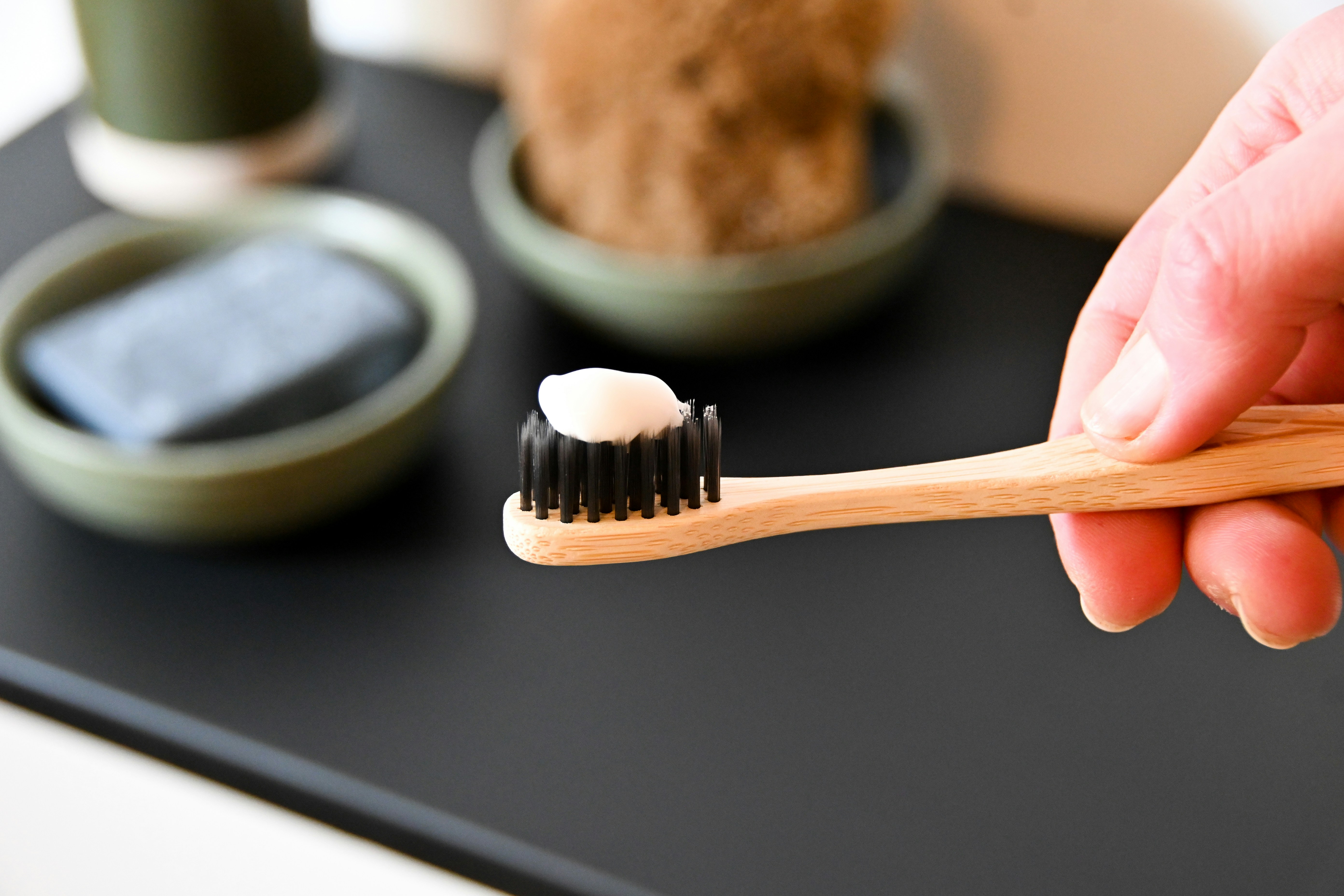
Nik from Unsplash
10. Vaccines are not dangerous
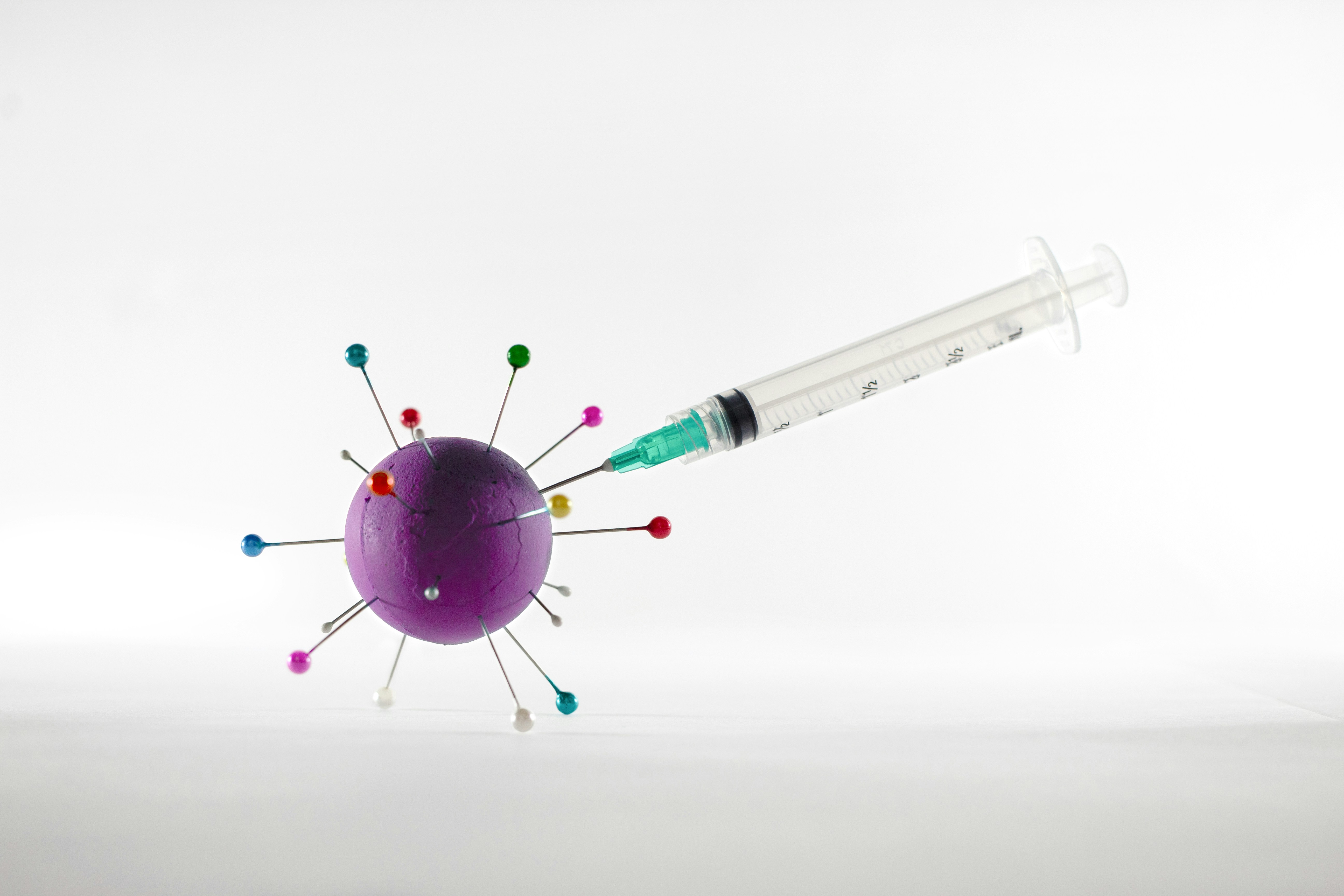
The anti-vax movement has a long history of telling people that vaccines are dangerous, poisonous, and even that they cause autism. I hope you have the common sense to realize that none of those things are true.
The myth that vaccines cause autism started when a man named Andrew Wakefield published a paper showing that the MMR vaccine (measles-mumps and rubella vaccine) is linked to autism in children. He falsified all of it, and has since lost his medical license. However, the paper got the attention of a lot of people who then avoided getting the MMR vaccine and consequently, measles cases have grown. These cases have continued to increase as RFK Jr., the current secretary of the US Department of Health and Human Services, continues to promote pseudoscience claims about vaccines.
Diaz from Unsplash
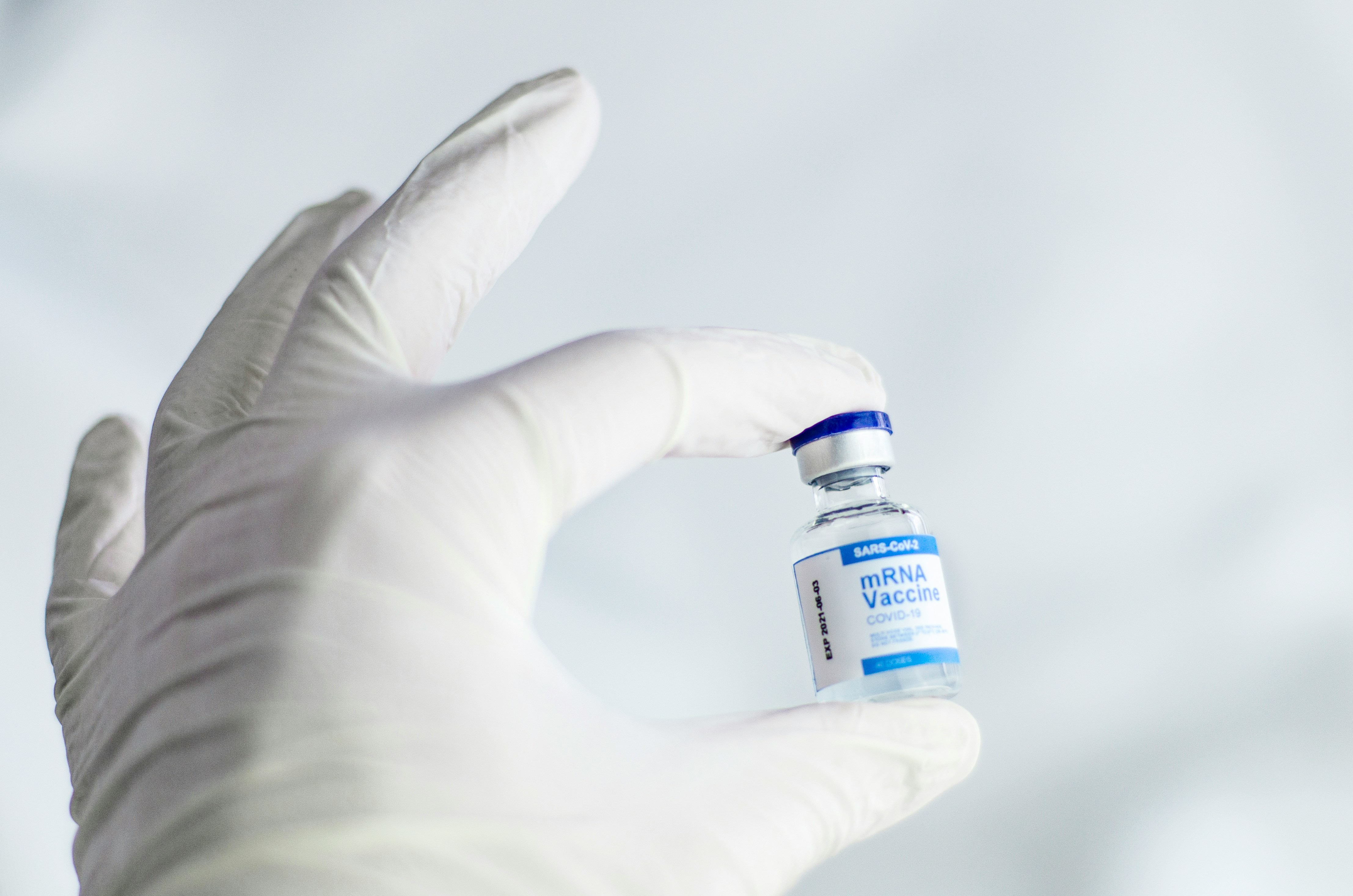
Another pseudoscience belief that has risen concerning vaccines is that the mRNA in vaccines is restructuring your DNA. First of all, this is not true. Second of all, this belief implies that mRNA is dangerous.
Every single one of your cells has mRNA in them, and without mRNA we would not be functioning human beings because we would not be able to produce proteins. The mRNA in vaccines is meant to be transcribed by your cells to produce a protein that will help combat a certain illness, contrary to beliefs that mRNA changes DNA.
Davis from Unsplash
In reality, vaccines are safe and save millions of lives. For example, vaccines have completely eradicated smallpox from human existence. Other deadly diseases like the mumps, polio, measles, diphtheria, chickenpox, and pertussis have seen huge decreases since their vaccines were produced. Vaccines are a miracle of modern medicine and without them, millions of people would be dying every year of horrendous illnesses.
How to Spot Pseudoscience Online
Watch for buzzwords instead of evidence. Phrases like “gut-healing” or “immune-boosting” or “brain-health” are usually being used to promote a product or claims that have no evidence to support them.
Check your source, and then check your source’s source. A reliable source is one that is produced by a scientific expert in that field, an unreliable source is one with claims that are contrary to the consensus on a given topic.
Ask yourself these questions when you come across something that seems unreliable:
- Does this person have recognized expertise and relevant qualifications in the field they are discussing?
- Is their source published in a peer-reviewed scientific journal?
- Is this an emotion based claim rather than an evidence-backed claim?
- Is this claim too good to be true?
One Last Thing
I could have written an article debunking 20 pseudoscience claims, or 40 pseudoscience claims because there are so, so many circulating on the internet. But now it's your job to identify and debunk them, and trust me, you will be finding a lot. Feel free to comment any that you find after reading this.
Most of my research for this article was found in WIRED’s Tech Support series on YouTube, where experts in different fields respond to questions from the internet. For this article specifically, I watched the three videos titled “Biomedical Scientist Answers Pseudoscience Questions” with Dr. Andrea Love.
If you want to learn about different pseudosciences or expand your knowledge on the ones I briefly described here, I highly recommend watching those. I will have them linked down below.
Sources
Excretion of Ni, Pb, Cu, As, and Hg in Sweat under Two Sweating Conditions
Pesticide Ingredients Used in Organic Agriculture
The Failure of Probiotics–and the Strategy of Microbiome Synergy
Antiperspirants and Breast Cancer Risk
Developmental fluoride neurotoxicity: an updated review
Vaccines Don't Cause Autism. Why Do Some People Think They Do?
How Cuts to mRNA Vaccine Development Will Set the U.S. Back


.png)