




.jpg)

Over the past month, renowned deal-maker Mark Zuckerberg, the co-founder of Facebook and CEO of its parent company Meta, has offered millions and billions of dollars to top AI developers at competing companies like OpenAI and Google, in effort to build out the Meta Superintelligence Labs (MSL).
Here are Zuckerberg’s biggest scores to date:
Let us slide into your dms 🥰
Get notified of top trending articles like this one every week! (we won't spam you)Alexandr Wang (Pricetag: 14.3 billion)
As one of the world’s youngest self-made billionaires, Wang co-created his own AI company, Scale AI, when he was 19 with fellow developer Lucy Guo. In June 2025, Zuckerberg invested $14.3 billion in Scale AI, acquiring 49% of its stock and hiring Wang as Meta's first Chief AI Officer.
Wang contends the AI world is currently built on three pillars: compute, algorithm, and data. Computing is currently provided mainly by NVIDIA, while large labs like OpenAI lead the algorithms. Additionally, Scale AI gives Zuckerberg access to the human-labeled data used to train AI language models. Zuckerberg takes on both Wang’s leadership and a secure data source and AI training agenda, which will transform Meta into an Artificial General Intelligence (AGI) contender.
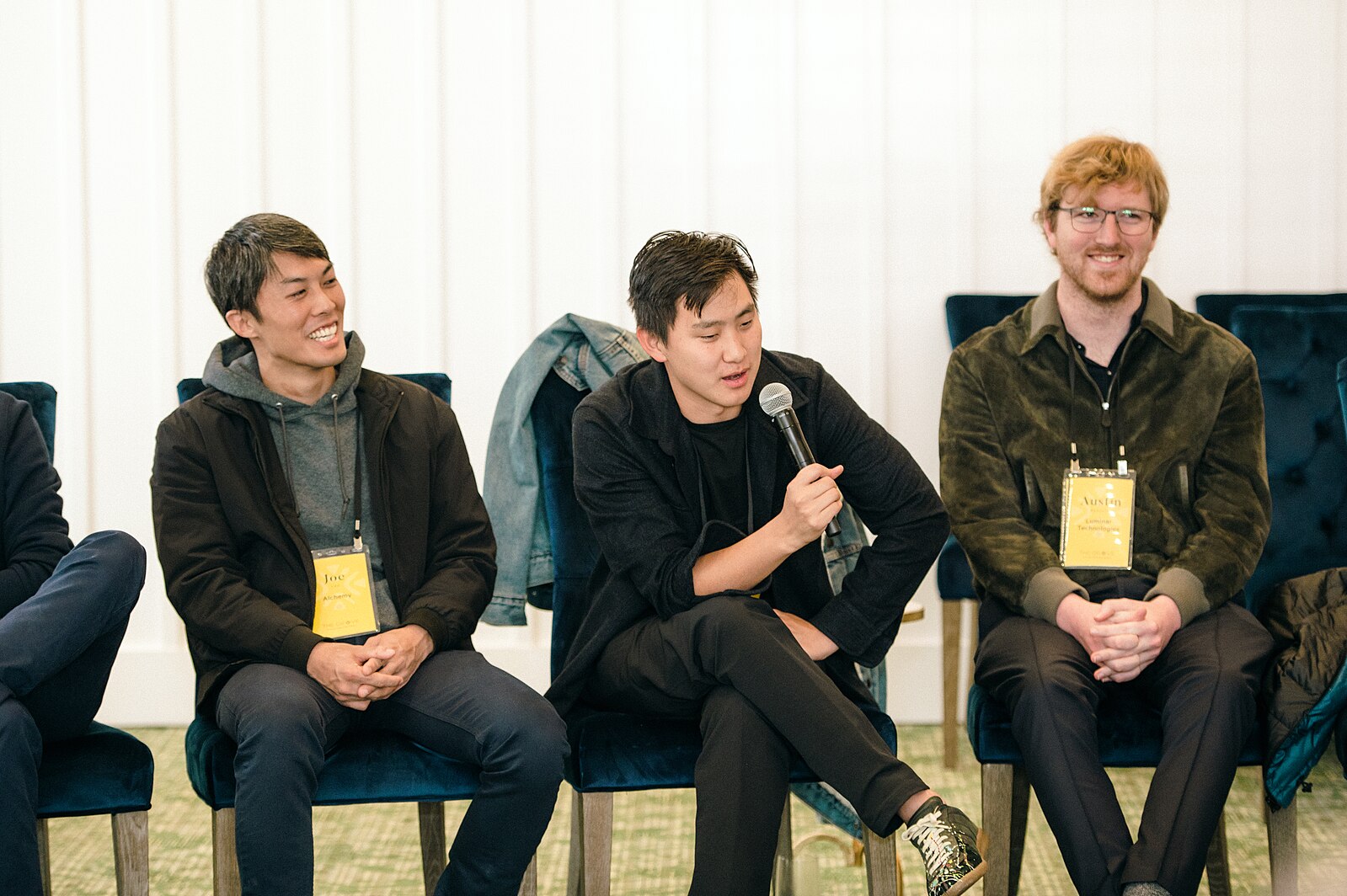
Alex Wang (middle)
Image Credit: Village Global from Wikimedia Commons


Take the Quiz: If you were a Never Have I Ever character, which one would you be?
Are you Crazy Devi, robotics queen Fabiola Torres, or maybe popular jock Paxton?
Nat Friedman (Pricetag: $1.1 billion)
Like Wang, Friedman attended the Massachusetts Institute of Technology (MIT). Before joining Meta, he was the CEO of GitHub and co-founder of the NFDG, a venture capital firm that has raised over $1.1 billion since its foundation in 2023.
Friedman’s expertise as a developer in enterprise software at GitHub made the 2018 acquisition by Microsoft a success, as evidenced by the climb in revenue from 250 million that year to 1 billion by the end of 2022. Moreover, NFDG’s investments in AI companies such as Safe Superintelligence, ElevenLabs, and Basis, quadrupled its funds in just two years. Friedman now co-leads the Superintelligence Lab alongside Wang.
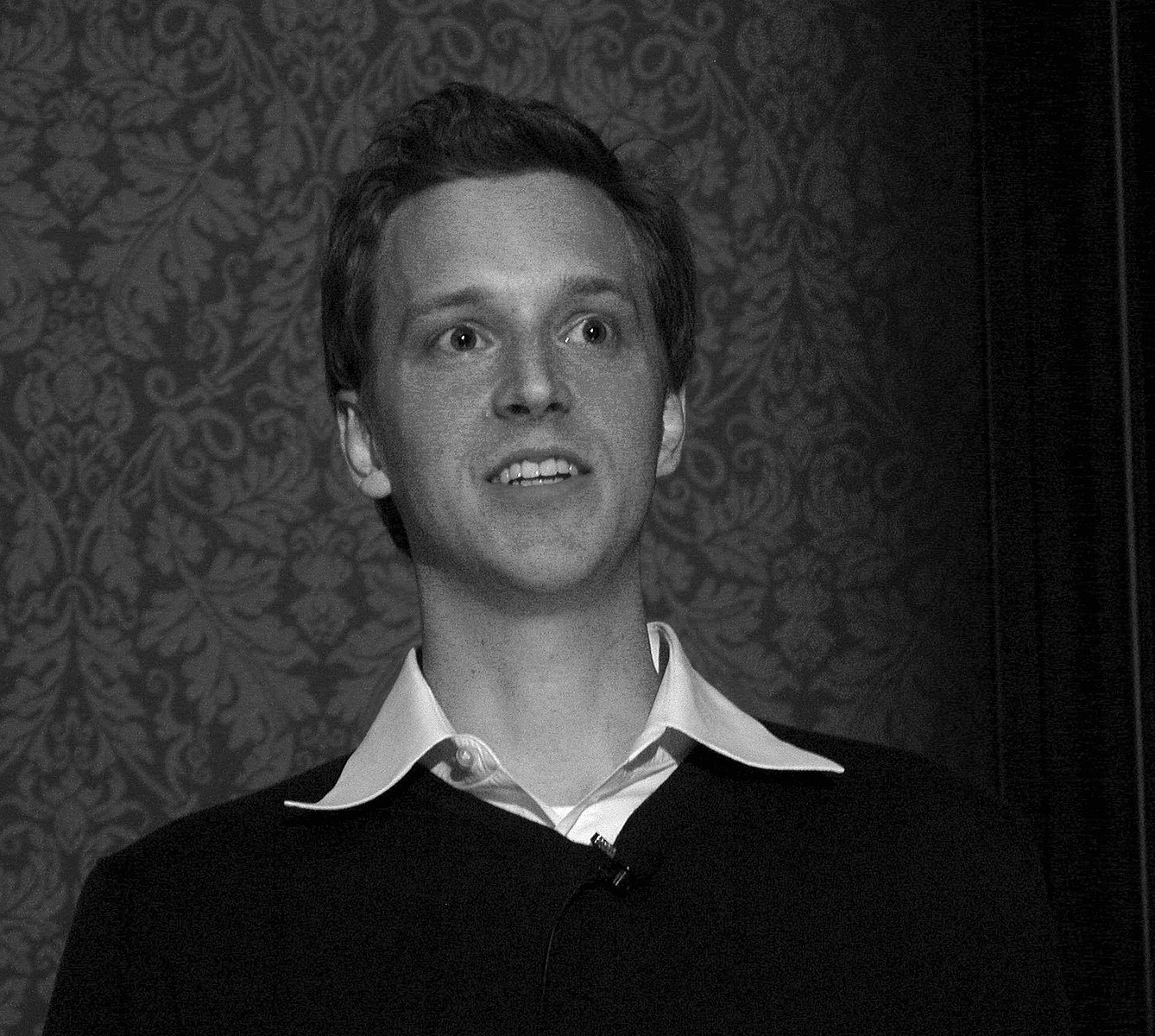
Image Credit: Doc Searls from Wikimedia Commons
Daniel Gross (Pricetag: $1.1 billion)
In 2010, Gross co-founded Cue, a search engine that aggregates an individual’s information and enables users to search across multiple social media platforms without needing to check each one independently. In 2013, Apple acquired Cue, and Gross took on machine learning for Apple. In recent years, Gross has focused on venture funding, working at Y Combinator, an American technology startup accelerator, and later co-founding NFDG with Nat Friedman (hence the acronym).
Gross is now leading the AI products division at Meta, bridging innovation to real-world implementation.
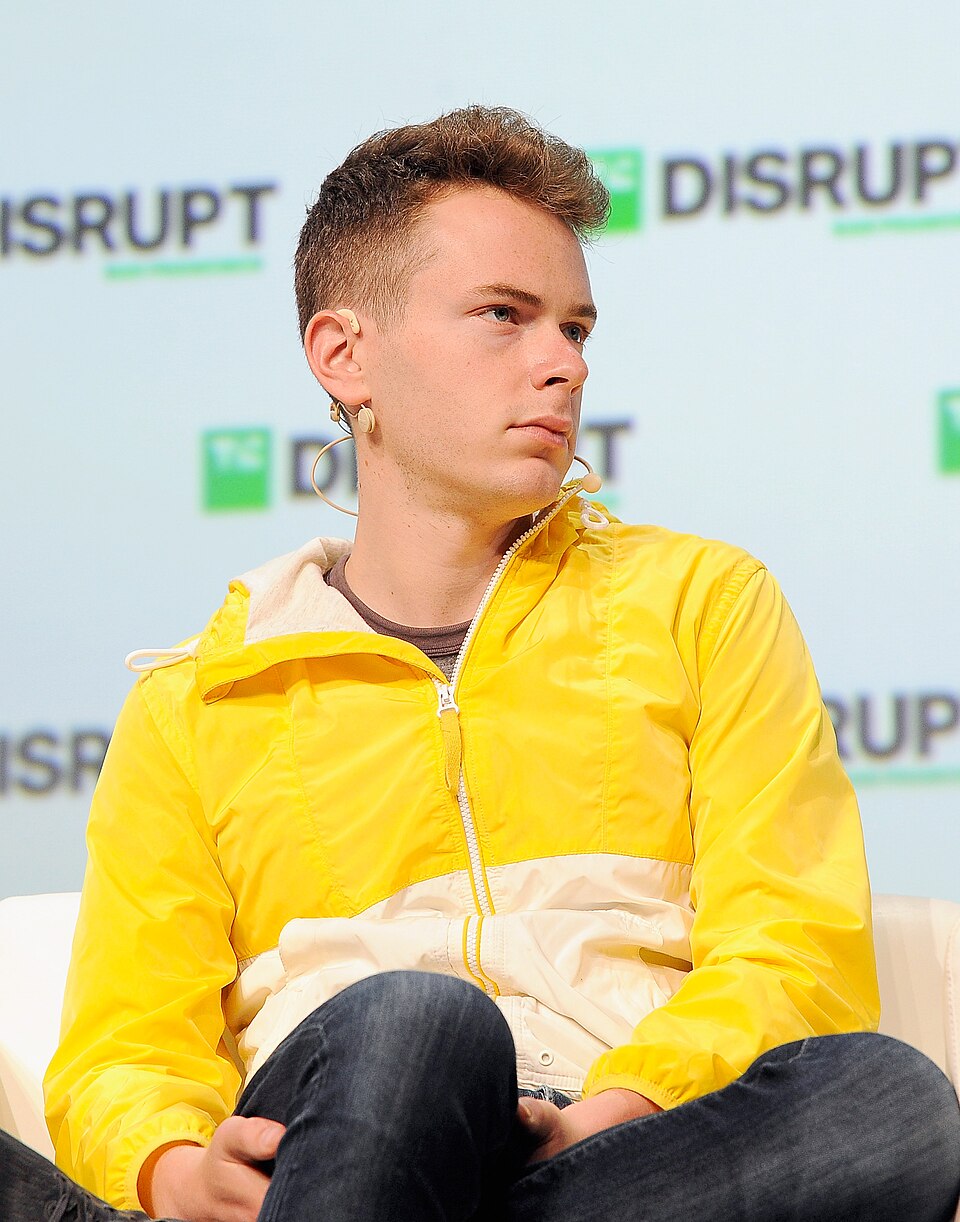
Image Credit: TechCrunch from Wikimedia Commons
Ruoming Pang (Pricetag: Internal earnings package of over $200 million)
Since 2021, Pang has been a senior distinguished engineer at Apple where he led the Apple Foundation Model (AFM) team and helped build the core foundation models behind Apple Intelligence. His work spanned everything from pre-training and post-training large language models to optimizing inference and developing AXLearn, Apple’s internal training framework.
Except for CEO Tim Cook, who earned $74.6 million last year, top executives at Apple all earn under $28 million annually. However, Zuckerberg has recently promised Pang a staggering compensation package of over $200 million to build, scale, and optimize the large language model for Meta’s ecosystem.
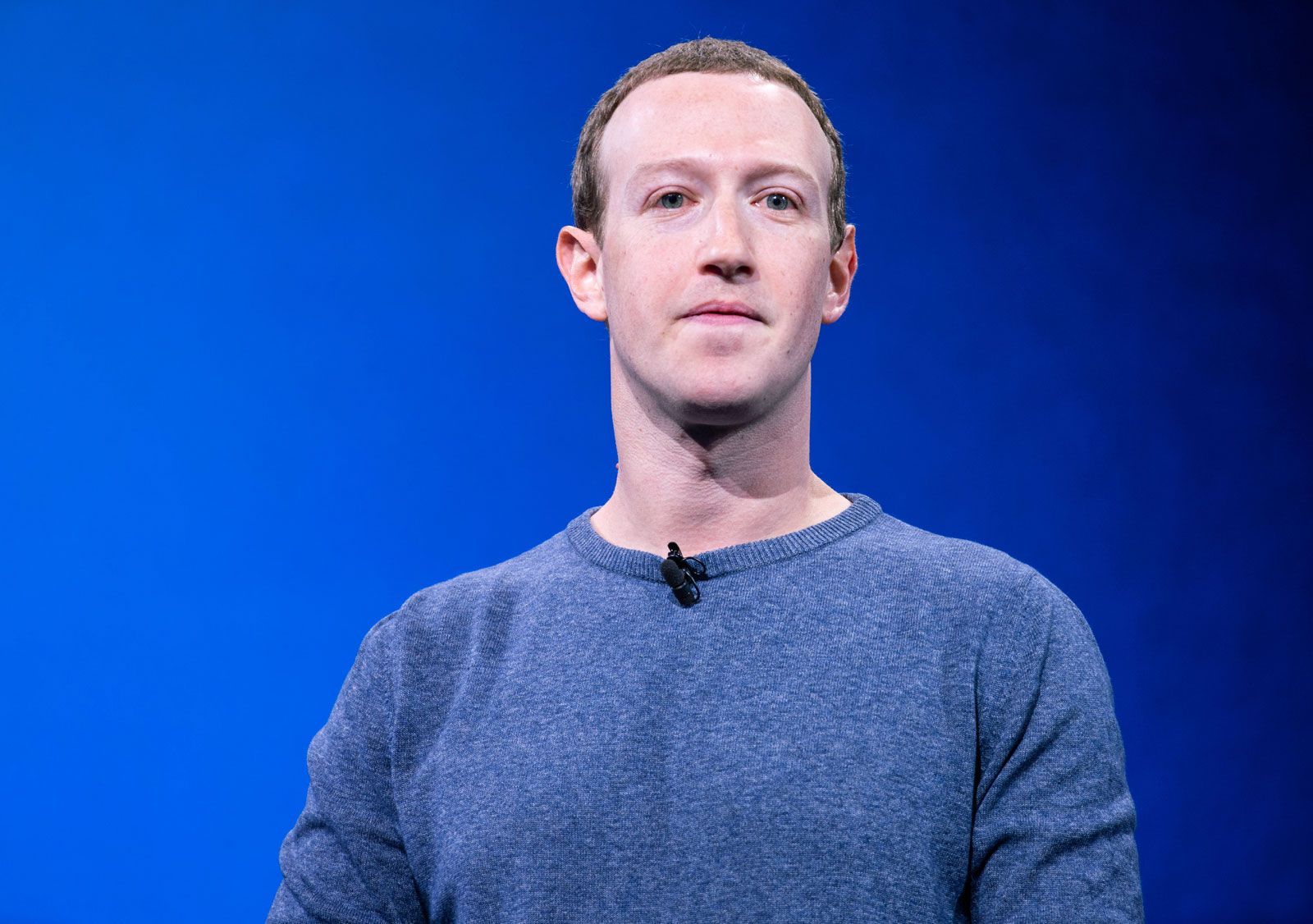
Image Credit: Anurag Dubey from Wikimedia Commons
Of course, Zuckerberg's vision for building the world’s most advanced AI takes more than four people and so the poaching continues. Zuckerberg, wallet in hand, is slowly (& successfully) spiriting away top talent from other tech companies such as OpenAI and Google. How this will affect the broader landscape for emerging AI technologies remains uncertain, but Meta appears well-positioned heading into 2026.
The Rest of the Team
Top talent slated to join the Meta’s Superintelligence Lab also includes:
Trapit Bansal — helped pioneer reinforcement learning with chain-of-thought prompting and was instrumental in developing OpenAI’s o-series models.
Shuchao Bi — one of the minds behind GPT-4o’s voice mode and o4-mini; previously drove OpenAI’s multimodal post-training efforts.
Huiwen Chang — contributed to GPT-4o’s image generation and was the original creator of MaskGIT and Muse at Google Research.
Ji Lin — worked across multiple key releases including o3, o4-mini, GPT-4o, GPT-4.1, GPT-4.5, and led development of the Operator reasoning stack.
Joel Pobar — focused on inference at Anthropic; before that, spent over a decade at Meta building tools like HHVM, Hack, Flow, and ML systems.
Jack Rae — served as pre-training lead for Gemini and drove reasoning for Gemini 2.5; previously spearheaded DeepMind’s Gopher and Chinchilla projects.
Hongyu Ren — co-designed models such as GPT-4o and its mini variants, and formerly led a post-training group at OpenAI.
Johan Schalkwyk — longtime Google Fellow and early engineer on projects like Sesame; technical lead for voice AI initiative Maya.
Pei Sun — led post-training and reasoning for Gemini; earlier, was behind the last two generations of Waymo’s perception systems.
Jiahui Yu — had a hand in shaping o3, o4-mini, GPT-4.1, and GPT-4o; formerly led perception at OpenAI and co-headed multimodal at Gemini.
Shengjia Zhao — co-developed ChatGPT, GPT-4, all mini versions, 4.1, and o3; led synthetic data research at OpenAI.






.jpg)
