




Welcome back to my series exploring the 24 jie qi (solar terms) in Traditional Chinese Medicine (TCM)! In TCM, the year isn’t just divided into four seasons; it’s separated into 24 jie qi based on the traditional Chinese calendar. Each jie qi lasts about two weeks and marks shifts in weather, energy, and nature. It guides us on how to eat, rest, and take care of our bodies.
Just a couple of weeks ago, Lìdōng (立冬, Winter Begins) reminded us to slow down, protect our energy, and warm our bodies. Now, Xiaoxuě (小雪, Minor Snow) ushers in the first frost, signalling that winter is settling in even more.
Let us slide into your dms 🥰
Get notified of top trending articles like this one every week! (we won't spam you)What Is Xiaoxuě?
Xiaoxuě begins around November 22 and lasts until December 6, marking the 20th jie qi of the year. Its name means “Minor Snow,” because this period often brings the season’s first snowfall, though usually light.
In TCM, the focus shifts from storing yang energy* to nourishing yin energy* and protecting the body from cold and dryness. The lungs, kidneys, and skin are especially sensitive at this time.
* Yang energy: the active, warm, bright, outward-moving half of yin-yang; linked to heat, vitality, and daytime.
* Yin energy: the cool, restorative, inward-moving half of yin-yang; linked to moisture, rest, and nighttime.
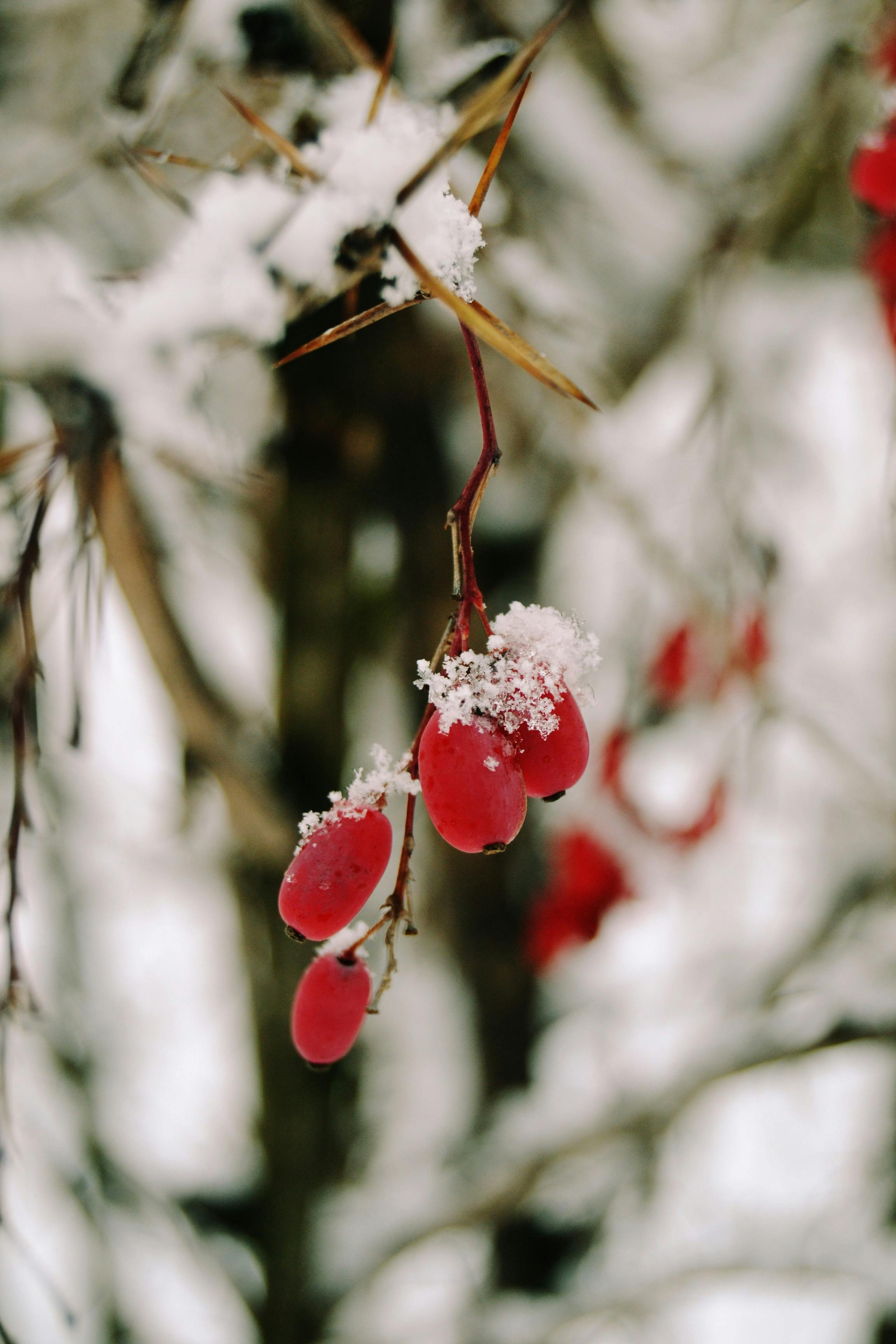
Image Credit: Duygu Kamar from Pexels

Take the Quiz: Discover Your Ideal Stress-Relieving Hobby
Everyone deals with stress differently, and finding the right hobby can help you relax and unwind. Take this quiz to find out which stress-relievin...
Wellness in Xiaoxuě
As winter deepens, your body craves more warmth and protection. A lot of the themes from the last jie qi (Lìdōng) still apply, but Xiaoxuě takes everything one step further. This is when the cold intensifies, the air gets noticeably drier, and your energy naturally turns inward. Here’s how to support your body during Xiaoxuě, according to TCM:
- Layering and Warmth: Keep your feet, lower back, and chest cozy to preserve kidney energy.
- Moisturize and Nourish: Cold, dry air can irritate the lungs and skin. Hydrating soups, stews, and teas support your body’s yin.
- Gentle Movement: Slow stretching, tai chi, or walking in fresh air keeps circulation flowing without exhausting your energy.
- Sleeping Early: Shorter days mean your body naturally needs more rest; staying up late now can deplete energy.
Seasonal Foods to Try:
Foods eaten during Xiaoxuě should be warming, hydrating, and easily digestible. Traditional favorites include:
- Pickled vegetables — Some examples include suāncài (fermented cabbage), pickled radish, garlic, and mustard greens; all winter staples stored to last through the cold.
- Warming stews & soup — Lamb or chicken stew, ginger chicken soup, and red-braised pork all nourish the body and keep circulation flowing.
- Root vegetables — carrots, taro, lotus root
- Beans & grains — black beans, millet porridge
- Hydrating ingredients — pears, white fungus, goji berries
- Teas — ginger–longan, red date, chrysanthemum
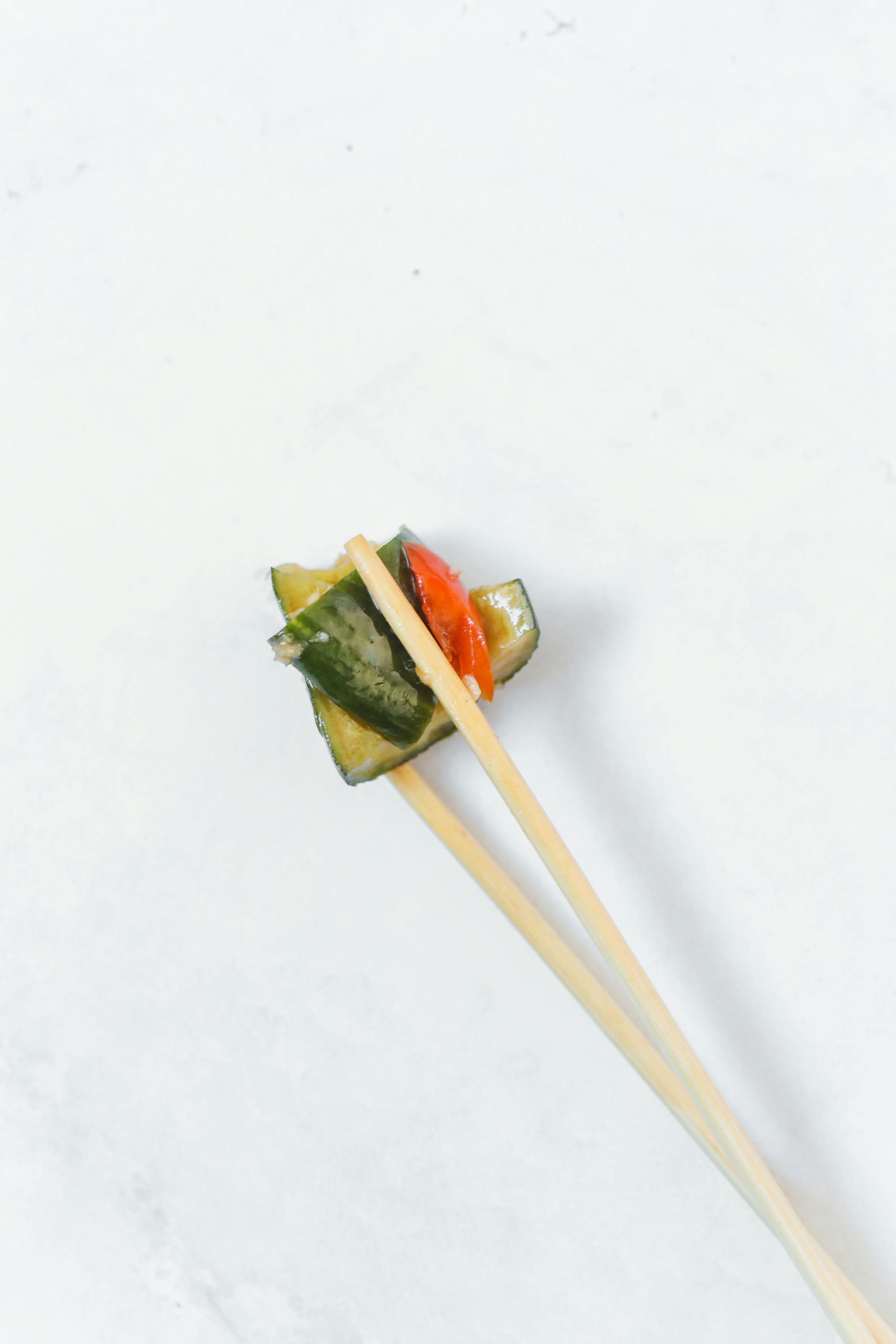
Image Credit: Polina Tankilevitch from Pexels
Why We Should Care
Xiaoxuě lines up with that time of year when everyone seems to be getting sick, and there’s a reason for that. As temperatures drop and the air gets drier, your immune system works harder to protect your lungs and throat.
In TCM, this is the moment when your wei qi (defensive energy) becomes more vulnerable to cold and dryness, making it easier to get sick if you’re run-down or not staying warm. This jie qi is basically your seasonal reminder to strengthen your body’s defenses now before deep winter hits. Small habits during Xiǎoxuě, like staying warm, hydrating, and resting earlier, help you stay healthy when everyone else is battling seasonal colds.
The Cultural Side
Xiǎoxuě has inspired farmers, poets, and families for centuries. In northern China, this period marked the start of winter preparations, especially pickling vegetables and making warming soups. Pickled vegetables were eaten all winter because they stored well and were believed to support the body’s yang energy as temperatures dropped. Many of the soup dishes also doubled as early forms of “补冬” (budōng), or winter nourishment.
See the cultural section in my Lìdōng article for more information!
Snow (especially the first snow) was a major symbol in classical Chinese poetry, representing clarity, purity, and quiet strength.
A fitting example is from Tang Dynasty poet Bai Juyi (白居易):
《问刘十九》 “Asking Liu Shijiu"
绿蚁新醅酒,红泥小火炉。
晚来天欲雪,能饮一杯无?
Translation:
Green foam on fresh, unfiltered rice wine,
A clay stove glows with warm red fire.
Evening comes, and snow is near—
Might you share a cup with me?
Takeaway
Xiaoxuě (小雪, Minor Snow) reminds us to slow down, stay warm, and nourish our bodies as winter continues to settle in. It’s a cue to listen to your body: layer up, eat warming foods, hydrate, and get enough rest so your energy is protected during the colder months.
Next up: Dàxuě (大雪, Major Snow), when winter deepens further, and cold intensifies. Stay tuned for more tips on keeping your body balanced, healthy, and aligned with the jie qi!