




Welcome back to my series exploring the 24 jie qi (solar terms) in Traditional Chinese Medicine (TCM)! In TCM the year isn’t just divided into four seasons; it’s separated into 24 jie qi based on the traditional Chinese calendar. Each jie qi lasts about two weeks and marks shifts in energy and nature and guides us on how to eat, rest, and take care of our bodies.
After Dōngzhì (冬至, Winter Solstice) signaled the return of yang energy, Xiǎohán (小寒, Minor Cold) reminds us that winter is deepening as we enter into the coldest part of the year.
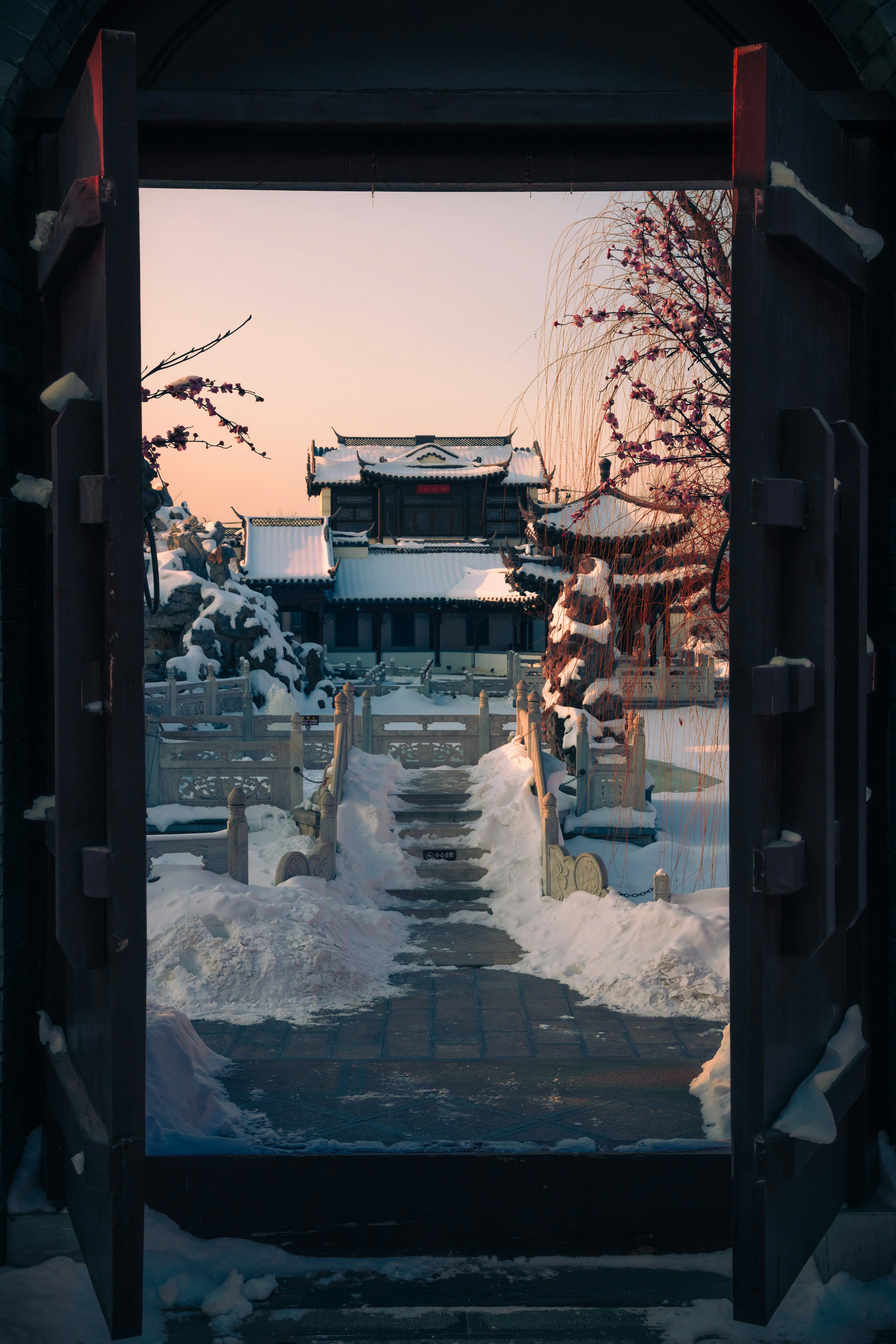
Photo Credit: Lianhao Qu from Unsplash
Let us slide into your dms 🥰
Get notified of top trending articles like this one every week! (we won't spam you)What Is Xiǎohán?
Xiǎohán is the 23rd jie qi of the year, starting around January 5 (285° celestial longitude) and ending around January 20 (300° celestial longitude). It marks the official start of the coldest period of winter and the first phase of the “shǔjiǔ hán tiān” (数九寒天) or the “counting of the nine cold periods” (explained later!) This jie qi emphasizes building energy rather than enduring the cold blindly.

Take the Quiz: Discover Your Ideal Stress-Relieving Hobby
Everyone deals with stress differently, and finding the right hobby can help you relax and unwind. Take this quiz to find out which stress-relievin...
Wellness in Xiǎohán (According to TCM)
Xiǎohán is all about protecting yang energy and nurturing the body as the cold intensifies.
- Keep Warm: Focus on the abdomen, lower back, and feet to protect kidney yang, which governs vitality and long-term energy.
- Gentle Movement: Light stretching, walking, or indoor exercises help maintain circulation without depleting energy.
- Avoid Extremes: Don’t overwork, skip meals, or push through cold weather. These can weaken the body’s defenses and disrupt the yin-yang balance.
- Rest: Sleep and relaxation are essential for replenishing energy during this cold period.
Seasonal Foods to Try
Xiǎohán focuses on warming, nourishing foods that support kidney yang and overall vitality.
- Laba Congee (腊八粥): A sweet, multi-grain porridge often eaten in northern China, warming the body and symbolizing a bountiful year ahead.
- Lamb: ”小寒大寒,吃羊肉.” A folk saying meaning that when Xiǎohán and Dàhán arrive, it’s time for lamb. This is because lamb is warming, nourishing, and perfect for the coldest days of the year.
- Warm Teas: Ginger, red dates, or cinnamon blends.
Regional Specialty Dishes:
- Nanjing “菜饭” (Cài fàn): Sticky rice cooked with preserved vegetables, salted meat, and sausage.
- Guangzhou: Sticky rice with lap mei (preserved meats) and scallions.
- Tianjin: Yellow cabbage (黄芽菜), a crisp, sweet pickled vegetable.
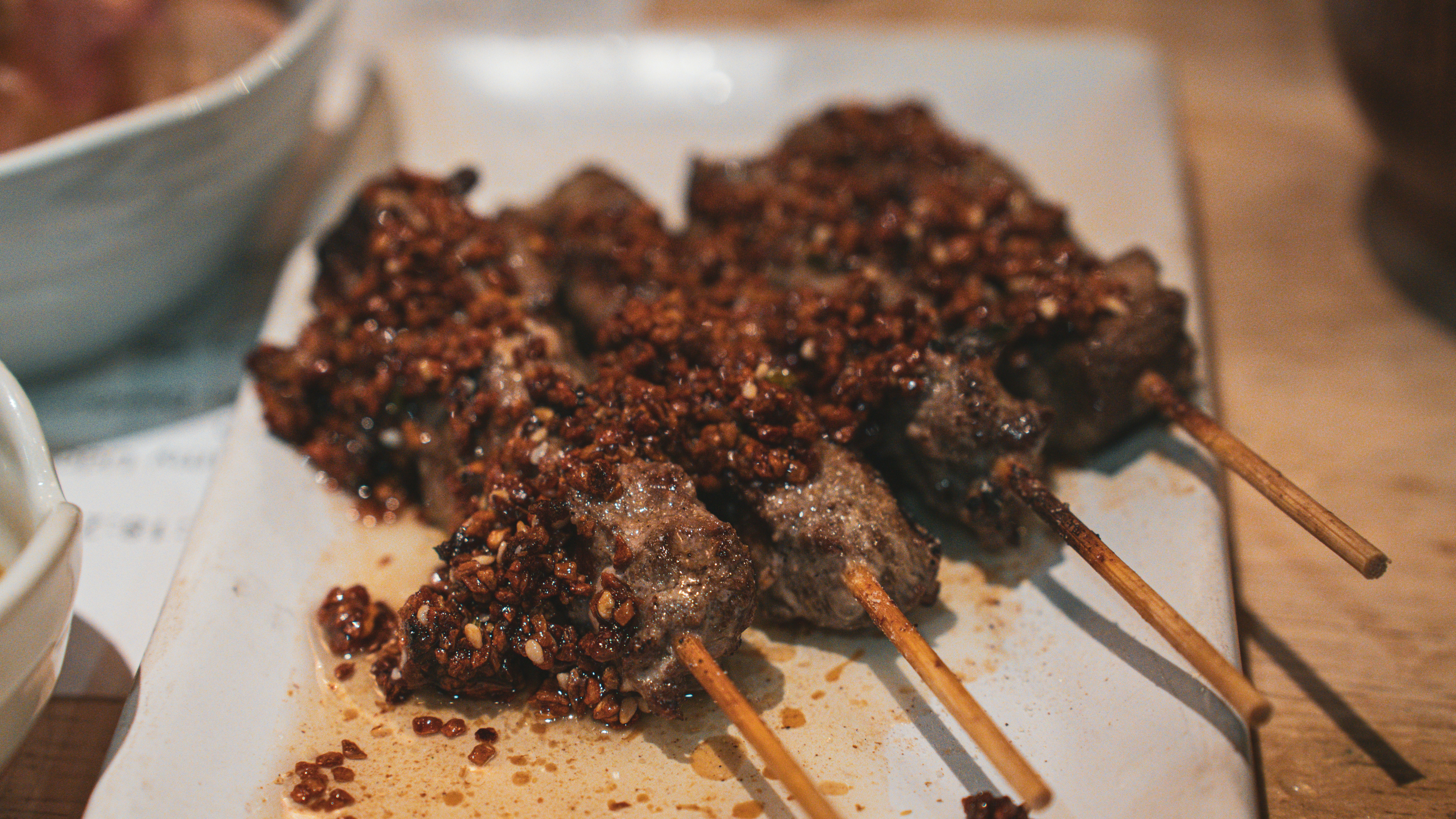
Photo Credit: Dennis Zhang from Unsplash
The Cultural Side
Xiǎohán signals the start of the shǔjiǔ hán tiān, a cultural practice where the 81 days after Dōngzhì are divided into nine periods of nine days each. Traditionally, families would mark a “九九消寒图” (Nine-Nine Cold Reduction Chart) drawing flowers, coins, or lines each day to track the passing of the cold and prepare for spring.
To capture the feel of the season, here’s a poem by Du Fu (杜甫) from the Tang dynasty:
“佳辰强饮食犹寒,隐几萧条戴鹖冠。春水船如天上坐,老年花似雾中看。”
Translation: Even on auspicious days, food and drink cannot warm the chill; in solitude, I sit at a sparse table, wearing my humble cap. The spring riverboats seem to float in the sky; old blossoms appear like mist in the garden.
Why We Should Care
Xiǎohán may seem like just another cold period, but how you treat your body now affects your energy for the rest of winter and spring. In TCM, the kidneys and yang energy are particularly vulnerable. Following the tips above strengthens your foundation and helps prevent fatigue, frequent illness, or low vitality. Xiǎohán is a time to cultivate before the cold reaches its peak in Dàhán.
Takeaway
Xiǎohán marks the deepening of winter but also the preparation for renewal. We can endure the cold while quietly storing energy for the year ahead.
Next up: Dàhán (大寒, Major Cold)—the coldest jie qi of the year and a perfect segue into the Lunar New Year preparations. Stay tuned for more ways to live in sync with the jieqi!