




For ages, the term “history” has been associated with dusty textbooks, old professors, and countless dates to memorize. However, for Gen Z, TikTok is changing that narrative. Viral trends and the ability to tell stories in just a few minutes are creating a modernized version of “history class” that takes place on a smartphone screen that can feel more real and relevant than anything young folks have read in a classroom.
Let us slide into your dms 🥰
Get notified of top trending articles like this one every week! (we won't spam you)A New Era of History Class
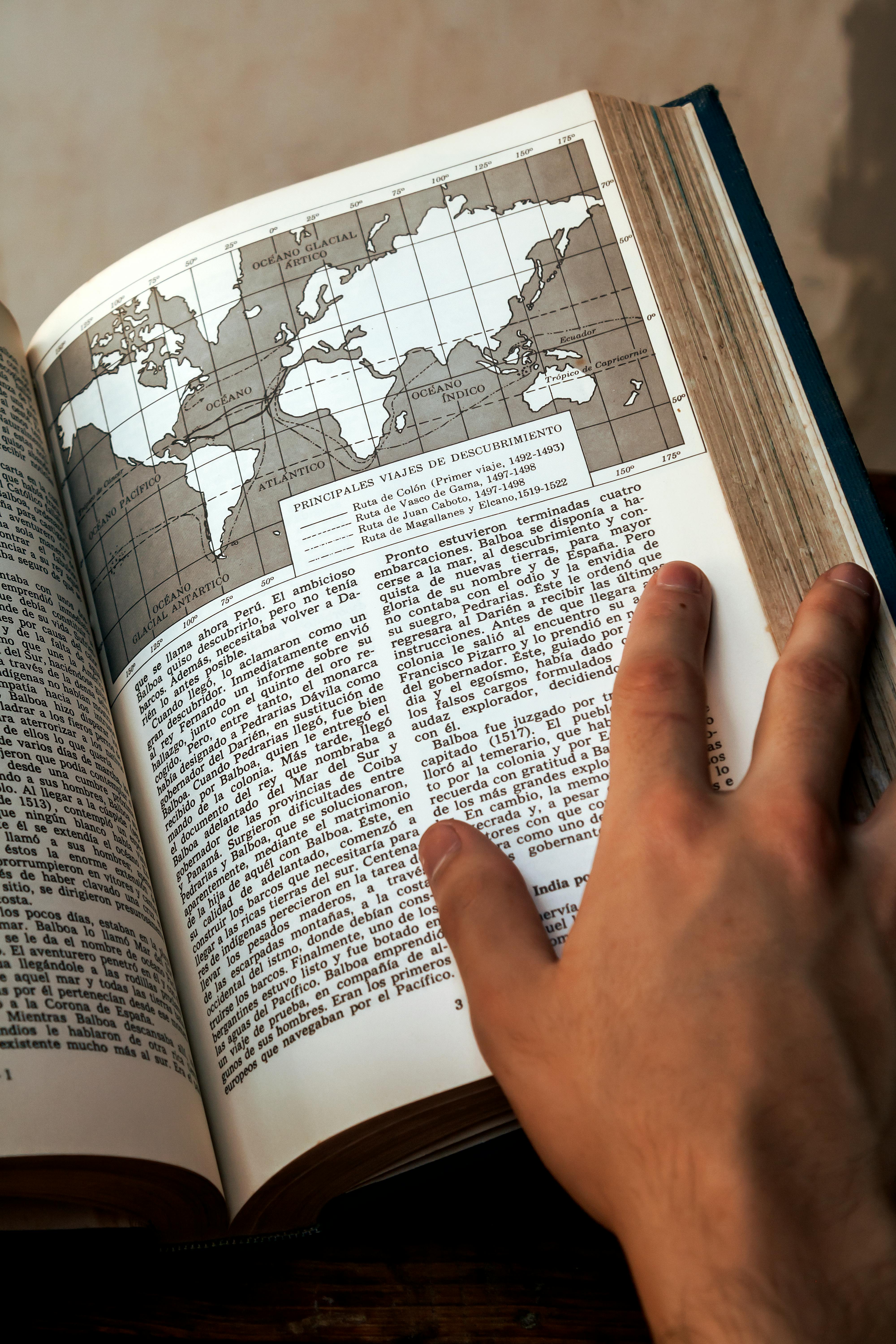
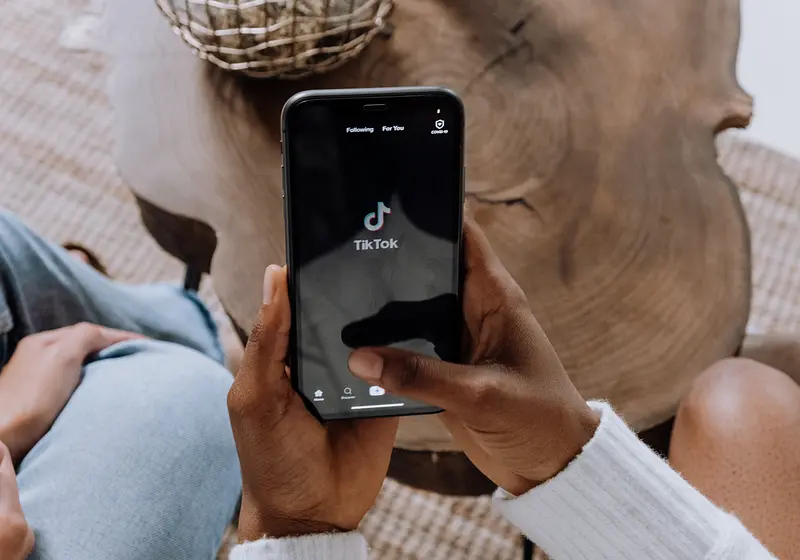
Photo by Arthur A on Pexels
TikTok's algorithm favors quick and engaging content, making it the perfect tool to teach history. According to a 2023 article by Common Sense Media, about two-thirds of teens say that they get some of their news from social media platforms, especially TikTok. Young users can now learn about the past through online platforms they use in their daily lives.
Currently, there's a trend on TikTok where AI-generated videos take users through a "Day in the Life" of historical figures, such as Marie Antoinette or a medieval wench. Videos like these bring history to life and are memorable to young viewers. Additionally, since many students struggle with deciphering traditional textbooks, creative formats like the ones available online offer an easy way in.
Another characteristic of TikTok is how it encourages participation. Users are able to duet, stich, or comment on videos to add their own reactions and questions. In this way, learning feels akin to a conversation rather than a lecture.
When viewers respond to videos with their own experiences or interpretations, learning history is an interactive experience which is difficult to replicate in a classroom.
Humor plays a role as well. Many Gen Z creators use satire in memes to tell historical stories in funny and original ways. Jokes about Henry XVII’s wives and the sans-culottes of the French Revolution make history approachable. On TikTok, history feels less intimidating, especially for students who may struggle with the subject in school.
Take the Quiz: What Kind of Political Personality Are You?
Ever wondered what role you’d play in the political world? Take this fun quiz to find out!
Fast Facts Have a Big Impact

Photo by Tirachard Kumtanom on Pexels
TikTok's short-form format only gives creators a few seconds to grab attention and delineate key points. To some, this may seem like a negative, but with the steadily decreasing modern attention span, the time limit actually encourages clarity. Creators are challenged to break down complex topics in digestible ways that are still respectful to the history's significance.
Content creators like @perezbrenna post "History in Under 10" videos that break down complex topics like the Iranian Revolution of 1979 in only a few minutes. Micro-lessons like Perez's are popular because they meet teens where they are: in a digital space of doomscrolling. These kinds of videos can serve as the first step into further research about important historical occurrences.
Micro-lessons are also easy to share. When a teen finds a video interesting, they can repost it or share it with friends, thereby spreading history organically.
Some creators make multiple-part videos that break one event into smaller chapters, giving more attention to detail without losing those with short attention spans. I love to binge-watch several parts in a row because it feels almost like watching a broken-up mini-documentary.
Visual Storytelling Can Personalize History
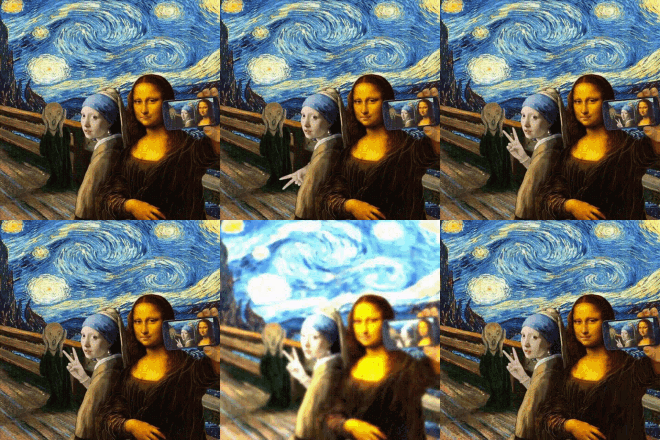
Photo by Donald Tong on Pexels
In contrast to textbooks, where facts are presented in a strictly academic tone, TikTok allows history to feel emotional. Creators wield visuals, music, and personal commentary to reenact events. Some dress in historical garb, and others use green screens or AI to place themselves in historical settings. Although these details sound small, they make a major difference in how people connect with the past.
For example, @historicalhan posts videos with text like "I'm bored. Tell me your most mind blowing history time perspective facts." Her comment section is a place for people to debate about different moments in history, leading to genuine curiosity, which is a pillar of historical learning.
In doing so, TikTok also brings forward marginalized voices. Topics such as colonization and indigenous movements are being spotlighted through creators telling stories that their formal education may have left out. It also humanizes the various struggles of the past by allowing creators to be incredibly vulnerable in their retellings of generational or familial suffering. Users from marginalized communities can feel seen when their histories are represented online.
Creators are also connecting historical events to current social issues. Videos from the Civil Rights Movement often appear alongside modern political commentary, hereby encouring views to draw lines between the past and present. Historical framing like this helps explain why certain events still matter today.
What This Means for the Future of History
Photo by Tomas Ryant on Pexels
There are valid concerns about the accuracy of some TikTok history content. A 2024 study from the Australian Institute of International Affairs sheds light on how misinformation spreads rapidly on social media platforms like TikTok. Because the app's goal is to promote viral content, oftentimes dramatic or flat-out incorrect stories receive more attention accurate ones.
Still, TikTok can be useful. In fact, many educators are now creating content themselves or using TikToks to jumpstart discussion in the classroom. TikTok is in no way replacing traditional history education, but it is becoming a supplement.
Teens could first hear about the Tulsa Race Massacre through a 30-second TikTok clip and then become inspired to ask deeper questions in class. I've even seen students make history-related TikToks in order to complete a school assignment!
Teachers use the app to teach media literacy as well to show students how to recognize bias and evaluate sources.
A Perfect Fit for an Online Generation
Photo by Jess Bailey Designs on Pexels
Teens already spend hours on social media, so history on TikTok is the perfect educational fix. It fits into the online spaces where Gen Z already dominates. At a time when the internet often places the new above the old, it's quite refreshing to see the past finding a vibrant life online.
TikTok historians are the beginning of a more decentralized form of learning history. On TikTok, everyone can be both a learner, and a teacher.