






We're constantly bombarded with headlines about Gen Z men: "They're all turning into neocons," "They're not drinking alcohol anymore!" "They can’t quit Kalshi."
Honestly? These takes aren't wrong, but they aren't entirely right either.
If you look under the hood, there is a generation of guys who are struggling with the same economic anxiety, loneliness, and uncertainty as the rest of us. It's just that the media keeps fixating on young men, as if they're a political mystery to crack.
Here's what actually might be going on.

Image Credit: Matheus Ferrero from Unsplash
Let us slide into your dms 🥰
Get notified of top trending articles like this one every week! (we won't spam you)Beer Won't Win Boys Back
In June, the Wall Street Journal ran an op-ed arguing that we should lower the legal drinking age to 18, as if that were the key to reconnecting politically with young men. The piece goes on to argue that 18-year-olds can vote and join the military, but they aren't old enough to enjoy alcohol, and therefore, Gen Z men feel "infantilized."

Image Credit: Wil Stewart from Unsplash
But Gen Z is choosing to drink less than any previous generation. A LOT less. This past Memorial Day weekend, beer sales dropped nearly 8% compared to the year before.
Beverage brands are going all-in on zero-proof, or low-alcohol beer, spritzers, and adaptogenic "wellness" beverages. Most young people aren't trying to return to frat-house days. They're not trying to puke on a random Wednesday night.
So, trying to appeal to young male voters with beer at an earlier age is a total misfire. It's like trying to recruit STEM majors with glitter pens and manifestation journals (btw nothing wrong with either).
Take the Quiz: What Kind of Political Personality Are You?
Ever wondered what role you’d play in the political world? Take this fun quiz to find out!
Gen Z Men Swung Right. Then They Didn’t
After the 2024 Trump re-election, political pundits freaked out: they didn't realize how many Gen Z men voted conservative.
They weren't entirely wrong. Many young men, particularly independents, did vote for Trump, mainly because: (1) Economic frustration, (2) Anti-institutional bias.
But recent polls show that support for Trump has collapsed. Trump's approval among independent young men fell from 50% to 32%, and 47% say he's making our economy worse.
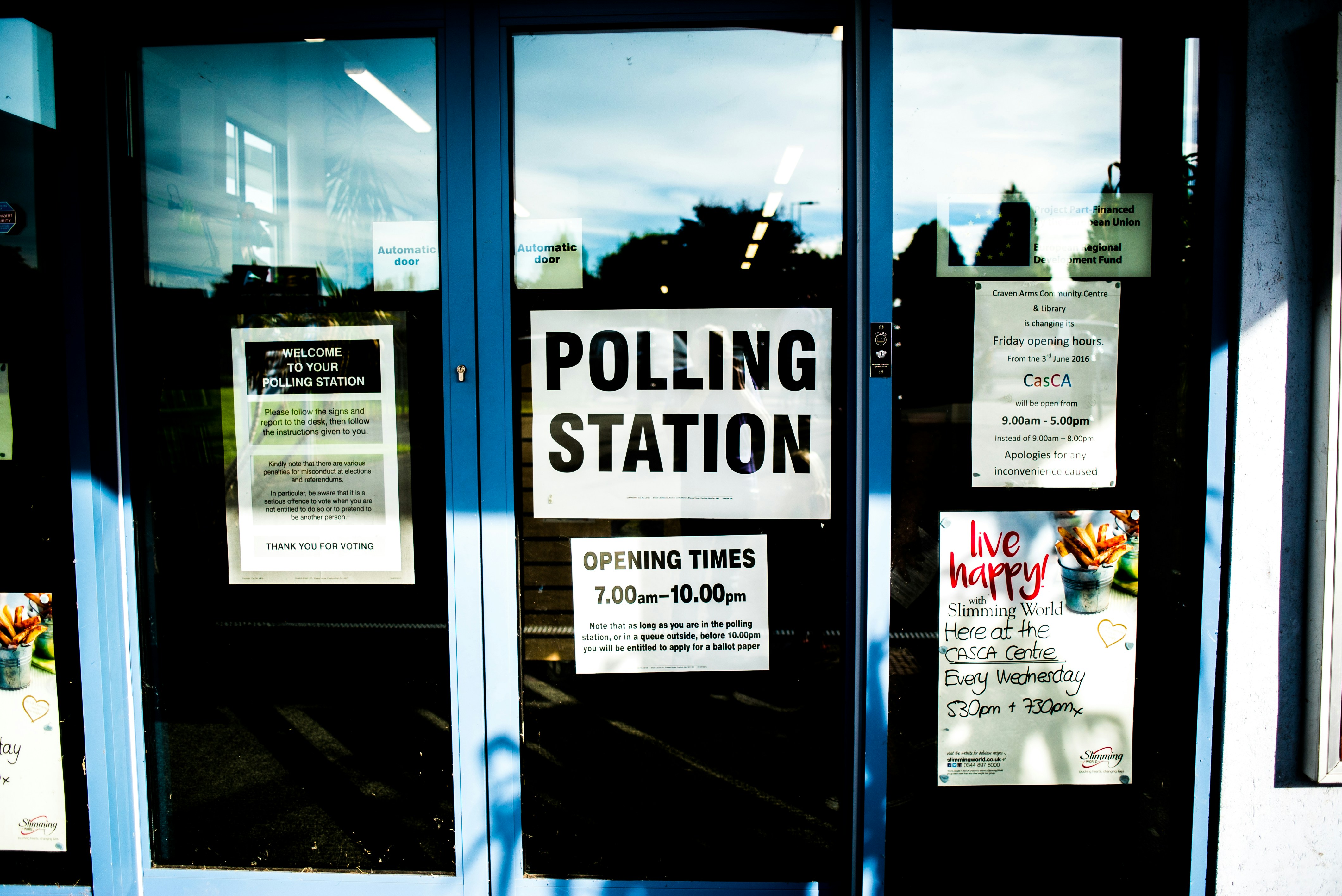
Image Credit: Elliott Stallion from Unsplash
So, are young men turning conservative? Are they turning liberal? Actually, it's neither. They're becoming… politically homeless.
Gen Z men aren't choosing a side. They're rejecting both Democrats and Republicans, and responding to whoever talks about lowering the cost of living and general affordability.
That's why we saw Virginia governor-elect Abigail Spanberger win young men by 14 points, and NYC mayor-elect Zohran Mamdani absolutely crushed among 18-29-year-old males. These candidates weren't talking down to Gen Z; they showed that affordability is the key issue, and Zohran showed up where young men actually hang out: podcasts, streams, and social.
When Wealth Feels Out of Reach
For many young men who can't afford to buy a house or pay rent, and who are losing trust in institutions, day trading, sports betting, and crypto feel like the only viable "financial opportunity" on offer.

Image Credit: Kvnga from Unsplash
But as the Atlantic points out, the outcome is predictable: Young men will lose billions on apps designed to keep them hooked. It's not stupidity. It's scarcity.
When the traditional paths to financial stability feel closed, you grab onto whatever door is cracking open, even if it leads you into a casino disguised as a harmless app. These are basically do-it-yourself retirement plans for people who feel shut out of real ones.
More To The Story
If you listen to Scott Galloway, you've seen stats like: Men are less likely to attend college. Men are more likely to live with their parents. Men report higher loneliness.
Men are exposed to intense "masculinity" content. Influencers now matter more to young men than family, institutions, or traditional media.
This is all true.
Image Credit: Alexander Londoño from Unsplash
But, as the New Yorker points out, focusing only on Gen Z men distorts the bigger picture: Gen Z women are suffering too, and often they suffer in the worst way. Gen Z women are overrepresented in low-paid care jobs, show higher levels of anxiety, and are increasingly facing depression and suicide attempts. It's not that young men aren’t facing a crisis. It's that everyone is in crisis, but the spotlight is distorted.
The New Masculinity Marketplace
The Financial Times describes the booming industry built around "fixing" men. It's about peddling "Become a Man" courses, workout hustle, productivity bootcamps, and "Manly walking tutorials" (yes, that's a thing).
There are influencers out there claiming that laughing is unmanly. Meanwhile, the Washington Post reports that 70% of boys have been exposed to digital masculinity content. 1 in 4 young males feels pressure to change their bodies. And influencers are now their top source of "inspiration."
This issue is not just about politics or culture wars. It's about algorithms filling the vacuum left by our traditional institutions. In fact, when school, family, community, and government seem to be failing us, seem far away, or seem out of touch, TikTok or YouTube is happy to step in.
The Real Deal
The real answer is that young men aren't becoming more extreme. They're becoming more uncertain. They're not swinging right or left.
Gen Z is swinging away from systems that feel like they've already failed them. They are not obsessed with beer; they are obsessed with taking control in a world that feels out of their control. Young men are not radicalizing en masse; they're looking for direction and inspiration, and they're getting fed whatever the algorithm decides is "masculinity."

Image Credit: Arkana Asido from Unsplash
And the biggest misunderstanding in all of this is that people assume young men are some puzzle to be solved, when they're just young people trying to make a life at a time when there are fewer and fewer assurances.
So if you're a Gen Z male and reading this, remember you’re not a point on some pollster's graph. You aren't the caricature in some other political op-ed. You are redefining what masculinity and the political landscape really mean.
Not because you want to, but because the world changed and nobody updated the manual. The media is confused about you. Politicians will misread you. Algorithms will definitely try to control your thinking.
But all that means is you have power. You just have to figure out how you'll use it.
