






Have you ever noticed that one quiet kid in class? You might have, or you might not have noticed, because you’re busy with your own friends, gossiping. This is his story, Once upon a time, he was an extroverted kid, but his friends either left the school or found new circles.
Now, he’s feels lonely not because he wants to be, but because he has no one to talk to, no one to share his feelings with, no safe space to be open. Instead, he’s mocked by classmates for “cringe” jokes, boring person personality, or simply for being kind (which, apparently, is a crime now). That mockery slowly turns into constant comments about his looks, religion, or even race and eventually, he becomes the quiet kid the one who doesn’t share what he feels, assuming every conversation is another trap and every laugh is aimed at him.
His story isn’t rare. You’ve probably lived parts of it yourself. Yet in teen communities, silence is often mistaken for peace and normalized as “he’s just weird” or “mysterious,” when in reality, he might be overthinking and constantly feeling left out.
Some people will recognize themselves here. Others might recognize someone they know.

Image Credit: Photo by RDNE Stock project
Let us slide into your dms 🥰
Get notified of top trending articles like this one every week! (we won't spam you)When Silence Begins
No one is born an introverted person, this trait develops over time when you’re in the wrong environment, which in psychology is known as environmental and social conditioning, where repeated social experiences shape how a person responds to their surroundings. When you look around and the world seems to make you feel left out and misunderstood, this feeling slowly creeps in with every conversation.
You start feeling safer and more understood by your own self, a mechanism of your brain trying to protect you from opening up because it’s scared of judgment. Social media contributes to this significantly.
For example, if you see someone posting pictures of himself with poor fashion sense or looking overweight, you might consider making a joke out of it or laughing on it with your peers. It sounds fun until you see the other side of what he might be going through, or that he is just trying to be better. Social media nowadays has set unrealistically high standards for how humans should look and behave, but in reality, it is just making us asocial.
Teens scroll through social media trying to find someone who understands them not because they are desperate, but because they never felt heard. That fear of being seen as weird makes them more vulnerable, and at times, even when they’re heartbroken or under immense academic stress, they stay silent as no one asked, because nothing looked wrong.
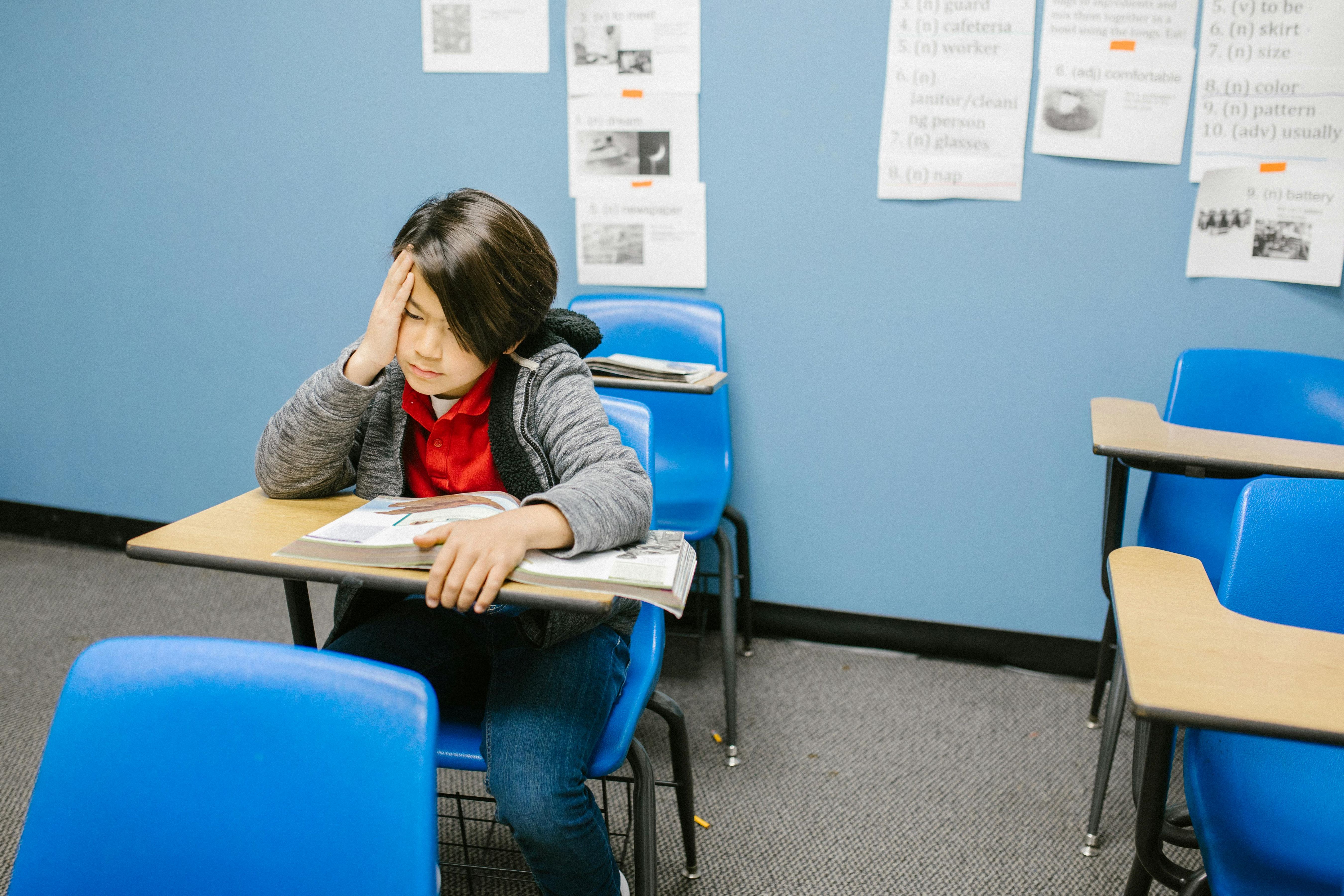
Image Credit: Photo by RDNE Stock project


Take the Quiz: Religion, Schools, and Equality
Religion in Schools: Teaching Respect, Not Bias.
From Speaking Up to Shutting Down
Sometimes, the people who say the least are hoping the most to be heard. I resonate with this line a lot, as since my teenage years, I’ve felt this feeling myself. I had that one friend who used to mock me for my looks, make jokes about my religion, and ask questions I wasn’t really comfortable with and many of you reading this are familiar with that reality.
Being from India, I feel culturally blessed, but many teens here experience abuse or normalize abusing friends as a way of showing strong friendship. This often happens to that one quiet kid, who ignores it and takes it as a joke because his teachings from parents and teachers taught him not to abuse someone just to make the group laugh.
Sometimes we question ourselves is this really normal, or is it something we learned as kids from seniors at school, or from people fighting on the road? This all affects mental peace and slowly turns silence into a survival mode, where you’re not trying to be like others and are pretending to feel okay when someone laughs at you for who you are. After being laughed at enough times, staying quiet feels safer than being honest.

Image Credit: Photo by Mikhail Nilov
Silence Mistaken as Peace
In teen communities, silence is often misunderstood as stability or a sign of maturity, when in reality it is a way to avoid judgment. This results in people around you thinking you’re boring or just there for the sake of it and so you even start losing friends, because you never showed your authentic self . You were afraid that pushing your horizons or sharing opinions that conflict with others would land you in shame and disrespect, making you feel like you don’t belong there.
And honestly, you should never try to fit in just to feel like you have someone, when your inner core knows you’re only pretending to be okay with what’s happening. The problem isn’t that teens don’t speak it’s that when they stop, no one asks why. We normalize quiet suffering because it’s easier than confronting discomfort. And so, silence is praised as peace, while the thoughts behind it grow louder every day.
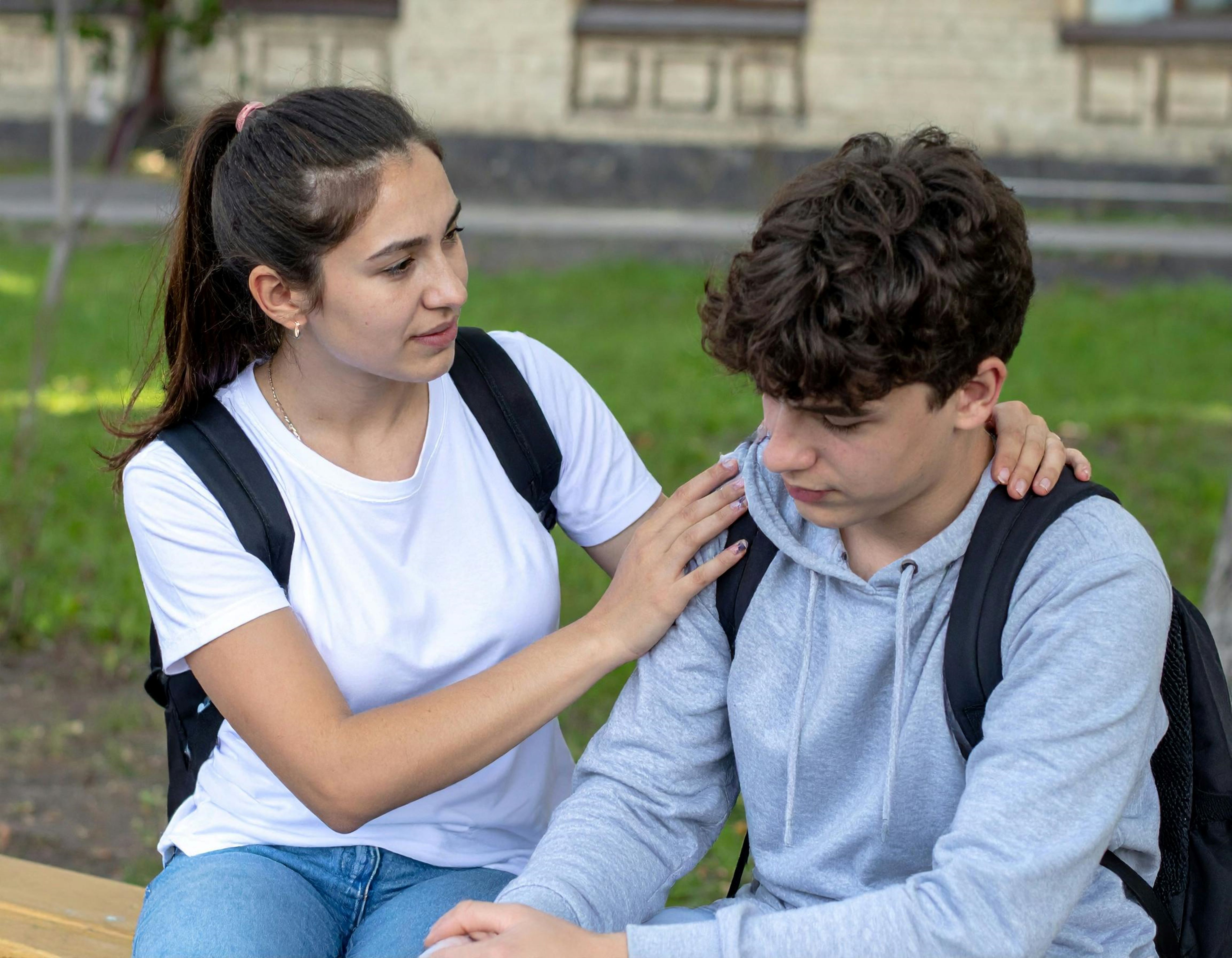
Image Credit: Photo by Haolin Li
What We Can Do Better as a Teen Community
If we want to bring even the slightest change, we have to start with ourselves. We need to look at our connections and ask whether they are real and genuine i.e where you feel heard, where your unfiltered version exists guilt-free. Question yourself: Is this the kind of person I want to be someone who stayed quiet throughout their teenage years when they could have pushed themselves, spoken their thoughts, and tried making new connections? All we need is environments where jokes are harmless, boundaries are respected, and people show up for each other when needed.
As Gen Z, we should be proud that our generation has started understanding how important mental health is and how damaging it can be when our mental state is not at peace. We should apply this understanding in our lives remembering that we live for ourselves, not for others and that friendships or relationships built on unfiltered versions of ourselves last longer, stay real, and remain meaningful till the end.
