





“In the end, we will remember not the words of our enemies, but the silence of our friends.”
- Martin Luther King Jr. (1963)
In 1963, eight white Alabama clergymen publicly criticized protests led by Martin Luther King Jr., calling them “untimely” and “extreme". From a jail cell in Birmingham, King responded with what became the Letter from Birmingham Jail. In it, he wrote that the “greatest stumbling block” to freedom was not the Ku Klux Klan, but the white moderate who preferred “order” over justice, or in other words, those who remained neutral.
Neutrality was a privilege those clergymen could afford because segregation did not threaten their daily lives or authority. For Black Americans facing violence, discrimination, and legal inequality, neutrality was not an option. Silence did not protect them. It only protected the system.
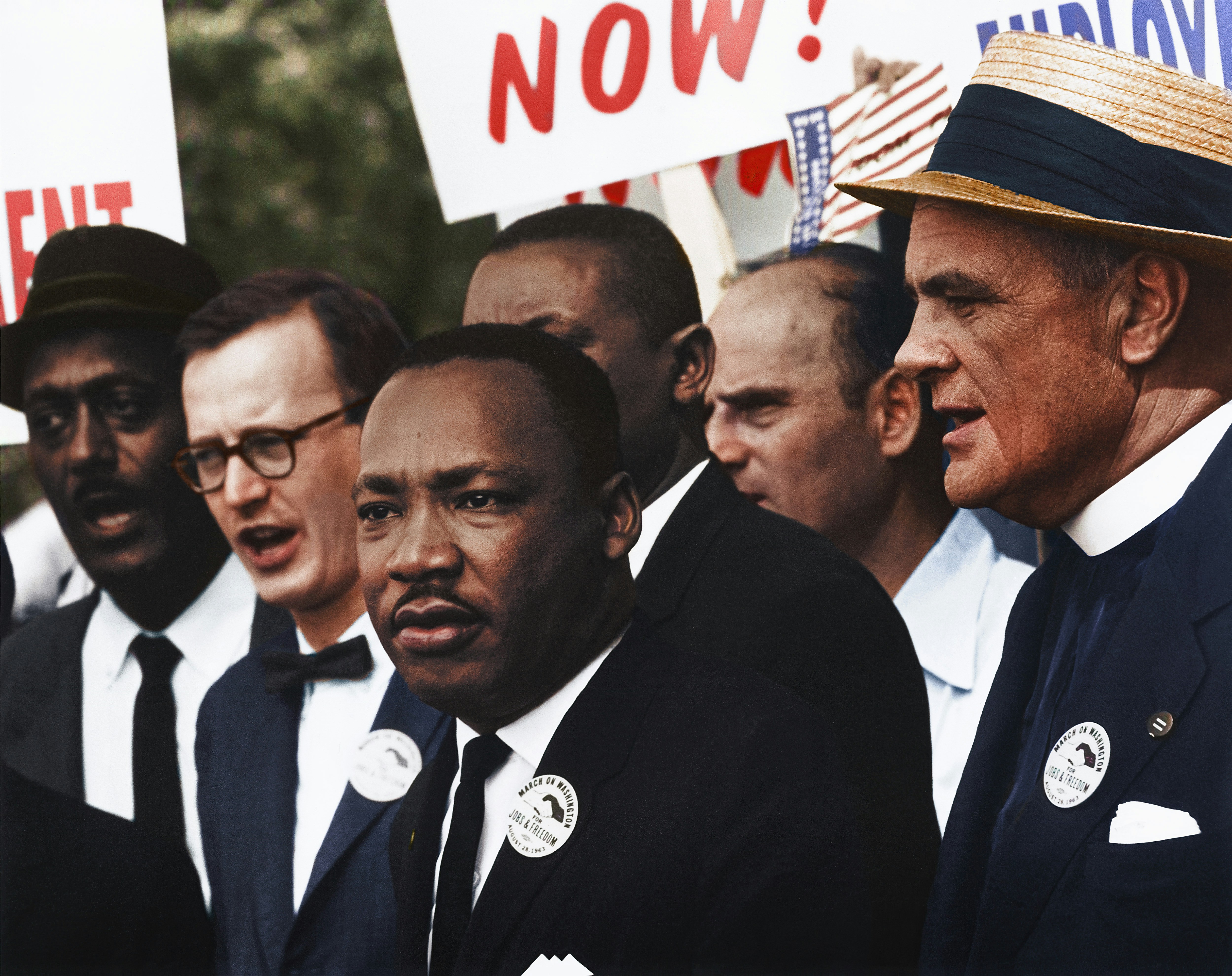
Image Credit: Unseen Histories from Unsplash
Let us slide into your dms 🥰
Get notified of top trending articles like this one every week! (we won't spam you)1. The Illusion of Neutrality
Some people experience politics the way that they experience weather. Small talk when you have nothing to say, arguments at the dinner table for entertainment or sometimes even something to complain about, but ultimately it's experienced from indoors. They might forget about the subject on a Monday morning and it won't change their daily routine, threaten their safety or decide whether they are free today.
To most people in these cases, being 'politically neutral' seems most rational, most mature or even ethical. "I'm not a political person", "I don't like to get involved", "It's too complicated". And yes, sometimes it is complicated. There are debates where the facts are unclear, or disagreement does not endanger anyone's rights. But not all conflicts are like that.
Take the Quiz: What Kind of Political Personality Are You?
Ever wondered what role you’d play in the political world? Take this fun quiz to find out!
2. Choose your Battles
All political issues exist on a spectrum, every conflict on a different level. Some are surface level or trivial disagreements that may inconvenience but do not necessarily endanger anybody. Other conflicts operate much deeper, the outcomes shaping who has access, protection and opportunity.
For example, a debate about housing policy may sound technical and irrelevant until it determines who is displaced. Afterall, nobody is neutral when they are the ones getting affected. Similarly, a discussion about voting laws may seem merely a procedural call until it decides whose voices are heard and credited.
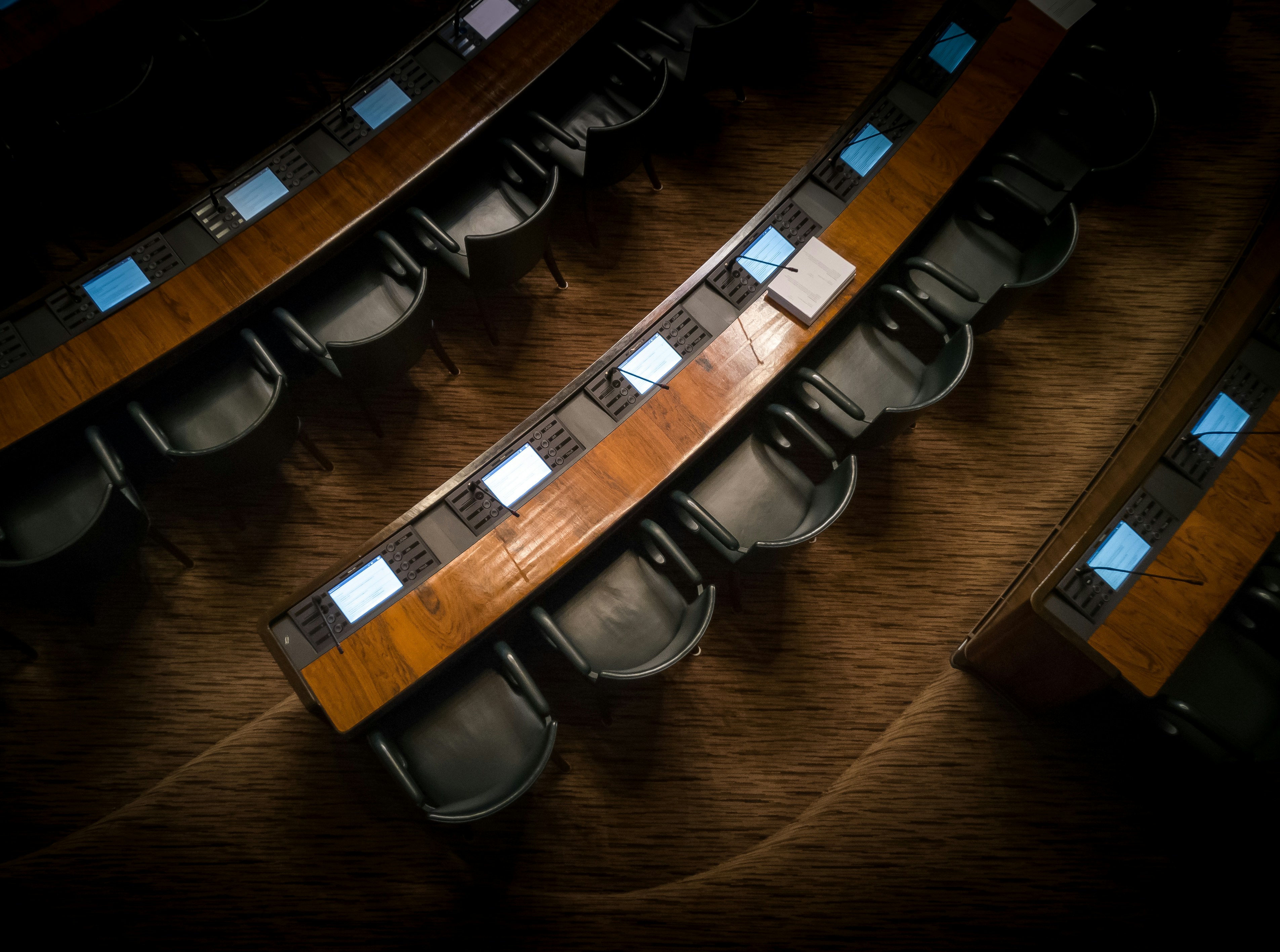
Image Credit: Joakim Honkasalo from Unsplash
3. Psychology of Neutrality
Neutrality isn't always just ignorance or lack of empathy, it grows out of self-preservation. Taking a stand with pride in unjust scenes is to risk something. Whether it may be social reputation, relationships, professional standing or even physical safety.
Conflicts threaten social belonging, and humans are wired to protect their place within a group. Here, neutrality is not necessarily because a person defends injustice or believes it is acceptable, but more about calculating risk.
4. Why “Not Choosing” Is Still a Choice
There are moments when politics stops being a matter of opinion and becomes a matter of existence. When laws determine who can marry whom. Who can vote.
Who can attend school safely. Who is protected, and who is policed. If politics feels unavoidable, that suggests proximity to its impact.
The option to log off, change the channel or say “this doesn’t concern me” is more than a personal temperament. It is proof that the system, however imperfect, is not actively built against you. Because the freedom to stay out of it is itself a form of security. And at its core, neutrality here, is complicity.
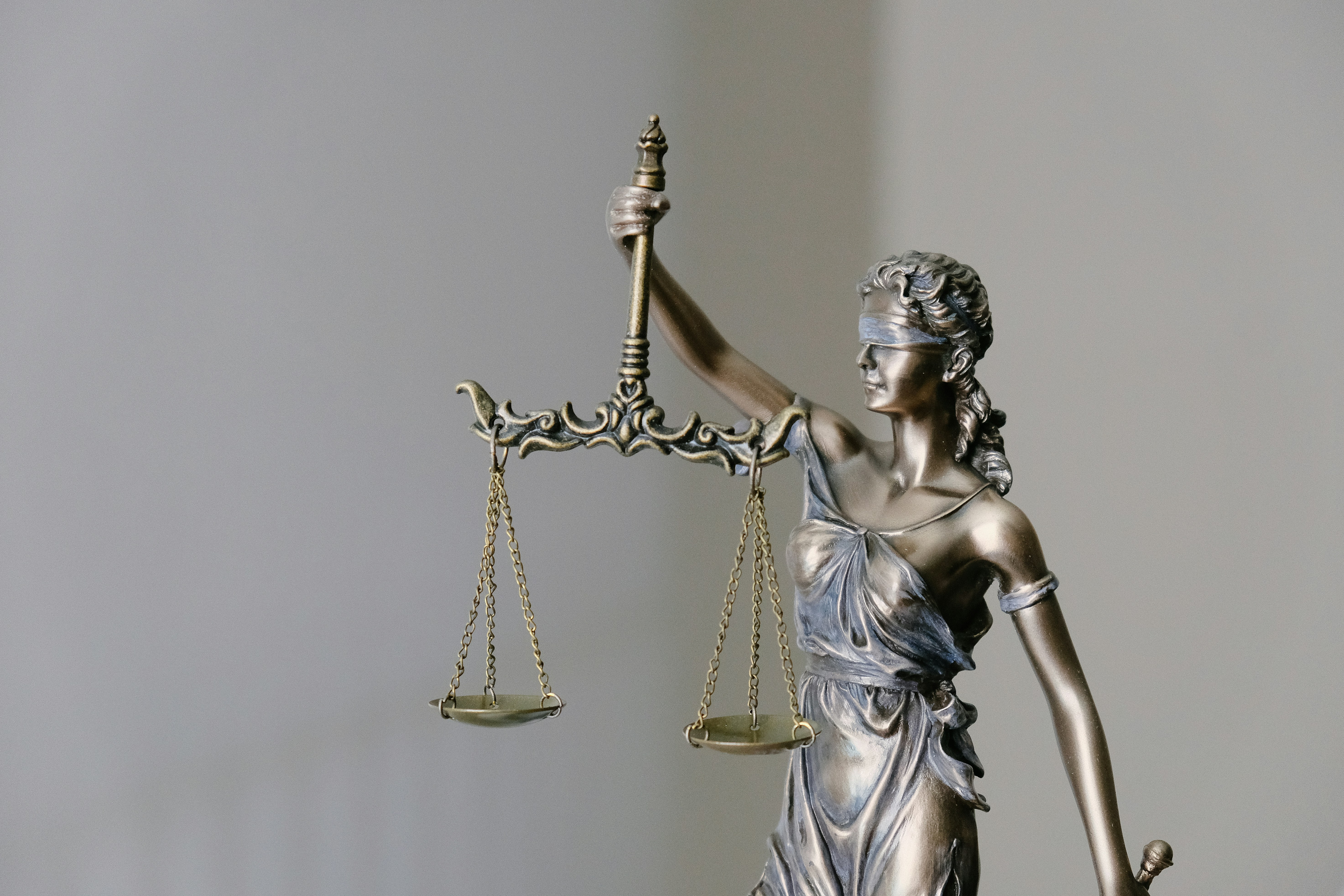
Image Credit: Tingey Injury Law Firm from Unsplash
5. Neutrality isn’t always bad
This isn’t to say that being neutral is always bad. You don’t always have to choose a side and actively defend it when the argument is about whether enchiladas are better than tacos. In debates where outcomes do not threaten anyone's rights, stepping back can even reflect a sign of intellectual humility rather than indifference. The fact of the matter isn’t that neutrality is always wrong, It is whether neutrality is equally available to everyone.
6. Moral Responsibility vs. Moral Performance
Simply choosing a side, however, is not the same as fulfilling responsibility. The truth of today's world is that it is very possible to look engaged without being committed. Not to say that awareness isn't important, but reposting a reel about the harmful impacts of AI while actively using ChatGPT to write every email isn't really being committed to the issue.
Moral responsibility is what one is willing to risk, change, or sacrifice beyond the moment of attention, for the extension of your stance. The question, then, is not simply whether we speak, but whether our speech reflects conviction or convenience.
Image Credit: Sasun Bughdaryan from Unsplash
