




If there is a single phrase that will reside on the gravestone of Gen Z and all of our hopes, dreams, and memories: it's, "nostalgia will be the death of me." Of course it looks like some classic melodramatic Gen Z expression. It's theatrical and exaggerated, a tad too poetic than it needs to be. But underneath the humor is something much more genuine: a generation silently mourning the lives we have already lived.
We have allowed nostalgia to become an emotional shortcut for a feeling we wouldn't otherwise have language for. We are not being dramatic; we are simply speaking honestly from a language of loss, longing, and incessant change.
For us, nostalgia isn't a mood. It is a coping mechanism.
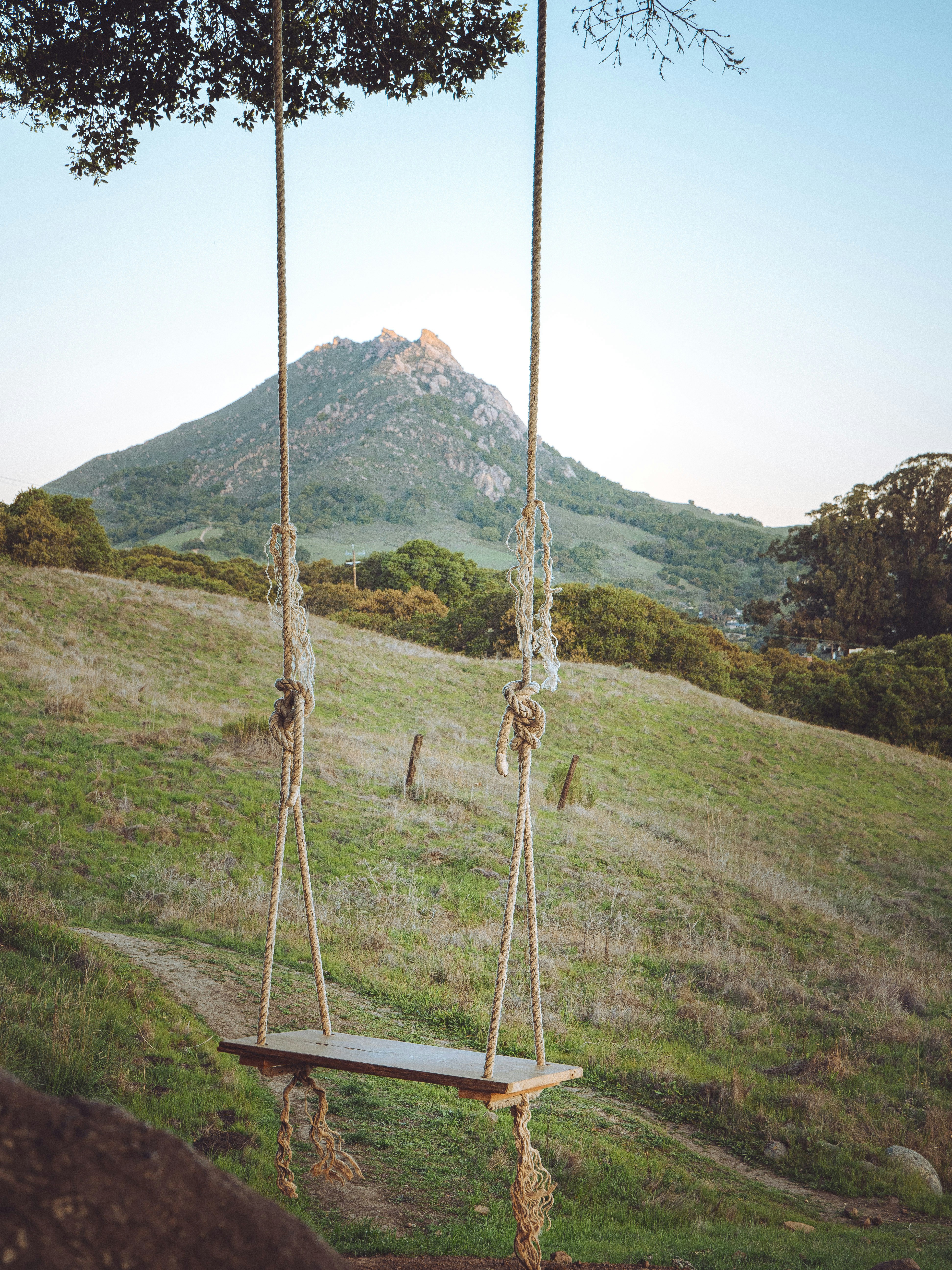
Image Credit: Matthew Bornhorst on Unsplash
Let us slide into your dms 🥰
Get notified of top trending articles like this one every week! (we won't spam you)The Aesthetic of Nostalgia: Turning Memory Into an Entire Genre
Nostalgia once came quietly, triggered by a song on the radio or weird photo in a drawer. Now, Gen Z has expanded nostalgia into an aesthetic, a cultural niche, and even a multi-media art form. On TikTok and Instagram, we’ve created entire digital museums for nostalgia: 2010’s edits, warm-filtered, and "core-memory" montages to the easy vibrations of One Direction, The Neighbourhood, and Disney Channel clips that become epic movies with the power of editing.
We have institutionalized remembering; but not in a performative kind of way. A tender kind of way.
Our nostalgia feels handmade with the lighting, the music, the timing. It is an attempt to take something soft and fragile and give it order and a physical form. In this world facing onward, nostalgia anchors on to something steady, something that does not flicker, glitch, or disappear in 24 hours.
Still makes it rare for us. Nostalgia gives us still.
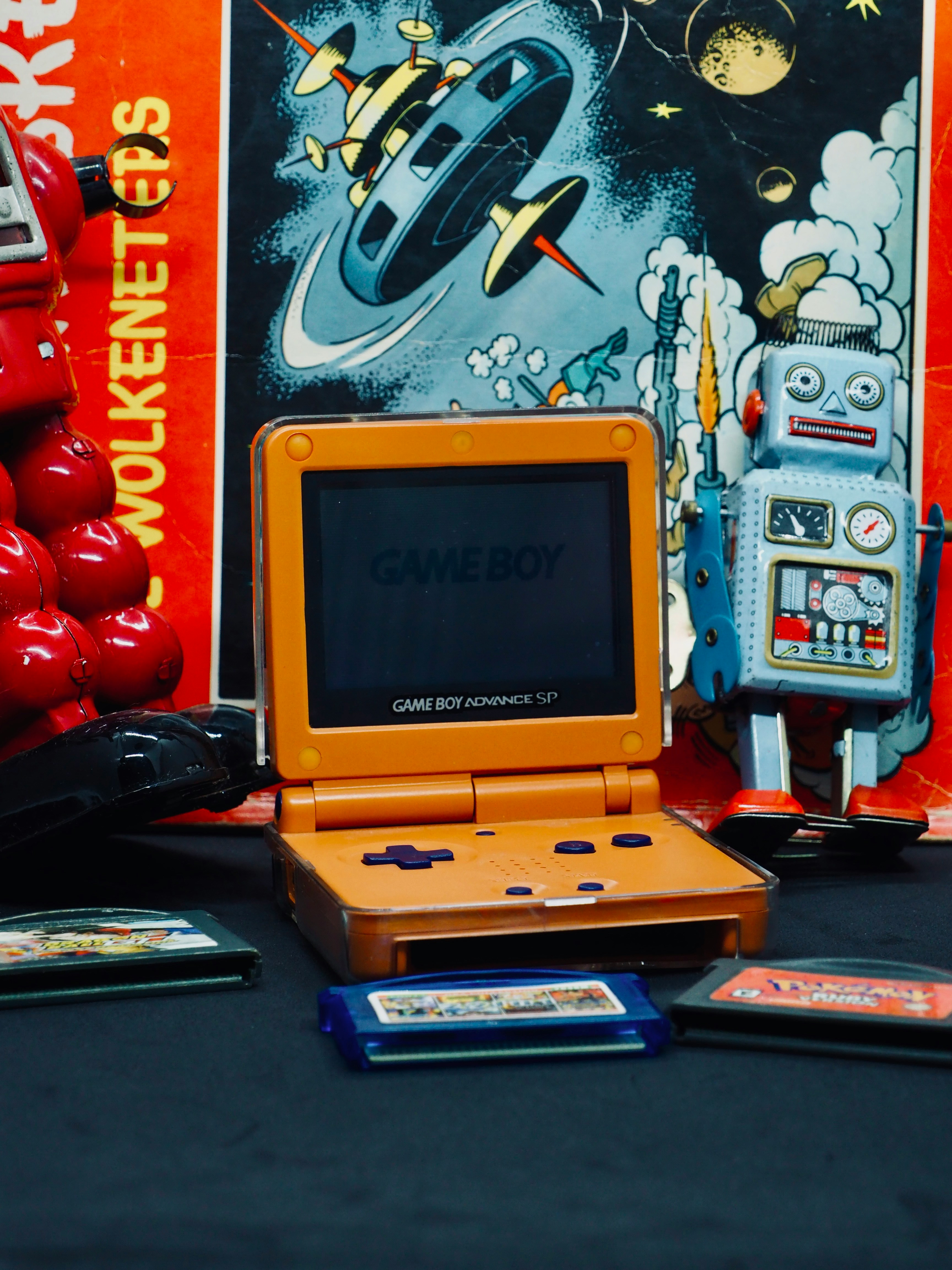
Image Credit: TRIN WA on Unsplash


Take the Quiz: Religion, Schools, and Equality
Religion in Schools: Teaching Respect, Not Bias.
Why We Cling to the Past: A Generation Raised in Tectonic Shifts
Gen Z has grown up in a time of perpetual instability. We were raised during financial crises, political upheavals, the insecurity of global concerns, and the internet, which rewires itself every few hours. Change was not what we learned to adapt to; it's all we've known.
The past becomes a stable height.
The unfiltered, undisturbed purity of early 2010s pop culture, our childhood bedrooms, our schooling, we did not appreciate until the moment we ran from them. Nostalgia is set to feel like a modality of emotional anchoring to something, something that became a reminder that there was a time before the noise, before the momentum, before the undoing of "what next?" only became the expectation to outmatch.
We are not obsessed about our childhood because we want it back, we are obsessed with our childhood because it is the only moment in our lives that did not feel like a race.
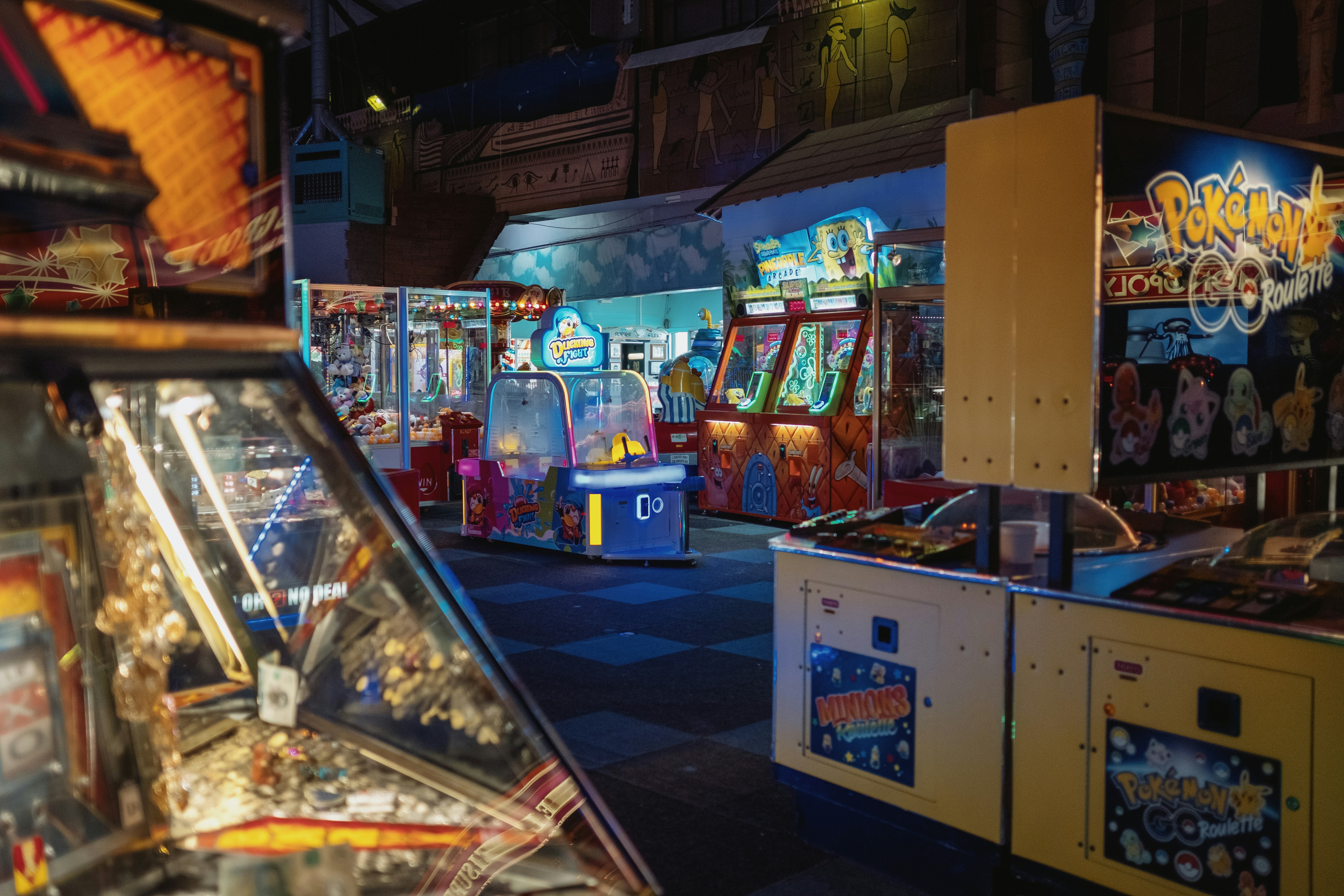
Image Credit: Mitchell Orr on Unsplash
The Moments That Haunt Me: A Personal Interlude
Personally, nostalgia is not something I experience through big moments. It comes in the smallest, most inconvenient of moments. Sometimes it arrives while I'm simply walking down the halls of my school, in rooms and places that used to contain whole versions of myself that I hardly recognized at the time. Other times it's music—a chord progression, a lyric, a half-forgotten chorus—and I am suddenly thirteen and suspended in the moment believing things would always be the same.
Growing up is never an instantaneous act. It occurs in silence. One day you’re on the floor of a hallway working on friendship bracelets out of beads in a school that felt as if it would never end; and the next, you notice people who made your day-to-day lives possible, people who left a huge impact on your life, live only in scattered memories and aged photos.
You lose people slowly, then quickly. You lose yourself the same way.
That’s what I mean when I say, “nostalgia will be the death of me.” Not because I am wallowing in the past, but rather carrying those past versions of us can be a heavy thing to bear. It’s a type of grief that has no ceremony, a mourning that goes unresolved, no farewell.

Image Credit: Johnny Cohen on Unsplash
A Generation That Feels Too Much, Too Early
There is a unique heaviness in being young but already nostalgic—a weight not meant to be carried by people who, technically, are only just getting started. It settles in gradually, like a bruise that you don’t notice until it’s become tender. We are eighteen, nineteen, twenty; the ages everyone tells you are “the best years of your life.” Yet so many of us are carrying around the psychic fatigue of someone twice our age. Not only are we caught up in our memories, but we are also aware of time moving exponentially more quickly than we can grasp.
Perhaps, it’s because so much change came at us so quickly. We lived entire time periods through our screens. We experienced childhood, adolescence, and the initial split between childhood and adulthood while the world spun below us.
Because of this, we are apprenticed into a kind of premature sentimentality. Like life has already been lived and is divided into chapters. That we are living life looking backward while trying to push forward.
Our memories appear old. Not because they are necessarily old, but because they are old for us. They seem to serve as belongings of people we once were, people we left just as one leaves out of season clothes, and without warning, when we had matured.
This is how we became archivists of our own lives, scrolling through ancient photographs as if they were historical artifacts, excavating relics of ourselves we never truly departed from. We call it "missing ourselves." A phrase that should sound impossible but more often than not doesn't register than anything else.
It's not that we wish to go back; it's because we didn't know we were leaving until we had left.

Image Credit: Charles Asselin on Unsplash
Why Nostalgia Isn’t Escape: It’s Reflection
To someone who is not familiar or accustomed to it, generational nostalgia looks like someone trying to evade and escape the present and the unpredictability of it all, which is not. When we engage in telling the past, we are not solely eluding the present, we are trying to represent and understand who we are having become as relatively human beings.
Nostalgia clarifies something about the present, often a clarity we do not have at the moment. In retrospect, it is easier to see the quiet fortitude you didn't know you had, the heartbreaks you made it through that you once thought were fatal, that you found beauty in years you thought to be unbearable and that the people who left, didn't leave without.
Remembering is a means of being grounded. Remembering is a means to recognize continuity, stability, and a sense of order in a life that read as chaos.
Nostalgia also teaches us about impermanence; that good, bad and heartbreaking, and the astonishing won't last. Nothing is permanent. And somehow, that makes everything feel more valuable.
Nostalgia can be seen less as an escape from reality, but as a way of making sense of it.
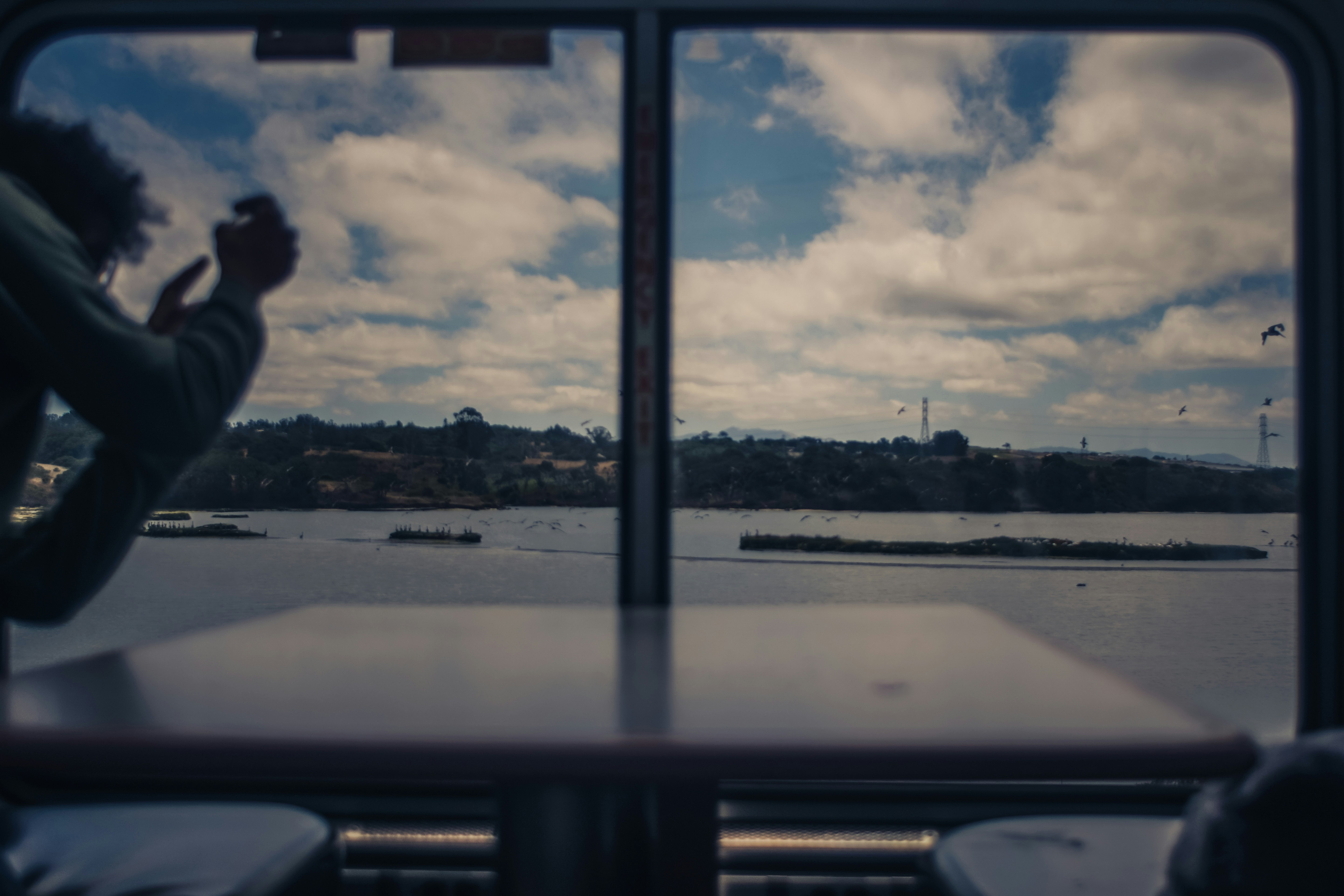
Image Credit: Alex Diaz on Unsplash
Holding On Without Being Held Back
Maybe “nostalgia will be the death of me” isn’t that melodramatic at all. Maybe it’s a way of recognizing how deeply we cherish the lives we have lived, even the hurtful moments. Nostalgia gives us the ability to sweep up our past selves—more puppy-like and soft, more uncertain and likely immature—and fiercely hold them with gentleness and without judgment. It lets us mourn the endings we never acknowledged, and honor our previous selves without trying to raise them back to life.
The truth we are learning in growing up is that it’s not a process of throwing away. It’s a process of carrying. Moving forward is not letting go of who we once were; it’s learning how to walk alongside them. It’s learning to embrace that every version of ourselves still lives, still speaks, still becomes us.
And while we mourn who or what we’ve lost, memories begin to be created in silence. Silently living uncelebrated until they too, become memories worthy of longing for. For all or part of every self we have lost, there is still a self waiting to be found. For every end there is always a beginning gradually unfolding somewhere just out of sight.
Perhaps our fixation on the past is not really about the past at all. Perhaps it is about the struggle to learn to make peace with change, with time, and with the act of becoming which can be an adventure of its own. Perhaps nostalgia is not a downfall but a friend. A reminder that we are human because we felt deeply, exist fully, and have survived until now.
Nostalgia may indeed be the death of us. It will prove our lives are worthy even as we learn to live them living.


