



If you've watched NYC Apartment Tours, realized your future rent costs more than your soul, and then bought a $10 matcha anyway, then congrats: you're like millions of Gen Z.
It sounds like a contradiction, but it’s not. Today, Gen Z is up against impossible economic conditions, and responding with glow-ups, small luxuries, and a whole boatload of survival creativity. The result is a generation that is broke and stressed, but trying their best. And honestly, this hits even harder when your only "salary" right now might be babysitting money or a campus job.
Let us slide into your dms 🥰
Get notified of top trending articles like this one every week! (we won't spam you)Building a Different American Dream
Gen Z faces a different financial reality than prior generations. Having a stable job and owning a home are starting to feel like a meme. With rent, food, and basically everything getting pricier, many Gen Z are redefining what "success" means for them.

Image Credit: Farhodjon Chinberdiev from Unsplash
Rather than chase milestones that always seem out of reach, Gen Z is investing in little treats and experiences they can enjoy now. A PwC report shows that Gen Z's version of the "lipstick effect" isn't lipstick (when money conditions are tough, consumers spend on lower-priced luxuries like lipstick). It's matcha, sneakers, and beauty products that feel like affordable self-improvement in one shot.
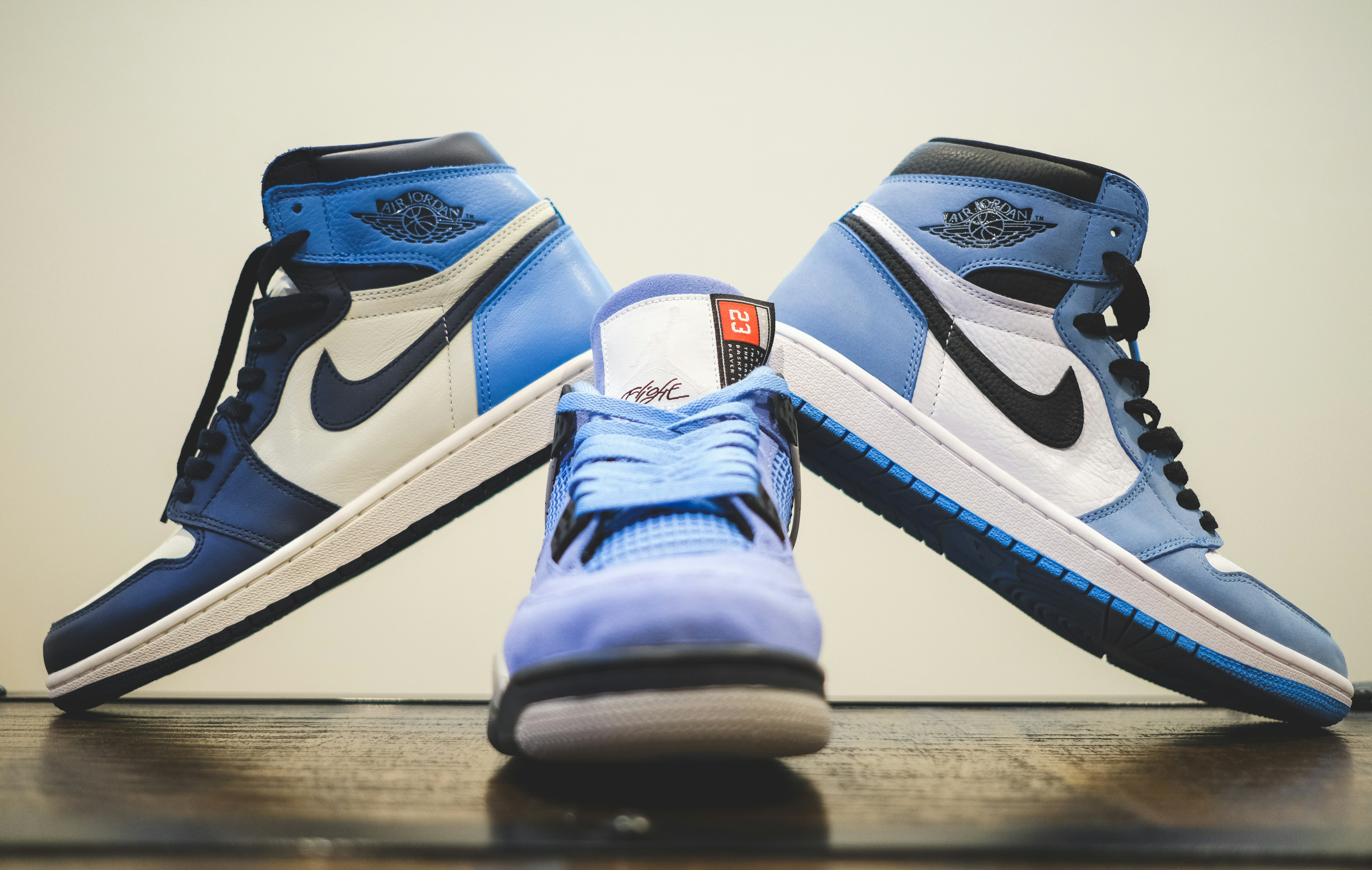
Image Credit: Donald Martinez from Unsplash

Take the Quiz: What’s Your Perfect Skincare Product for the 'Clean Girl' Look?
Take this quiz to discover the perfect skincare product for your “clean girl” routine!
Gen Z Isn't “Unmotivated.” They Just Have Different Values.
A study from NYU found that only 2% of Gen Z rank “achievement” or “work” in their top five values. Instead? Gen Z prioritizes: 1) self-care, 2) individuality, 3) helping others, 4) affluence, and 5) aesthetics.
Essentially, Gen Z is over burnout's coolness factor. And for employers, that’s a difficult reality adjustment. One HR executive characterized finding ambitious young hires as “a race for the last drop of water.” It makes sense, though. Burnout culture starts early with AP classes, sports team tryouts, and the pressure of college admissions, so it makes sense that many of us would value self-care over the more obvious "hustle" goals.

Image Credit: Maddi Bazzocco from Unsplash
It's the same on TikTok. “Unemployed Girl Summer” was a trend, with content creators posting their 700+ job applications and months-long job searches as some kind of sad-but-relatable badge of honor. According to recruiters, they have never seen candidates struggle this much.
“I Deserve This” Spending
People who are not making student loan payments just reached the highest level in history. About 6 million borrowers are more than 3 months behind in their payments. On top of that, credit scores have dropped an average of 60 points. And Buy Now, Pay Later (BNPL) apps such as Klarna and Afterpay are making it even easier to spend money.
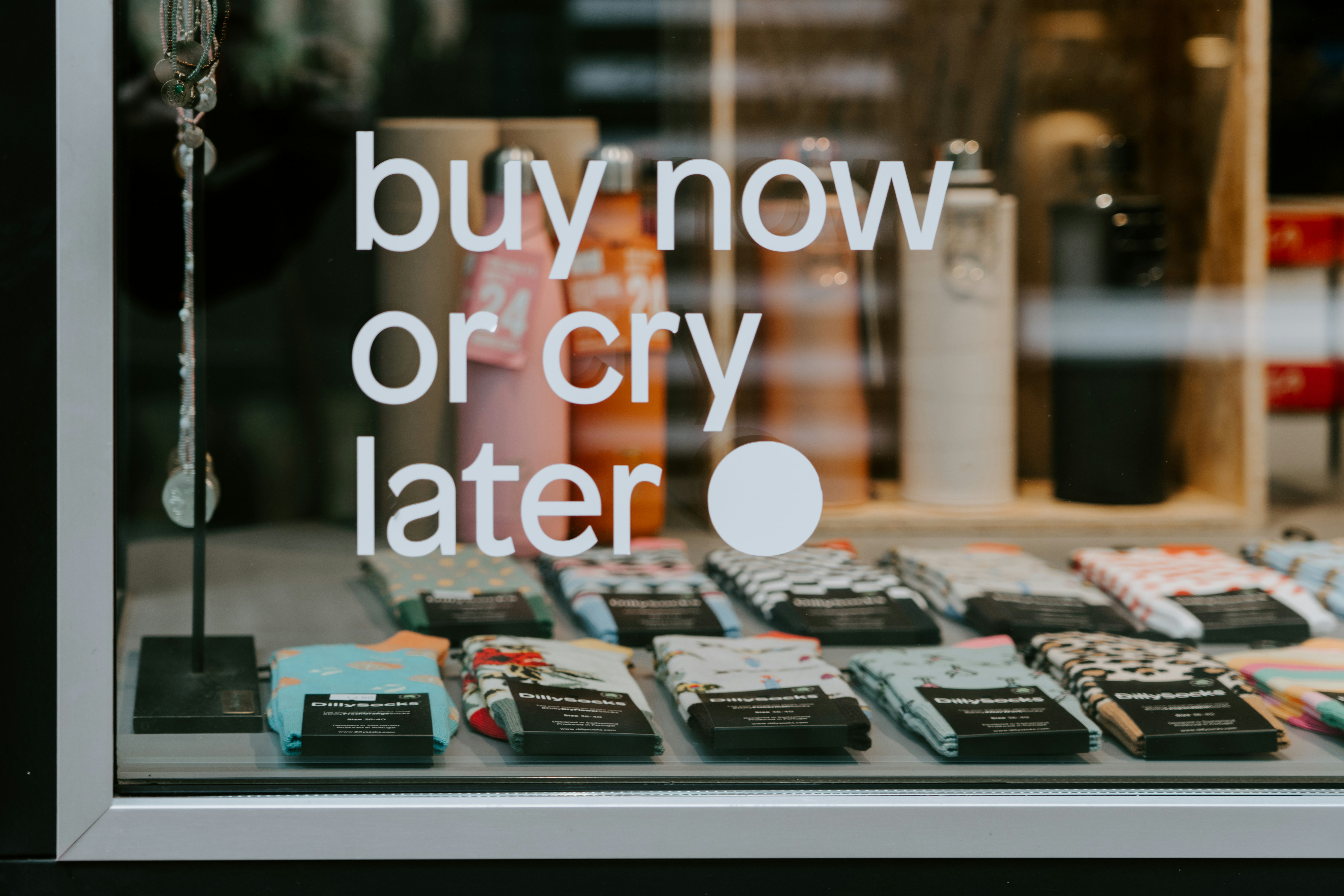
Image Credit: Claudio Schwarz from Unsplash
In 2019, $33 billion purchases were made using BNPL apps, and in 2023 that number jumped to 10 times to $300 billion. Now you can Klarna your vacation to Turks and Caicos and use Afterpay for Taco Tuesdays. A Harvard study shows that people tend to overspend by 10% when they use BNPL apps. TikTok trends like “girl math” or “financial manifestation” can’t be making things better. The idea that we “deserve it,” luxury spending is “self-care,” and the future-you can worry about paying things off later.
Does it kind of make sense? Yeah, it does. And even if you're not using BNPL, the same mindset shows up when you're trying to convince yourself that new Ugg minis count as "self-care," even though your bank account says otherwise. We live in a world where the future does feel next to impossible.
Gen Z is Broke, But We're Weirdly Good at Saving
Even though Gen Z is splurging on little treats and sometimes big experiences, Gen Z is also saving for retirement at record levels. Studies show Gen Z contributes upwards of 20% of their salaries to their savings accounts (401(k)). This is three times more than Gen X did.
Gen Z was born around the 2008 financial crisis and absorbed the stress of it during their upbringing. It’s why Gen Z is great at using spreadsheets to plan expenses, optimizing credit card points, and obsessing over finding “great value” instead of chasing just the cheapest prices.

Image Credit: Lukas Blazek from Unsplash
Little Treat Spending
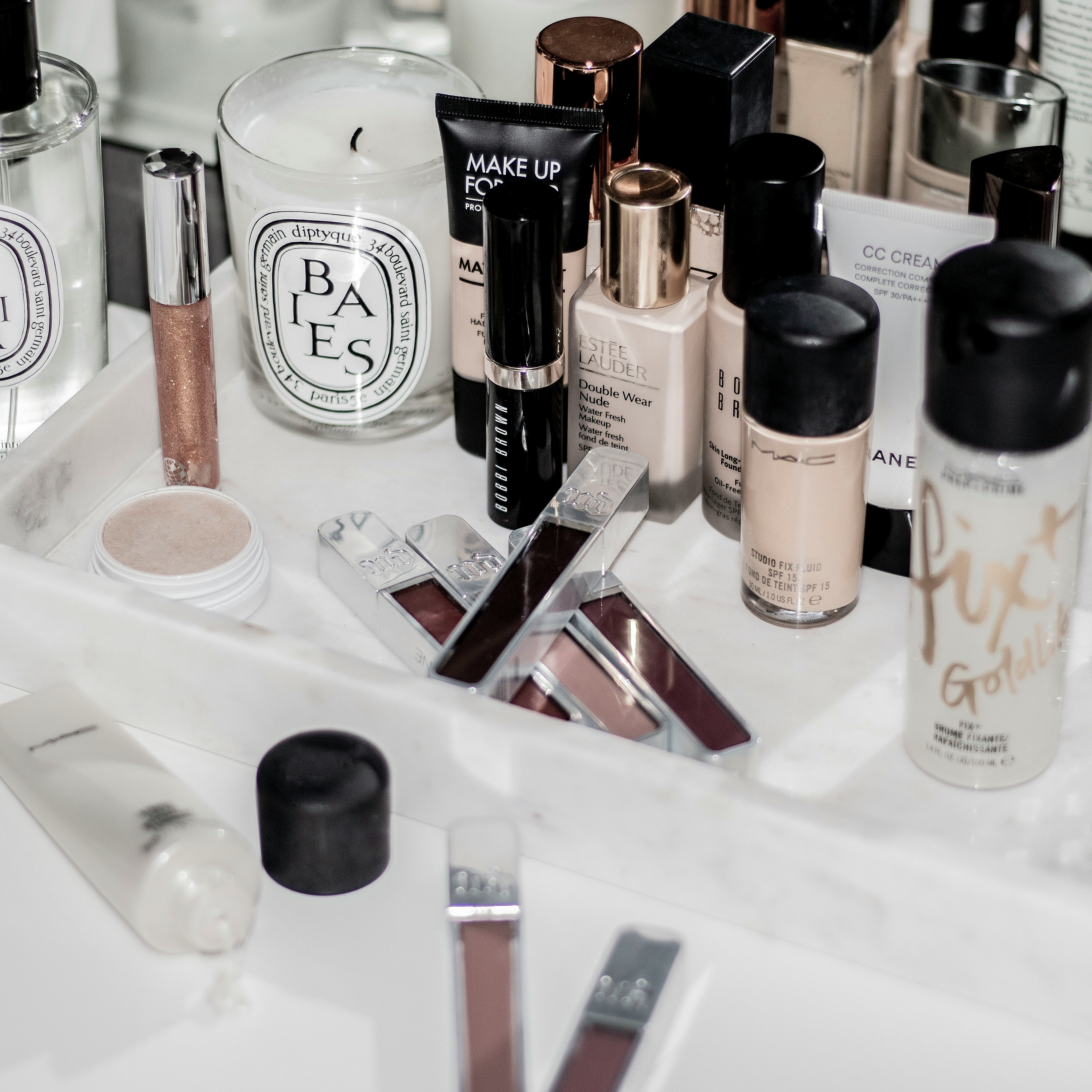
Image Credit: Johanne Pold Jacobsen from Unsplash
Gen Z spending on matcha, moisturizer, and manicures doesn’t mean they don’t understand money. Gen Z may be spending because the traditional path to stability feels unattainable. When you are constantly worried about paying student loans, endlessly sending out resumes, and watching inflation rise quarter after quarter, the plan for the future shifts.
When the future feels uncertain, a little treat can become a quick hit of comfort. It's a moment of feeling in control. I feel this way sometimes, when the only thing that gets me through a brutal week of exams, deadlines, and after-school stuff is the $6 treat that reminds you you're still a human, not a productivity machine.
But beneath every little splurge may lie a greater truth.
When nothing in life is guaranteed, the simple act of trying might be its own kind of strength. And using “little treats” or little sparks of joy as a way to cope might be just a way to reimagine resilience.