





Scientifically proven or not, time seems to have passed by faster and faster. Generation Z spent their childhood watching My Little Pony, Matilda, Alvin and The Chipmunks and nibbled down time as hard chocolate biscuits. Our childhood, those relentless stretches of carefree afternoons unbound by work, waiting patiently for family dinners or anticipating tooth fairies and snowy Christmas breaks, felt infinite because they were unmeasured.
Time wasn’t a measure of content yet. It was just time. Something soft and tender as liquid.
Then somewhere and somewhen, something fractured.
Somewhere between algorithmic feeds and global crises, time stopped expanding and began folding in on itself. Years became references to events. From 2020, the start of a global pandemic, and moving forward, time feels like an eˣ graph, something that exponentially multiplies on itself, control slipping through our fingers.
Time was as if it were something that pulled us forward with it, however reluctant we mentally are. We started using the phrases like “before this happened...”, “after this I will...” and “when things were normal”. The calendar turned but the culture felt stuck, looping the same anxieties, aesthetics, and jokes, unable, or unwilling, to move on.
So when I saw people online starting to call 2026 the new 2016, I knew that it was a cultural phenomena that would soon or later explode: people are naming a longing for the past, nostalgic for a crystallized and half-molded memory of a clear, new and embracing world, as if turning the clocks a decade earlier would change the human perception and alter social interaction on a massive, optimistic scale.
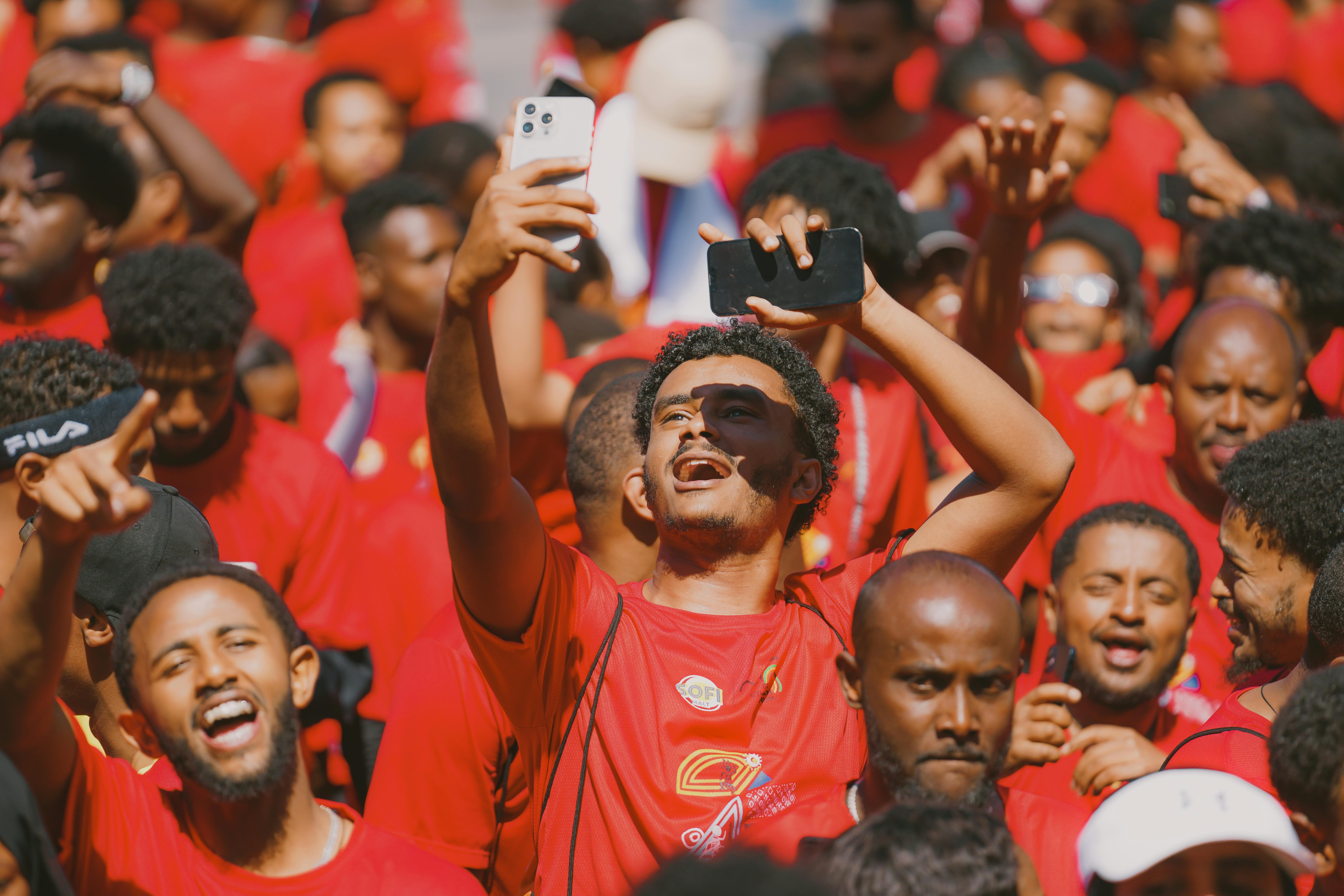
Image Credits: Alemseged from Pexels
Let us slide into your dms 🥰
Get notified of top trending articles like this one every week! (we won't spam you)What is a Cultural Reset?
I have always believed in the phrase "history repeats itself". A war begun a century ago can ignite another today for the very same reasons. A policy enacted or a legislation abolished two decades ago can similarly reemerge this year with the same underlying causes.
History happens, ends and reoccurs with the passing and growth of human civilization. Sometimes, it is not hard to admit, a lived experience, whether personal or communal, is not entirely unique. And the same applies to culture and trends.
A cultural reset is the moment when this repetition becomes more and more visible. I interpret a cultural reset as the collective return to familiar ideas, aesthetics or values, things that once felt stable or comforting. When the present becomes too overwhelming or incoherent, society instinctively reaches backward, searching for cultural language that has already been tested, so as to obtain reassured safety.
Cultural resets tend to emerge after periods of disruption, ones such as economic crisis, political instability, technological dominion, and global tensions that have undermined the shared sense of normalcy. In response, culture seeks grounding. What appears as revival is often an instinctive response to quick, abrupt change, and we are but adhering ourselves to old promises of continuity when the future, or even the present, feels uncertain.
Yet a cultural reset is not simple nostalgia. Nostalgia idealizes the past while a cultural reset reinterprets the past. What returns is filtered through contemporary anxieties and awareness.
The same aesthetics may reappear, but their meanings will shift. The humor is sharper and the innocence we once disregarded will come back as something more self-conscious. A cultural reset acknowledges that history cannot be undone, and it can only be re-entered with a new perspective.
This is why cultural cycles feel both repetitive and unfamiliar. The same culture appears, but perceived in a modern way. Eating the same food when you are a baby versus when you are grown up can feel vastly different. The food might have stayed the same, but your taste buds have evolved over time.
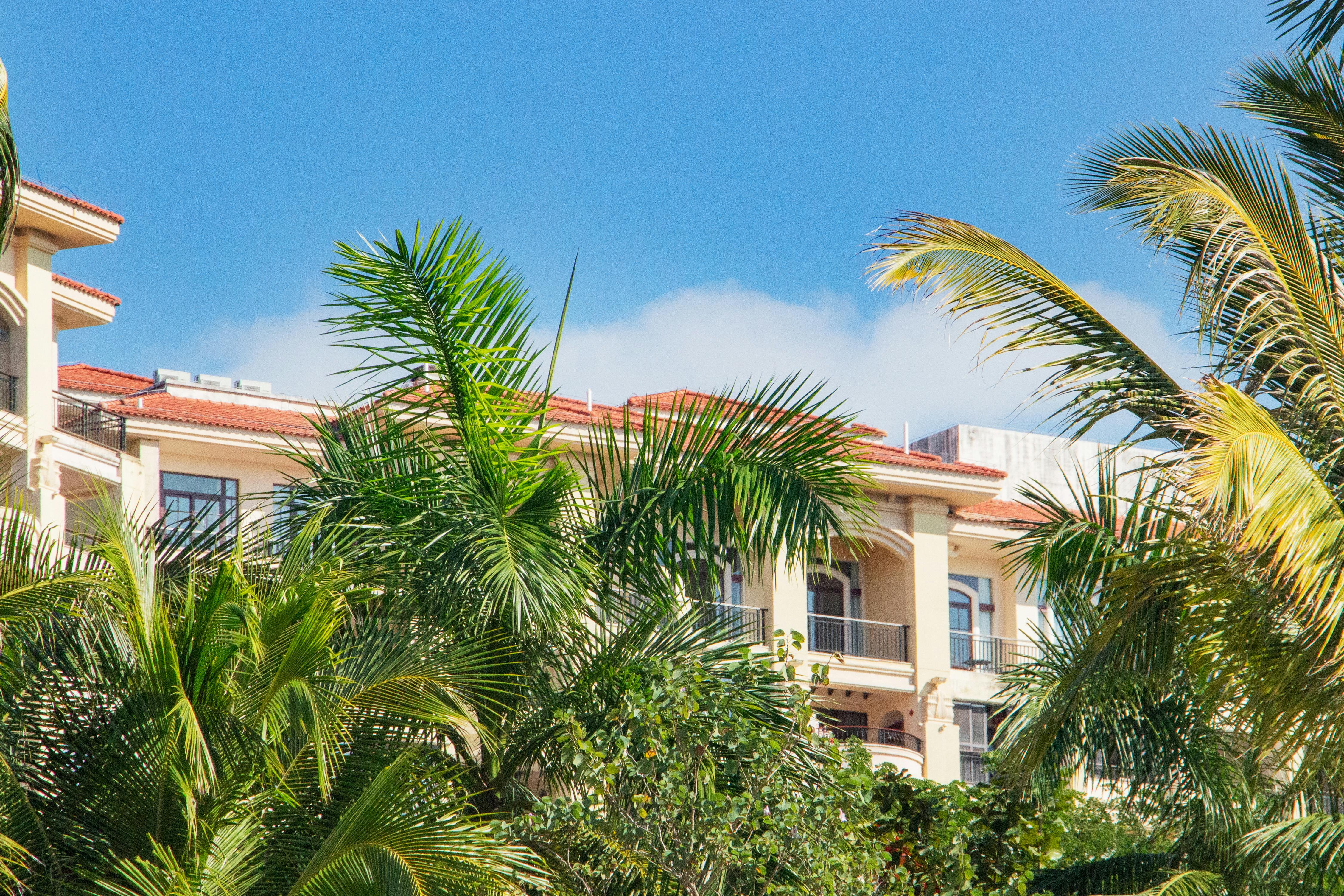
Image Credits: Ma from Pexels

Take the Quiz: Which Bruno Mars Jam Matches Your Vibe?
Find out which Bruno Mars hit perfectly captures your unique style and energy!
Why 2016?
Honestly, I do not think 2016 holds that much meaning in itself (compared to 2017 or 2018) other than the fact that the year happened exactly a decade before 2026. From my observations, 2026 was almost an inescapable tipping point. Stressful current events have topped on top of one another, pressuring us into search for another escape. We are now far enough away from 2016 to view it as a completed era, something digestible and safe to reference.
But if I had to search for a concrete, grounded reason as to legitimize the uniqueness of the year 2016, I would say that the year was still definitely very special in itself.
2016 saw the rise of early social media. The internet was influential but had not yet established a global hegemony, dominating and leading our lives as it is now. We were still experimenting with this new cookie. People were allowed to be awkward and imperfect without serious, damaging consequences.
One of the most interesting trends I saw rise to was that particular TikTok dance accompanied by Los Angeles palm trees, soft, yellow beaches and the iconic Rio De Janeiro Instagram filter. On January 1, 2026, my Instagram feeds were suddenly filled with the dog-ear Snapchat filter, poses in front of LA's iconic pink wings, and neon triangle bikinis with black lining. The whole vibe we long for is the long-forgotten carelessness, or an era where we can be as quirky or optimistic as possible without being embarrassed.
Having done some research, 2016 also saw the rise of many other new, interesting things. For instance, Pokémon Go was officially launched and became an instant hit in the summer of 2016, the popularity of Augmented Reality (AR) souring to an all-time high.
Stranger Things first aired, airpods were just released, and songs such as The Chainsmokers' Closer and Justin Bieber's Sorry and Love Yourself topped the charts. This year was also a big year for groundbreaking films such as Harry Potter, Star Wars, Finding Dory, Zootopia and Marvel Studios' Captain America.
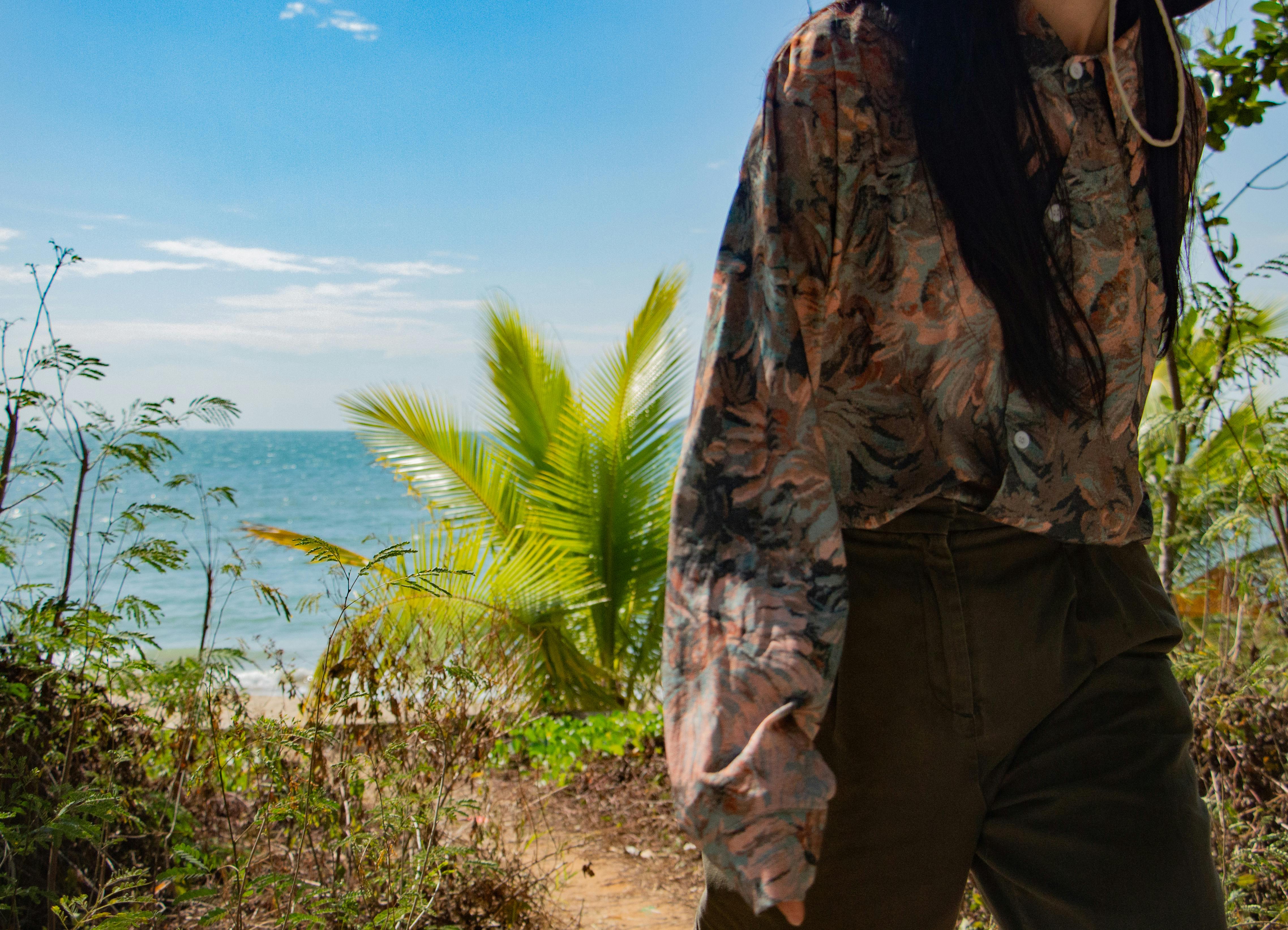
Image Credits: Ma from Pexels
Conclusion
2016 has been mythologized as the last year of collective naïveté: it is the final moment before irony curdled into dread and before the internet felt hostile. It also witnessed the bloom of multimedia culture, one that felt refreshing instead of exhausting and repetitive.
2016 was indeed a special year, but that doesn't mean 2026 can't be as special. A culture that has seen collapse and saturation cannot return to naivety, but it can choose a softer approach.
2026 does not need to replicate 2016 to be meaningful. In fact, its power lies in its difference. It is a chance to create culture that is sincere and playful rather than performative and serious. We do not need to repeat history, but instead, absorb and learn from it.
Hence, when someone asks me if I think 2026 is the new 2016, my answer would be no.
Hopefully, 2026 can be the better version of 2016.
