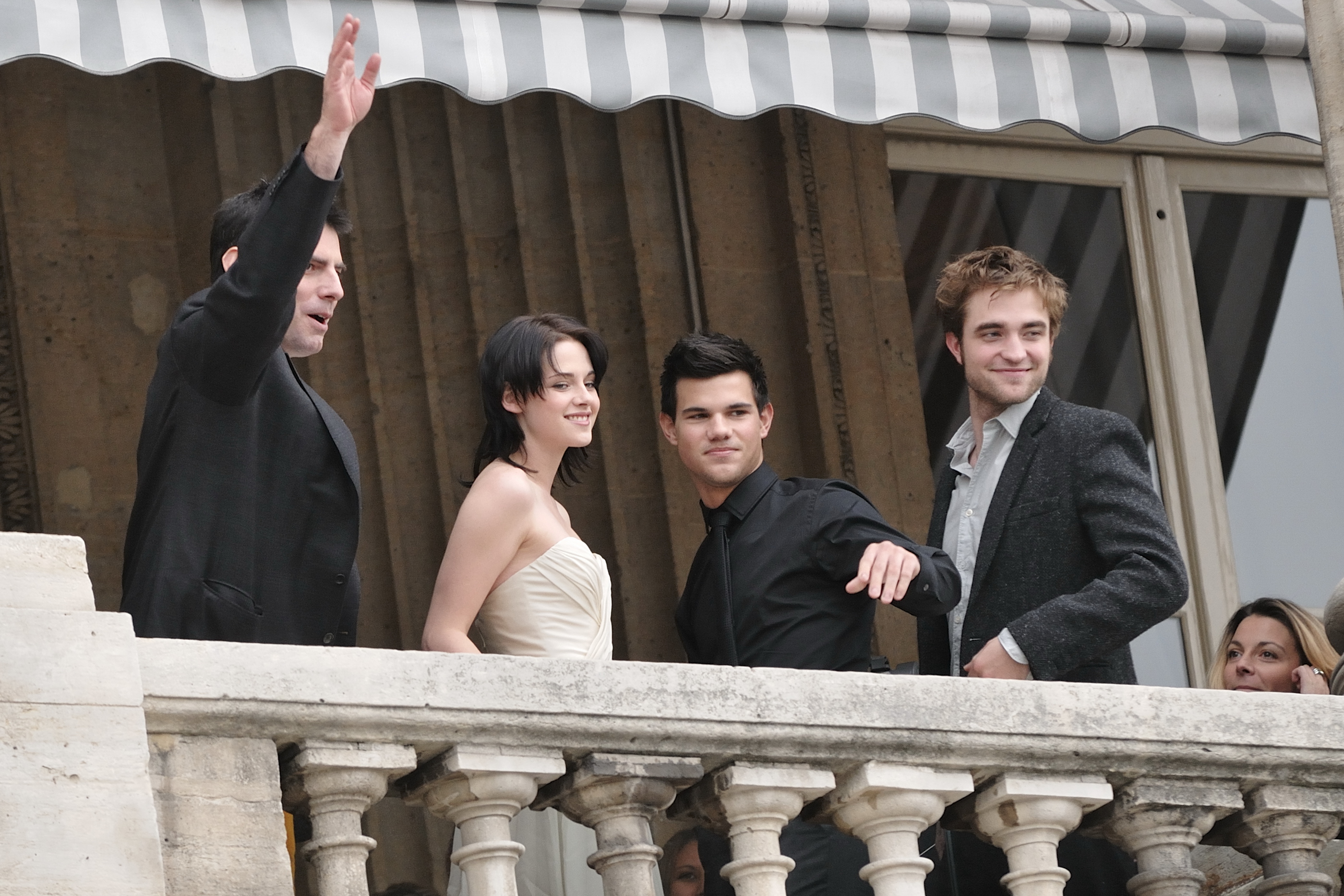


"And so the lion fell in love with the lamb."
"May the odds ever be in your favour."
Two different lines, two very different worlds— one is set in rain-drenched romance and yearning, and the other in televised bloodsport and rebellion. Both Twilight and The Hunger Games have found themselves etched in Gen Z's bloodstream. These franchises have remained on top for years on TikTok edits, Letterboxd lists, and rewatches, as well as in cozy and weekend marathons and sleepovers, and will continue to do so. These are not just nostalgic throwbacks—they've become emotional support and a political allegory for a generation finding its way through chaos and challenges.
Let us slide into your dms 🥰
Get notified of top trending articles like this one every week! (we won't spam you)Why They're Still Rewatched and Why We Keep Coming Back
Rewatching these films isn't just about trying to relive the 2010s pop culture. They're sort of time machines for Gen Z—a reminder of simpler and emotionally charged cinematic eras, giving off a strong message to viewers. What's fascinating is that both sagas have aesthetics that are so distinct, it feels like a genre of its own: from Twilight's moody, romantic Pacific Northwest haze to The Hunger Games's dystopian propaganda reels.
Both of these films feature high-stakes relationships— Bella and Edward's yearning and Katniss's love triangle with Peeta and Gale. These ships are powerful enough to still spark debates and inspiration. Twilight gave us everything from heightened romance to longing, and a love story that could be told for ages. The Hunger Games fed our hunger for justice, rebellion, and the belief that even one voice could spark a whole revolution.

Take the Quiz: Religion, Schools, and Equality
Religion in Schools: Teaching Respect, Not Bias.
"May the Odds Be Ever in Your Favour"—But What If They Never Were?
We all grew up thinking The Hunger Games was a tale about an unimaginable, distant, fictional future—not a mirror to our present lives. We couldn't have imagined, not even in our wildest dreams, that the Capitol's cruelty and the televised suffering would once bleed into our real world. Yet here we are: watching live reports of bombed neighbourhoods in Gaza, Sudan, Ukraine, and many other places where even the media cannot reach to shed light on their sufferings.
District 12's scarcity recalls entire communities starved by blockades. Katniss volunteering for Prim isn't a fantasy, and neither are the countless children being forced into places of conflict. Katniss becomes the face of what happens when children and young people carry the weight of systemic cruelty and injustice.
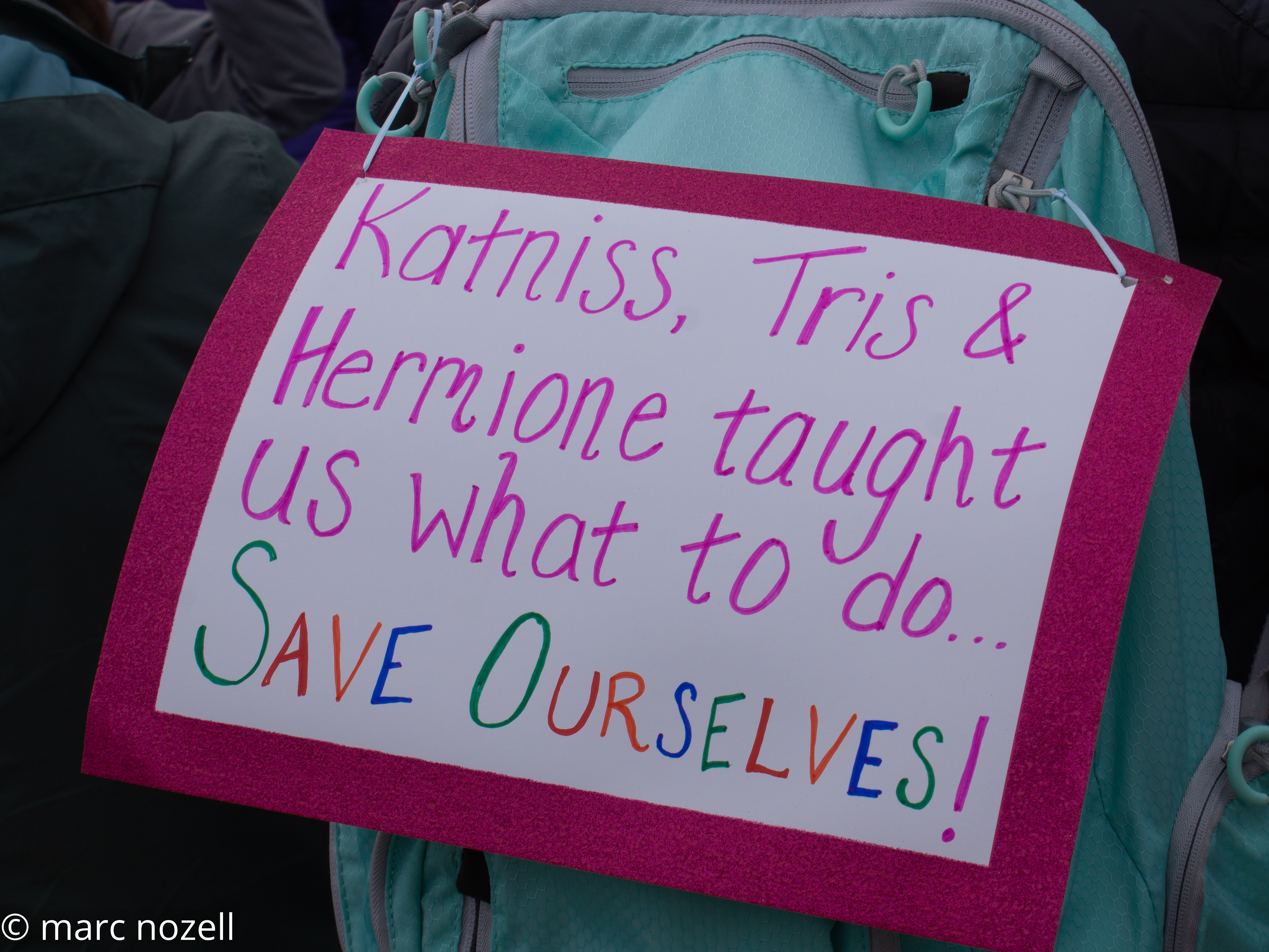
Image Credit: Wikimedia Commons
Gen Z not only draws parallels with Katniss, but also with President Snow. Snow's control depends on fear, propaganda, and spectacle. Replace that with today's world, wars being televised in fragments as per convenience, stripped of their real context and stories, and consumed like entertainment. The Capital's famous motto, "control the story, control the people," might as well be today's news headline.
Katniss Everdeen is not just a "fictional character". She has become the lens to the invisible burden we cannot even imagine going through, but the kind that is being carried by millions of displaced youth and children, whose lives are being subjected to decisions beyond their control. She never wanted to be a symbol, but they're often forced on the unwilling, like millions of people being forced to fight for their livelihoods.
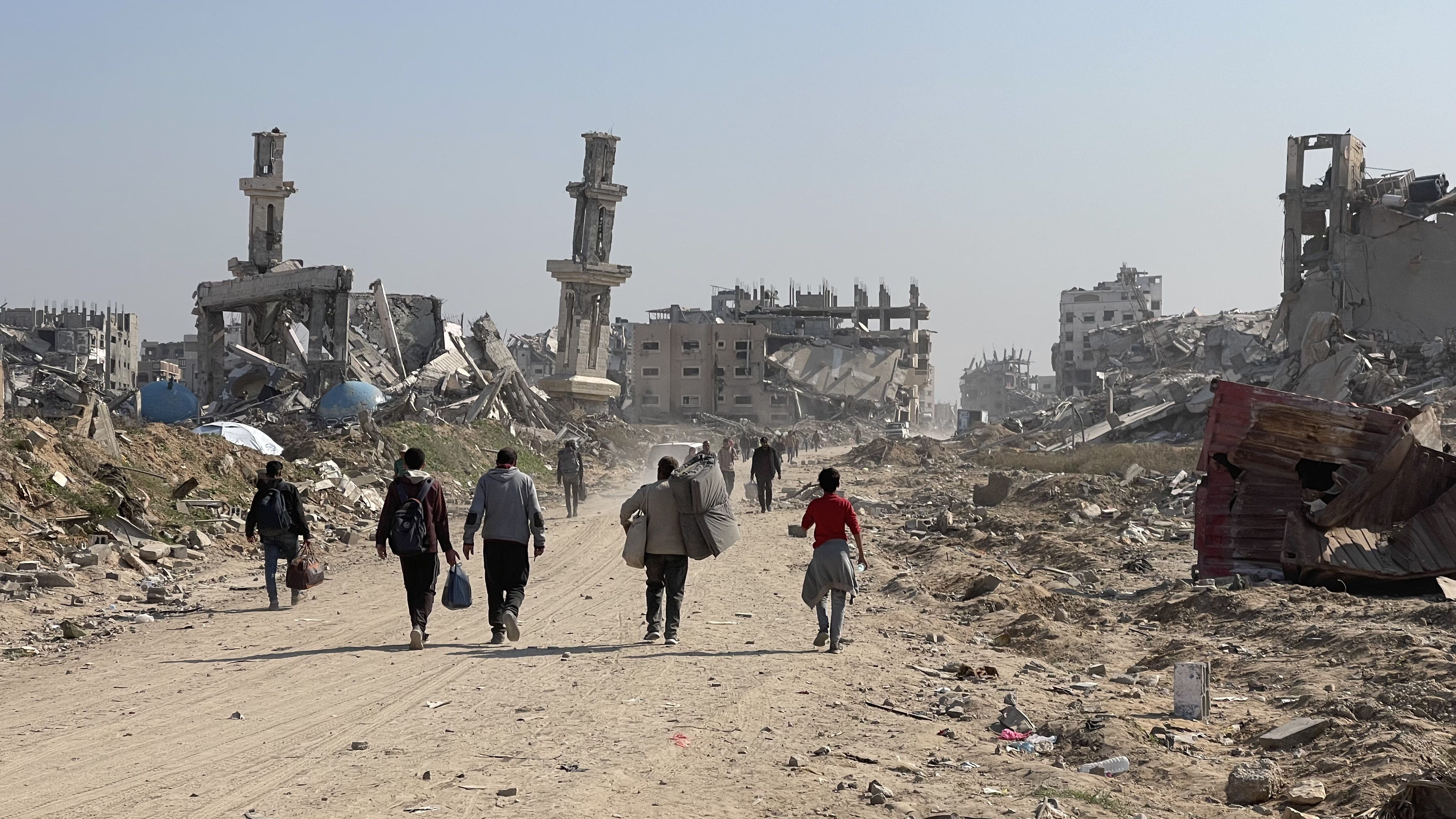
Image Credit: Wikimedia Commons
"And So the Lion Fell in Love with the Lamb": Twilight and the Ache of Belonging
Twilight is still alive in our minds because of its intimate vulnerability. It may be easy to mock Bella for her clumsy dependence, but her story is less about weaknesses and more about the hunger to satisfy. Bella Swan longs to be seen and matter in a world where she feels invisible—a feeling we as Gen Z know too well.
Social media amplifies this: millions of eyes that could see you, yet you still feel unseen. We can agree that Edward's obsession with her is somewhat absurd, yes, but it fulfills Bella's wish to be chosen.
Bella choosing between Edward and Jacob isn't just your average love triangle; it's a tug-of-war that Gen Z recognizes—between stability and risk, and safety and passion. Choosing Edward was not only romantic, but stepping into a strange world instead of settling for the ordinary.
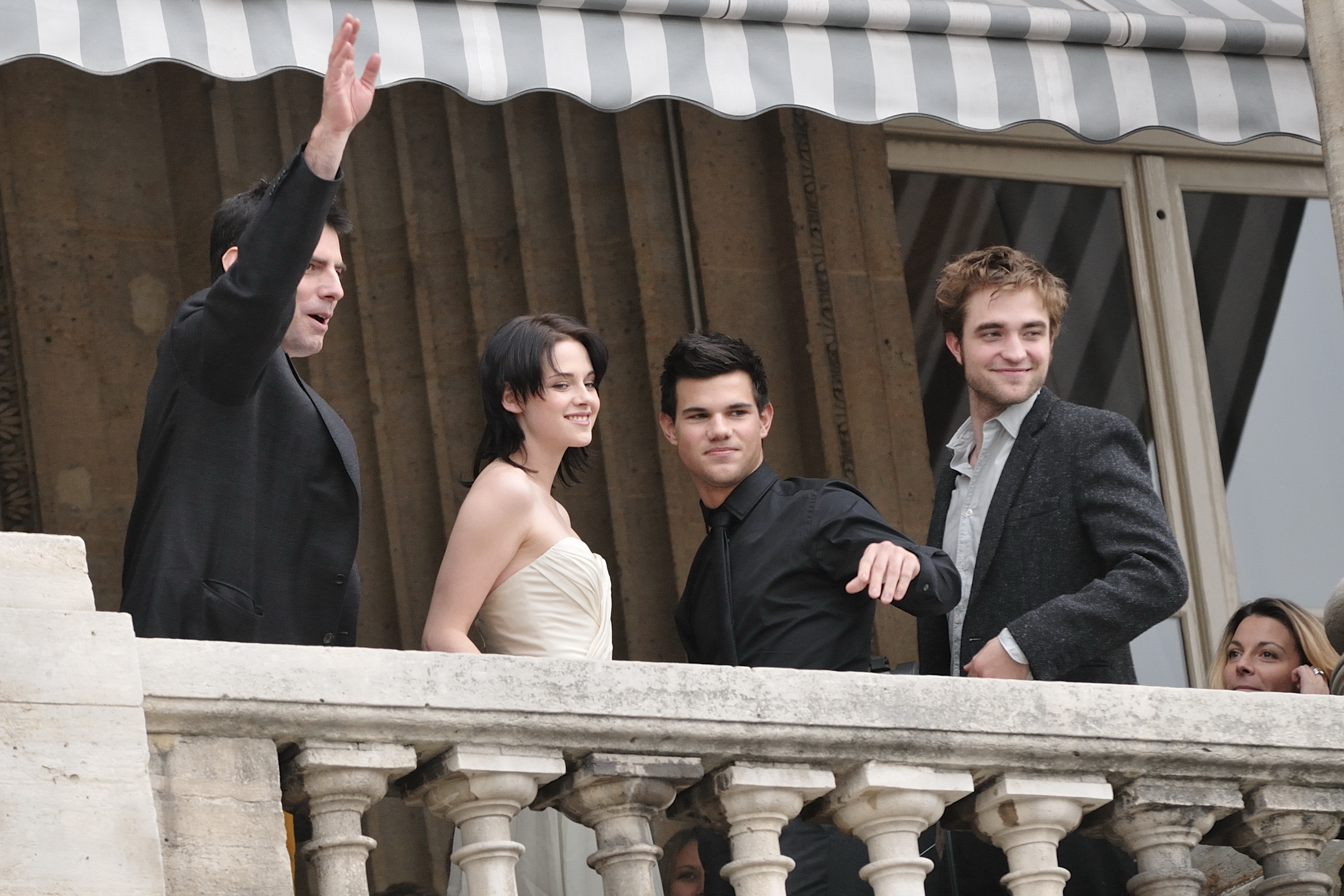
Image Credit: Wikimedia Commons
The Common Thread: Survival, Seen and Unseen
Both sagas are stories of survival, one being loud and the other quiet. Katniss is a hero made for spectacle, yet the haunting truth remains: "The districts never knew her." She becomes the symbol of rebellion, the Mockingjay whose image is broadcast throughout Panem—but her fear for Primrose, her grief, and doubt remain hidden. This mirrors the exact experiences of millions of young people who are living in conflict, refugee camps, or facing forced deportation. Their struggles and pain are often reduced to mere headlines or statistics, just as Katniss's real self is reduced to a symbol for the Capitol and the districts.

While Katniss fights to survive a violent regime, Bella fights to survive invisibility. Her story deserves a lot more than to be dismissed merely as a 'fantasy romance' because to dismiss her is to miss the point. She yearns to be chosen, to belong, and to matter—it marks the feelings of not only teenagers but a whole generation. Validation, love, understanding, belonging—isn't that what so many of us are scrolling endlessly for—a kind of permanence in a fleeting, unstable world, just like Bella?
The Stories That See Us
Gen Z's love for these movies isn't just about rewatching childhood favorites or famous classics. It's about seeing ourselves in those moments. These stories endure because they reveal the truth about survival. Together, they're two sides of the same coin: the fight to be seen and surviving.
To rewatch these sagas isn't just about comfort or escaping reality, but to recognize it. In the spark of a Mockingjay and the gaze of a vampire and love triangles, Gen Z sees their own battles—grief, yearning, defiance, strength, and the reminder that even though nobody feels what it's like to be us, we're not alone in carrying our burdens.


.jpg)




.jpg)