






Gen Z is often called the generation that grew up online. We learned how to scroll before we learned how to slow down. We’ve grown up surrounded by opinions, comparisons, expectations, highlight reels, and failures-all at the same time.
We’re expressive, curious, emotionally aware, and always thinking. But we’re also tired in a way that’s hard to explain. Not just physically… mentally. Like our brains never fully get to shut off. We live in a world that doesn’t really go quiet anymore. There’s always something buzzing—notifications, news, messages, pressure, noise. And maybe that’s why real silence feels so rare. Almost unfamiliar. Like we don’t know what to do with it when it finally shows up. Maybe that’s why night feels different. At night, everything slows down just a little. The world doesn’t demand as much. There’s less performance, less comparison, less pretending. It’s quieter, softer, and somehow more honest. Night feels like the only time we can breathe without being watched, judged, or expected to keep up.
And in that silence, we finally hear ourselves.
Let us slide into your dms 🥰
Get notified of top trending articles like this one every week! (we won't spam you)The Growing Habit Of Staying Awake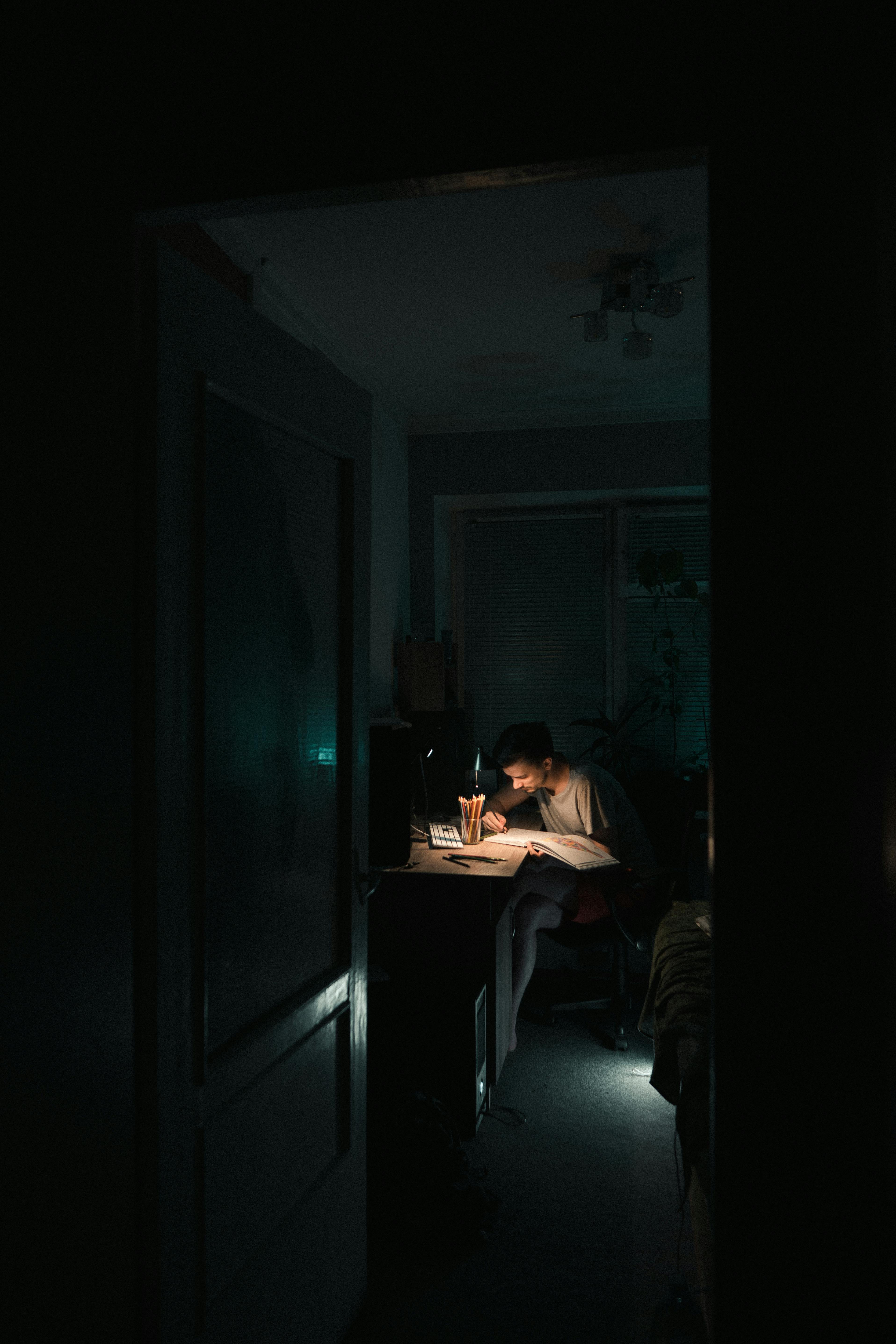
Image Credit: Kulik Stepan from pexels
Lately, I’ve been noticing something about people from our generation. We sleep late. Not once in a while.
Not by mistake. Almost like we choose to. You’ll find us awake at 1 a.m., 2 a.m., sometimes even later, lights dim, phone brightness turned all the way down, and some soft music playing in the background. The world outside is finally quiet, but our minds? They’re still wide awake. Still running. Still thinking. And honestly, I keep wondering why. At first, I told myself it was just bad habits. Or maybe screen addiction. Maybe we’re just too attached to our phones and don’t know when to stop. But then I started paying attention. I talked to people around me—friends, classmates, creatives, the ones who overthink in silence. And I realised something that stayed with me. Everyone has a different reason for staying up late. Some people stay awake because they’re studying. Some because they’re working. Some because they’re scrolling for no reason at all. Some because they’re writing, creating, or just trying to feel something. But behind all these reasons… the feeling is kind of the same. It’s like we’re all awake for different reasons, but we’re carrying the same kind of heaviness. The same restlessness. The same need to hold onto the night a little longer.


Take the Quiz: What Is Your Season Aesthetic?
Discover and explore your season aesthetic after taking this quiz!
What Night Gives Us That Day Does Not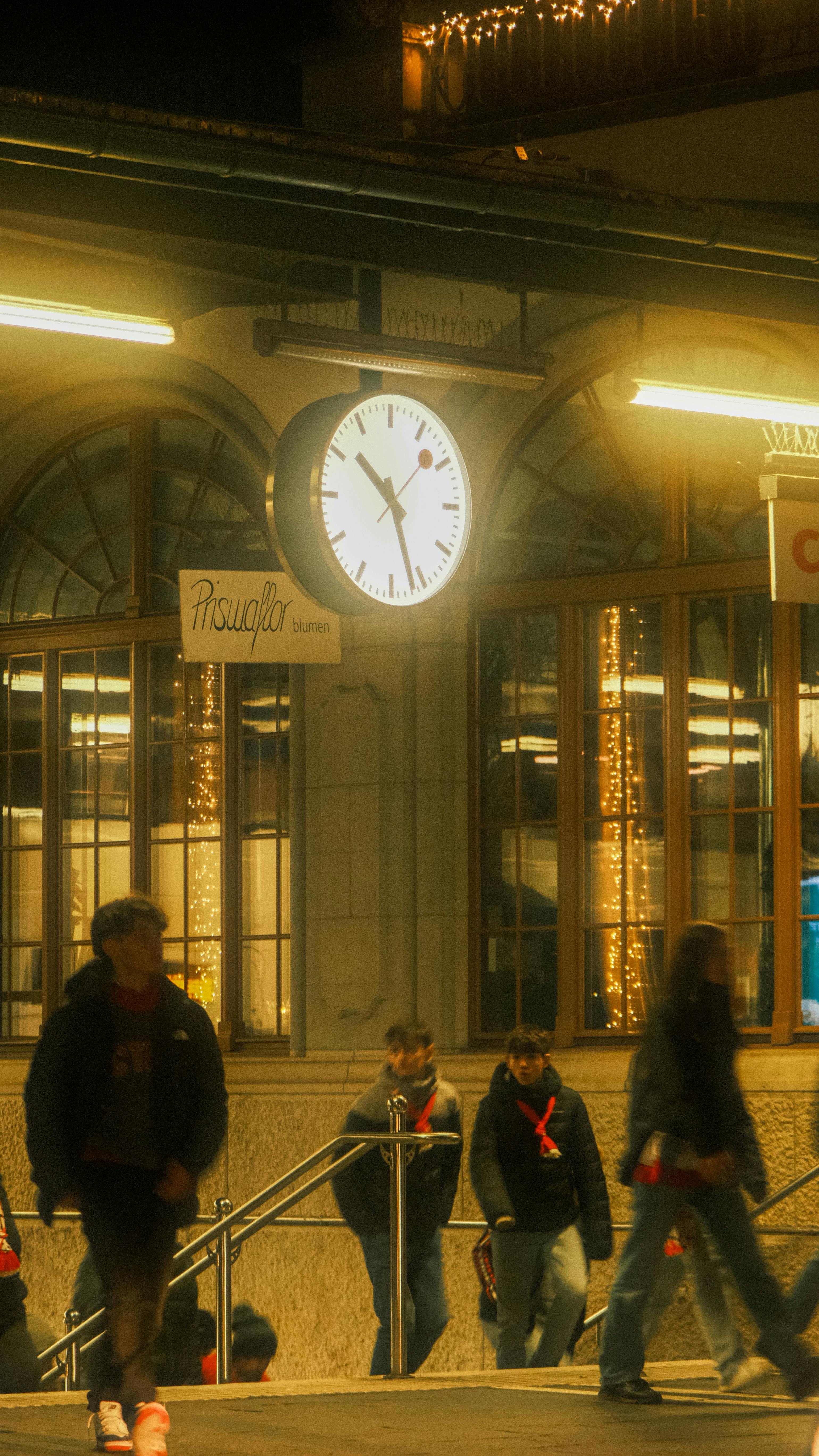
Image Credit: Ahmet Çiftçi from Pexels
For some people, night feels like an escape. It’s the one time the noise finally fades-the nonstop notifications, the constant expectations, the pressure to reply fast, to react, to keep up, to look like you’re doing fine. Everything during the day feels like a performance, and at night, that pressure loosens a little.
For others, night is the only time they actually get to be alone. Real alone. No one watching, no one asking questions, no one needing anything. Just a quiet space where they can sit with themselves without being interrupted every few minutes. And for some, creativity doesn’t even show up until the world goes silent. Ideas come easier when there’s no pressure to be productive or impressive. When no one’s measuring your worth by how much you’ve done today because the truth is, for a lot of us, our minds never fully switch off. Even when our bodies are tired, our thoughts keep running. The day is too loud for those thoughts to surface properly, so they wait. They hold back. And then, when night comes, they finally have space to breathe. I see myself in all of it. In the need to escape, in the need to be alone, in the way thoughts get louder when everything else gets quiet. Maybe that’s why night energy feels so familiar to me-like it understands me in a way the day never really does.
My Relationship With Night Energy
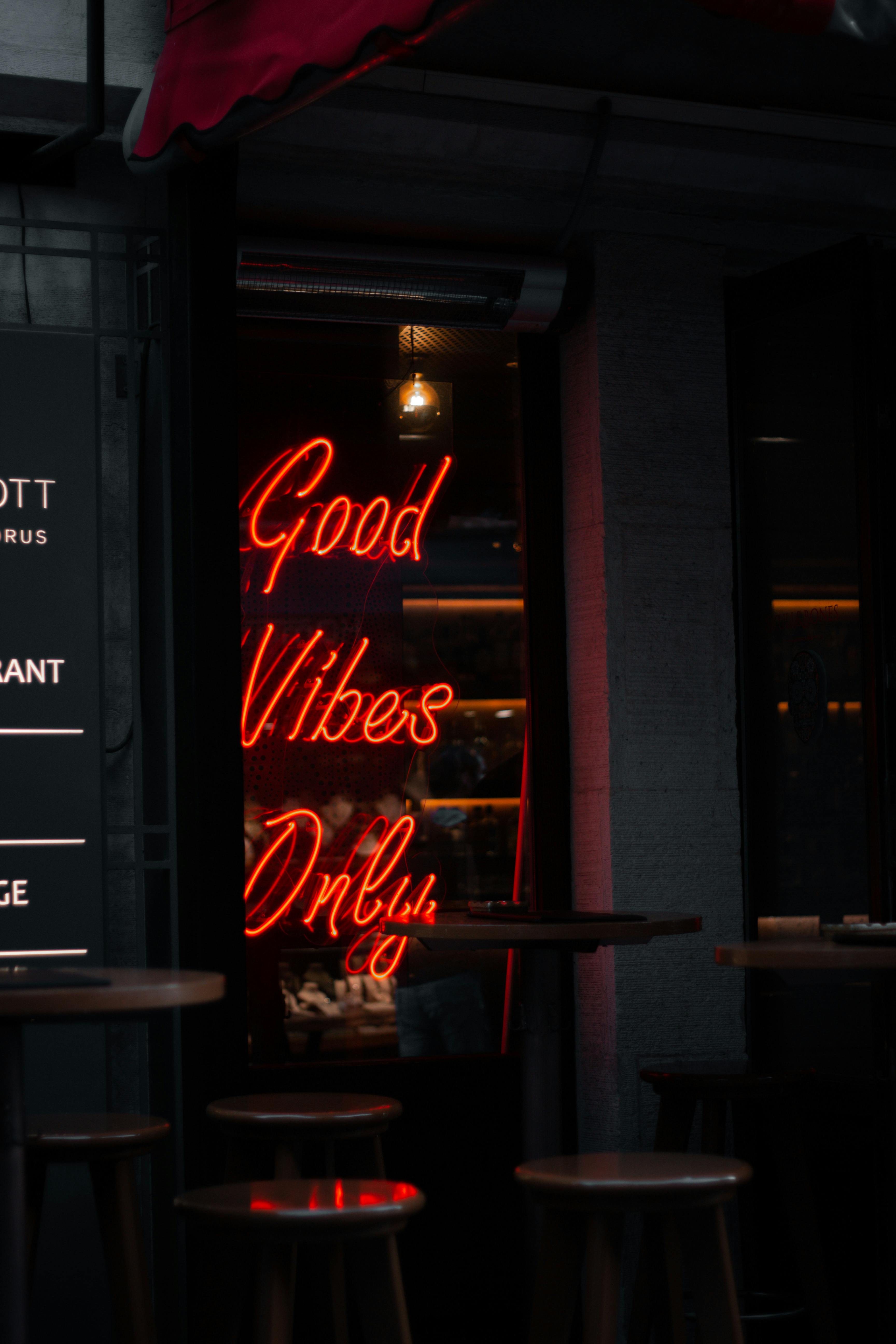 Image Credit: Melike İlayda Baksı from Pexels
For me, staying up at night isn’t about running away from responsibilities. It’s actually the opposite. I study at night.
I read. I make assignments, write notes, and get real work done. I also write, sketch, and create. And it’s not like I don’t do these things during the day-I do. But the day just doesn’t feel the same. At night, everything is calmer. There’s less distraction, less noise, and honestly… less interruption. During the day, even when I sit down with full focus, something always breaks the rhythm. Someone says something, someone calls, something pops up that needs attention, and the moment I get pulled out of it, the flow disappears.
But at night, no one cuts me off mid-thought. No one drags me out of my zone. I can stay with one idea for as long as I want without rushing it or forcing it to finish quickly.
That’s when my creative side feels the most alive. I write my shayaris, sketch without overthinking, and let my thoughts move freely without pressure. And the silence at night doesn’t feel empty to me. It feels supportive. Like it’s holding space for me. Most of my shayaris come to me at night, not because I plan it, but because it happens naturally. Sometimes I’ll be studying or watching something, and suddenly a line just appears in my mind. Sometimes I’m already writing, and a better thought replaces the earlier one like it was meant to be there all along. This almost never happens during the day. Not because the day is useless or unproductive, but because night gives me something the day doesn’t—space. Space to think, space to feel, space to stay uninterrupted.
And maybe that’s what “night energy” really is.
Not darkness. Not procrastination. Just a quiet kind of control in a world that’s loud all the time.
What Psychology Says About Night Energy
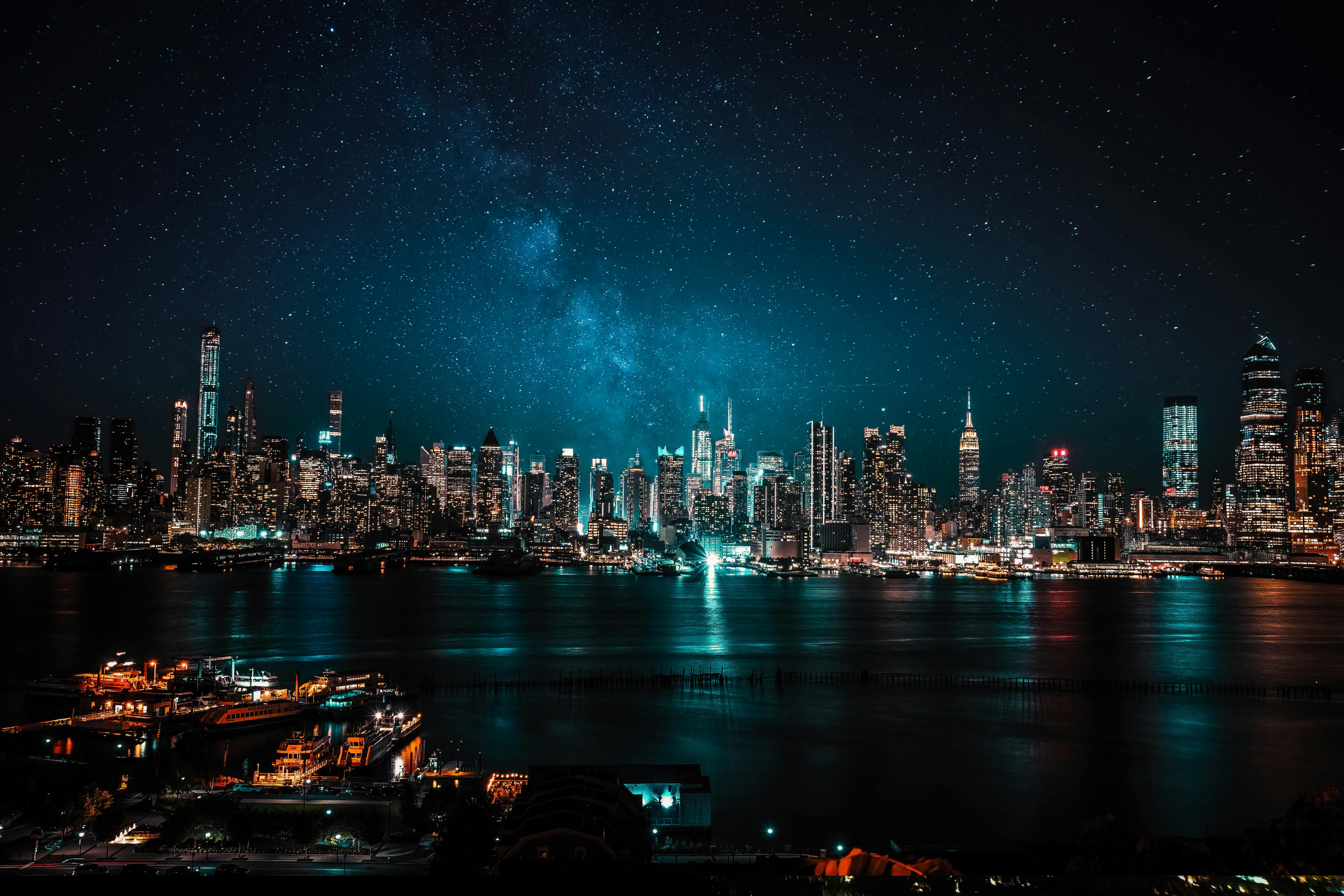 Image Credit: Piccinng from Pexels
And if so many of us feel this way, then maybe our love for the night isn’t random at all. Maybe it actually says something deeper about our generation. What’s interesting is that psychology supports this more than we think.
When the outside world gets quieter, our brain naturally shifts into a more reflective state. With less noise, less movement, and fewer things demanding our attention, the mind finally gets space to turn inward. The part of the brain linked to imagination, memory, and internal thoughts becomes more active in calm environments. And that’s one reason creativity feels so much easier at night. At night, we’re not constantly reacting to the world around us. We’re not replying, adjusting, performing, or keeping up. Our mind isn’t busy surviving the noise-it’s free to explore ideas, connect thoughts, and feel things properly. There’s also something psychologists talk about called the default mode network. It’s basically the part of the brain that becomes active when we’re not being overstimulated. It’s connected to self-reflection, imagination, emotional processing, and even daydreaming. And honestly, night gives the perfect environment for that. No constant stimulation. No interruptions. Just quiet, space, and a mind that finally gets permission to breathe.
Circadian Rhythms And Night Focus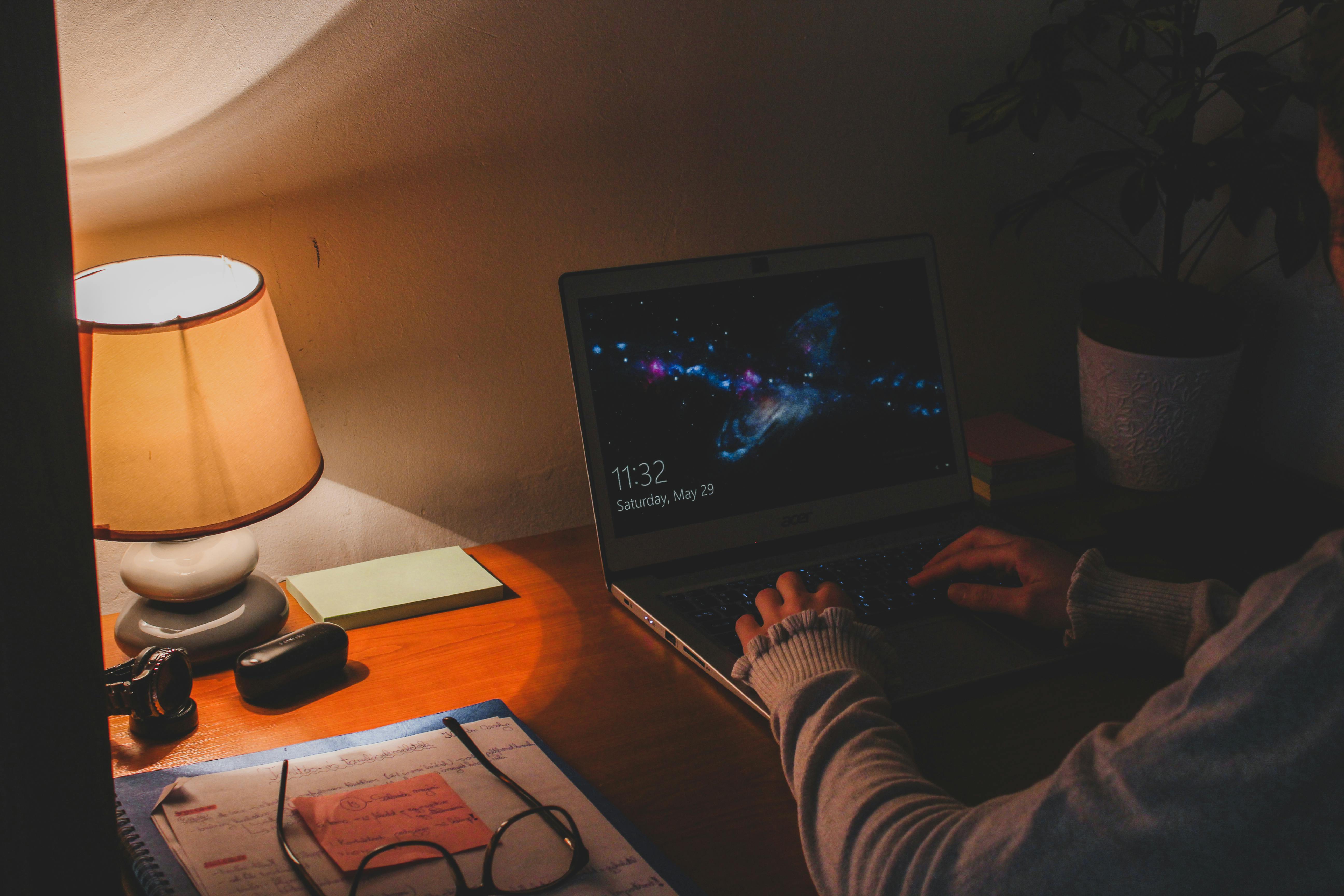
Image Credit: Czapp Árpád from Pexels
Every person has a circadian rhythm-an internal body clock that decides when we feel awake, focused, or tired. And not everyone is built for early mornings. A lot of young adults naturally feel more mentally active later in the day. So night focus isn’t laziness, it’s biology. For many Gen Z people, night becomes their clearest time—thoughts feel sharper, connections make more sense, and attention lasts longer
Silence And The Flow State
Silence can also push the brain into a flow state that zone where focus gets deeper, time disappears, and you actually get things done. Flow needs uninterrupted attention, which is hard during the day. But at night, with fewer messages, demands, and expectations, it’s easier to stay locked into one task—whether it’s studying, writing, or creating something meaningful.
The Emotional Side Of Night Energy
Image Credit: Варвара Курочкина from Pexels
Emotions often feel louder at night-not because we’re weak, but because we’re finally aware. When distractions disappear, feelings come up more clearly, and that’s why poetry and creativity feel more honest after dark. The inner critic gets quieter, thoughts feel less filtered, and expression becomes real.
But night energy has a downside too. If night becomes the only escape, it can slowly turn into exhaustion. Long-term lack of sleep affects mood, focus, and emotional health.
Night energy isn’t wrong-it just needs balance. Night can be a tool, but it can’t replace rest.
What This Obsession Really Says About Gen Z
 Image Credit: Czapp Árpád from Pexels
Gen Z lives in nonstop stimulation—always online, always aware, always processing something. So when everything finally slows down, we can breathe again. Night isn’t about escaping life, it’s about finding a moment when life stops demanding so much.
Maybe this “night energy” isn’t something to fix, but something to understand. Because when the world sleeps, we finally hear ourselves.
