







Last summer, I took a trip to Washington, D.C., with my family to visit relatives and enjoy the city's offerings. Although Washington, D.C. is not known for being the most vibrant or energetic city due to what I would describe as its "governmental" feel, it offers culture and history, lots of it.
Hence, this was the reason I visited a couple of museums while in the city, with my favorite and most memorable one being the National Portrait Gallery. This museum features a diverse collection of paintings, sculptures, and modern art, organized into distinct sections by historical period or genre.
While navigating through this massive gallery, besides the art itself, I couldn't help but be amazed at the number of exhibitions that displayed art regarding the same historical period but from different cultural viewpoints; for instance, there was a great deal of Native American and African-American art that was made in the United States in the 18th, 19th, and 20th centuries that depicted completely different struggles and cultural and social realities from one another.
Beyond the reality that was represented in this art, what also surprised me was the large number of artworks that existed and how little-known this art is to most people in the present, due to, in my opinion, the lack of representation many of these marginalized groups have in the media, the internet, social media platforms, galleries, and many other social platforms.

Image Credit: Rizka from Wikimedia Commons
These art pieces represent the history of the United States, and not giving a voice to groups of people that represent these communities can unconsciously make us marginalize these groups and make us create false prejudices or beliefs about them, as well as making us forget that they are the most important part in the creation of countries like the United States.
This does not only occur in the US; there are many other examples in the world. In Australia and New Zealand, Indigenous tribes produced many art pieces regarding their struggle and origins, as did some Romani communities, who, through their art, also represented a sense of struggle, or Basque and Catalan (my birthplace) art that for centuries has expressed a sense of regional identity.

Image Credit: Schulenburg from Wikimedia Commons
Furthermore, outside of art, the conflict of representation also influences how I understand collaboration in our society. When people from the same ethnic background, race, or culture come together to create, explore, or do something, I only see a group of people putting their efforts and ideas together to achieve something in a very regular or uniform manner; on the other hand, when people from different racial, ethnic, or cultural backgrounds come together, I see a group of individuals with different ways to understand, solve and view problems come together.
Furthermore, as a whole, I see a group of people with fresh ideas that enrich society, as opposed to groups of people with the same ethnic, racial, and social backgrounds that may understand and see topics from the same social perspective.
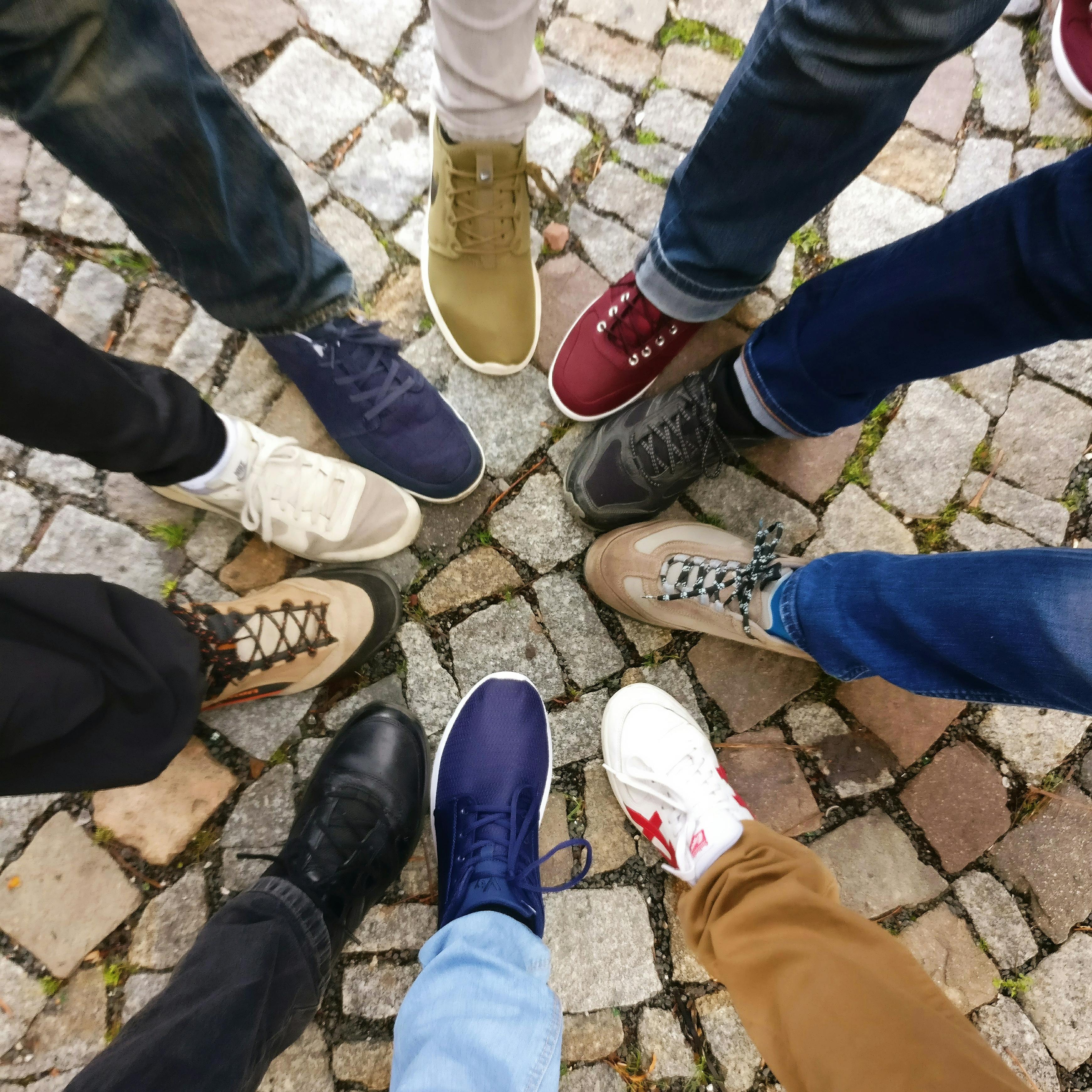
Image Credit: Joseph from Pexels
As a society, I believe we need to stop attacking programs from across the world that promote this racial representation that can enrich societies for the better, such as the DEI program in the USA, Canada’s Truth and Reconciliation initiatives that highlight Indigenous voices (it does not act the same as DEI programs), and the UK’s Race Equality Charter in universities. These programs look to give people from marginalized or less favored communities opportunities to go to universities and get jobs in many places.
The argument behind the initiatives to take down these programs is that the people who are given these opportunities don't have to work as hard as others to get that job or school acceptance, or, as Donald Trump, who is one of the leaders behind the movement against these programs, once put it:
Still, this idea doesn't take into account that many of the people who are included in these programs have the same capabilities or can have a broader skill set than those who have to go through a "merit-based" selection.
However, since people from these marginalized communities have historically never been given the support system or opportunities to develop these capabilities, they can get stuck in their own community and are not given the ability to advance societies and communities with their unique way of looking, solving and understanding things.
On the other hand, it is important to take into account that these DEI programs don't just aim to give easier access to people to institutions; they also look to eliminate and address systemic inequalities in our society.
As a final point, I truly believe that the most important and easiest way to reduce the number of marginalized communities and the hateful rhetoric towards multiculturalism and multiraciality is by giving visibility through the media to these groups. The media, in my opinion, can help give an accurate description of what reality is and can help lead many who have wrong beliefs about certain communities and racial groups to their reality (often the media is used against these groups).
This way, I hope that we will be able to put aside our differences for the flourishing of communities that, let's not forget, were founded on multiraciality and multiculturalism, and should continue to evolve doing so.


-L1005570.jpg)
