





The Structural Flaw
Bipartisanship has eroded in global politics, not because compromise is impossible, but because it has been rebranded as weakness. In the post‑war era, politicians increasingly sought to differentiate themselves. During the Cold War, strong leaders were expected to project clear ideological identities, hawkish on defense, principled on economics, uncompromising on values (sound familiar?).
Standing out meant rejecting the centrist, compromise‑driven politics of the mid‑20th century. Moderation became synonymous with softness, while radical clarity became the mark of strength. Over time, this hardened into a political culture where compromise was seen as betrayal rather than progress.
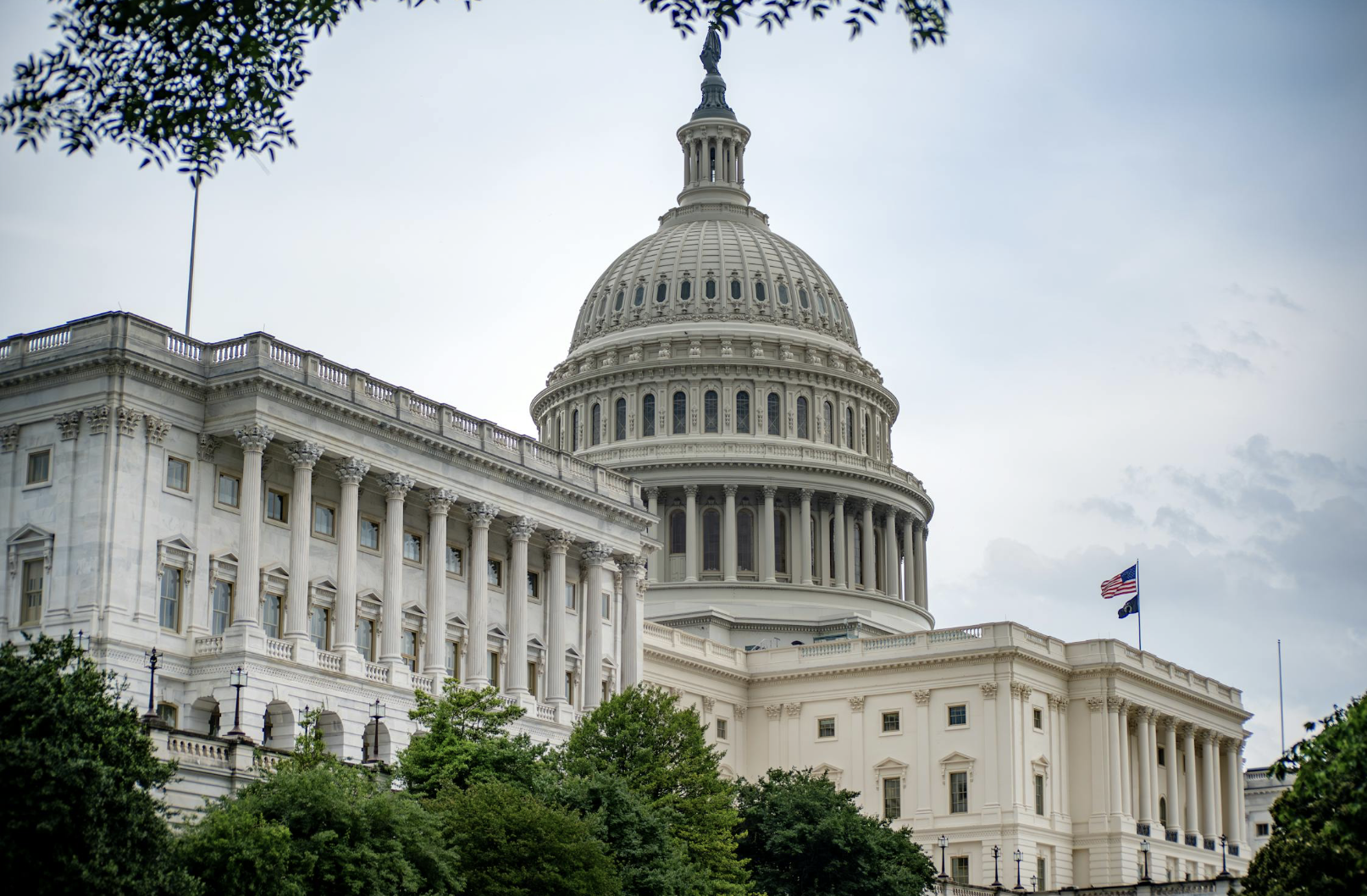
Image Credit: Ramaz Bluashvili from Pexels
Let us slide into your dms 🥰
Get notified of top trending articles like this one every week! (we won't spam you)Inequality in Representation
The decline of bipartisanship has widened inequality in representation. Communities that rely on pragmatic solutions, infrastructure, healthcare, education, are left stranded when parties refuse to cooperate based on ideological and party lines. Instead of policy tailored to diverse needs, citizens receive gridlock and symbolic gestures.
The loudest ideological voices dominate, while moderate or nuanced perspectives that focus on execution are drowned out. This leaves ordinary people with fewer champions in government, and the system rewards polarization over problem‑solving.
Take the Quiz: What Kind of Political Personality Are You?
Ever wondered what role you’d play in the political world? Take this fun quiz to find out!
A Personal Experience
As a student observing local politics, I see the same exhaustion among voters that I see among peers in education systems. People want results, not endless fights. Families care less about ideological purity than about whether their roads are repaired, their schools funded, and their healthcare accessible.
Yet leaders continue to posture, framing compromise as weakness. We see that in Congress today. We see it in Eastern European strongmen. We see these unfortunate symptoms of political corrosion in countless developed countries as well. When citizens feel trapped between extremes, no one is willing to bridge the divide.

Image Credit: RDNE Stock project from Pexels
Recommendation
Reclaiming bipartisanship is not about erasing differences; it is about recognizing that democracy thrives on negotiation. The next generation of leaders must learn to compromise without fear of appearing weak. Society should value pragmatic solutions over ideological purity, and institutions must reward collaboration rather than obstruction. Until then, America will continue to produce performers instead of problem‑solvers, and the system will keep manufacturing division instead of progress.