





Introduction
A 7-year-old girl with big brown doe eyes, golden skin, and long, thick hair sat on the ground in front of the TV as her mother oiled her hair. The faint smell of coconut and sandalwood mixed with the birds chirping outside their balcony and the feeble sound of chai brewing filled the air. Everything seemed so wondrous back then.
Let us slide into your dms 🥰
Get notified of top trending articles like this one every week! (we won't spam you)A Coconut‑Scented Childhood Dream
She sat exclaiming whenever her mom pulled her too hard, soaking her hair with the robust scent of sandalwood and coconut, she was watching a Disney movie(as one does).
She watched as Mulan let her hair down, letting it flow in the wind and revealing her true identity; as Jasmine put her rightful crown on her head; as Moana made her first venture through the sea; and as Elsa sang Let It Go (which every sane person has memorized).
She couldn’t help but wonder: why didn’t a single princess look like her?
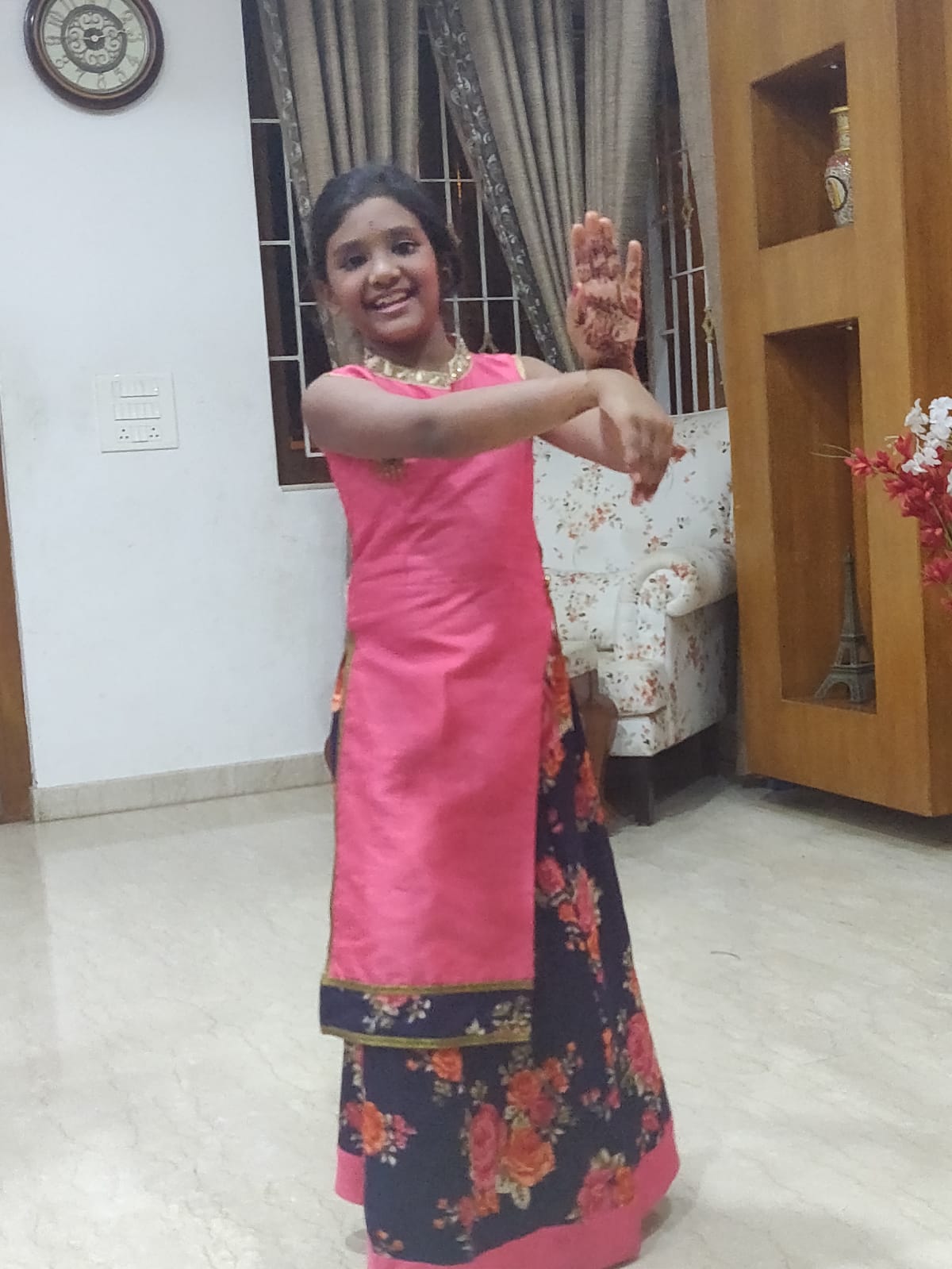
Image Credit: Tanishka Gupta


Take the Quiz: What's Your Alter Ego
Take a quiz to find out who your inner alter ego really is
When Disney Princesses Didn’t Look Like Me
Why did every princess have a thin waist and a gap between their thighs?
Why did no princess have the stretch marks she often saw on herself?
Why did no princess have bumps on her cheeks as she did?
Why were there no Indian princesses when her family told her she was one?
Suddenly, the smell of chai brewing repulsed her, the oil on her hair felt sticky, the jhumkas on her ear felt weighted, the accent that rolled out of her tongue felt broken, and her clothes made her feel tacky. She wondered why she didn’t look like the people the world adored.
And so she grew up.
She grew up watching the world call her culture gross.
Oiling our hair? Eating food with our hands? wearing a lot of jewelry? wearing colour? Our skin tone?
She stopped going to her mother for their weekly hair-oiling bonding sessions. She began to learn how to eat dal chawal with spoons, started wearing 'aesthetic' monotone clothes and minimalistic jewelry in the name of fashion, while her lehengas, salwar kameez, and kurtis remained hanging behind closed doors. She stopped drinking chai and avoided the sun, fearing it might make her 'more' dark.
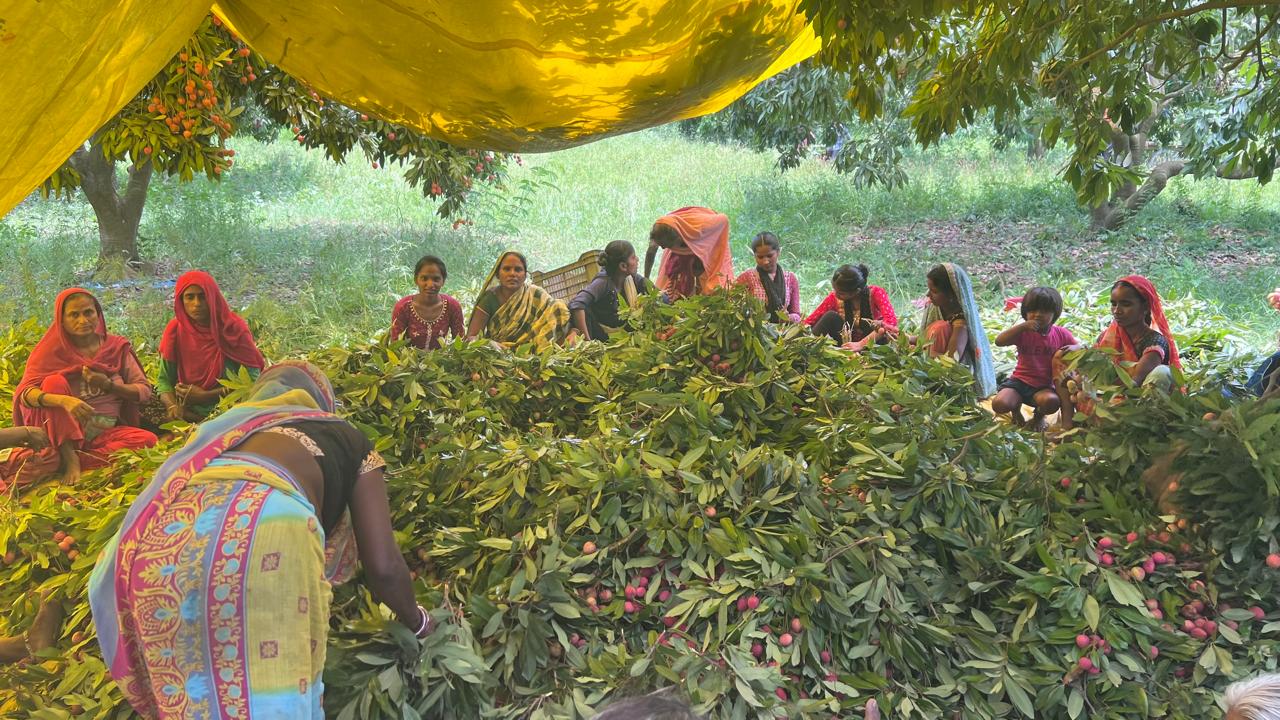
Image Credit: Tanishka Gupta
The hypocrisy
They drink their exotic “chai tea latte” in popular cafes yet feel repulsed by the aroma of herbs and spices that fill our streets, homes, and lives,
eat butter chicken, biryani, and “naan bread”, treating them as the only Indian foods “worth” mentioning,
our jhumkas, payals, naths, and haars are immoderate yet become “vintage jewelry” once mainstreamed and commercialized,
They call our skin tone disgusting, yet they spend hundreds, sometimes thousands, on spray tans and sit in the scorching sun for hours, risking skin cancer, just to mimic the colour they denigrate.
They scoff at our clothes, designs, and style, yet I hear them rave about “exotic” fashion the moment it appears in a luxury brand store,
mock our infrastructure and buildings yet copy our arches for luxury hotels,
They praise a desi themed party yet feel overwhelmed when the real celebrations begin,
They celebrate our Diwali by lighting up the skies and Holi by smearing colour all over themselves, yet they can't be bothered to learn the true meaning of the vibrant festivals.
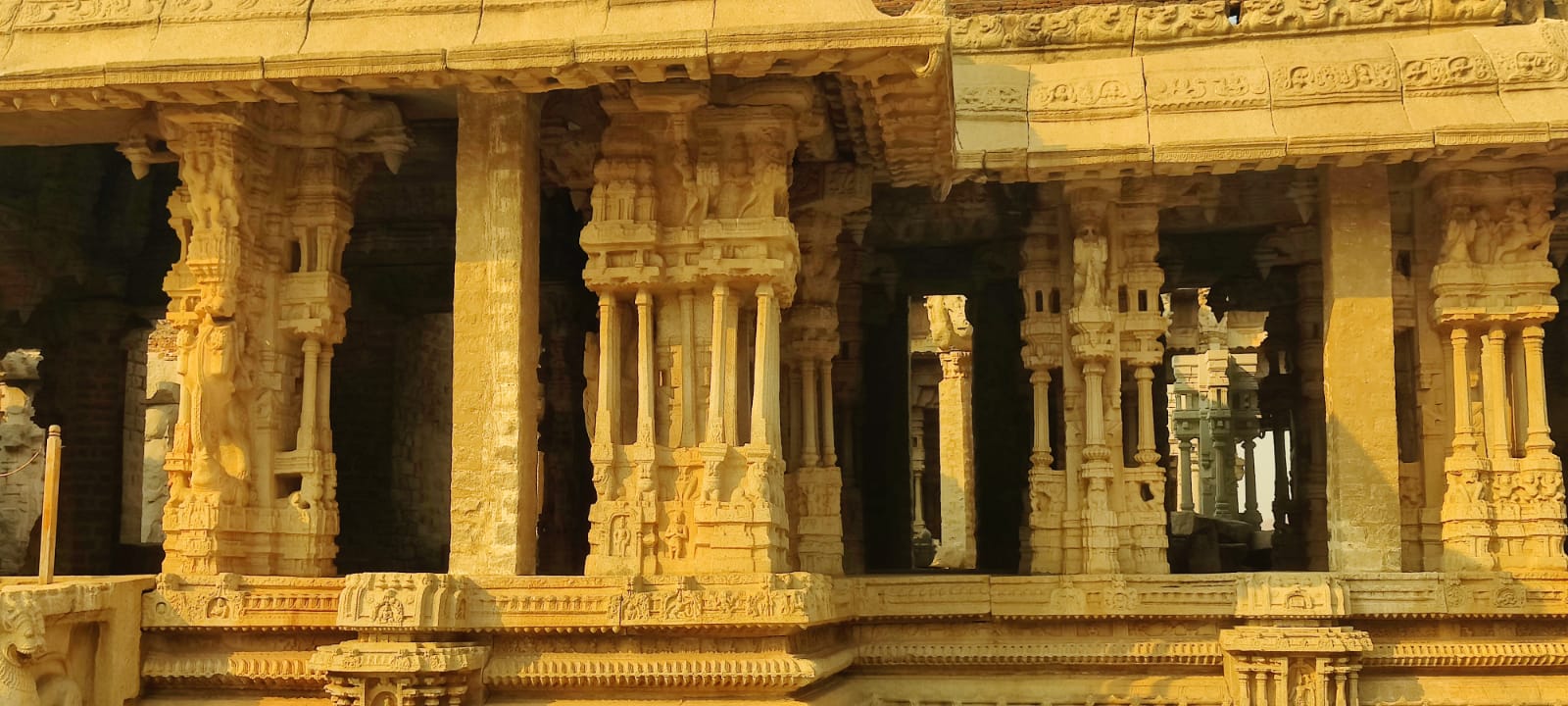
Image Credit: Tanishka Gupta
Is my culture only acceptable when it’s for others?
Why does our culture only become “acceptable” once it has been westernized, commercialized, and turned into a product?
Why do our dupattas become “trending scarves,” our hand‑woven kurtas a “vintage look,” and our festivals a “exotic experience” only when they’re packaged for a market that never lived them?
These questions demand answers. and the answer isn’t in the way we dress or the food we serve, but in the way we are taught to value ourselves, keep telling the world that a culture isn’t a trend to be curated, but it is a living, breathing, and vivid heritage that belongs to us, whether or not it ever appears on a runway.
Image credit: Tanishka Gupta
Reclaiming the Oil, the Jhumkas, and My Own Reflection
I will continue to oil my hair, wear my jhumkas, and love the colour of my skin, because a culture that only matters when it’s packaged for profit is never truly ours.
If you can’t see the beauty in my uncurated self, then the “exotic” you profit off is nothing more than a hollow mirror. The world may call our traditions “trendy” only after they’re stripped of their soul, but I will never let my heritage be reduced to a hashtag.
When the scent of coconut and sandalwood fills my room again, I will smile, knowing that the only thing that ever needed “approval” was my own heart. They can label our festivals “exotic” and our clothes “vintage,” but they will never erase the memory of a little girl who saw herself in every Disney princess she watched.

Image Credit: Tanishka Gupta
How to Stop Turning Culture into a Trend
small actions that add up to real change
- Show up, don’t just scroll: Attend the local Indian festivals, community gatherings, or a dhaba‑style dinner. Truly feel the vivid culture we try so hard to protect, listen to the old Bollywood songs that make life worth living, and eat the vada pav that every Indian craves. Live it through your own terms and not through the lens of Instagram, Snapchat, or Pinterest.
2. Speak up when you see the double standard – Once you start noticing the double standard, you can never stop. Point them out. The longer you stay silent, the more permission they get.
3. Celebrate the messiness – Share the parts that don’t fit the Instagram aesthetic: stretch marks, the sound of a cracked accent, the feel of oil on hair, jhumkas that aren't neatly displayed on the pocket of your jeans.
4. Create, don’t curate – If you’re a writer, designer, filmmaker, or simply a social‑media user, produce content that centers Indian perspectives instead of framing them as “exotic.” Let the narrative come from inside the culture, not from the outside gaze.
5. Pass it on – Teach the next generation, siblings, cousins, friends' kids how to oil hair, how to make dal, how to celebrate Diwali the way it’s meant to be celebrated. The more people who know the “real” version, the harder it is for the world to reduce it to a trend.
Image credit: Tanishka Gupta
Bottom Line
Change starts with everyday choices. By buying responsibly, speaking up, and living the culture proudly even when it feels “un‑stylish,” you turn a heritage that’s been packaged for profit back into a vibrant, unapologetic part of who we are.
Vocabulary
(Masala)Chai- An Indian tea, made with green cardamom, ginger (fresh or dried), cinnamon, cloves, and black pepper.
Dal Chawal- An afternoon meal of cooked lentils(dal) served with steamed rice(chawal).
Dupatta - a long, versatile, scarf-like garment.
Lehenga - a skirt, blouse (choli), and dupatta, ideal for weddings.
Salwar Kameez - a tunic (kameez), trousers (salwar), and dupatta.
Jhumka - a traditional, bell-shaped, or dome-shaped earring from India known for its dangling design, which creates a soft, jingling sound.
Payal - ankle bracelet.
Nath - nose ring.
Haar - necklace.
Vada pav - street food consisting of a deep-fried, spiced potato dumpling (vada) nestled in a soft bread roll (pav), often displayed with green pepper.
Dhaba- A roadside food stall.
Diwali - a Hindu festival with lights, held in the period October to November. The "Festival of Lights" symbolizes the victory of light over darkness, good over evil, and knowledge over ignorance. It primarily commemorates Lord Rama’s return to Ayodhya after 14 years of exile and his victory over the demon king Ravana, celebrated by lighting diyas to guide his path.
Holi - a vibrant Hindu festival marking the victory of good over evil, the arrival of spring, and the strengthening of relationships through love and forgiveness. It commemorates the legend of Prahlad and Holika.
