



In the 21st century, or the “digital age,” platforms like Spotify, YouTube, and Apple Music have made music more accessible. With a tap of your finger, anyone can listen to any song instantly, without the need for physical tapes or CDs. It’s cheap and convenient, like so many other things in our world today, and that’s why so many people rely on digital music players and apps.
However, with the rise of terms like “doomscrolling,” “brain rot,” and “A.I. slop,” it’s clear that some people have begun associating increasingly negative views with the digital age. This negative pushback against technology and modernism initially began with the older generations; those that grew up with analog resources saw the inherent value in physical storage.
But with the newest wave of negative responses against high-speech tech, even Gen Z has started to associate the over-digitalization of certain resources as something that might not be worth celebrating, or even something potentially dangerous.
Advanced technology has undeniably improved our world, whether in the medical field or in regard to cybersecurity. Longer lifespans, increased home security, and decreased levels of disease can all be owed to technological advancements: that’s causation, not just correlation. Nevertheless, in the average human’s daily life, there indeed can be “too much” technology, and people are just now starting to realize the effects.
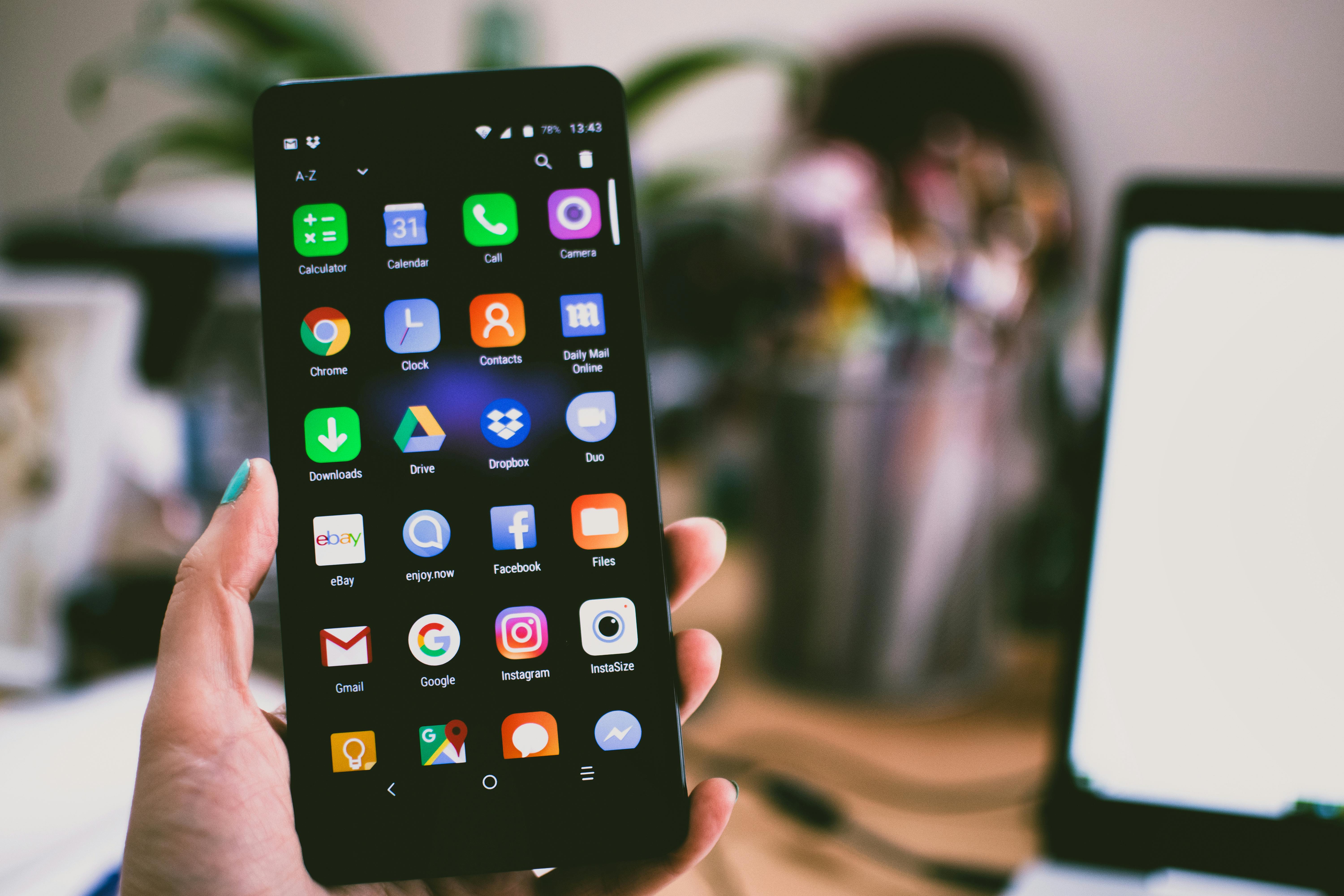
Image Credit: Lisa from Pexels from Pexles
Let us slide into your dms 🥰
Get notified of top trending articles like this one every week! (we won't spam you)Why Analog?
With this pushback against the negative sides of modern technology comes a stronger collective desire for human connection and analog resources. Trading keyboards for paperback books, Spotify for record players and vinyl, and digital PDFs for handwritten notes, analog is not just an “anti-brain rot” choice. It’s a way to adjust overstimulated brain activity to normal levels, increase attention span, and re-establish the value of human connection.
While wired earbuds and physical music records can be an “aesthetic,” the switch that some Gen Z members are making is not just about taking Instagram-worthy photos. It’s a cry for the de-commodification of entertainment, and the result of a burning desire to re-connect with nostalgic media, even for those who didn’t fully experience and remember the age of analog music.
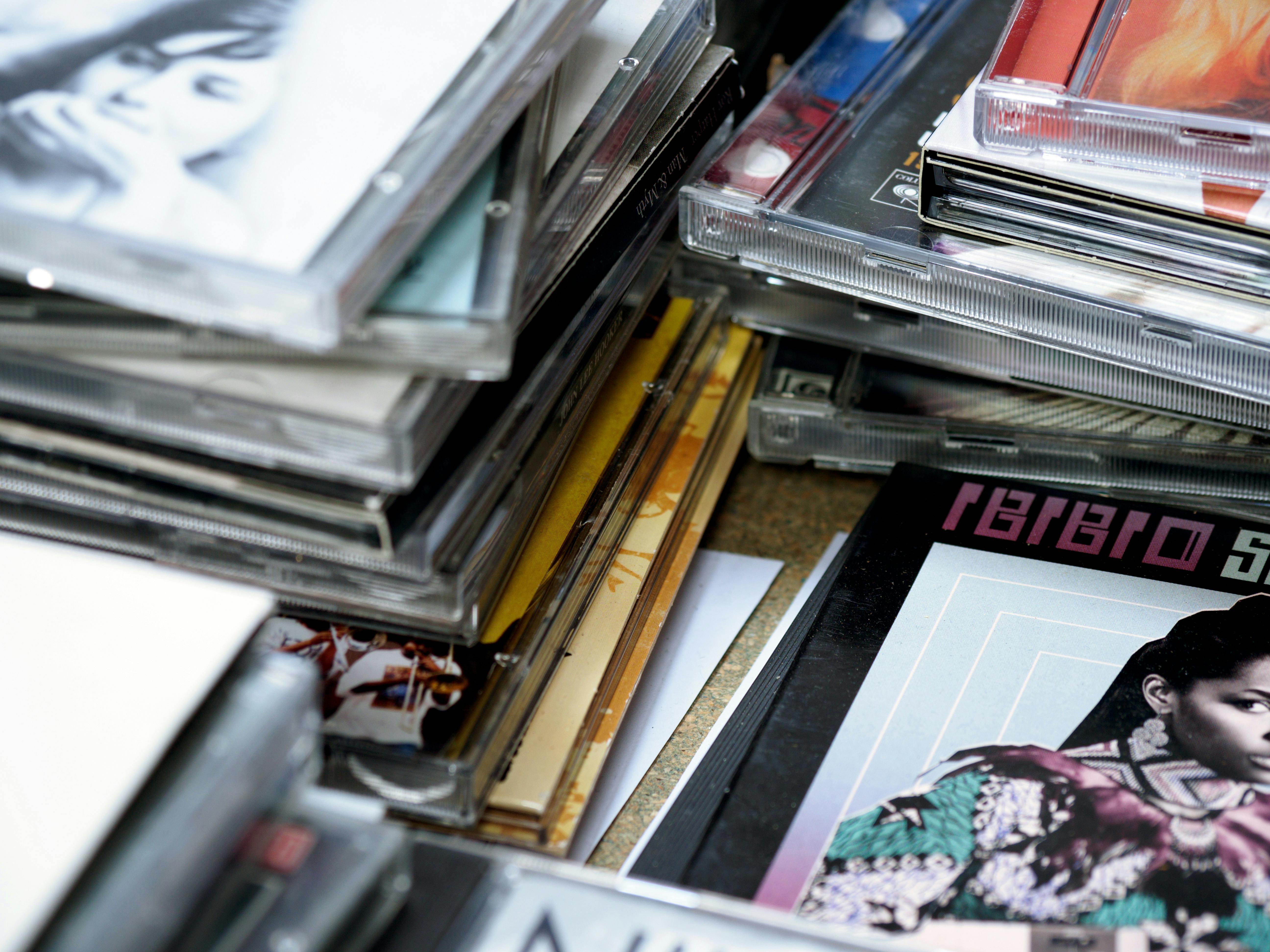
Image Credit: Brett Jordan from Pexels
.png)
Take the Quiz: Choose Your Fall Flicks and Find Out If Your Halloween Fit Is ABBA Glam or Fleetwood Mac Magic!
Fall is the best time to snuggle up with a great movie, but your choices say more about you than you think! Take this quiz to see if your autumn mo...
My Experience
To me, analog and digital media isn’t a battle, it’s a balance, and there are benefits that come with both forms.
Technology is inescapable in 2026, and oftentimes it makes life easier. That’s not a bad thing. My laptop makes completing school assignments convenient, and typing allows me to convey my thoughts easily.
Medicine lets me quickly recover from colds or relieve symptoms. Having online textbooks is a big advantage, since I don’t have to carry them around, and can easily search for key words.
Even then, some things are better in their analog form in my experience. I love Spotify, but I continue to look for vinyl and CDs at thrift stores. The experience of reading a physical book is vastly different from, and much more immersive than, that of an eBook.
It requires an active effort to keep certain resources in your life analog, and a careful choice of what to digitize.
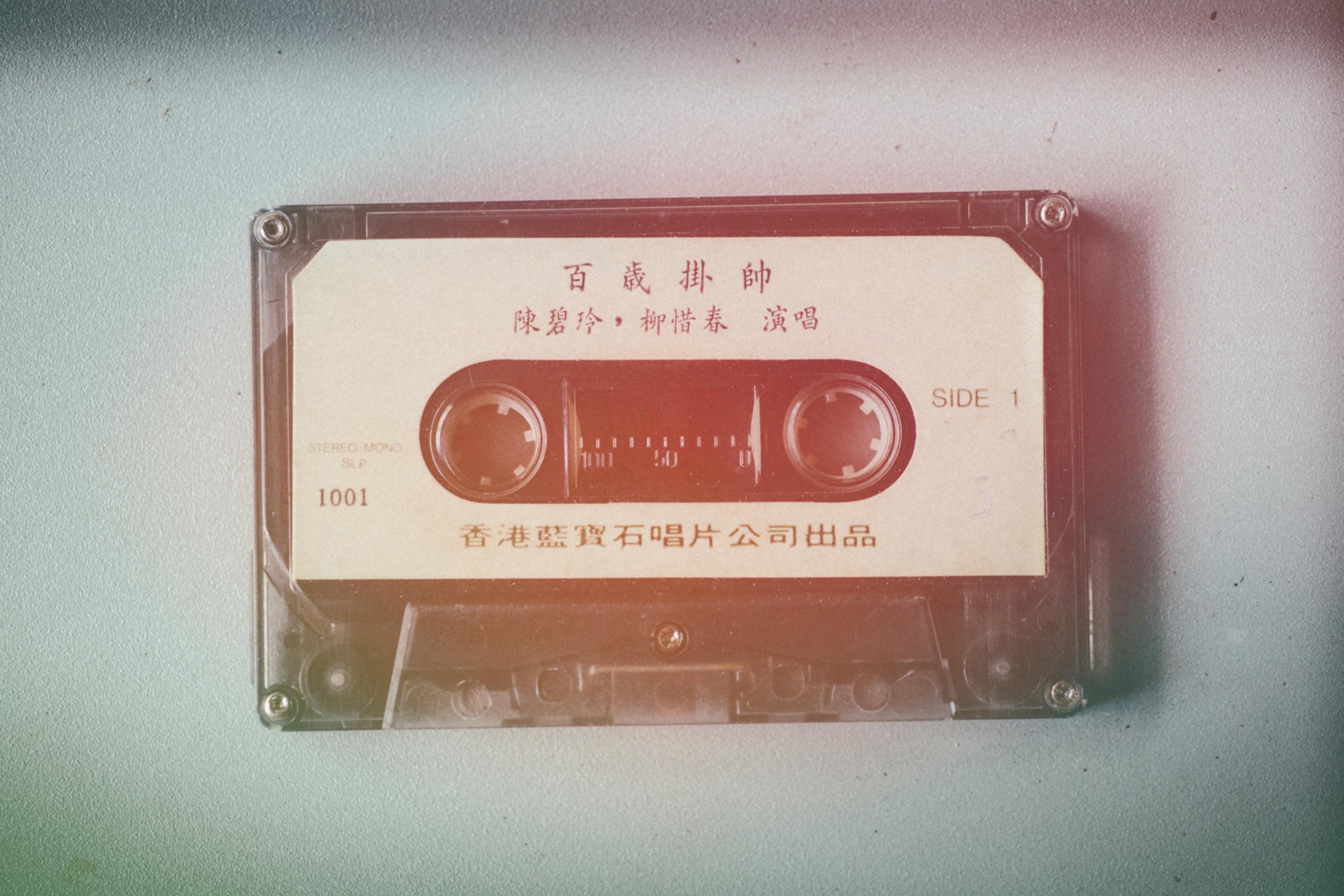
Image Credit: NEOSiAM 2024+ from Pexels
How to Switch
Switching from digital to analog media is a growing interest in the younger generation, and there are a vast number of ways that you can switch:
- Music: You don’t have to abandon your Spotify premium membership, but you know what else has infinite skips and no ads? Vinyl and CDs. It’s an initial investment if you don’t have a record player, but once you purchase any song, it’s yours forever—no ads, no limits, no monthly payment. And most importantly, no screens required.
- Books: While it’s certainly convenient to download online books, taking the time to visit a local library or bookstore instead is a simple way to continue interacting with physical media. Especially if you’re looking for book recommendations, asking a librarian or interacting with other people in a bookstore is an easy way to make a friend and possibly find your next favorite read.
- Journaling: Getting your thoughts down on paper is an incredibly mindful and stress-reducing activity for many. Even keeping a physical to-do list tends to help certain people increase their productivity and keep organized. Using physical notebooks, planners, or journals is one of the simplest ways to keep grounded, and keep analog.
- The “Dumb Phone”: This is a big switch, but many people have been trading in, or taking a break from, their smartphones by acquiring a “dumb phone.” These range in ability from flip phones with simple apps to feature phones like the Light Phone, and help you stay in touch with friends while eliminating distracting or problematic apps.
- Film Cameras: This one is for the photographers. Cameras that use film encourage intention and care, values that the activity was initially meant to incorporate. Like the other forms of analog media, film delays gratification and is a slow process, but it’s worth the effort for those who truly care about the analog conversion.
- Games: Board games continue to be a popular form of analog media but have been partially replaced by online versions and video games. While you have to be in-person with other players, using analog board games like Monopoly or card games is a simple way to stay physical and build human connections.
Image Credit: Lucas Pezeta from Pexels
Gen Z's Obsession
There are endless ways to stay analog, even though it is seemingly less accessible in the modern world. Although it would be difficult, if not impossible, to go completely caveman, intentionally engaging with analog media can improve well-being, human connection, and focus in a fast-paced world. It’s clear why Gen Z seems to want analog back: greater cognitive function, more human connection, and a reversal of the digitization that is driving an increasingly dystopian world.
