







.png)
Have you ever told a joke and felt like you've crossed a line? Well recently, e.l.f. cosmetics crossed a line by working with Matt Rife. If you haven't heard about the ad, it stars comedian Matt Rife and drag queen Heidi N Closet as lawyers at the fictional "“Law Offices of e.l.f.ino & Schmarnes," to promote affordable beauty products. The price of the product wasn't the problem nor the ad - it was Rife.
Why Does This Matter?
We as consumers aren't just blindly scrolling, we're observing the brand's values. Every collab, every campaign, every influencer partnership sends a message. And when that message contradicts the values a brand claims to believe in, people notice.
And in Rife's case, the contradiction was loud. He chose to open with the line “I feel like if she could cook, she wouldn’t have that black eye.” as to allow the rest of the show to go smoothly but it came off inconsiderate and generalizing of a very sensitive topic, not just to survivors of domestic abuse, but anyone who believes humor shouldn't make people feel ashamed. Even e.l.f. 's apology, “We understand we missed the mark with people we care about in our e.l.f. community” felt more like PR attempting damage control rather than a thoughtful reflection. The ad stayed up. Rife replied to their apology with “Had a great time ❤️❤️,” like he didn’t care. And e.l.f. never explained why they picked him in the first place, which made it feel even worse.
But this isn't about just one comedian. It’s about who says it, how they say it, and what it really means. When jokes rely on stereotypes or painful experiences, they stop being clever and start reminding people of the struggles they still face. If brands ignore that deeper meaning, they risk turning a fun ad into something that feels hurtful.
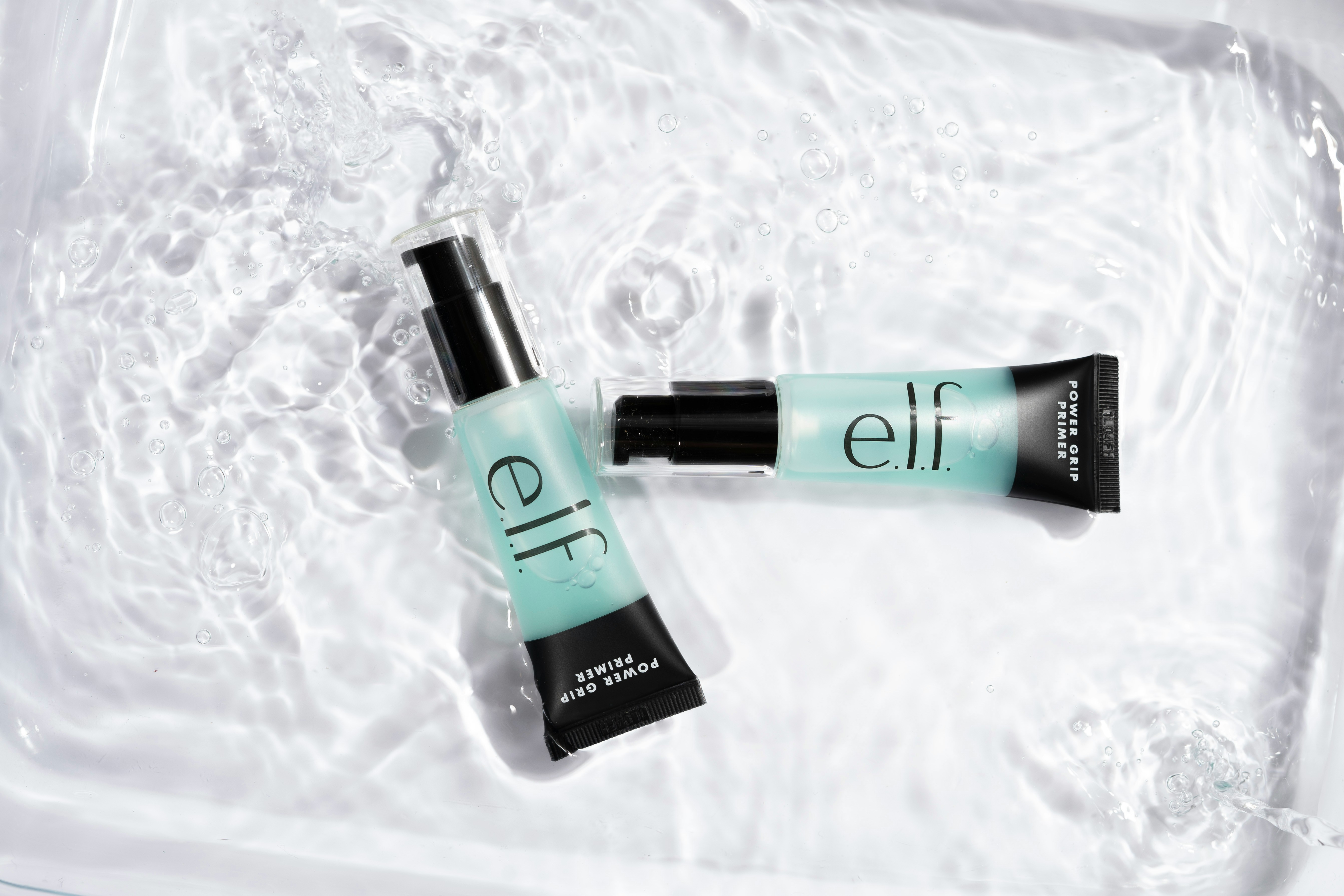
Photo by Andrea Castro from Unsplash
Representation Without Responsibility?
Heidi N Closet’s presence in the ad was meant to signal inclusivity. As a beloved drag performer from RuPaul’s Drag Race, she brings charm and queer representation to mainstream media. The ad itself was quirky and fast-paced, styled like a parody of legal drama tropes.
But in this case, her inclusion felt more like a shield than a statement. While Heidi added flair, her role didn’t counteract the harm caused by Rife’s involvement. In fact, a deeper question was formed: can representation be used to deflect criticism?
When drag is used as a marketing tool, it risks becoming artificial. Heidi didn’t say anything problematic in the ad, but her presence was used to soften the blow of Rife’s reputation. That’s not fair to her, and it’s not fair to the communities she represents.
Where Is the Line and Who Picks?
The line between a playful tease and just being offensive is a fuzzy one. Of course, topics shouldn't be banned or stigmatized but handled with care. We saw this fuzziness play out in American Eagle's campaign featuring Sydney Sweeney where the tagline: "Sydney Sweeney has great genes." received much backlash. In the ad, Sweeney, a blonde and blue-eyed actress, was talking about how traits are inherited before saying, "My jeans are blue." While it was intended to be playful wordplay, it came off unsettling to many viewers.
American Eagle later explained that the ad was meant to be about jeans, not genes. They said it was just a fun way to talk about denim. But by the time they spoke up, people had already started talking about something much bigger.
The ad sparked debates across social media. Some defended it as harmless wordplay. Others pointed out how the joke landed differently depending on who was watching. For many, it felt like a reminder that mainstream fashion still centers whiteness and Eurocentric beauty ideals.
Photo by Blue Denim Jeans from Pixabay
So, What Now?
We’re not asking comedians to stop being funny. We're asking for them to be aware. The line will forever keep on shifting depending on context, history, identity, or culture.
That’s why brands need to do more than say sorry when they mess up. They need to ask real questions. Who are we focusing on?
Who are we protecting? And who are we ignoring?
Matt Rife’s joke wasn’t just a bad start to his show. It was a reminder that humor can cause harm. And e.l.f.’s choice to work with him, without explaining why or taking real responsibility, made that harm feel ignored.
Heidi N Closet brought energy and style to the ad, but her presence couldn’t cover up the problem. When brands use people for diversity without standing by them, it’s not progress. It’s just a performance.
The same thing happened with American Eagle. Their ad with Sydney Sweeney used a pun about “great genes.” It may have seemed harmless, but when paired with a narrow idea of beauty, it sent a message. And that message matters.
But then Gap did something different.
Their “Better in Denim” campaign featured the global girl group KATSEYE. It didn’t just try to sell jeans. It celebrated individuality.
The group includes members from the Philippines, South Korea, Switzerland, and the United States. In the ad, they danced to Kelis’ “Milkshake” in a bright and joyful scene that felt more like a music video than a regular commercial. It wasn’t just about showing diversity. It felt thoughtful and real. Gap didn’t use representation to cover up a problem. They used it to highlight people and celebrate who they are.
Hopefully, brands and comedians will learn to adapt to the ever-shifting line between being funny or offensive.
.png)


