







The Definition of Dress Code
Dress code, two words, nine letters, which somehow dictates so much of a female's existence. Naturally, a well-functioning society must rest on an understanding of decorum and propriety. However, what is considered appropriate in one country may be scandalous in another.
At what point, then, should cultural expectations control individual expression? Should respect always take precedence over creativity? This article will examine the merits and drawbacks of a dress code and consider whether society should enforce it.
No Shoes, All White, No Service
Some aspects of dress code are so ingrained in social norms that they are labeled as “common knowledge.” For instance, every person in Western society knows that wearing white to a wedding or any color other than black to a funeral is improper. Beyond color, the type of clothing also holds significance. What one chooses to wear to a formal restaurant will differ from what one wears to the beach. These conventions, while not often spoken aloud, are elements of an informal dress code, which can prove helpful.
Deciding to follow this “dress code” and wear a color other than white to a wedding is a way of showing respect for the bride. Similarly, in religious contexts, modesty is often practiced as a virtue to show respect for a higher power. Comparable expectations exist in professional environments, where trends such as the “office siren” aesthetic, while popular, may conflict with traditional standards of professionalism. In these cases, dress codes can serve their practitioners.

Image Credits: Leonardo Miranda from Unsplash
Fashion Over Function
The issue arises when such standards are enforced upon those who neither desire nor consent to them. For centuries, clothing has served more than a practical purpose. When outfits become a form of self-expression, art in the most literal sense of the word, they transcend clothing and become fashion.
Just as Impressionism scandalized Realism in its time, fashion, is ever-evolving and challenges social norms. So how can someone, anyone, put a limit on art and creativity?
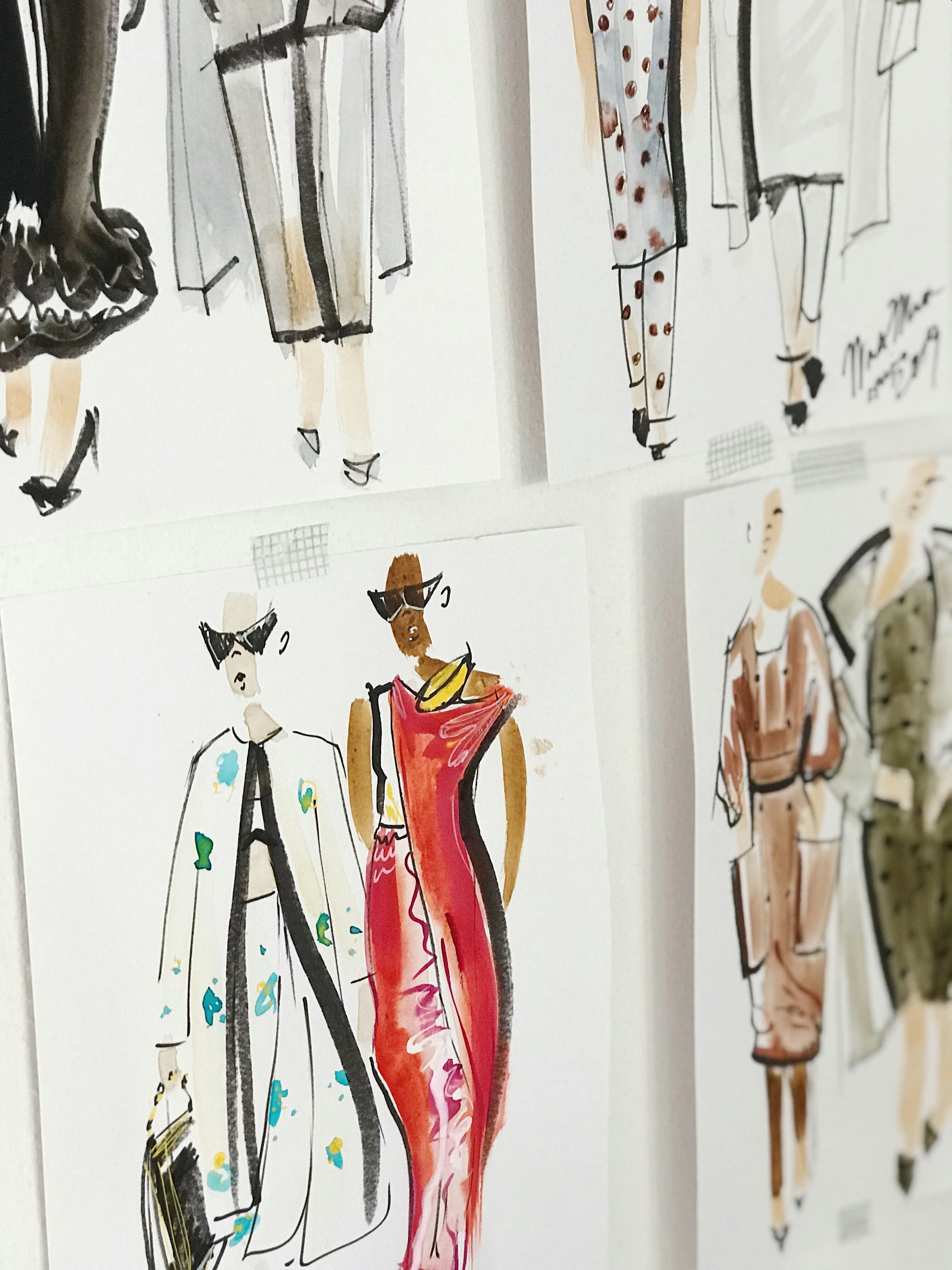
Image Credits: Charlota Blunarova from Unsplash
No Kneecaps Allowed
Dress codes not only restrict self-expression; they also perpetuate misogynistic ideologies. When a woman is forced to cover herself, it reinforces the idea that her value is derived solely from her appearance. Her purpose, some dress codes would suggest, is to enable a man to do his work by covering her shoulders. Men should be taught to respect women regardless of what they are wearing; without this change, society cannot fully progress toward gender equality.
The Extreme Limitations
The final problem with dress codes lies not in the restriction itself, but in how they are enforced. Although school dress codes are supposedly ubiquitous, they are unequally implemented for those with certain body types. This disproportionate enforcement makes girls self-conscious and insecure about their appearance.
However, while high school dress codes are unfortunate, they are far more lenient than those enforced by some extremist governments. In extreme cases in Iran, women have been publicly flogged for wearing clothing outside the dress code. In Afghanistan, even female athletes, individuals who require functional athletic wear, are forced to wear the burqa, which entirely restricts their movement and ability to perform. Such policies extend beyond religious principles; they are about control. Freedom of expression is not merely a Western ideology; it is a human right, as stated in Article 19 of the United Nations’ Universal Declaration of Human Rights.
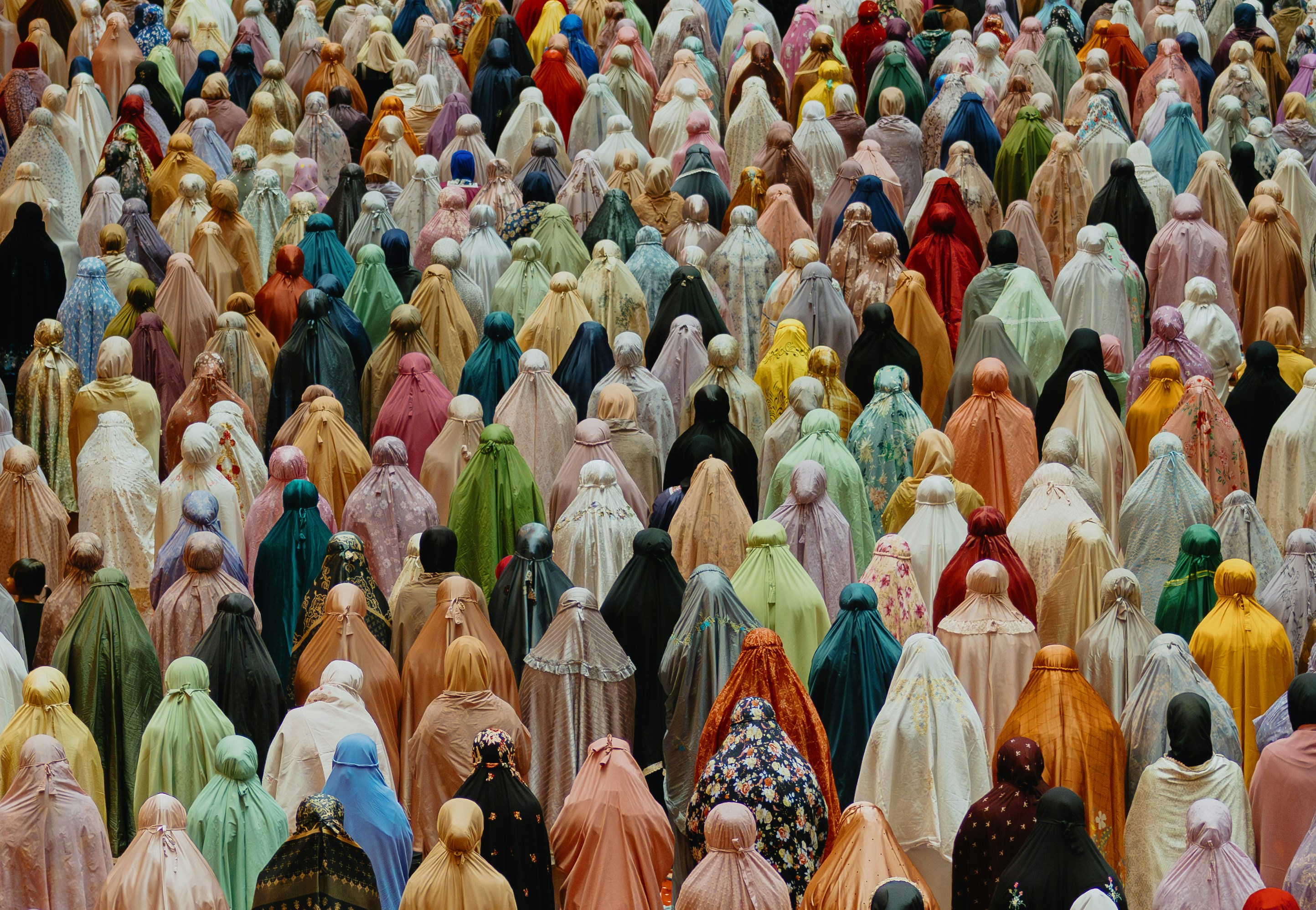
Image Credits: Alim from Unsplash
The Suspension of Dress Code
In conclusion, dress codes are not entirely harmful. Nevertheless, they remain restrictive and biased in most contexts. Informal dress codes can serve as valuable guidelines for dressing appropriately.
Ultimately, however, appropriateness should not be valued over freedom. The cost of dress codes, sacrificing art, reinforcing inequality, and limiting freedom of expression, a universal human right, far outweighs their benefits. Therefore, dress codes should be expelled from schools and governments, at the very least, suspended.
