






Scrolling, posting, reposting, commenting- everything seems harmless. Social media is where we joke, vent, expose people, call things out, and sometimes spiral at 2 a.m. without thinking twice. But here's the uncomfortable truth: the internet isn't a diary, and it definitely isn't consequence-free.
What you post online can follow you legally, academically, and professionally-even if you delete it later. A lot of teens think lawsuits and legal trouble are "adult problems," but that's not true anymore: schools, courts, employers, and even police are taking online behavior seriously-especially when posts cross into harassment, impersonation, or defamation. This article isn't meant to scare you-it's meant to make sure you don't accidentally ruin your future over a post that took 10 seconds to upload.
Let us slide into your dms 🥰
Get notified of top trending articles like this one every week! (we won't spam you)Fake Accounts, Impersonation, and “It’s Just a Joke” Excuses
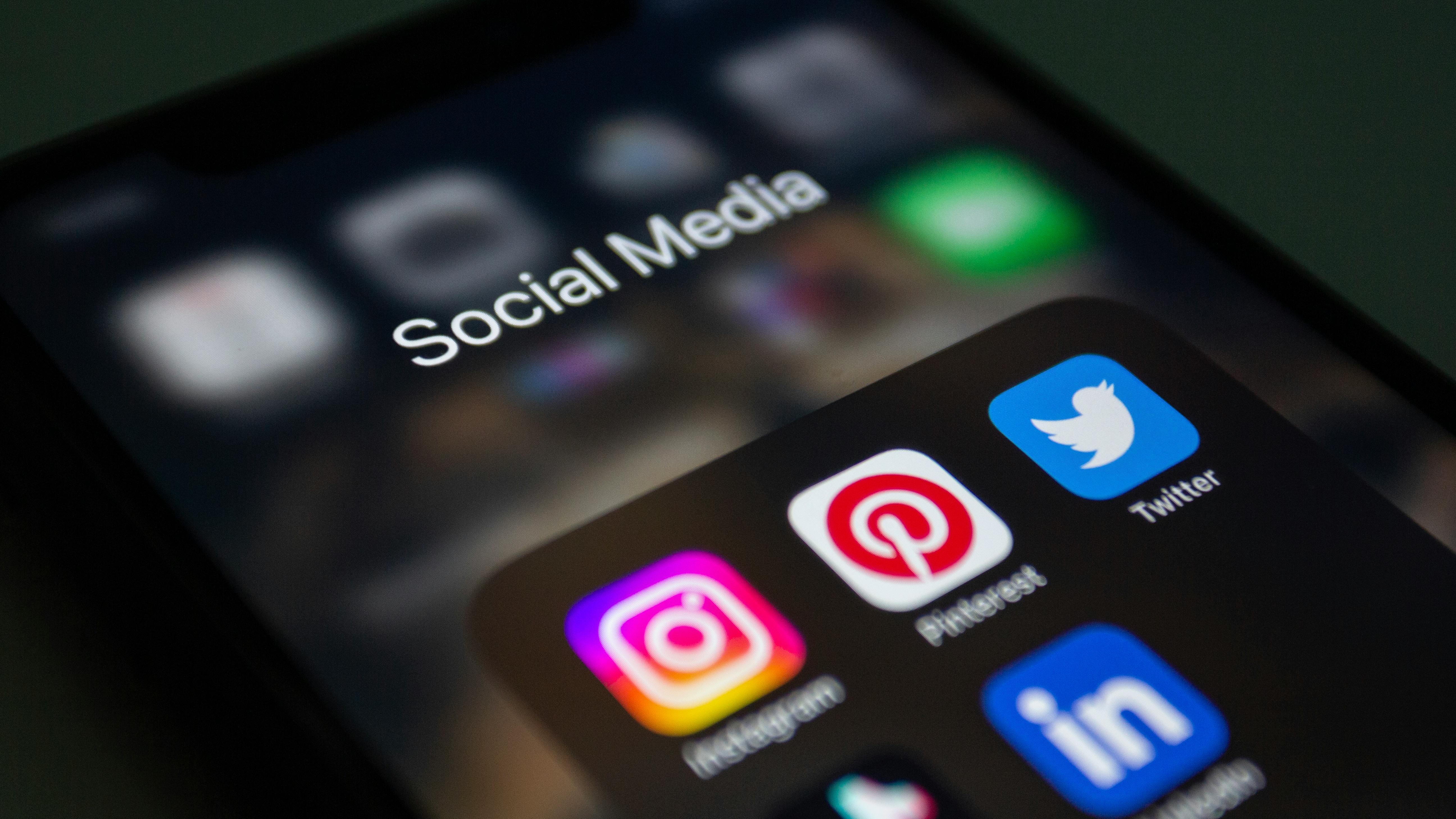
Image Credit: Bastian Riccardi from Pexel.
Let’s take the issue of fake accounts: everybody has a friend who has created a fake account at least once in their lives. “Finsta,” “burner,” “parody”, it sounds pretty ordinary, right? Well, from a legal perspective, it gets pretty complicated pretty fast. Whether an account “impersonates” another person, especially a real person, can put people in trouble legally, as defined by the U.S. Federal Trade Commission: “Impersonation scams are one of the most common types of online fraud, in which a person poses as another person or organization to defraud others” - FTC.
While you may not actually make money, engage in a form of scamming, etc., impersonation-based offenses can create damage, in a sense, as you create a bad reputation, create emotional distress, etc., and this is where things take a legal turn. While schools might discipline students for creating a false account that impersonates a different student and/or teacher, as well as some states considering this a form of a criminal act, in addition, if this is done so that someone will act in a manner that is malicious, California has a range of offenses dealing specifically with this issue of online impersonation ("It is unlawful to impersonate another person online with intent to harm, intimidate, threaten, or defraud" — California Penal Code §528.5).
The worst myth to cling onto is, in my opinion, “it’s just a joke.” Legally, intent does not always save you. If the result of something hurt someone, then that’s what counts. Screenshots don’t go away.
Usernames don’t cloak you in a shroud of anonymity. IP addresses are around, kid. The internet has a big memory-even when you wish it didn't.
When Posting Turns Into Defamation or Cyberbullying
Image Credit: Tofros.com from Pexels.
It feels powerful to call someone out online, but it is an especially strong urge if one believes one is right. Nonetheless, there is a very fine line between speaking one's truth and committing defamation. Defamation occurs when one makes a false statement presented as fact that causes harm to the reputation of another person. According to Cornell Law School, "[d]efamation is a false statement of fact that causes injury to a person's reputation" ("Defamation requires a false statement, publication, fault, and harm" — Cornell Law).
That is where teens are getting into trouble: rumor repetition, “allegations” or posts about accusations without verification. Saying ‘allegedly’ does not save anyone. If what is said is false and potentially damaging and it becomes public knowledge, it can still get someone into trouble.
This is true even for minors, and parents can also end up legally responsible. This is also true with cyberbullying laws. Now, cyberbullying is taken quite seriously as a legal issue in many countries and states, aside from being a problem in schools. According to the Cyberbullying Research Center, they pointed out that cyberbullying is “defined as willful and repeated harm inflicted through electronic devices” ("Cyberbullying can result in legal consequences including school discipline and criminal charges" - Cyberbullying Research Center).
Posting humiliating pictures, encouraging dogpiling, or making an account to mock one individual, for example, quickly gets into harassment territory. And when law enforcement or school officials get involved, there ain't no hiding behind excuses that “everyone did it." See, what seems to be just an online drama can quickly get out of control in a hurry, and a good number of users don't anticipate that.


Take the Quiz: How Well Do You Know Instagram Trends?
Take this quiz and find out if you are updated on the 2025 Instagram trends!
Screenshots, Permanence, and Why Deleting Isn’t Protection
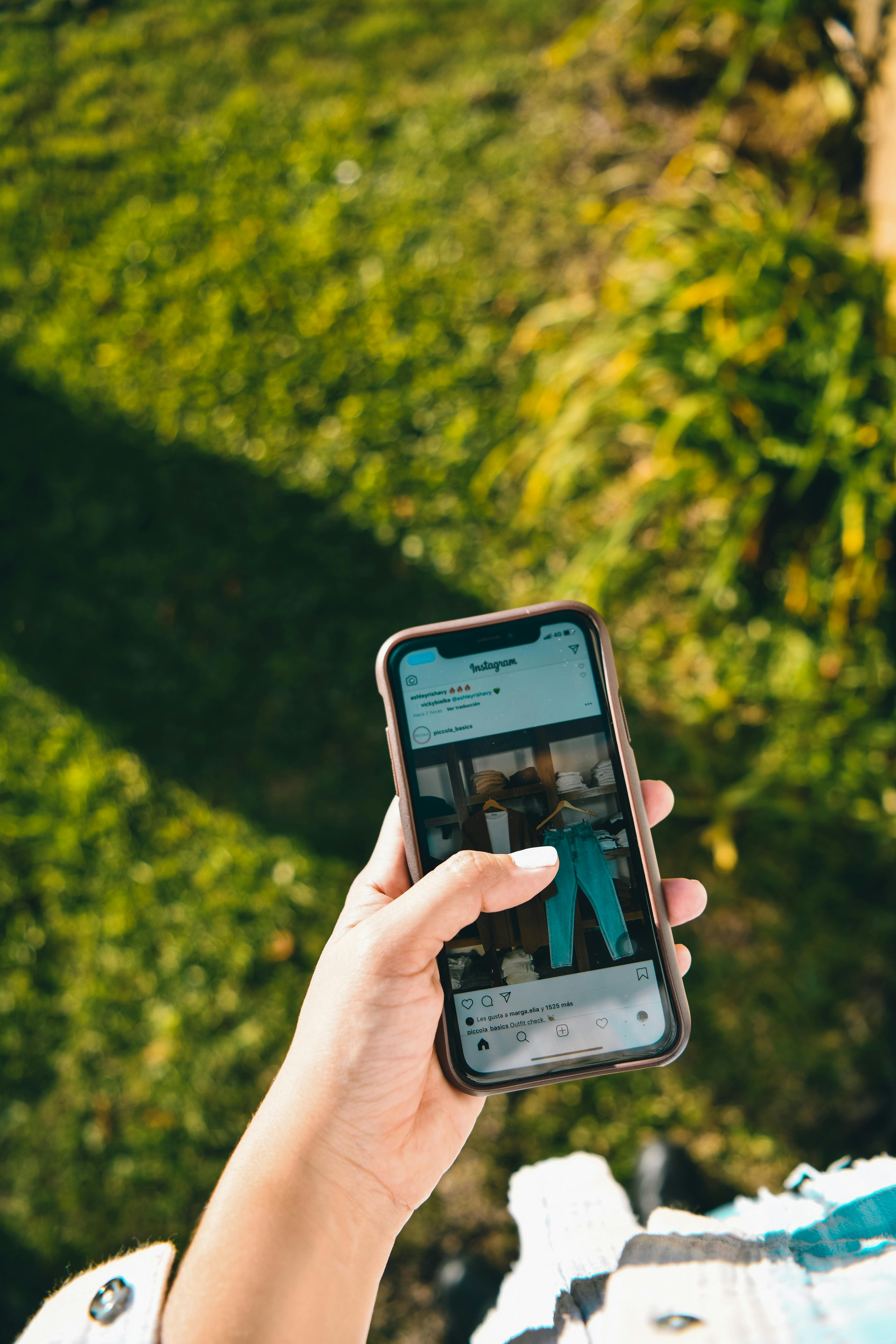
Image Credit: Loli de Elia from pexels.
One of the biggest myths online is “I deleted it, so it’s gone.” It’s not. Screenshots, screen recordings, cached pages, and archived posts exist. Even private accounts aren’t truly private. According to the National Association of Attorneys General, “Deleted content may still be recoverable and used as evidence in investigations” ("Digital content can persist even after deletion" — NAAG).
This matters when posts are used as evidence, in school investigations, court cases, or job screenings. Colleges and employers absolutely look at social media. A 2023 survey by CareerBuilder found that 70% of employers use social media to screen candidates ("Employers often reject candidates based on inappropriate online content" — CareerBuilder).
The safest rule? Post as if your future self, your school principal, and a lawyer could all see it — because one day, they might. Being careful online doesn’t mean being silent.
It means choosing impact over impulse. Speak up, but don’t spread lies. Advocate, but don’t harass. Joke, but don’t impersonate. Accountability online isn’t about fear — it’s about power and responsibility.
Conclusion: Use Social Media Smart, Not Scared
Social media isn’t evil. It’s how we connect, organize, create, and speak out. But it’s also a legal space, not a lawless one.
Understanding the risks doesn’t mean censoring yourself, it means protecting yourself. Before posting, ask: Is this true? Is this necessary? Could this hurt someone unfairly? Could this hurt me later? Because sometimes the most mature thing you can do online is pause. You deserve a future that isn’t haunted by a screenshot from a bad day. Use your voice — just don’t let it cost you your peace, your education, or your freedom.
