




.jpg)
If you’re a teen who’s interested in money, you’ve probably heard the same investing advice everywhere from YouTube, TikTok, parents, teachers, and random blogs. "Buy safe investments. Stick to index funds. Don’t overthink it."
I'm not trying to tell you that advice is wrong, but it is incomplete.
Many teens hear the word "safe" and assume it means no risk at all. Safe as in there is no possibility of your money going down, as if it’s basically guaranteed. That misunderstanding is where problems start.
In the stock market, safe doesn’t mean what most people think it really means.

Image Credit: Towfiqu Barbhuiya from Unsplash
Let us slide into your dms 🥰
Get notified of top trending articles like this one every week! (we won't spam you)What “Safe” Actually Means in Investing
When adults or finance influencers talk about safe investments, they’re usually talking about things like index funds, ETFs, government bonds, or well-known companies that have been around forever (like Apple, for example).
These investments are considered safe because historically, over long periods of time, they tend to go up. The key phrase there is long periods of time.
Safe doesn’t mean nothing bad ever happens. It means that if you wait long enough, things usually work out.
That difference matters more than most teens realize.


Take the Quiz: What Type of Music Should You Listen to While Studying?
Not sure what music would help you focus best while studying? Then this is the quiz for you!
Safe Doesn’t Mean Short-Term Safe
This is probably the biggest misconception. Index funds are not safe if you need your money back soon, the stock market can drop at literally any time (like April 2025). The market doesn’t care if you’re saving for college, a car, or something important.
If you invest money and then need it back next year, there’s a chance it could be worth less when you pull it out. Even if you picked a “safe” investment. In today's world, everything is unpredictable.
This has happened many times before. Stocks drop, and then they recover, but the recovery could take a few weeks or a few years.
Long-term investors will usually be okay, but short-term investors don’t always get that security.
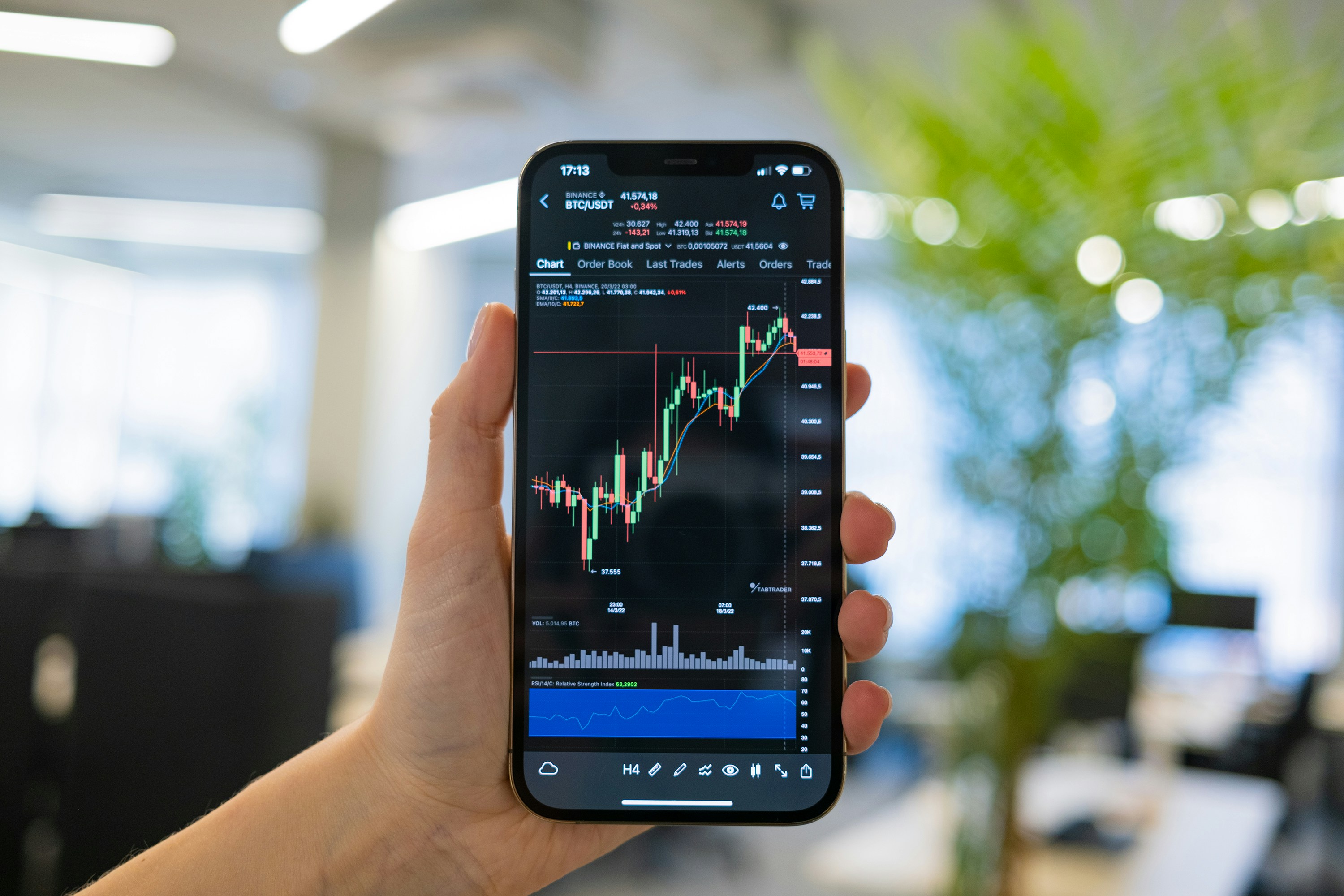
Image Credit: TabTrader.com from Unsplash
Yes, You Can Still Lose Money
A lot of teens don’t expect this.
Index funds decline, blue-chip stocks decline. Sometimes by a lot. The reason they’re considered safe is that they’ve always recovered eventually, not because they never fall flat. As I said earlier, investing is best for the long game.
But here’s the problem: that recovery only helps if you stay invested.
The moment you panic sell all the safety disappears. This is where investing gets emotional; watching your money drop feels bad. We naturally feel inclined to sell when we see the red chart on the screen, but NEVER panic sell, that is the worst mistake you can make.
Most people's investing mistakes happen because people react emotionally, not because they had bad investments.
Safe Investing Is Boring on Purpose
Safe investments are not exciting. There’s no adrenaline, no huge wins overnight, but to be fair, that’s kind of the point.
Index funds aren’t meant to make you rich fast; they’re designed to build wealth slowly and consistently, and that’s why they work. A lot of teens expect investing to feel profitable right away, when it doesn’t, they get bored or disappointed and move on to riskier stuff, withdraw and try again, or just quit completely.
Social Media Ruins Expectations
Social media makes investing look way easier than it actually is. You see clips of people turning a few hundred dollars into thousands, but you never see the losses. You don’t see the years where nothing exciting happens or even money is lost.
So, when teens invest in something “safe” and don’t see the really quick results they saw on Instagram, they think they’re doing something wrong, they’re not. Investing is meant to work over time, not be entertaining
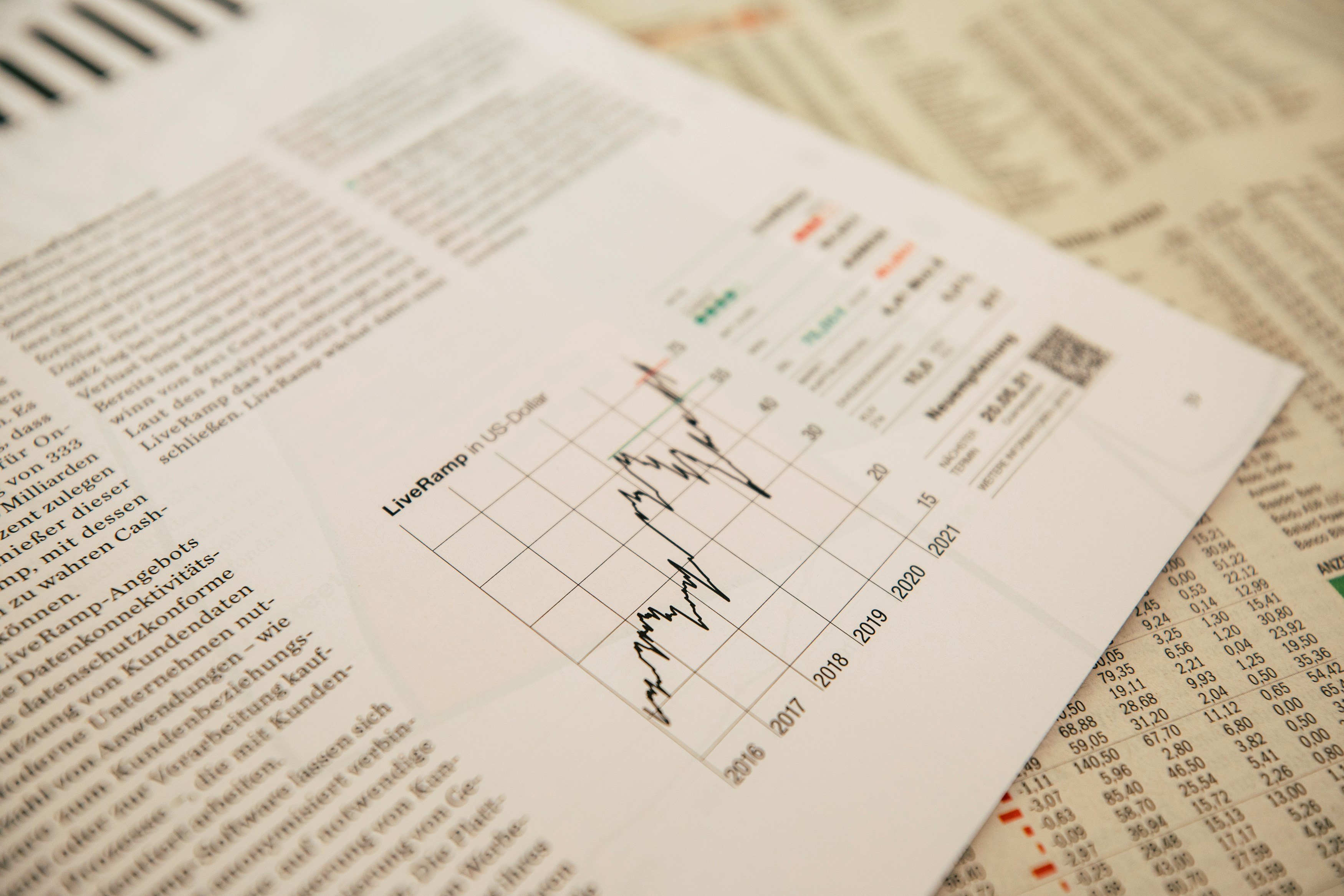
Image Credit: Markus Spiske from Unsplash
Inflation Is Still a Risk
Now this is something almost no teens think about. Even if your investment doesn’t go down, it can still lose value because of inflation. Inflation means prices go up over time. That means your money buys less for you.
If your money grows slower than inflation, you’re technically losing money, even if your account balance stays the same. This is precisely why keeping all your money in cash isn’t as safe as it feels. Safe investing is not avoiding risk completely, like the same investment can be safe for one person and risky for another.
If you understand what you’re investing in and don’t need the money soon, index funds are usually a good choice. If you don’t understand it, check your account every day, and invest money you can’t afford to lose.
What Teens Should Actually Do
Here’s the part that actually works in your favor. As a teen, you have time. That means you can afford to let your investments go through ups and downs, you can wait out market drops, and you can let compound growth do its thing.
But if you expect safe investments to act like savings accounts, you’re setting yourself up for disappointment. Ask yourself: what’s safe for me right now? When will I need this money?
Am I okay with seeing my balance drop sometimes? Do I understand what I’m investing in? Can I leave this money alone for years?
If the answer to those questions is fine, safe investments can be a great starting point.
.jpg)