




The wire sparked, the bulb stayed dark, and I sat down in frustration. My first physics lab of the school year was supposed to be a simple circuit. I was meant to connect a few wires and watch the resistor light bulb light up.
Instead, I ended up with the smell of burnt plastic and a page of messy notes. As someone who always prided myself on being “good at school,” taking my first physics class was a humbling experience.
But talking to others, I realized it wasn't just me. Less than a fraction of my class understood the lab by the end of the period, hinting that failure in physics wasn't a mistake. Failure was the point.
Everyone in my class at some point struggled with a lab gone wrong or an equation that refused to make sense. You're not meant to experience instant success in physics. Rather, you're meant to develop curiosity, patience, and a tougher skin.
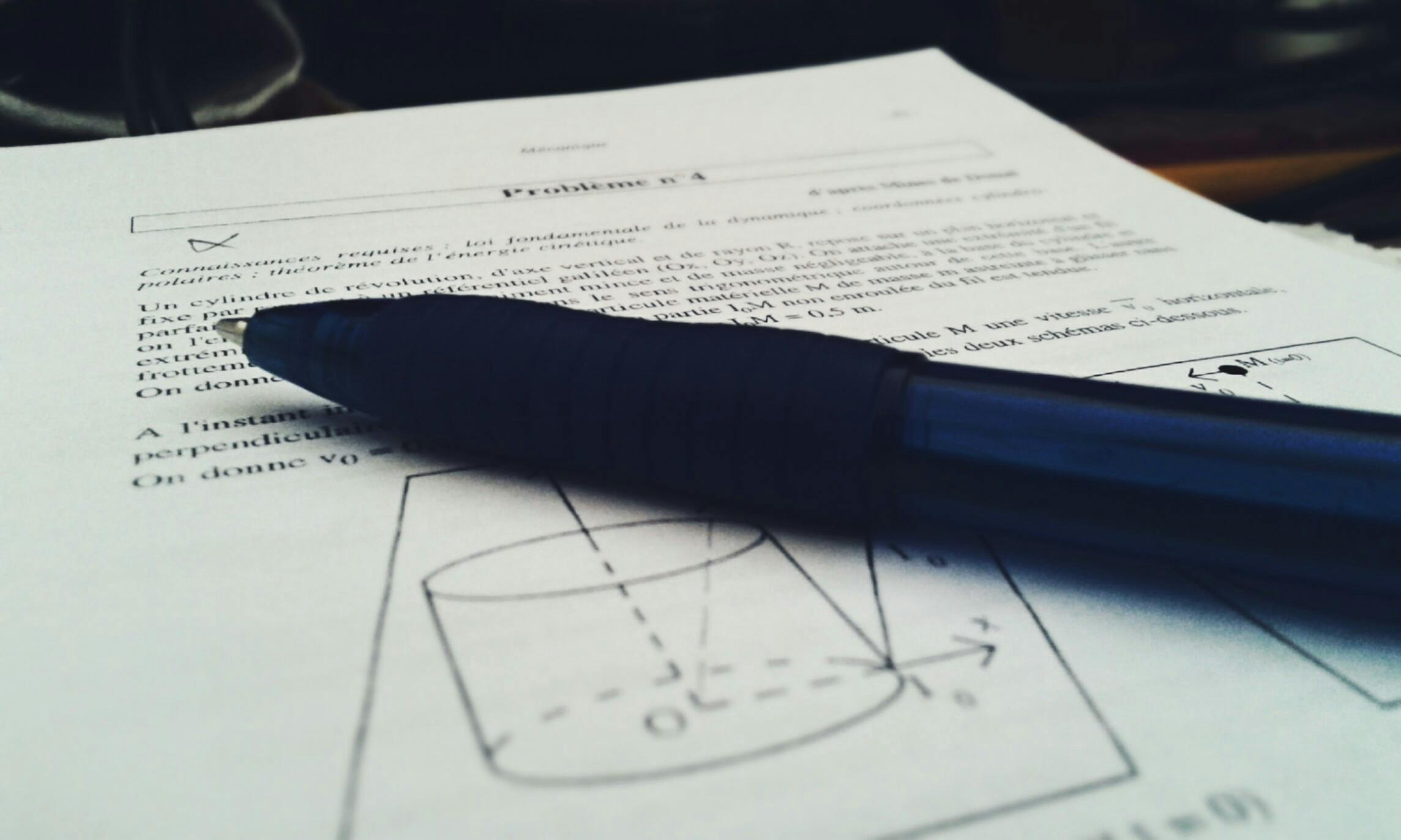
Image Credit: CVSV from Pexels
Let us slide into your dms 🥰
Get notified of top trending articles like this one every week! (we won't spam you)Trial and Error
Physics has a way of humbling you, and almost all of the kids at my school would probably agree (backed up by the AP exam pass rate!). Every experiment that fails and equation that doesn’t balance proves that understanding doesn’t come from perfection, it comes from persisting and trying again.
Physics is a subject is built on trial and error. For every groundbreaking discovery, there were dozens of wrong turns that showed what didn’t work. What seemed like dead ends were usually redirection.
When my circuits shorted, when my calculations gave me negative mass, I learned to ask why instead of giving up. Over time, I realized the key wasn’t avoiding mistakes but learning how to learn from them.
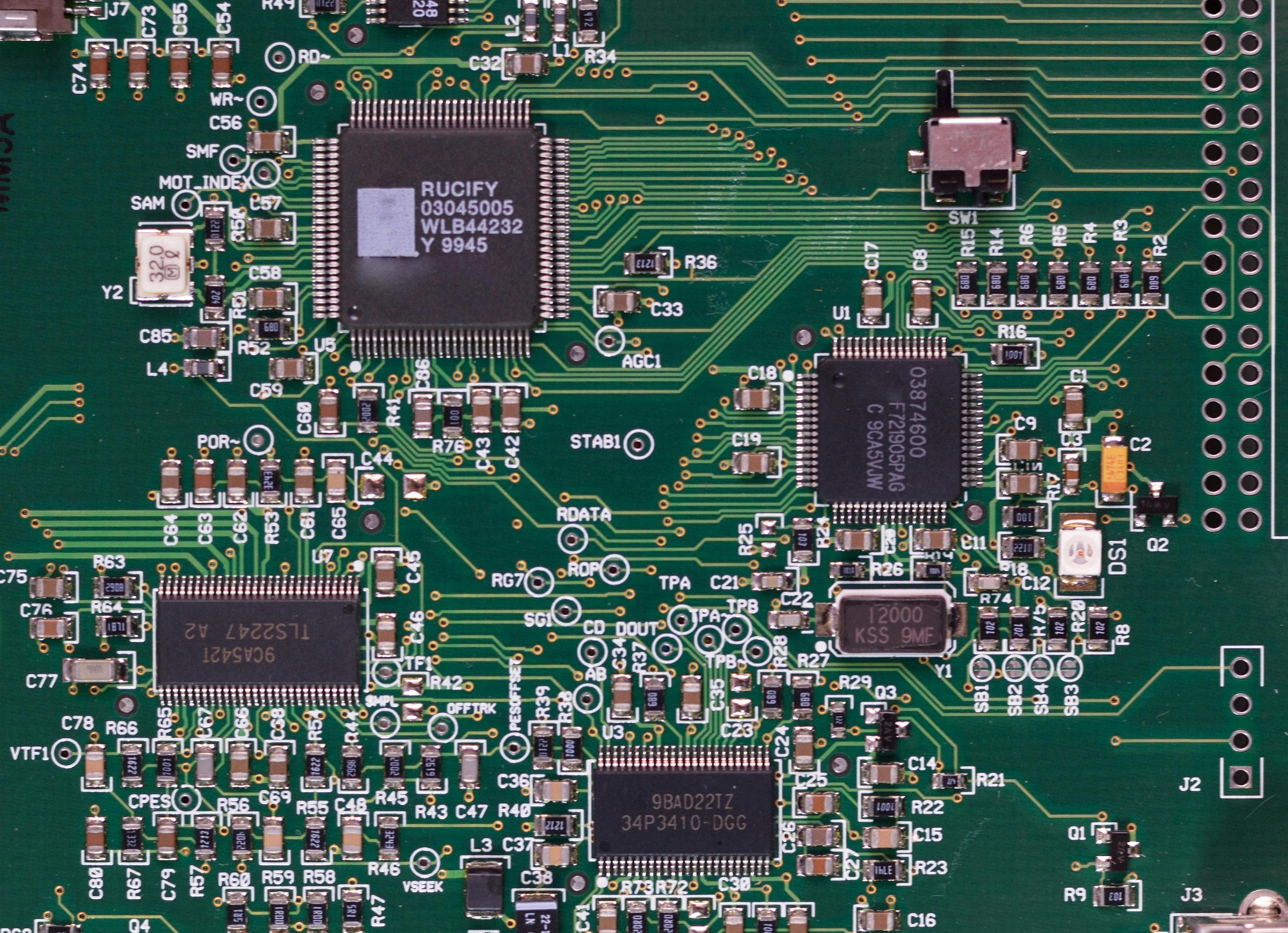
Image Credit: Miguel Á. Padriñán from Pexels


Take the Quiz: What Hobby Should You Try Out?
Find a new hobby to try out!!!
Failing Better (Not Less)
That shift changed everything. I still worked to do experiments properly, but I began to enjoy the process. I stopped erasing my mistakes and started circling them, tracing my work to find where things went wrong.
When a marble rolled off the ramp too soon, I recalculated the angle and used other marbles to reduce possible error. When my pendulum’s period didn’t match the equation, I double-checked my calculations. Eventually, the experiments began to make sense, but not because I stopped failing. I began to understand the confusing equations because I started to use failure as feedback, not proof that I wasn't capable.

Image Credit: Steve Johnson from Pexels
Beyond the Lab
Outside the lab, that lesson followed me. When I messed up during a speech, I broke down my argument the same way I’d rewire a circuit. I found what made me stumble or blank, and how I could strengthen it.
When a group project fell apart, I looked at what went wrong: communication, timing, accountability. I found ways to be a better group member and do my part while keeping others accountable for their parts as well. Physics made me analytical about my mistakes, not afraid of them.
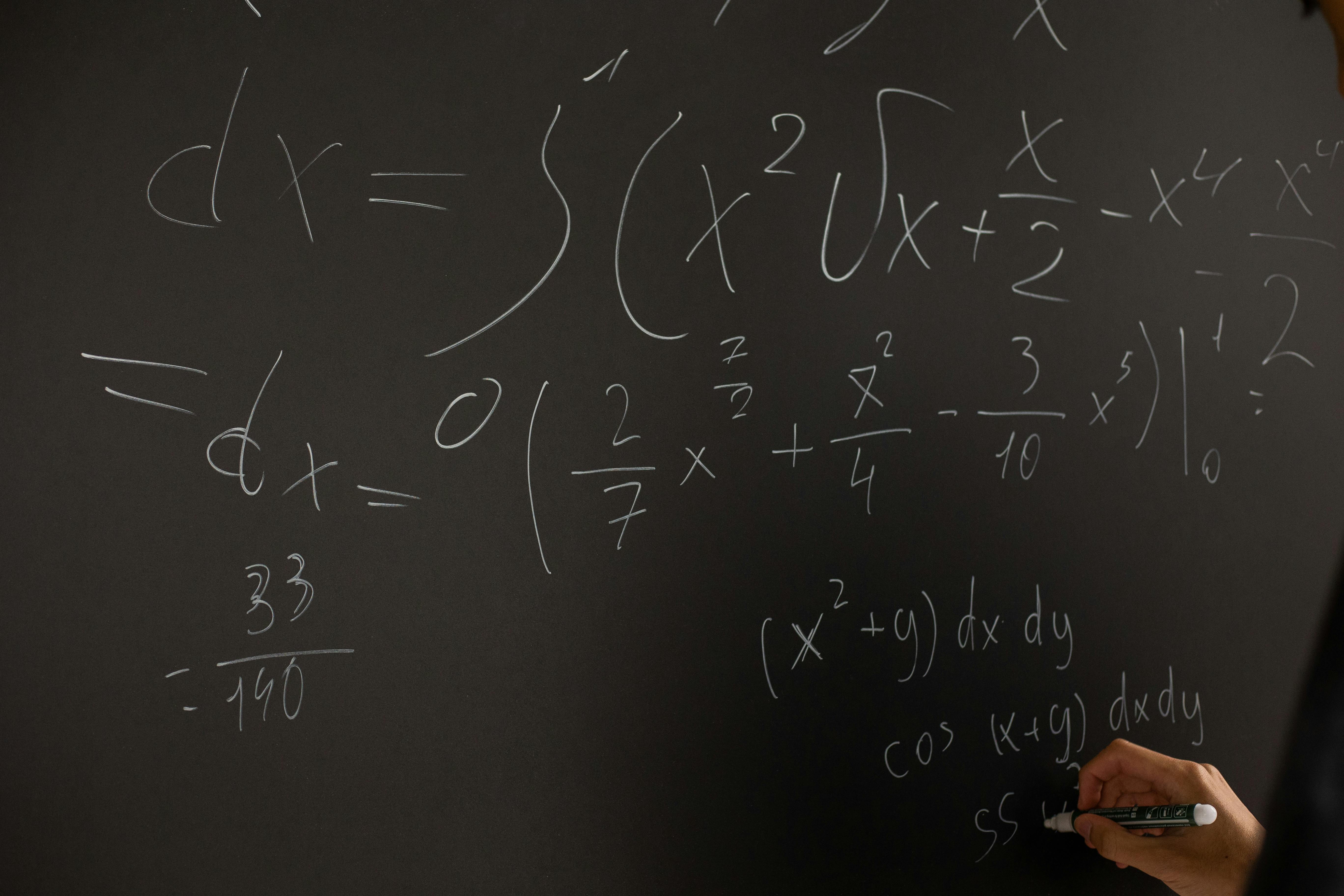
Image Credit: Monstera Production from Pexels
The Real Equation for Growth
I used to think physics was about formulas and precision, and while that holds true to some extent, I learned that it's also really about curiosity and resilience. Every failed attempt in the lab or classroom reflected failures in real life, teaching me that giving up is never the answer. Physics didn’t just teach me about kinetics and circuits; it taught me how to stay in motion when things seem to fall apart.
You should never be afraid of failure. Rather, you should be afraid of the opportunities that might pass you by if you don't try at all.


