





What Is Going on with Maduro/Trump?
In case you weren’t aware, Venezuela has been a focal point of U.S. foreign policy for decades. Under Nicolás Maduro, once a bus driver and an ambitious local politician who rose through the ranks with Hugo Chavez’s support, the country faced economic collapse, hyperinflation, and mass emigration, while aligning with Russia, China, and Iran (traditional anti-Western powers).
Washington imposed sanctions and supported opposition figures, but Maduro has firmly remained in power for 13 years. The U.S. has long accused him of corruption, drug trafficking, and human rights abuses, framing Venezuela as a destabilizing force in the region, and demanded the removal of Maduro, especially during Trump’s first term.
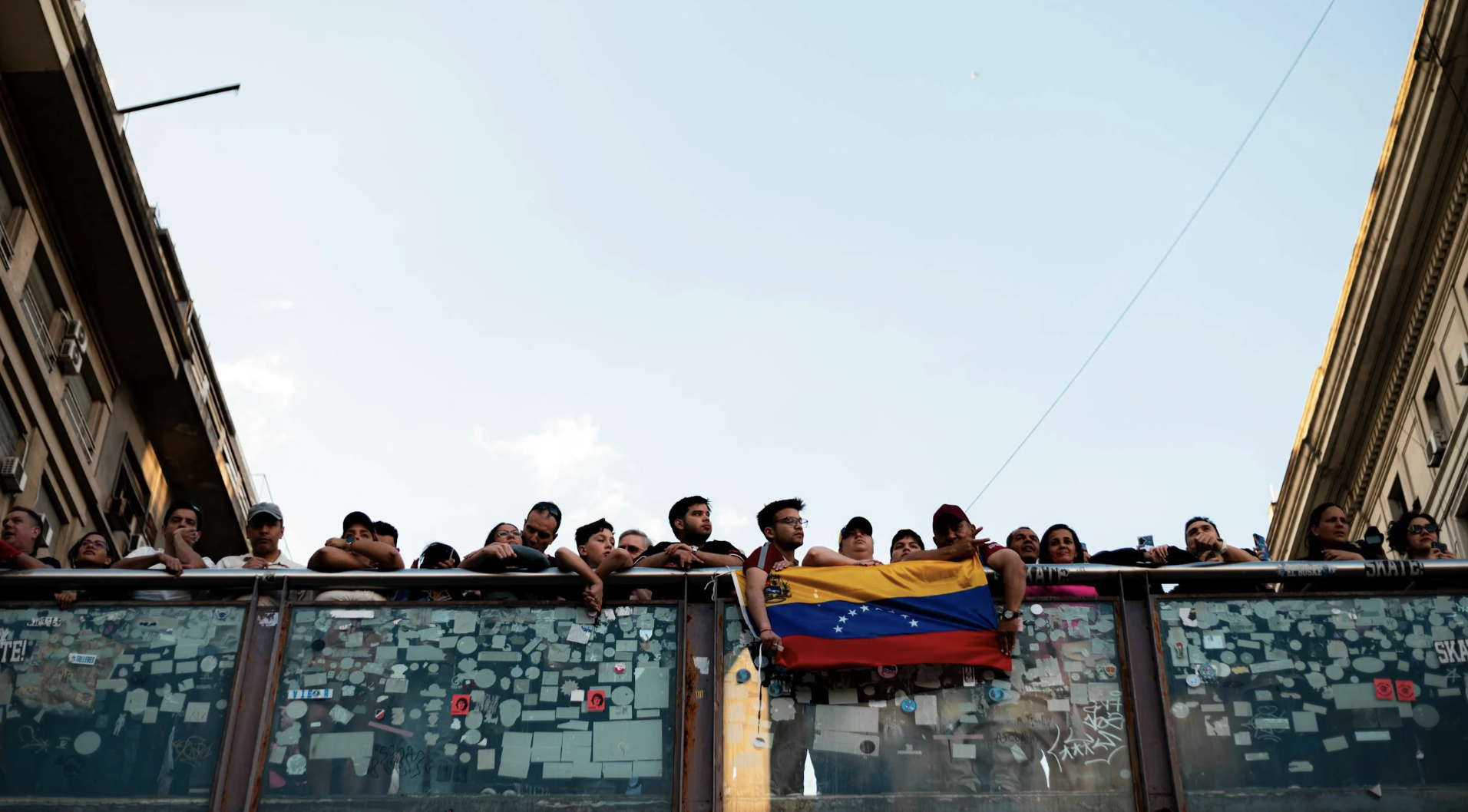
Image Credit: Alex Dos Santos from Pexels
Let us slide into your dms 🥰
Get notified of top trending articles like this one every week! (we won't spam you)Who’s Maduro?
Nicolás Maduro Moros, born on November 23, 1962 in Caracas, is a Venezuelan politician and former union leader who rose from humble beginnings as a bus driver to become the political protégé of Hugo Chávez. Maduro served as Minister of Foreign Affairs (2006–2012) and later as Vice President (2012–2013) before assuming the presidency in April 2013, following Chávez’s death. As leader of the United Socialist Party of Venezuela (PSUV), he maintained a firm grip on power for over a decade, navigating economic collapse (due to oil price slumps), international sanctions, and widespread opposition.
His rule was marked by accusations of corruption, authoritarianism, and human rights abuses, but also by loyalty (and populist leanings resembling) to Chávez’s socialist legacy and alliances with Russia, China, and Iran. In January 2026, Maduro’s presidency ended abruptly when he was captured by U.S. forces and flown to New York to face federal charges.
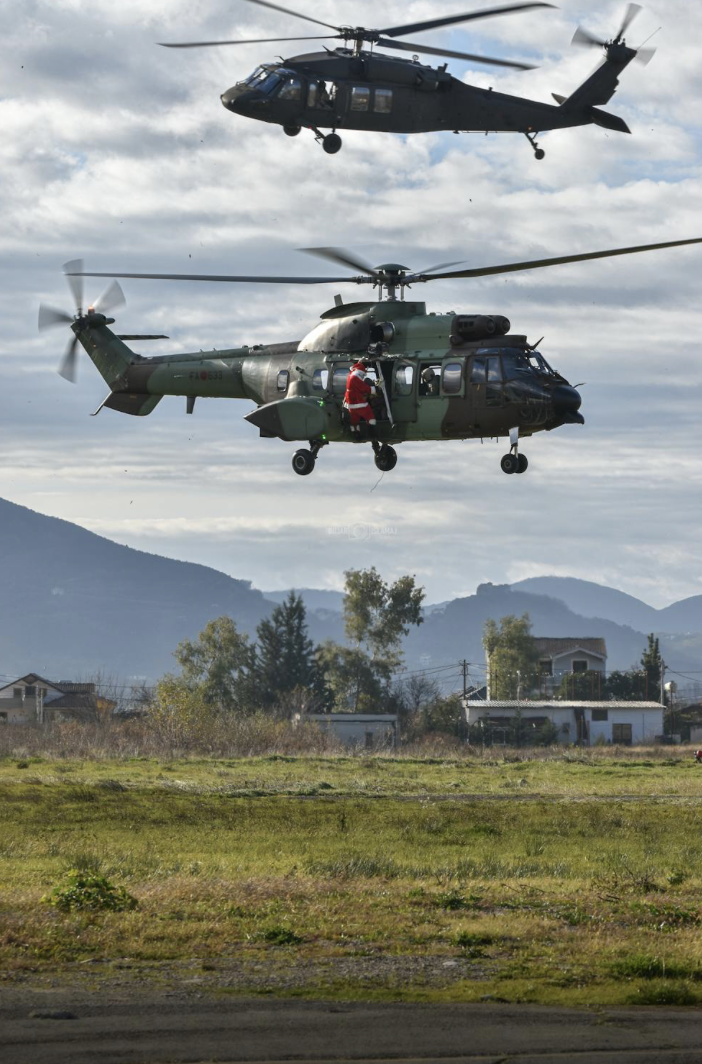
Image Credit: Bujar Islamaj from Pexels
Take the Quiz: What Kind of Political Personality Are You?
Ever wondered what role you’d play in the political world? Take this fun quiz to find out!
The Kidnapping
On January 3, 2026, U.S. forces launched Operation Absolute Resolve, a large‑scale military strike on Caracas. Reports indicate over 150 jets from 20 airbases participated. Maduro and his wife were seized from the presidential palace and flown to New York, where they are now held at the Metropolitan Detention Center, and charged with multiple indictments, such as conspiracy and drug trafficking.
President Trump hailed the mission as “one of the most stunning, effective and powerful displays of American military might”. The U.S. Justice Department charged Maduro with drug and weapons offences, while Secretary of State Marco Rubio emphasized an “oil quarantine” policy to pressure Venezuela.
The operation caused at least 40 deaths, including 32 Cuban nationals, highlighting the international entanglements of Venezuela’s crisis. Caracas declared a national emergency, while protests erupted across the country. Russia and China condemned the move, calling it a violation of sovereignty.
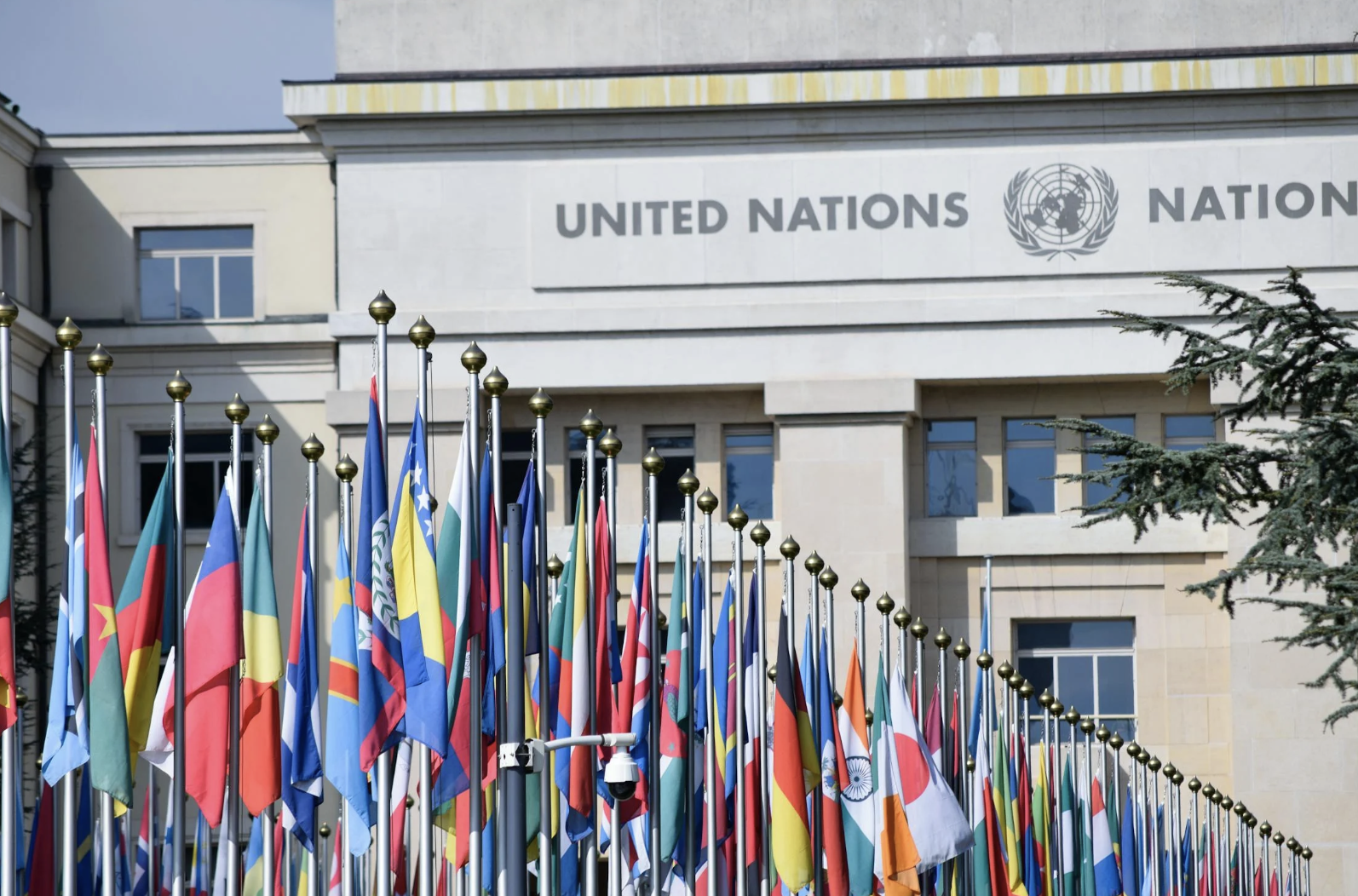
Image Credit: Xabi Oregi from Pexels
A Clear Analysis
Legality: The unilateral capture of a sitting head of state is unprecedented in modern Latin America. It raises serious questions under international law, undermining the U.S. claim to uphold a rules‑based order, a clear talking point Russia’s diplomats used. Critics argue this sets a dangerous precedent for regime change by force, and it is hard to justify US warnings against military intervention for example with China and Taiwan, another potent geopolitical crisis.
International Backlash: Latin America has a long memory of U.S. interventions. Countries like Mexico, Brazil, and Argentina may and have already distanced themselves from Washington to avoid appearing complicit, standing side by side with regional leaders against a perceived threat, represented by the “Donroe Doctrine”. Left‑leaning governments could rally around anti‑imperialist narratives, strengthening blocs like CELAC, and further intensifying anti-American sentiment.
Russia and China are likely to deepen their involvement in Venezuela’s neighbors, portraying the U.S. as an imperialist regime. Moscow could expand military cooperation with Cuba and Nicaragua, while Beijing may increase financial support to Caracas’ remnants, leading to a beginning of a proxy war (not dissimilar to the Cold War’s multiple African conflicts).
It’s the Economy: Venezuela holds the world’s largest proven oil reserves. The capture of Maduro could open the door to renewed exports under U.S. oversight, but political divisions and instability detrimentally affect oil investments in infrastructure. Oil prices may spike in the short term due to uncertainty.
Domestic U.S. Politics: US domestic opposition or support is usually a telling indicator of the government's long-term policy, as the executive historically has not been able to effectively withstand strong outpouring of opposition and protest (as shown from Vietnam War protests). At home, the move polarizes opinion. Supporters of Trump and the MAGA movement hail it as decisive action against authoritarianism, while critics warn of “Panama 1989 déjà vu.” The legality of trying a foreign president in U.S. courts will be fiercely debated amongst critics, supporters and experts, but the majority opinion formed amongst professionals and the media is against this intervention.
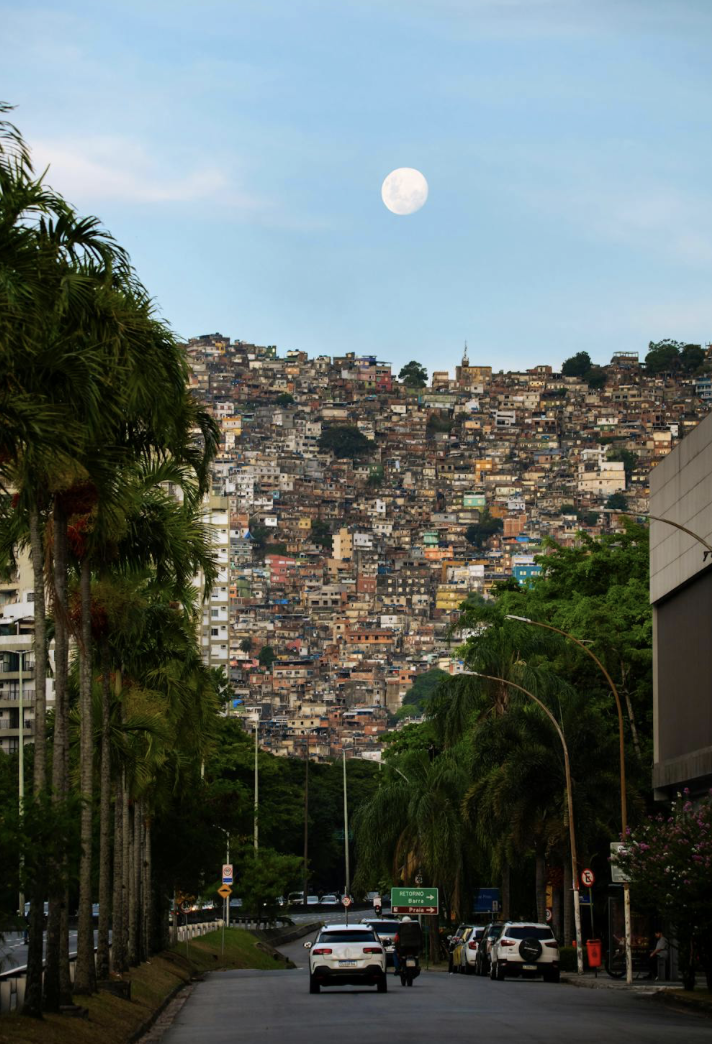
Image Credit: Fernando Silva from Pexels
Conclusion
The capture of Nicolás Maduro is a watershed moment in U.S.–Latin America relations, possibly noted in history as one of the most important components of greater conflicts' geopolitical backdrop. While it removes a long‑standing adversary, the costs in legitimacy, regional trust, and great power rivalry may outweigh immediate gains. For Venezuela’s 31 million citizens, the future remains uncertain, possibly a continuation of the previous regime without Maduro as its head.
Military might can topple leaders, but sustainable legitimacy requires diplomacy and respect for sovereignty.