







Background
While polarizing, U.S. President Trump has persisted in making significant changes both at the national and international levels. His mediation with Israel and Palestine, and Russia and Ukraine, are two such examples.
These concessions, however, were made diplomatically: discussed bilaterally and generally approved by the international sphere. The same cannot be said for Trump’s military assault in Venezuela.
Late at night on Saturday, January 3rd, what Trump called Operation Absolute Resolve began. Although the president claims that Venezuelan authorities were aware of the impending attack, such knowledge did not apparently prove advantageous enough to Venezuela in preventing the U.S. affronts. The city of Caracas suffered multiple airstrikes and—amid the chaos—the former president of Venezuela, Nicolás Maduro, and his wife, Cilia Flores, were taken into custody by U.S. officials.
As of now, Nicolás Maduro and Cilia Flores are being held in U.S. federal custody in New York City and are awaiting further proceedings in the U.S. federal court system. What are the charges against them? The first accusations made by President Trump were of narco-terrorism and drug trafficking. Later, there was also condemnation from the U.S. regarding Venezuela “stealing” oil resources from the United States.
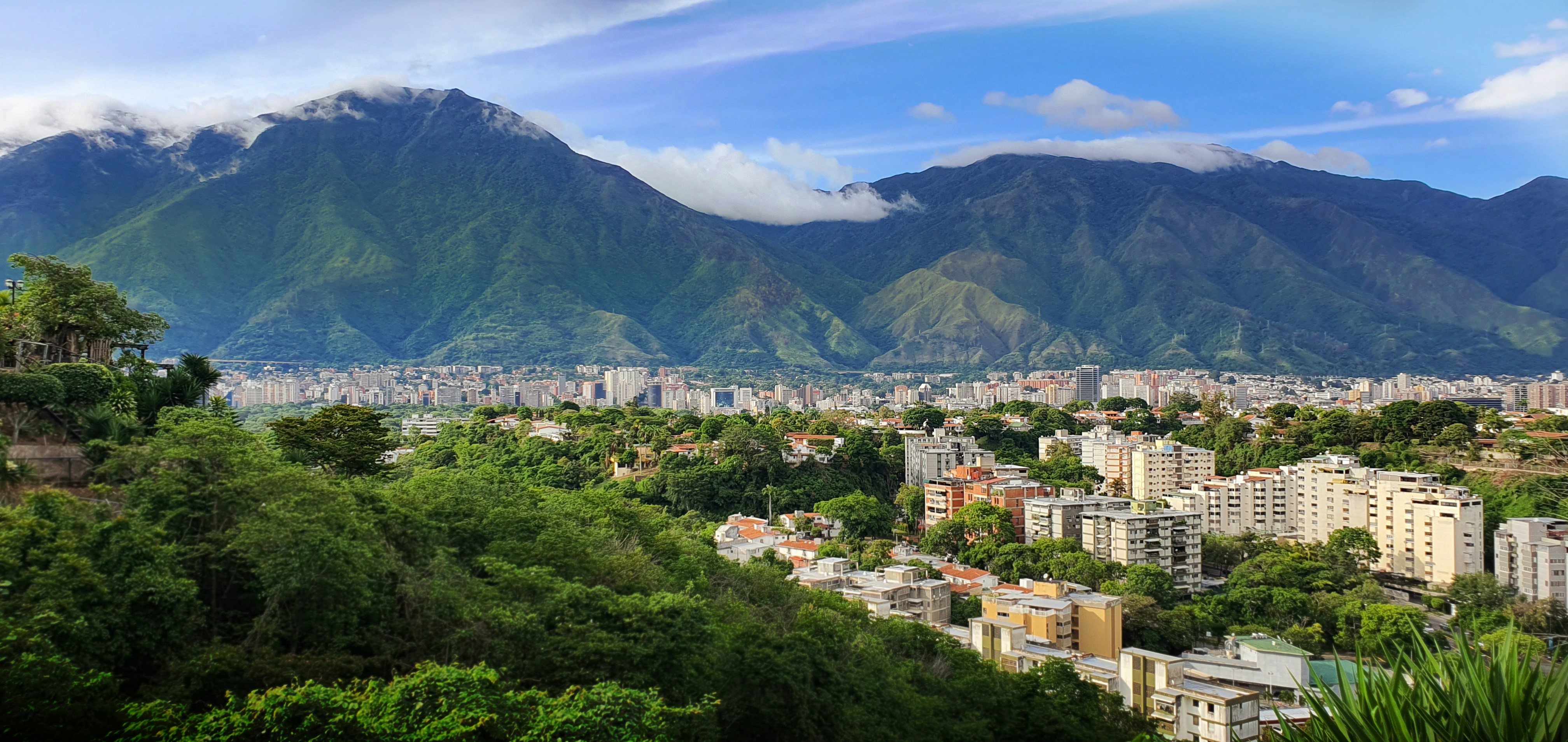
Image Credit: Bona Lee from Unsplash
Let us slide into your dms 🥰
Get notified of top trending articles like this one every week! (we won't spam you)International Condemnation
What has perhaps proved most shocking to the international community is President Trump’s justification of the act, even claiming that “it was carried out under existing indictments against Maduro… so it is within international law.” Most nations and international bodies would strongly disagree.
This consensus was reiterated by the nations of Russia, China, Mexico, and France in the UN General Assembly. In varying degrees of intensity, these nations condemned the U.S. for its blatant violation of international law. The Secretary-General himself was deeply alarmed by the situation in Venezuela and emphasized the importance of full respect for international law, regardless of the member state.
The international law to which these entities are referring is Article 2(4) of the UN Charter, which provides that “all Members shall refrain in their international relations from the threat or use of force against the territorial integrity or political independence of any state.” Moreover, there is the question of diplomatic immunity. While Maduro’s presidency was widely recognized as illegitimate, the International Court of Justice has ruled that foreign criminal jurisdiction and acts of inviolability—such as arrest or detention—are illegal when directed against a sitting head of state. This law exists to safeguard a nation’s government, ensuring, firstly, that no nation provokes another to the brink of war, and secondly, that the sudden removal of a head of state does not dismantle a nation’s government.
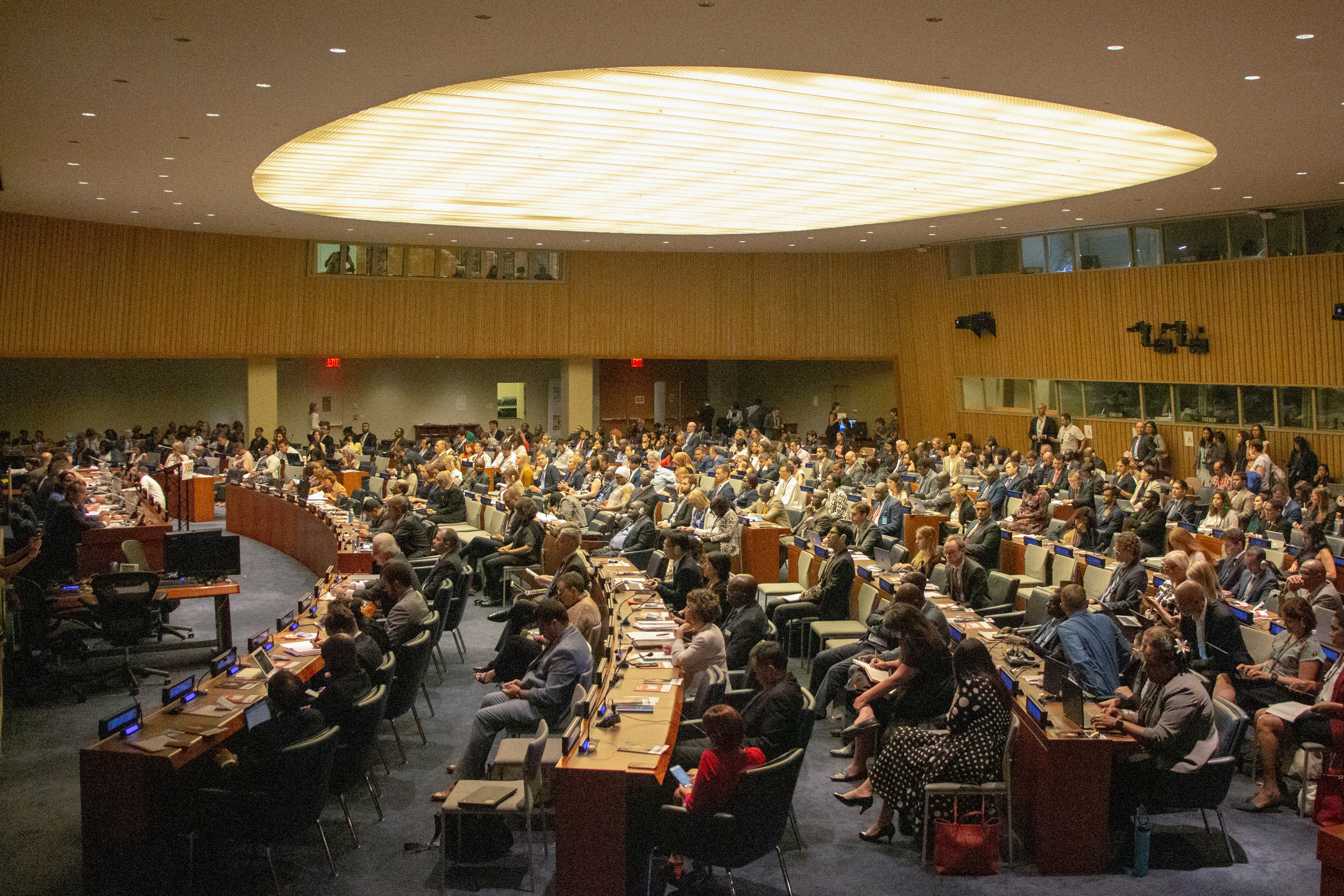
Image Credit: Matthew TenBruggencate from Unsplash
Take the Quiz: What Kind of Political Personality Are You?
Ever wondered what role you’d play in the political world? Take this fun quiz to find out!
US Defense
In his address to the UN, U.S. Ambassador Michael Wlaz cited multiple reasons that the U.S. attack was not only legal, but necessary. He began by referencing the charges the Venezuelan president was facing.
Citing Article 51 of the UN Charter, he reminded member states that if a nation is provoked, “nothing in the present Charter shall impair the inherent right of individual or collective self-defence.” Moreover, he reminded the General Assembly of the UN’s own 2025 World Drug Report, which identified Venezuela as a key drug-trafficking route. This statistic, he argued, proved that the U.S. was acting in the interest of the Venezuelan people. He concluded by emphasizing the humanitarian nature of the intervention, claiming it would resolve Venezuela’s economic concerns, governmental corruption, and misuse of resources.
Conclusion
Undoubtedly, this invasion sets a new precedent in international policy. Critics argue that this attack signifies the resurgence of the Monroe Doctrine—a political strategy that rejects European intervention in the Western Hemisphere while emphasizing American dominance—which Trump has explicitly “reclaimed.” Others concede that, although unorthodox, Trump’s invasion has catalyzed much-needed social reform in Venezuela.
The true question is: did the ends justify the means?
If Trump’s intentions are as they should be, the nation of Venezuela could prosper—but at what cost? If international law is violated without consequences for the United States, then who is to stop China or Russia from doing the same? International law, specifically the United Nations, was established for one resonant reason: to resolve problems peacefully. If violence and aggression become the norm, then who knows what kind of dystopian society the world may face in twenty years?
