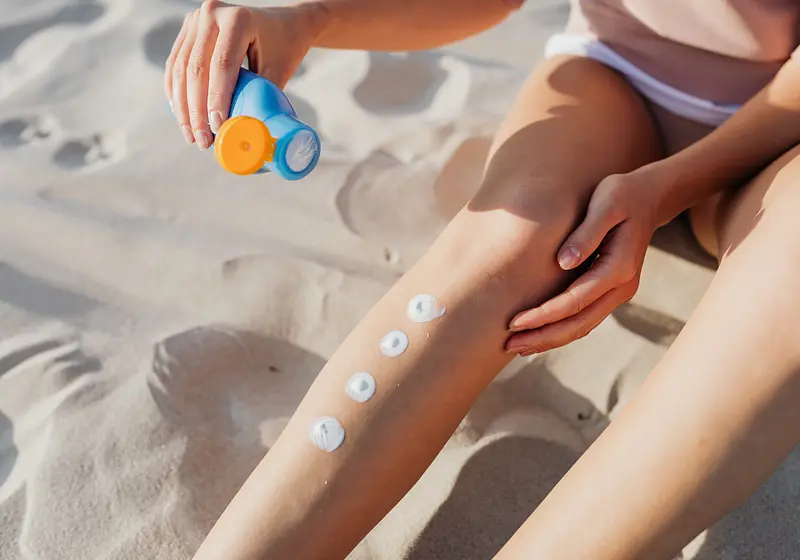






Summer often means long days at the beach and the hope of getting tan, sun-kissed skin. However, it's important to understand the risks that come with sun exposure. Ultraviolet (UV) rays can cause lasting damage to your skin.
Over time, this damage increases the risk of premature aging and even skin cancer. If you take the right precautions, you can still enjoy the sunshine without worrying about risks. Here are some practical and validated tips and facts to help you tan more safely in the summer months.
Let us slide into your dms 🥰
Get notified of top trending articles like this one every week! (we won't spam you)Every Tan is a Sign of Damage
Tanning might make you feel prettier, but in reality, it's your skin’s defense mechanism. When UV rays hit the skin, your body produces more melanin, the pigment that darkens skin tone, to protect against DNA damage. That darker color is evidence of harm. According to the Skin Cancer Foundation, there is no such thing as a safe tan.


Take the Quiz: Where should you go during Summer break?
Discover your perfect summer escape—whether it’s sun-soaked beaches, vibrant cities, or hidden nature retreats waiting just for you.
Use Sunscreen the Right Way
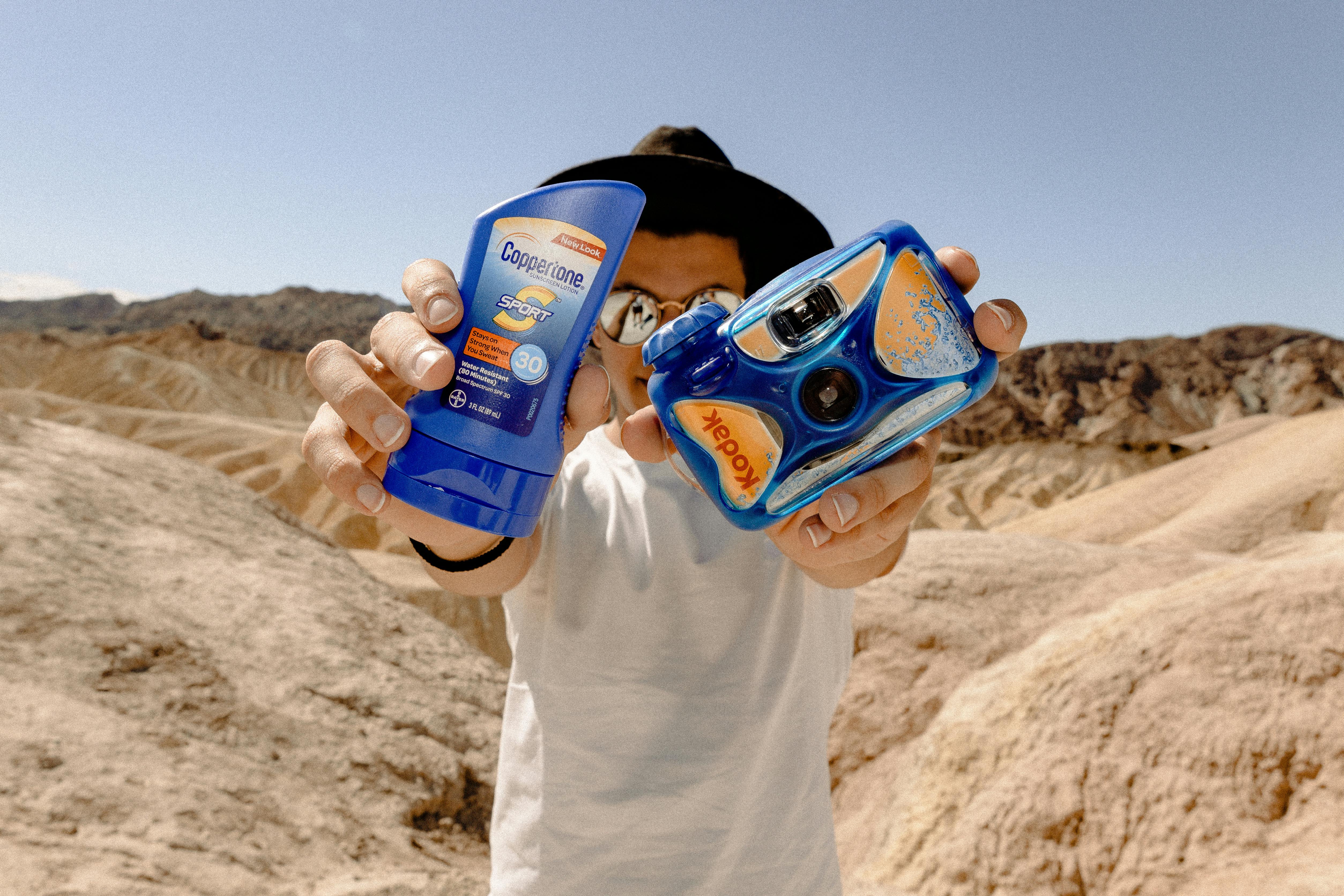
Photo from Wendy Wei on Pexels, https://www.pexels.com/photo/man-holding-blue-kodak-camera-and-sunscreen-2994102/
The single most important tool for protecting your skin is sunscreen. Choose one that is broad-spectrum (shields against both UVA and UVB rays). Dermatologists recommend at least SPF 30, which blocks around 97 percent of UVB radiation. SPF 50 only increases protection slightly, although the extra coverage can make a difference for those with fairer skin. (American Medical Association).
Apply sunscreen 15 to 30 minutes before going outside. Use about one ounce to cover your entire body. Pay attention to areas people often miss, such as the tops of the ears, the back of the neck, and the feet.
Reapply at least every two hours and more often if you are swimming, sweating, or toweling off (GQ). Even “water-resistant” sunscreens lose effectiveness over time.
Choose the Right Time of Day

Photo from Cats Coming on Pexels, https://www.pexels.com/photo/wall-clock-at-5-50-707582/
The sun is not equally strong all day. UV rays peak between 10 a.m. and 4 p.m. This is when your chances of burning are the highest. If you want to spend time in the sun, aim for early morning or late afternoon when rays are less intense (Cancer Treatment Centers of America).
A simple way to judge UV strength is by looking at your shadow. If your shadow is shorter than you are, the sun is directly overhead and the risk of burning is high. Use this time to take a break indoors or in the shade.
Dress for Protection

Photo from Rich Ortiz on Pexels, https://www.pexels.com/photo/portrait-of-a-woman-wearing-a-hat-5661644/
Clothing is another powerful tool against UV exposure. Fabrics with tight weaves or special ultraviolet protection factor (UPF) ratings provide extra safety. For example, a UPF 50 shirt blocks about 98 percent of UV rays (Weill Cornell Dermatology). Light and breathable fabrics keep you cool while still protecting your skin.
A wide-brimmed hat can shield your face, ears, and scalp. Sunglasses that block 100 percent of UVA and UVB rays protect both your eyes and the skin around them. These simple choices can prevent burns in sensitive areas that sunscreen sometimes misses.
Never Use Tanning Beds

Photo from John Tekeridis on Pexels, https://www.pexels.com/photo/woman-in-a-bikini-holding-a-towel-14256893/
Some people believe tanning indoors is safer, which is a dangerous myth. Tanning beds deliver concentrated doses of UVA radiation that go deeper into the skin than regular tanning and increase one's aging. Research shows that using tanning beds before the age of 35 increases melanoma risk by 75 percent (Skin Cancer Foundation). No tan is worth that risk.
Self-tanning lotions and sprays are a much safer alternative. They use an ingredient called DHA to temporarily darken the outer layer of your skin without changing your DNA.
Limit Your Time in the Sun

Photo from Yan Krukau on Pexels, https://www.pexels.com/photo/a-woman-using-a-laptop-on-the-sun-lounge-4458323/
Despite the fact that you may be wearing SPF 70, limit how long you spend under direct rays. Aim for no more than 20 minutes of exposure at a time, especially at the beginning of summer when your skin is less conditioned (Skin Center of South Miami). Rotate your body to avoid burning one side.
Then step into the shade or cover up and give your skin time to recover. Tanning slowly and gradually is better than spending hours baking at once.
Avoid the idea of a “base tan.” While some people believe it offers protection, a tan provides the equivalent of only SPF 3, which is not enough to prevent burning (Real Simple).
Hydrate and Care for Your Skin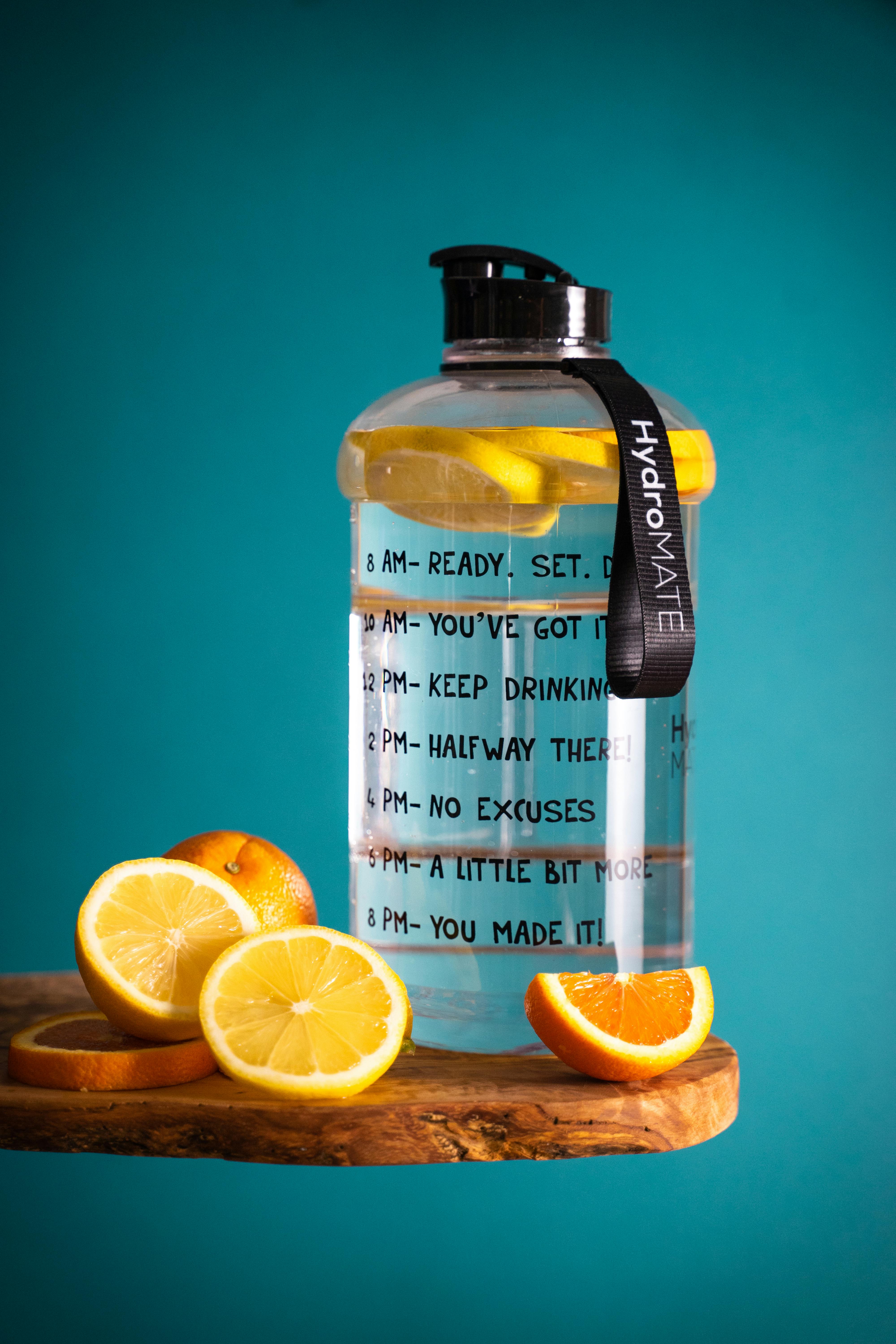
Photo from Alex Azabache on Pexels, https://www.pexels.com/photo/slice-lemon-beside-glass-pitcher-on-wooden-table-3766180/
The summer sun can dry out your skin, and dehydration heightens the risk of heat exhaustion. Drink plenty of water throughout the day, and eat water-rich foods like watermelon or cucumbers to help maintain hydration (Peach Dermatology).
After being outdoors, apply a moisturizer to restore your skin barrier. Products with aloe vera or hyaluronic acid can soothe irritation and keep your skin soft. Moisturizing after sun exposure also helps maintain any tan you develop, reducing peeling.
Try Safer Alternatives for Glow
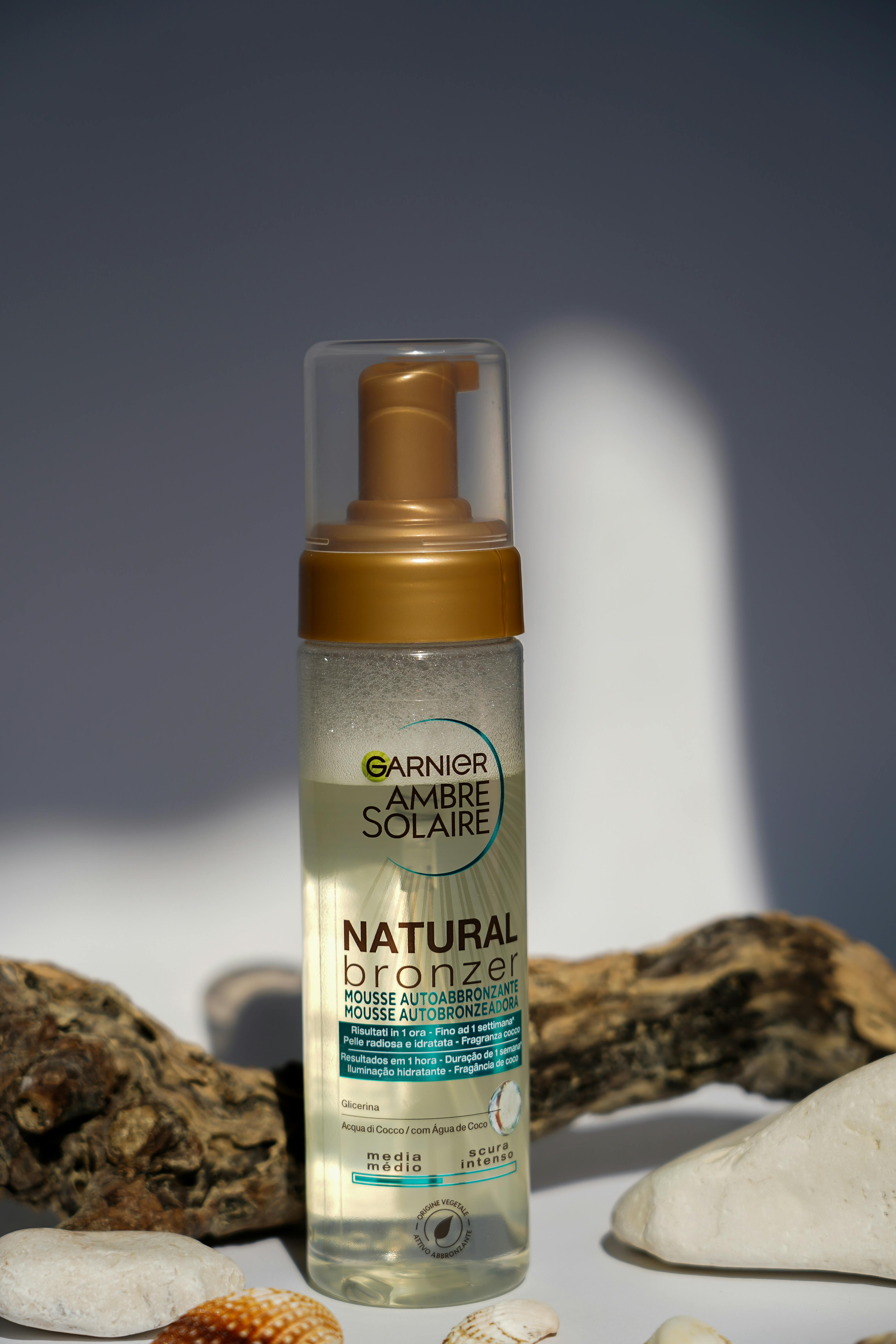
Photo from Madalina Enache on Pexels, https://www.pexels.com/photo/a-bottle-of-natural-hair-care-product-on-a-white-background-27357176/
If your goal is bronzed skin, sunless tanners are worth considering. Modern self-tanning lotions, sprays, and mousses have improved greatly and can provide a natural look without UV damage (Byrdie). The color usually develops within a few hours and lasts several days. Be sure to exfoliate before application to avoid streaks, and wash your hands afterward to prevent staining.
Monitor Your Skin’s Health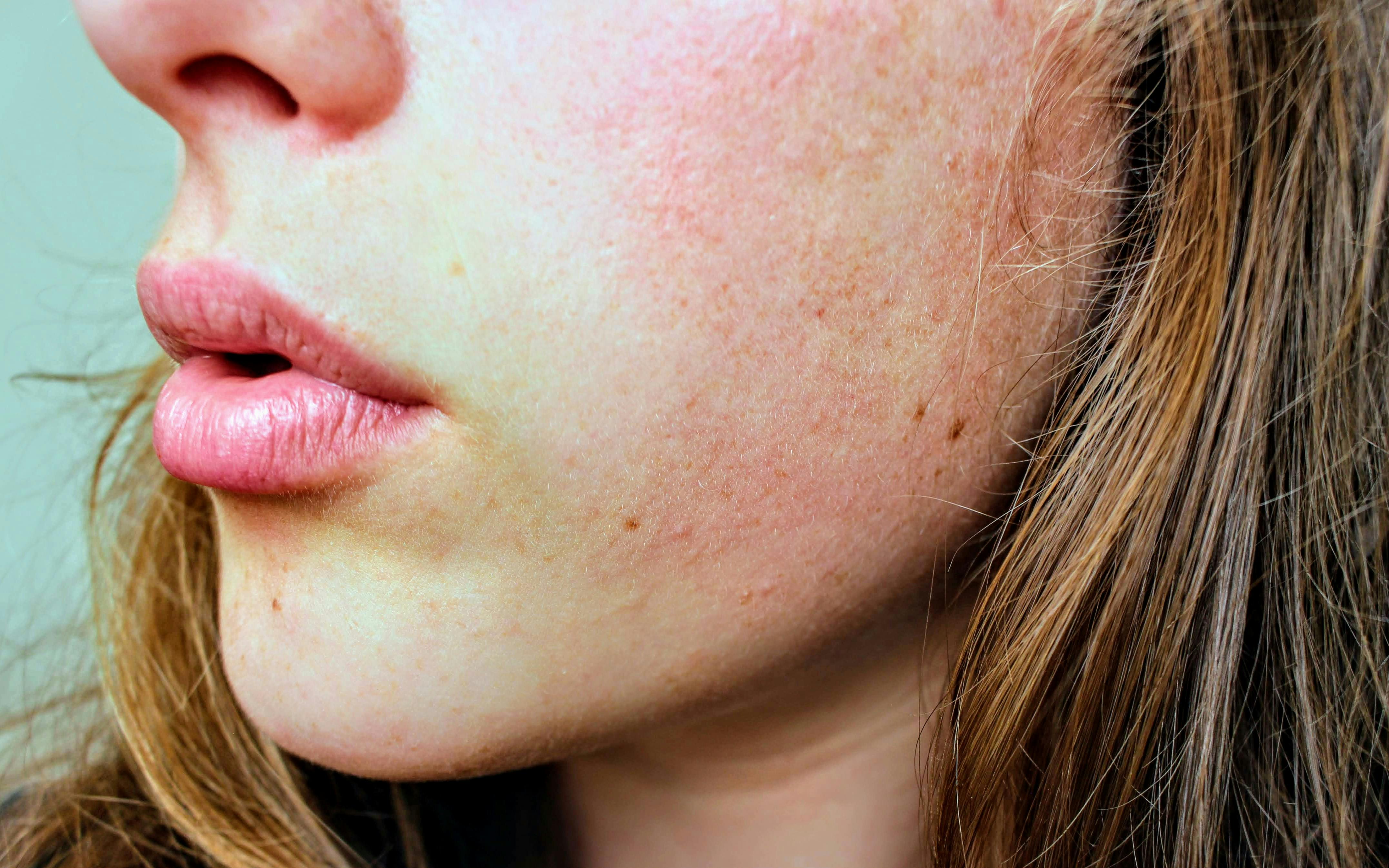
Photo from Jenna Hamra on Pexels, https://www.pexels.com/photo/close-view-of-womans-face-1138531/
No matter how many precautions you take, it's necessary to watch your skin closely. Perform a monthly self-exam, looking for new moles or changes in existing ones. Warning signs include asymmetry, uneven borders, multiple colors, large diameter, or any mole that changes quickly.
The Cancer Treatment Centers of America recommends seeing a dermatologist annually for a professional skin check. Detecting skin cancer early makes it far easier to treat.
Final Thoughts
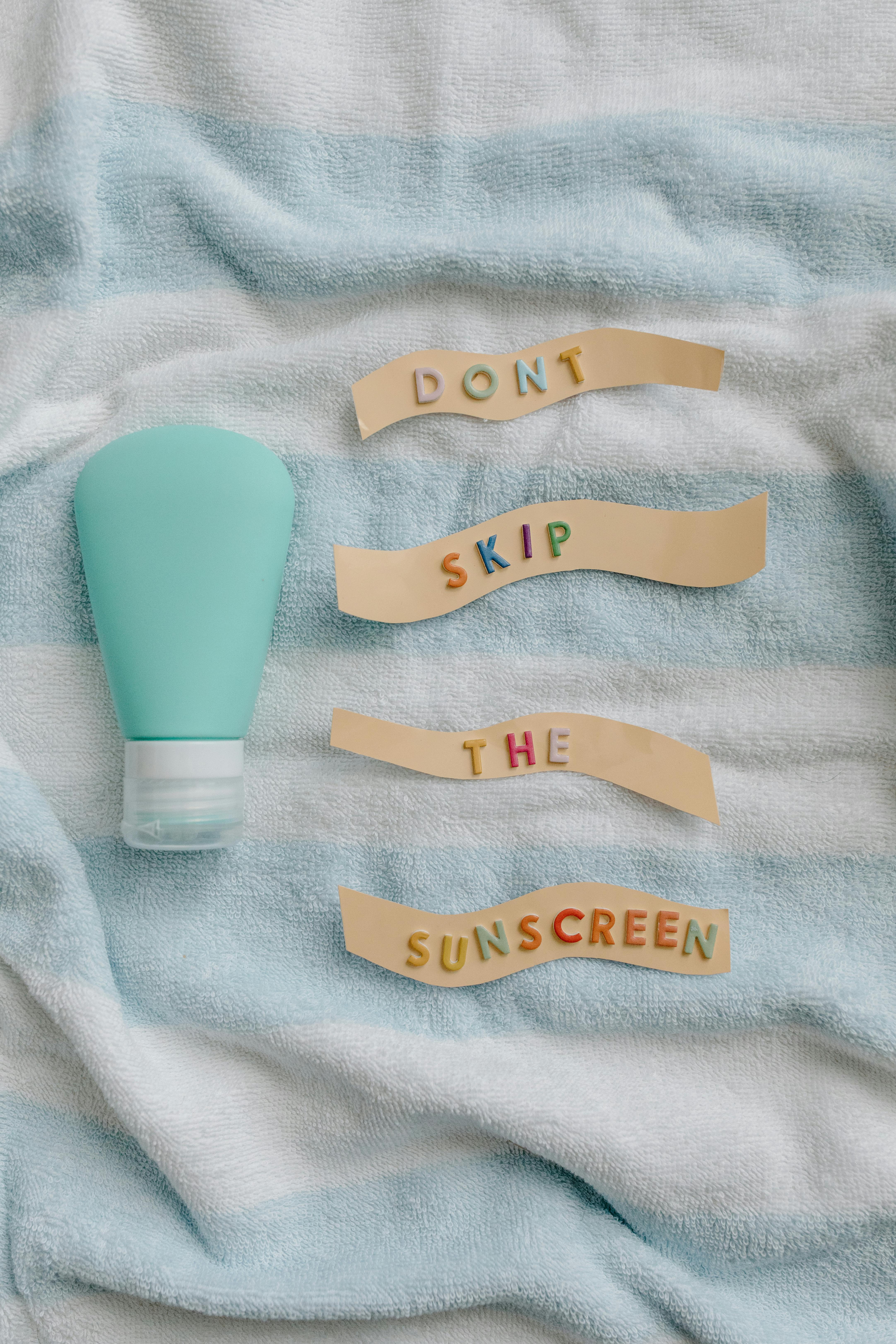
Photo from Tara Winstead on Pexels, https://www.pexels.com/photo/skin-cancer-awareness-8384644/
Sunlight can be an uplifting and relaxing time, if we remember that tanning is not harmless. A bronze glow may last only a few weeks, while sun damage accumulates over a lifetime. By applying sunscreen correctly, choosing the right times to be outdoors, wearing protective clothing, staying hydrated, and considering safer alternatives, you can enjoy a summer of healthy skin.
Tanning safely is about balance. You do not need to avoid the sun completely. Small choices, like reapplying sunscreen or putting on a hat, make a big difference over the years. Protecting your skin today helps ensure it stays healthy for the rest of your life.