



In a world overcome by fast fashion, the environmental impact of consumerism has become increasingly more evident. As individuals become more aware of the environmental impact of consumerism, more people are turning to thrifting as an eco-friendly alternative to traditional shopping. However, thrifting can be overwhelming. So, how do you thrift the perfect fit?
Let us slide into your dms 🥰
Get notified of top trending articles like this one every week! (we won't spam you)The History of Thrift Stores
The origins of thrift stores can be traced back to Japan in the 1940s. After the Second World War, large quantities of clothing and miscellaneous goods were left behind by the American army in Japan, leading to the emergence of second-hand shops that sold these leftover items.This marked the early formation of thrift stores that provided locals with affordable clothing during a time of sparcity.
Although there were already vintage clothing shops and second-hand luxury consignment stores in Europe and North America the concept of "thrifting" more prominently emerged from Japan. These early thrift stores offered an affordable alternative for shopping and also paved the way for a shift toward sustainable consumption.
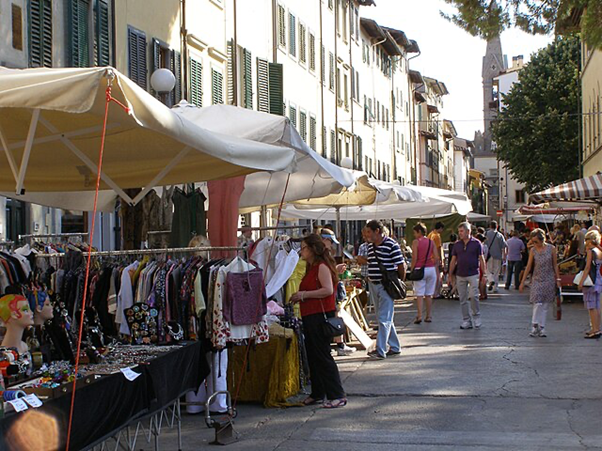
Image Credit: Andrzej Otrębski from Wikimedia Commons

Take the Quiz: Which Fall Activity Should You Try Next?
Fall is full of exciting activities to match your vibe! This quiz will help you discover the perfect way to enjoy the season.
How to choose clothes you like in thrift stores?
Before visiting a thrift store, you should have a rough idea of what you're looking for. It helps to have an idea of what you want. Whether it's a specific piece of clothing or brand you're passionate about, having a rough idea helps narrow down your search and prevent being overwhelmed when faced by a multitude of options.
When you enter a thrift store, don't just stick to one rack. Thrift shops can be organised in unexpected ways. Try to explore ALL sections, you might find hidden gems in the areas you won't normally explore.
Don't be afraid to try on clothes you might not normally wear; some of my all time favourite button downs and jeans were found hanging in the men's section. Get creative and don’t be afraid to dig around a little; you'll never know what you'll find after all, some of the best finds hide in unexpected places!
How to find the perfect thrift store
Although your local Goodwill and Salvation Army might be popular, consider smaller stores. Charity shops, flea markets and vintage stores are all great alternate options. Thrift stores are generally classified into three types, primarily including charity shops, consignment stores and resale stores.
Looking past the mainstream stores and visiting these smaller stores are where you're much more likely to strike a deal. Before visiting, try researching when the thrift stores restock. Dropping by right after they restock will greatly increase your chances of scoring a find. Additionally, don't hesitate to ask the staff about upcoming drops or sales, they often have insider knowldge that can lead to better deals.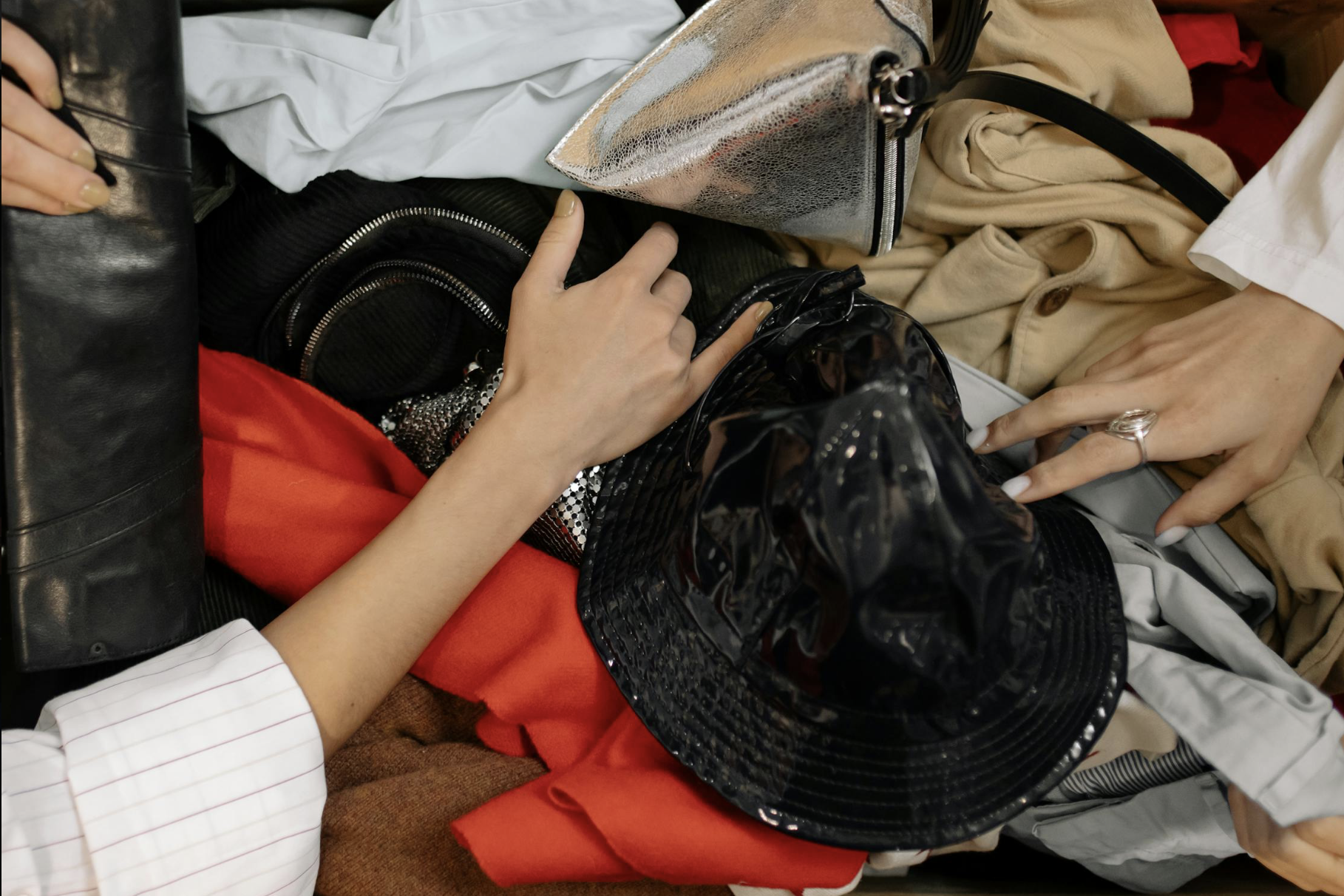
Image Credit: cottonbro studio from Pexels
Pay attention to the Material and Inspect items carefully
Materials like cotton, linen and wool are typically more durable. Labels such as "100% wool" or "100%" cotton will hold up much better in the long run. While synthetic blends can also work well, try to avoid a high percentage of synthetic fibres.
High percentages of synthetic materials can lead to issues like pilling and faster wear reducing the overall lifespan of the item. When thrifting, it's essential to inspect items closely before purchasing.
Take your time to examine the fabrics for any signs of damage. These could include fraying, stains or even strange smells which could indicate damage. Check for stiff zippers, missing buttons and ensure everything is in one piece.
A top tip I've picked up is checking the seams for any signs of poor or loose stitching. By paying close attention, you can confidently make informed choices and add quality finds to your wardrobe that can save you money and disappointment in the long run.
Know you might leave empty handed
Some days, you may leave the thrift store with a bag full of finds while other times you might walk out empty handed. Not every trip will result in a successful trip but that's okay! It is natural to leave without finding a specific piece you were looking for or with nothing at all; remember, thrifting is about embracing mindful consumption.
Keep in mind that thrifting is about rejecting overconsumption and investing in unique, quality pieces that you genuinely love. Embracing the uncertainty is part of thrifting and makes the successful find much more rewarding.
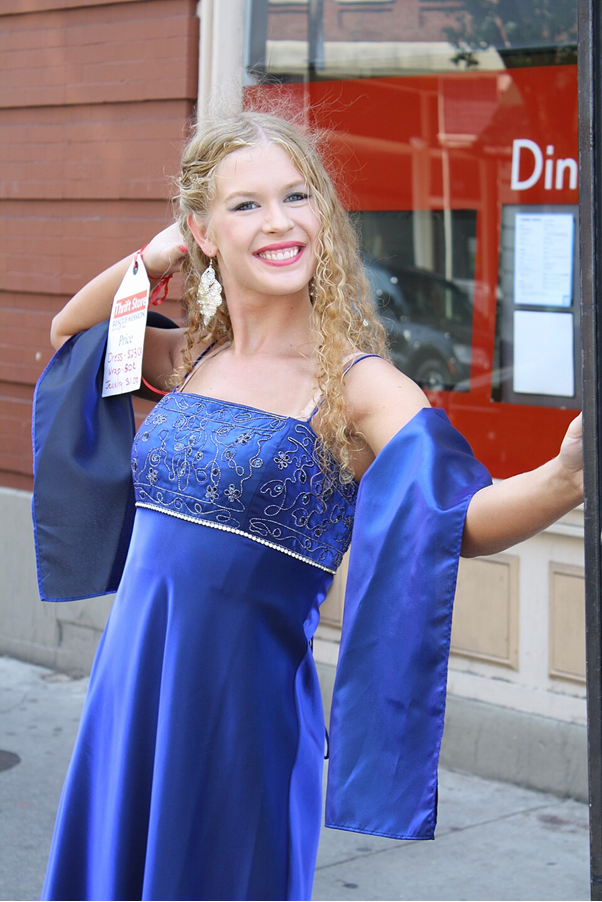
Image Credit: roanokecollege from Wikimedia Commons
Upcycling & DIY Projects
One of the most exciting aspects of thrifting is the potential for upcycling and DIY projects. Thrift stores are a must visit for individuals who enjoy giving old items a new life. The things you can make are endless!
Some recent examples of this I've seen are DIY projects transforming worn into maxi skirts or turning old jeans into stylish demin bags. Even if you've never attempted any DIY projects before, upcycling thrifted pieces can blossom into a fulfilling and enjoyable hobby!
My experience purchasing products from thrift shops
During the summer holiday, I visited a flea market in Florence. After hours of digging through bins and sifting through racks, I had found some spectacular pieces. I bought a vintage-style leather jacket, made of cowhide bearing its own unique scratches from its previous life. Not only was it affordable and stylish, it cost 50 euros, which is far less than a new leather jacket.
My favourite piece I thrifted was a pair of work-style wide-leg denim pants I purchased in a vintage store in Japan. Made from carefully selected American Pima cotton, it perfectly embodied the essence of Japanese craftsmanship. The fabric was soft yet sturdy, maintaining its baggy, workwear sillouette and structure even after years of wear.
The unique dye gives it a warm, deep colour, and the natural fading from long-term wear made the piece a unique mark of time. This second-hand gem, in a relatively new condition, costs only half the price of a brand new one, yet held higher quality and aesthetic.


.jpg)