

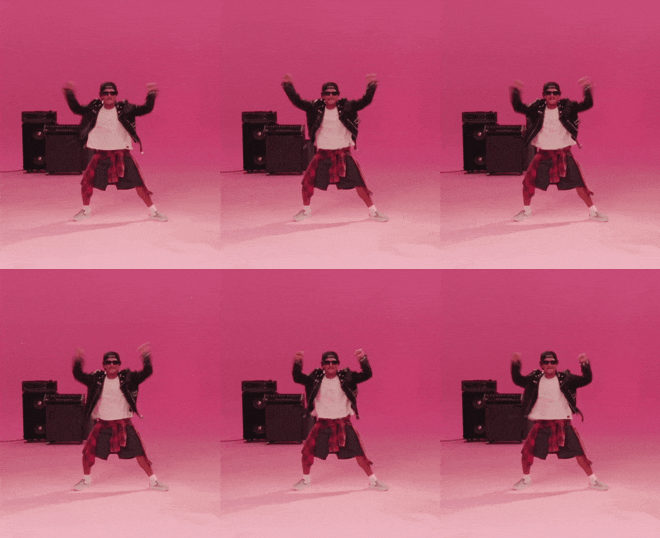



People often think of the making of history as something explosive: a wave of high-technology that replaces human brains, a gunshot signalling the start of a war, or a single electrifying speech that seems to change the course of society overnight. However, history is usually made in unexpected, joyous moments such as this one, which marked the first time a solo Spanish-speaking artist headlined the Super Bowl halftime show.
At 8:00 PM on February 8th, 2026, there are two types of people who turn on the TV: football fans eager to see the Seattle Seahawks go against the New England Patriots, and those who are completely oblivious of the former option. What? Why are people playing football at Bad Bunny's concert?
Indeed, at Levi's Stadium in Santa Clara, California, the cultural tides are unmistakably shifting. As Bad Bunny took the stage for the Super Bowl Halftime show, Spanish poured through one of the most tightly guarded bastions of American popular culture. Throughout the entirety of the performance, there were no English subtitles and translations. Spanish --with its impenetrable, steadfast cultural pride --- dominated the show and the 128.2 million viewers who tuned in to NBC.
Image Credits: Pixabay from Pexels
Let us slide into your dms 🥰
Get notified of top trending articles like this one every week! (we won't spam you)The Performance: Details and Significance
The show itself encapsulated many unique details that paid tribute to Puerto Rican culture, as well as representing the greater Latino community.
One important element is sugar cane. Unlike a lot of previous half-time shows, this performance wasn't done on a traditional stage, but instead, like many have noticed, in a field of grass. The opening scene began with a wide shot of farmers toiling in a sugar cane field.
Bad Bunny traversed through the field with people cutting cane with machetes on both sides. This element might be heavier than one would think. Sugar cane was the primary economic engine for Caribbean countries in the 19th and 20th centuries. This agricultural product has symbolized colonialism and slavery in the regions. The workers in the sugar cane field also wore white clothes and straw “pava” hats, paying tribute to the image of a Puerto Rican countryman, also known as a jíbaro.
Another element was El Morro. There was a particular section in the performance that might have seemed a little disconnected. It was the portion where a wedding was featured, alongside Lady Gaga and Bad Bunny singing “Baile Inolvidable”.
This is a partial replica of Castillo San Felipe del Morro, more commonly known as El Morro. El Morro is a 500-year-old fortification located on old San Juan, built by Spanish colonizers to defend the island from sea attacks. It is now a UNESCO World Heritage Site.
One thing I found particularly interesting about the performance was its narrative structure. That is, the camera, rather than focusing on Bad Bunny and his performance alone, also focused on a lot of other characters, showing the diverse narratives of many other stories and plots.
He passed various scenes: friends at a coco frío stand, a group of older men playing dominoes, young women getting their nails done, a piragua (Puerto Rican shaved ice) stand where Benito is served the treat before he keeps walking, and then he also hands a couple a ring before a proposal. Together, these little scenes construct a story, or the daily life of Puerto Rico.
A major element widely noticed is the flags of America. Towards the end of the performance, hordes of people surround Bad Bunny, carrying the flags of all countries and territories in America. Typically, in an event like this, North America, or the United States, would be the primary focus of the stage.
However, in Bad Bunny’s performance, he redefines what it is to be American. After listing all the countries, he held out a football he carried all throughout his performance and showed it to the camera. On it, write the words:
“Together we are America.”
He also ends with the line “Seguimos aquí”, meaning “We are still here”.
Image Credits: Los Muertos Crew from Pexels

Take the Quiz: What’s Your Secret Superpower? This Quiz Will Reveal Which Singer Icon You Resemble
This fun quiz will unveil your unique qualities and reveal which music icon you resemble the most.
The Importance of Representation and the Message of Unity
The United States is home to over 60 million Spanish speakers, making it the second-largest Spanish-speaking country in the world. Yet mainstream cultural stages have often treated Spanish-language music as niche or peripheral. By centering an entirely Spanish performance at the nation’s most-watched annual event, the halftime show redefined who is considered central to the American narrative.
For decades, Latinx artists have collaborated with English-speaking performers at the Super Bowl stage. However, this moment marked a shift from the Latino community’s status from a guest to a headliner.
The message sent was very clear: America is not a monolingual nation. It is multilingual and multicultural, something constantly evolving. To insist otherwise is to deny demographic reality.
Exclusionary arguments, mainly coming from conservatives, believe that Bad Bunny is “not American” enough to stand on the stage of the halftime show. In fact, so many were against it to the point that Turning Point USA’s “All-American Half-Time Show” was streamed as an alternative to the Super Bowl event, headlining the artist Kid Rock and paying homage to political figure Charlie Kirk.
But more than a proof of belonging is a long-awaited chance of representation. At the highest ceremonial stages of national culture, Latino representation has often arrived filtered or softened. To many Latino Americans watching the show, it is a message of: you matter, we matter.
Teresa Puente, for instance, a writer at The Fulcrum, expresses her gratitude for the representation:
I’m not Puerto Rican. I'm a fourth-generation Mexican American, but I felt represented in this halftime show. I watched it with my 88-year-old Mexican American mother, and a few friends, including a Peruvian American and a European American.
We dined on my mother’s Mexican chicken and rice, but we also made Puerto Rican “tostones” (fried plantains) and also drank “coquito,” a Puerto Rican coconut nog. We didn’t watch the game at all, except to check how many minutes until halftime. We spent the first half of the game eating and dancing to Bad Bunny songs.
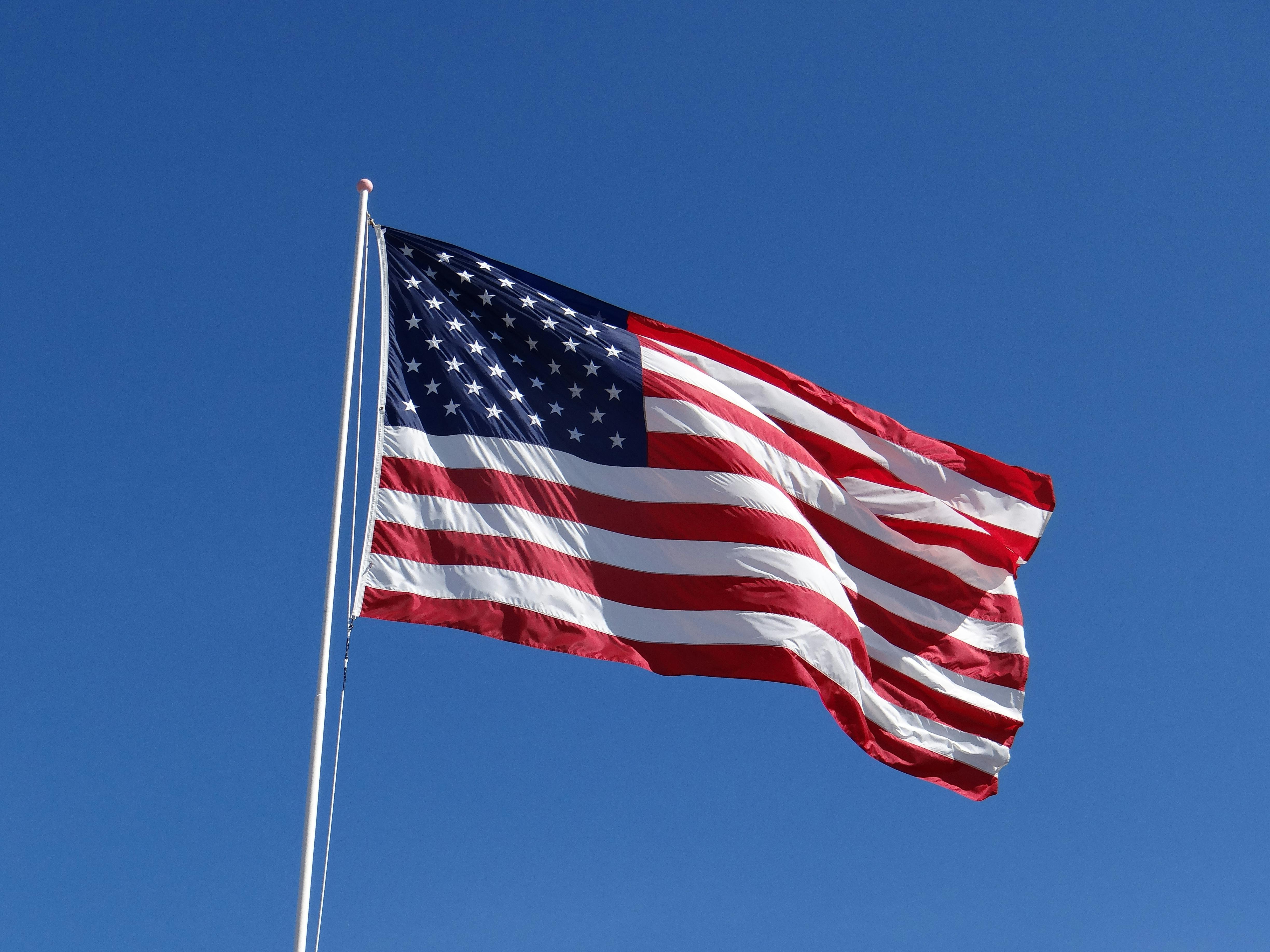
Image Credits: Bobbi from Pexels
Conclusion
History does not always arrive with sirens. Sometimes it arrives with basslines, trap, and percussion.
On that February night in Santa Clara, football briefly became the opening act for something larger: a redefinition of Americanness. Defiant and celebratory in its nature, the “Bad Bunny concert” declared America as something iridescent and symphonious — one that consists of many colors, voices, and cultures.
And on that night, one of those voices echoed the loudest.
