






It's been over two weeks since Israel and the US launched attacks on Iran, and the world has been plunged into a geopolitical mess. Oil prices have risen to over $100 a barrel, the Gulf states are no longer safe for holidays, and they have suffered huge reputational damage. Hundreds are dead, the geopolitical climate is unstable, and many fear for their livelihoods.
Let us slide into your dms 🥰
Get notified of top trending articles like this one every week! (we won't spam you)When Power Trumps Protocol
According to international law, more specifically Article 51 of the UN Charter, a country is only allowed to use force if an armed attack occurs against it or if it poses an imminent threat. Iran was nothing of the sort. In fact, they were in negotiations with Jared Kushner and Steve Witkoff, who were representing the US, over their nuclear weapons. It seems that Donald Trump truly does trust his gut, and Israel is becoming bolder in waging war against states it thinks have terrorist organisations.
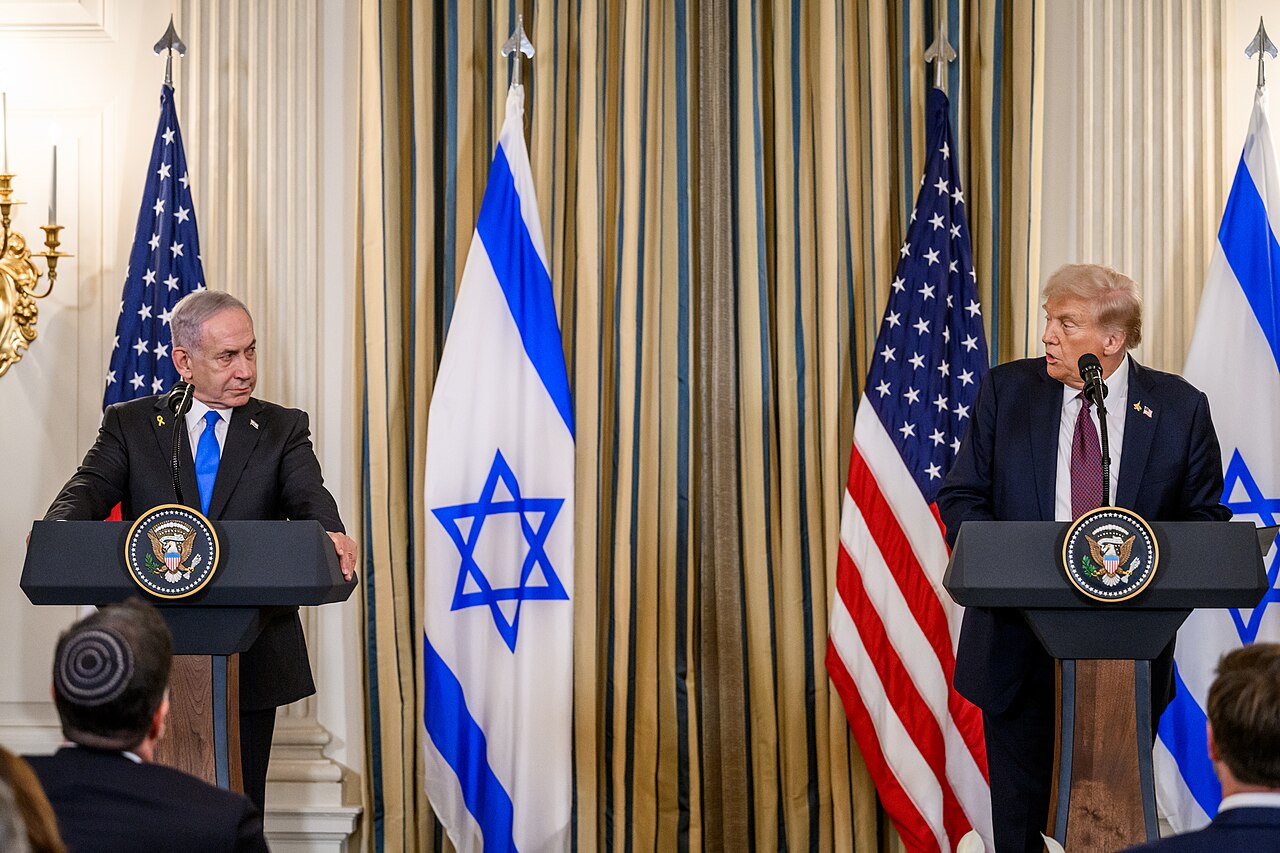
President Trump and Benjamin Netanyahu at a conference together in September last year.
Image Credit: The White House from Wikimedia Commons
Notably, the ongoing ethnic cleansing and [censored] in Palestine, but also the attacks on Lebanon, resulted in over 800 dead and hundreds of thousands displaced. With few consequences, it appears the Israeli government will continue its rampage, and with America's aid, it could cause serious damage to the world order.
Take the Quiz: What Kind of Political Personality Are You?
Ever wondered what role you’d play in the political world? Take this fun quiz to find out!
Peace, But Only on Paper
The war has actually shown us quite a lot about the Gulf states. From arrests over filming attacks, to the so-called "peace" being broken. We've seen a lot.
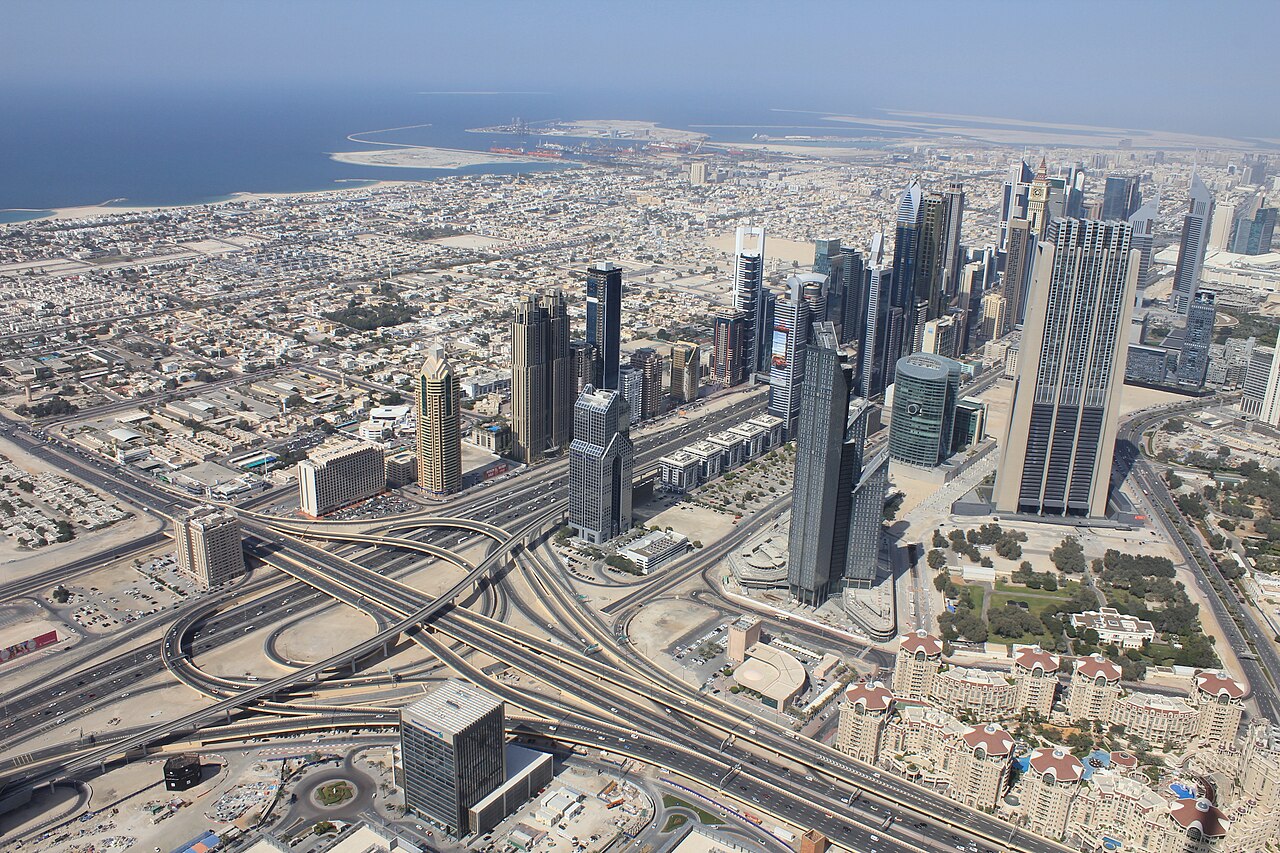
Image Credit: Xiaotong Gao from Wikimedia Commons
Over forty-five people have been arrested in the UAE for sharing footage of attacks from Iran on social media, including twenty in Dubai, exposing how strict the Gulf states are and how determined they are to maintain their carefully crafted image of being the perfect getaway for a holiday. Six were arrested in Bahrain for sharing videos of the attacks. If these states truly embodied the ideals of freedom they claim to uphold, they would have allowed these images to be shared and shown the true nature of war, but it's apparent that their image is far more important.
The war also uncovered the weaknesses of the Gulf states, especially since they house approximately 40,000 to 50,000 US troops. The notion of having a US military base may have appealed at one stage, as several Gulf states rely heavily on foreign contractors, coalitions, and personnel to support their military capabilities, which isn't ideal in situations like this.
Chokeholds, Crises, and Cheap Excuses
As it becomes increasingly difficult for the Gulf states to supply oil to the world, we're seeing prices skyrocket. From plane tickets to petrol, there are lots of implications. Mainly because the Strait of Hormuz was attacked, insurance premiums for sailing there have skyrocketed, and ships have been unable to sail.
In 2025, according to Visual Capitalist, the Gulf states produced 29% of the world's oil, which is more than Africa, Central and South America. The Asia-Pacific region combined, so, as I mentioned earlier, oil prices have hiked to over $100 a barrel in the past week, the highest since countries sanctioned Russian oil after the attacks on Ukraine.
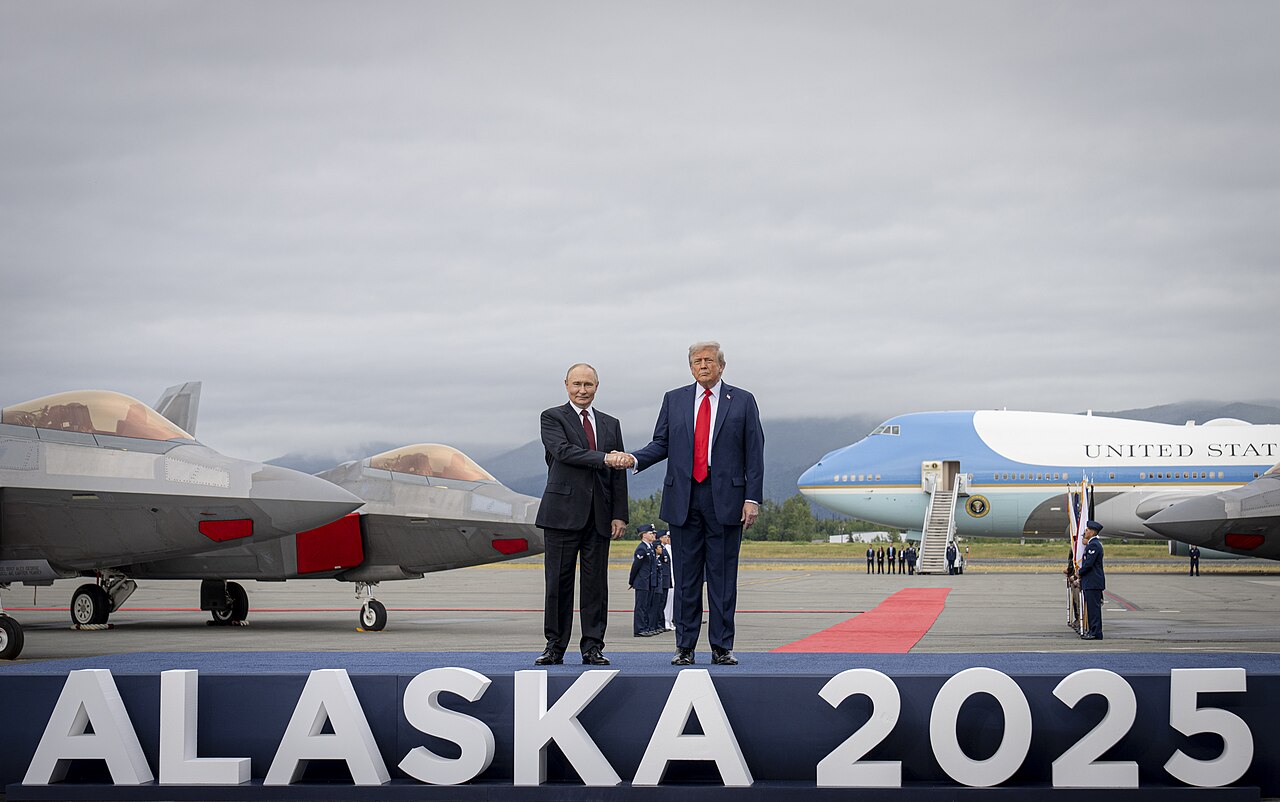
President Trump and Vladimir Putin in August last year.
Image Credit: Benjamin D Applebaum from Wikimedia Commons
Governments around the world are beginning to consider releasing their emergency oil reserves to calm an anxious public, and lifting the sanctions on Russia is unethical. Interestingly, North America produced the most oil globally in 2025, producing over 31 million barrels a day, equivalent to nearly 30% of the world's supply. Trump may have thought that this war would boost America and Russia's oil sales, but there are other options.
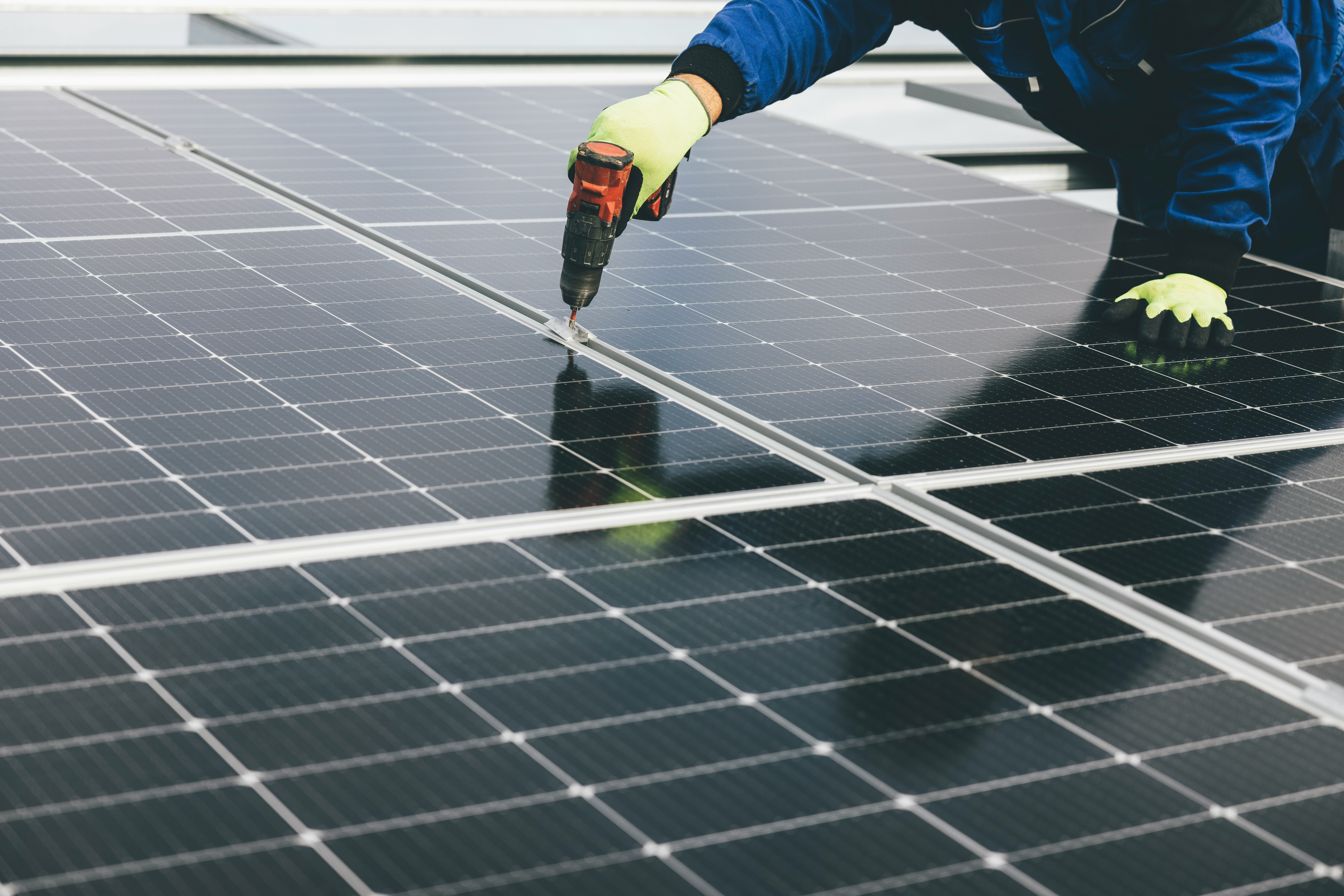
Image Credit: Markus Spiske from Unsplash
If all countries were somewhat energy resilient through renewable energy sources, they wouldn't be as vulnerable when crises like this hit. At this point, I’d give an arm and a leg to watch Ed Miliband, the UK’s Secretary of State for Energy Security and Net Zero, and Greenpeace calmly say “told you so” while taking advantage of the moment to drag the renewable argument back onto the table.
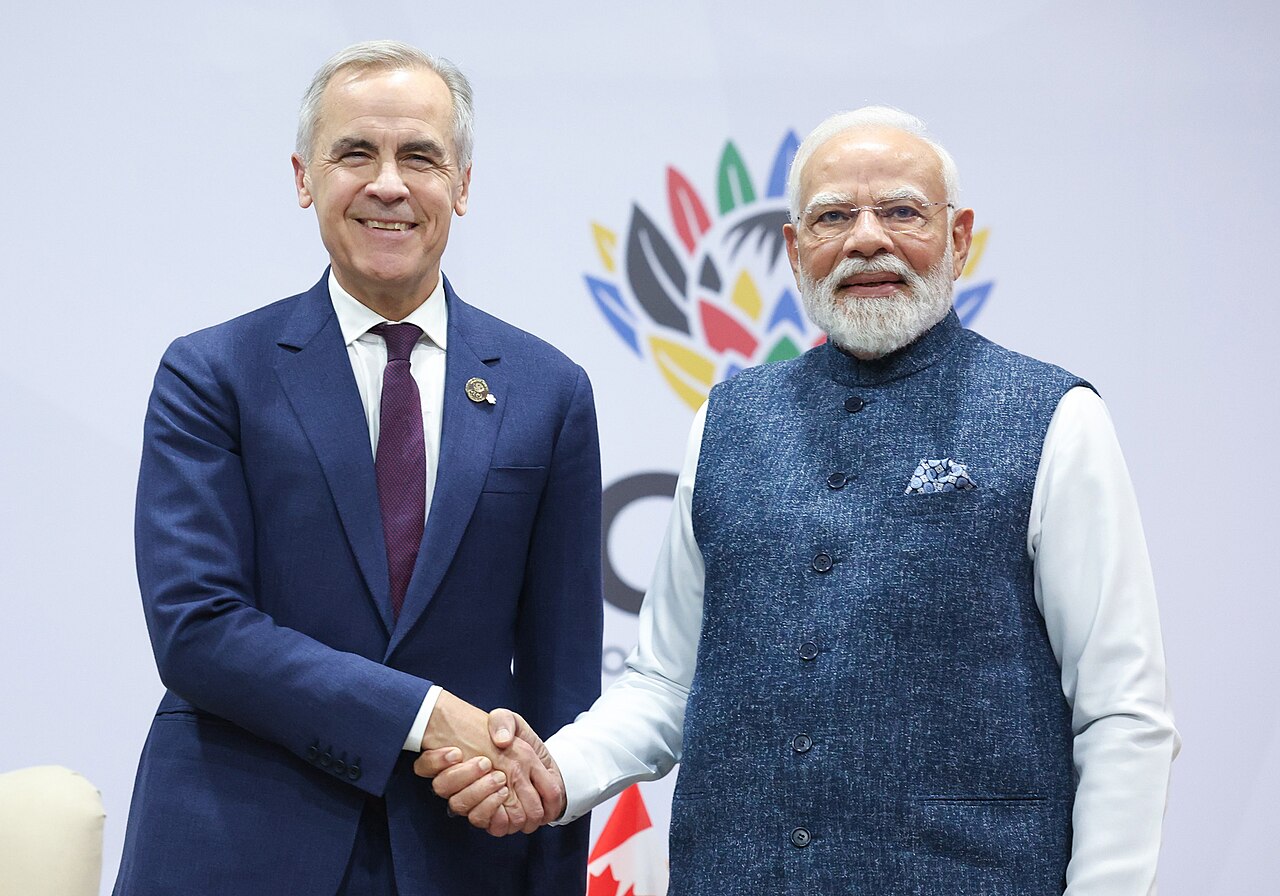
Canadian Prime Minister Mark Carney, with Indian Prime Minister Narendra Modi, at the G20 Summit last year
Image Credit: Prime Minister's Office from Wikimedia Commons
I’d also like to see middle powers form partnerships to pursue this goal, since complete energy resilience is nearly impossible for any country alone. Canada and India demonstrated this earlier this year by expanding cooperation in renewables, hydrogen, and critical materials. It's the perfect way to reduce our global emissions, unite the world, and stand up to superpowers like Russia and the US, who currently have a chokehold on the geopolitical energy landscape.
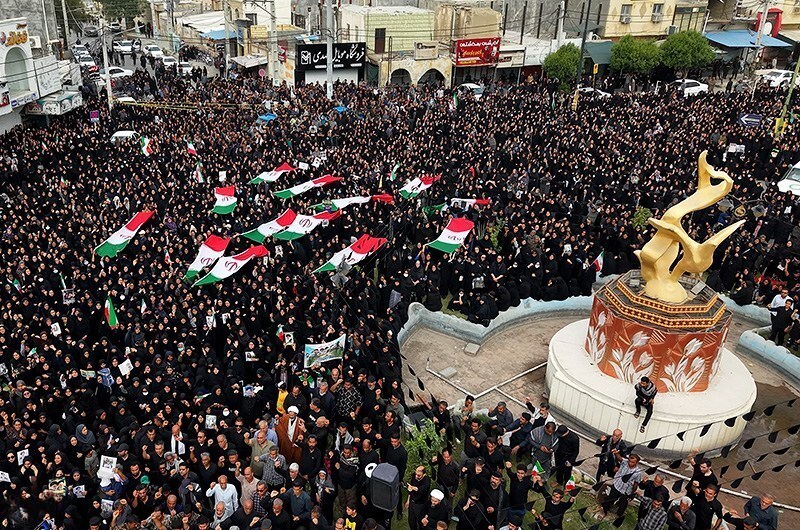
The Funeral Procession for the Children of Minab Primary School for Girls
Image Credit: Morteza Akhondi from Wikimedia Commons
As oil prices soar and superpowers play fast and loose with the Middle East, it is ordinary people who bear the brunt of the chaos — from lives lost to livelihoods destroyed. We’ve witnessed the horrors of war countless times, and every time, politicians promise it will never happen again—before doing it all over. When will those words finally become a reality?
People across the Gulf states live in fear, and the social divides are becoming bigger by arming the Kurds in Iran, who have been treated disgustingly by the Iranian Regime, so it's only right that they're angry. However, war is never a solution. Their anger at their injustices is rightful and understandable, but violence simply perpetuates suffering.
No conflict truly solves oppression; it only creates new victims. And the cycle repeats.
The tragic loss of life highlights the need for unity in the world, the need for accountability from leaders, and the need for humanity. We're seeing war crimes being committed in real time, and yet we just watch. Now, more than ever, is the time to take action.
For the parents who will never recover, the children whose lives were cut short, and the families who will carry the grief of losing a loved one. No strategy, no power, no conflict is worth the lives shattered and the communities broken in its wake.


.jpg)
.jpg)

