






Most of us do not associate our own phones with the words “pollution” or “unsustainable”. They run quietly, they don’t spew smoke into the air, and they feel small enough that they couldn’t possibly be part of a bigger problem. Actually, making one smartphone creates about as much pollution as driving a gas car for hundreds of miles. You wouldn’t think tapping a screen could compare to burning fuel on the highway, but the mining and manufacturing behind that phone quietly rack up the same kind of impact.
The truth lies past the screen and into the processes that a phone is based on. Every phone starts as metal pulled from the ground in places where the land is torn apart, and the air gets filled with things you don’t want to breathe. The mining, the energy, and the waste all add up long before your device even lands in your hand.
So, how is this even possible, and what are some possible solutions to minimize this harmful impact?
Let us slide into your dms 🥰
Get notified of top trending articles like this one every week! (we won't spam you)Where does Phone Pollution begin?
The origin of the pollution starts long before you actually use the phone. Actually, 80% of a smartphone’s environmental impact happens before you even buy it for the first time, and peel that nice sticker off the screen. The entire process is front-loaded with damage to the environment, because building phones requires raw materials, large amounts of energy use and of course, the insane amount of shipping needed to be done.
The pollution begins with resource extraction. The metals inside your phone, such as lithium, cobalt and neodymium (some complicated chemicals), come from massive mines that physically scar the environment, along with leaving behind massive amounts of toxic waste. These mining sites use chemicals that seep into the soil and water, which harm the nearby communities. On top of that, digging out the materials requires big machines and releases greenhouse gases.
After the materials have been collected, they move to factories that run nonstop, using large amounts of electricity to keep machines stable, keep a stable temperature, all to manufacture chips and batteries. Much of this energy comes from coal plants in places like China and Vietnam, which adds even more carbon to the atmosphere.
By the time one phone rolls off the production line, it has already created most of the emissions it will ever be responsible for. Manufacturing a single smartphone can release around 55 to 95 kilograms of CO₂, which is roughly the amount produced by driving a gas car more than 200 miles.
Finally, there is the shipping. Phone parts are made all across the world, so they get moved across oceans before assembly. After that, the finished phones are then again shipped to stores around the world, where we consumers buy them. Cargo ships alone are responsible for about 3 per cent of global carbon emissions, and transporting electronics adds significantly to that total.
Even though using the phone creates some impact through charging or energy consumption, it is tiny compared to what happens before the box is even opened. The real damage begins deep in the ground at the mines and continues through every factory until the product reaches you. All of it is hidden behind the clean screen you hold each day.

Take the Quiz: What Candle Scent Matches Your Overall Aesthetic?
Halloween is just around the corner. It's time to light that candle. Take this quiz and find out what candle scent suits you best.

Image Credit: Tima Miroshnichenko from Pexels
The Hidden Pollution
While manufacturing is where most of the damage in terms of pollution happens, we actually keep the cycle going by constantly updating our phones, however. Sadly, we are trapped in an endless cycle, having been forced into updating our phone or having to buy a completely different phone as the software becomes too archaic to run any applications. Phones come out every single year, even though the average smartphone easily lasts 5 or more years.
But the average person replaces theirs every 2 to 3 years. Multiply that by billions of people, and you get an e-waste crisis that’s way bigger than most of us realize.
Every year, the world creates around 62 million tons of electric waste, which is matter of fact, more than the weight of the Great Wall of China. Phones contribute a small amount to that pile, but they cause much more damage as they contain toxic materials packed into tiny areas. When old phones are thrown into landfills (victims of the constant corporate push of buying new technology), the chemicals inside cause major problems. Batteries can leak lead, arsenic, and other metals into soil and groundwater, which eventually end up in rivers, crops, and even drinking water.
Ok, how about recycling, though? You’d think most phones get taken apart and reused, but that’s not even close. Only about 20% of global e-waste is properly recycled, which is a sad reality of the process. The rest of the waste is dumped or shipped to countries that do not have safe recycling systems.
Now, companies are making phones thinner, lighter and thus harder to repair, all for that “modern and high-tech” look. Much of the design of the phone is getting less and less supportive of the environment. Even worse, as always, brands stop supporting older models after just a few years, basically pushing people to buy new ones. This is planned obsolescence — meaning the phone is designed with an expiration date.
And every single new phone starts the pollution cycle all over again: more mining, more factories, more shipping, more waste.

Image Credit: Daniel Romero from Unsplash
“Using” Your Phone Still Burns Energy
Let's say you do not fall into the phone company’s upgrade trap, and you do not throw your phone away. You are hugely helping the environment, but sadly, some types of pollution are inevitable to escape. Even if you keep your phone for years and never toss it in the trash, it still has a huge environmental footprint every single day you use it. The real pollution happens behind the scenes when you scroll, text, post, or save anything to the cloud.
Every flick of your thumb, whether on Instagram, TikTok, or Twitter, has a footprint. Like the other examples mentioned, these platforms rely heavily on data centers to keep posts, videos, and the fabled ‘algorithm’ running nonstop.
Surprisingly, even though it may seem small, watching short-form content or scrolling through social media has the greatest effect on carbon emissions. A single person scrolling per day is equivalent to the CO2 levels produced by 2.4 miles in a car. See how that adds up when taking into consideration the 2 hours and 30 minutes the average person spends on social media. That for a year can be equivalent to upwards of the emissions of 1,000 miles in a car.
Even storage has a footprint. You might think that storing anything in the “cloud” is just like throwing something into storage, dormant. However, the cloud is just a bunch of giant, humming servers sitting in places like Iowa or Arizona, each using massive cooling systems that require water and electricity.
In 2022, Google alone used over 5 billion gallons of water just to cool its data centers. That’s happening quietly in the background of every backup and every notification.
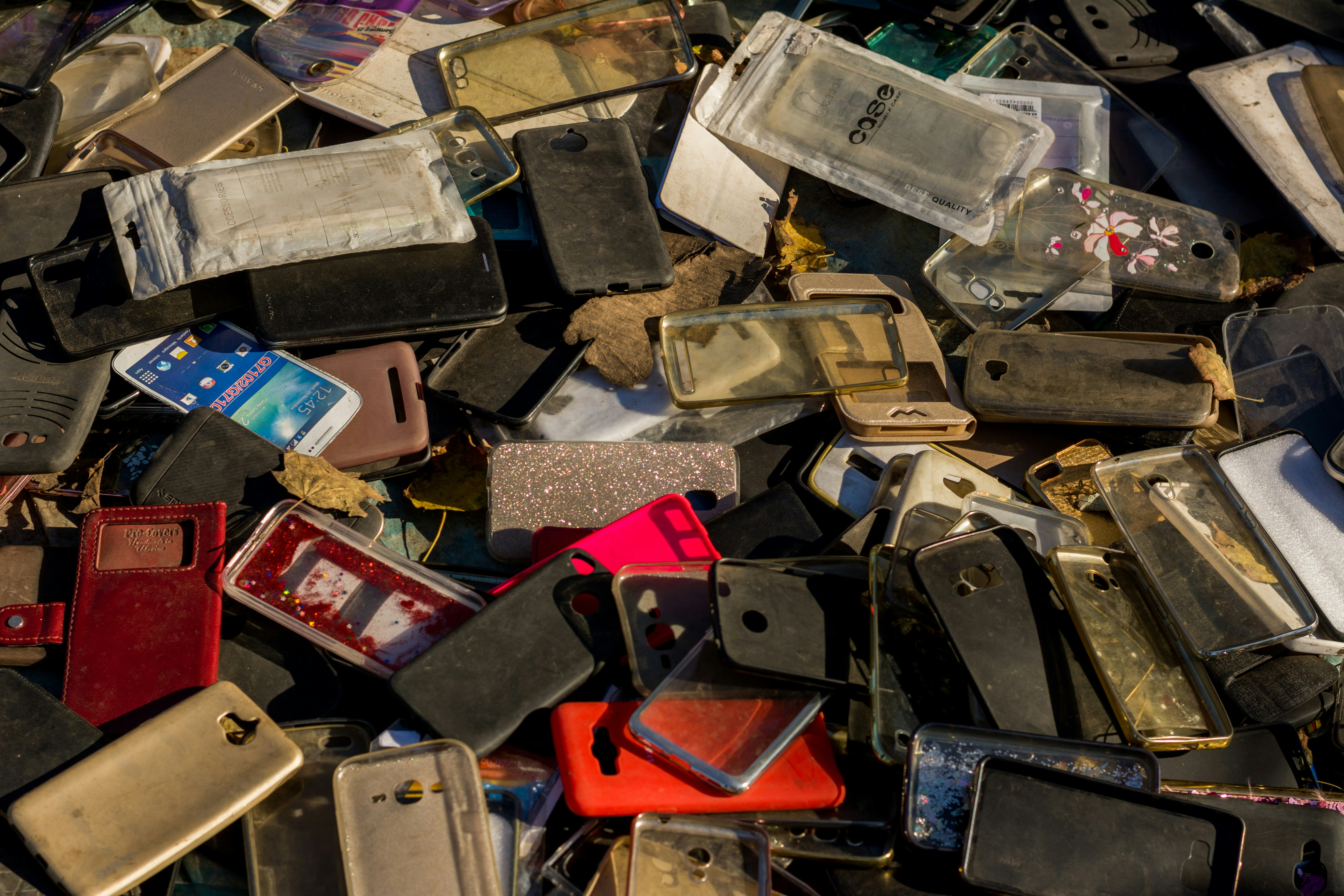
Image Credit: Eugenia Pan'kiv from Unsplash
What Can We Do About It?
Yes, this is a very disappointing reality in our lives, but that does not mean we cannot contribute positively to the environment to try and counteract all the harm that phones bring.
Keep Your Phone Longer: Keep your phone as long as you can. Extending a phone’s life from two years to four or five cuts a huge portion of its environmental footprint. Most smartphones can last far longer than companies want us to believe. A case and screen protector alone can save people from unnecessary upgrades, and replacing a battery is far better than replacing an entire device.
Recycle Phones Properly: Dispose of your phone properly in recycling. Many stores, carriers, and local recycling centers accept old electronics for free. Even if your phone feels worthless, it contains materials that can be reused instead of leaking into soil and water. You might even make money out of it!
Reduce Your Digital Footprint: Small changes, like deleting unnecessary data from the cloud storage or downloading music instead of streaming it nonstop, can reduce the amount of energy used behind the scenes, where any little action counts towards the bigger picture. Even choosing Wi-Fi over mobile data cuts energy use.
Smartphones may feel “harmless” to the environment, but the pollution behind them is anything but. Most of the damage happens long before we even turn them on, through unsustainable mining, manufacturing and shipping that heavily affect our planet.
The good news is that this system isn’t unchangeable. By keeping our devices longer, repairing them, recycling properly, and being mindful of our digital habits, we can cut a huge portion of that impact. If we all act, companies and governments are pushed to create technology that lasts instead of technology that’s designed to expire.
This article is not meant to make anyone feel bad. It is meant to bring awareness to a problem most people never think about and to show the simple choices that can reduce the impact of our devices. With this knowledge, we can make better decisions that help protect the planet so we can enjoy it for many years to come.
