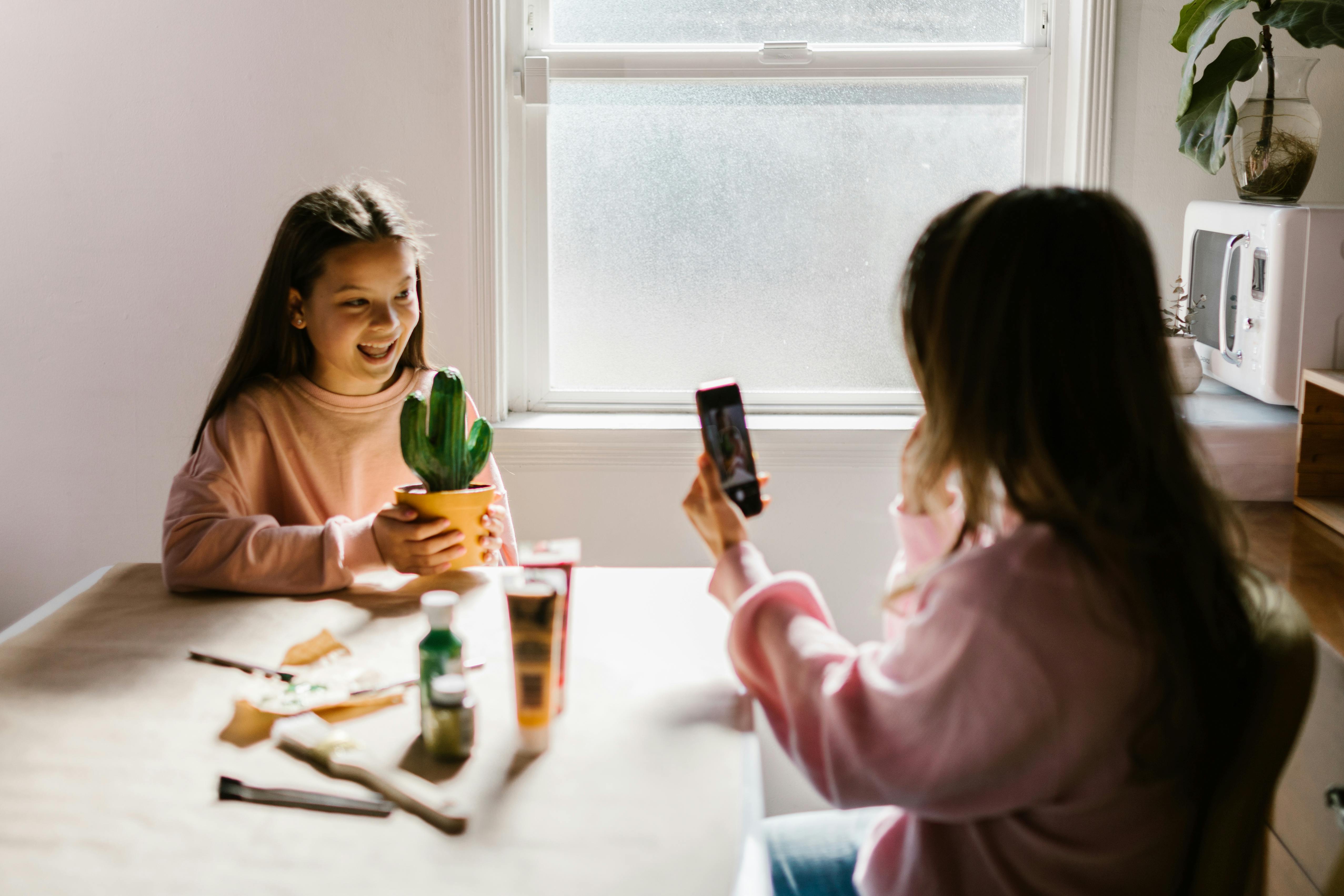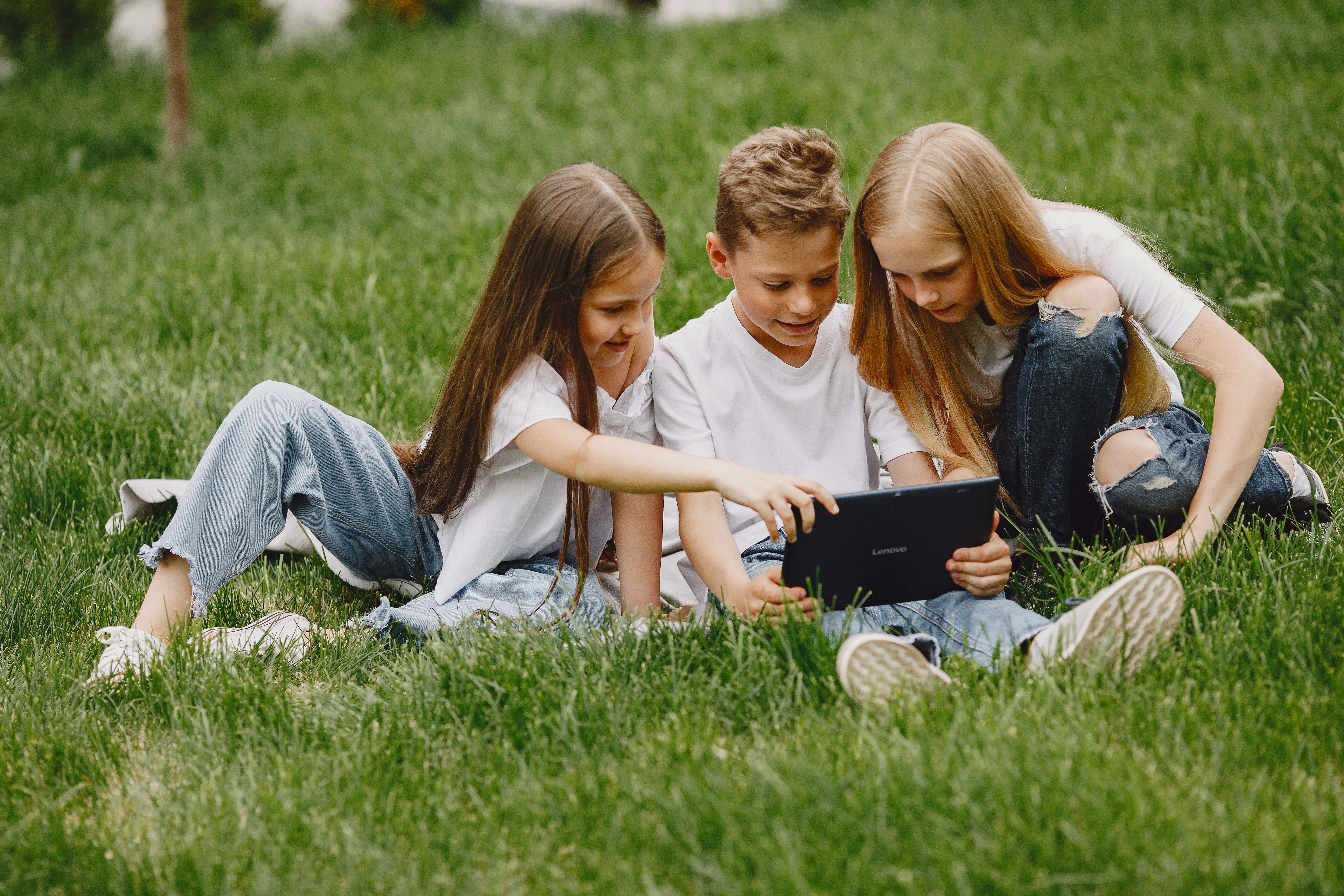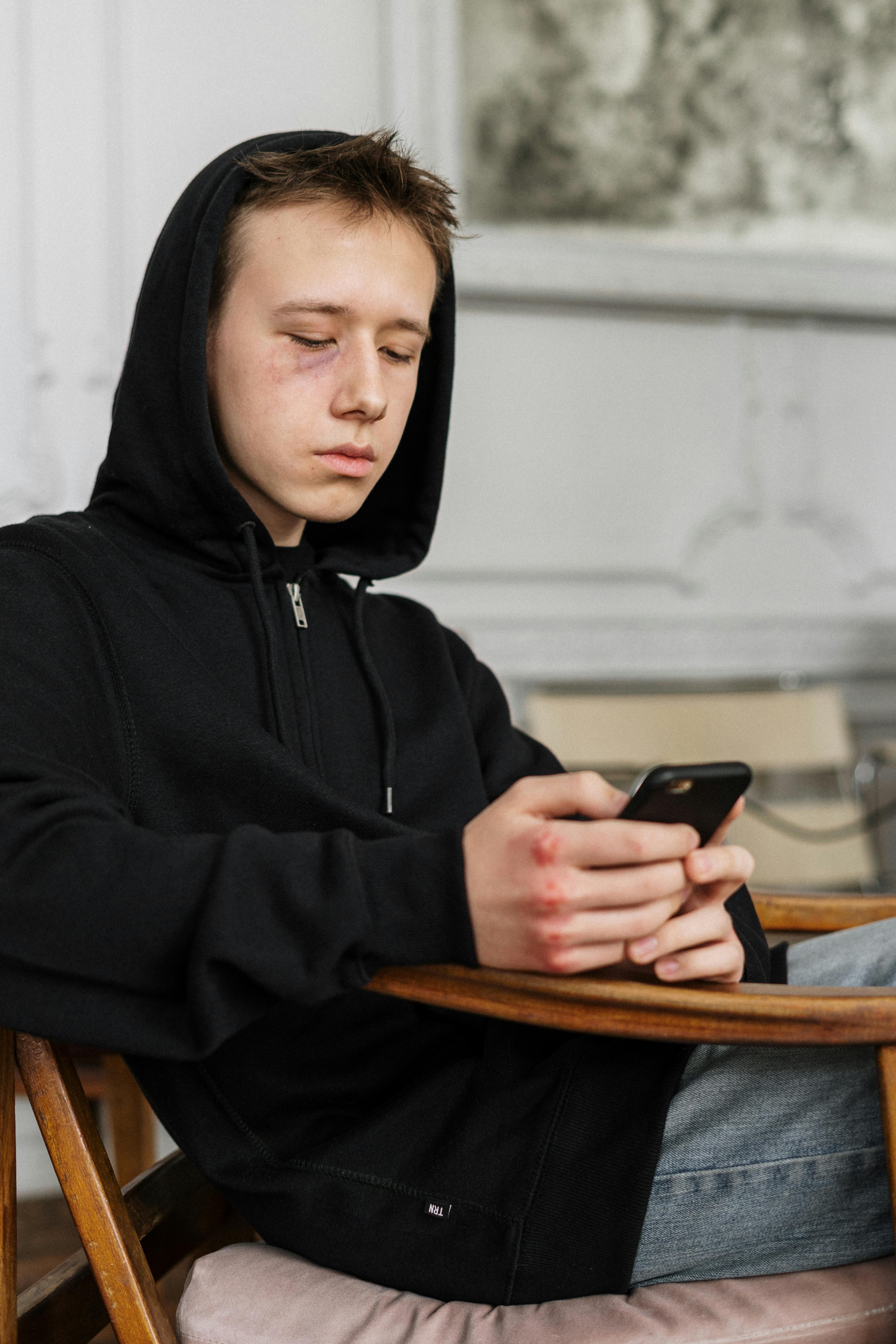



Social media acts as a ginormous digital mirror for teens as they spend most of their time doom-scrolling around various platforms like Instagram, Facebook, YouTube, you name it! While, it possesses its positive consequences, social media has been proven to impact teens' mental health significantly. Heavy use is linked to depression, anxiety, low self-esteem, and sleep disruption due to constant comparison and cyberbullying .
It serves as a "digital stage" where teens experiment with roles but often face intense pressure to validate themselves through likes and comments, affecting their self-worth. This article will focus on the key impacts of social media in shaping teen identity.

Image credits: fabola by Wikimedia
Let us slide into your dms 🥰
Get notified of top trending articles like this one every week! (we won't spam you)Positive Roles
Self-Expression and Creativity
Social media acts as a vital, dynamic canvas for teen self-expression and creativity, with 71% of teens reporting it as a space to express themselves creatively. Platforms like TikTok, Instagram, and YouTube allow adolescents to showcase talents, build communities, and explore identities through digital art, vlogging, and curated content. Nevertheless, social media allows youth to try out different roles and curate their online personas, facilitating identity development.
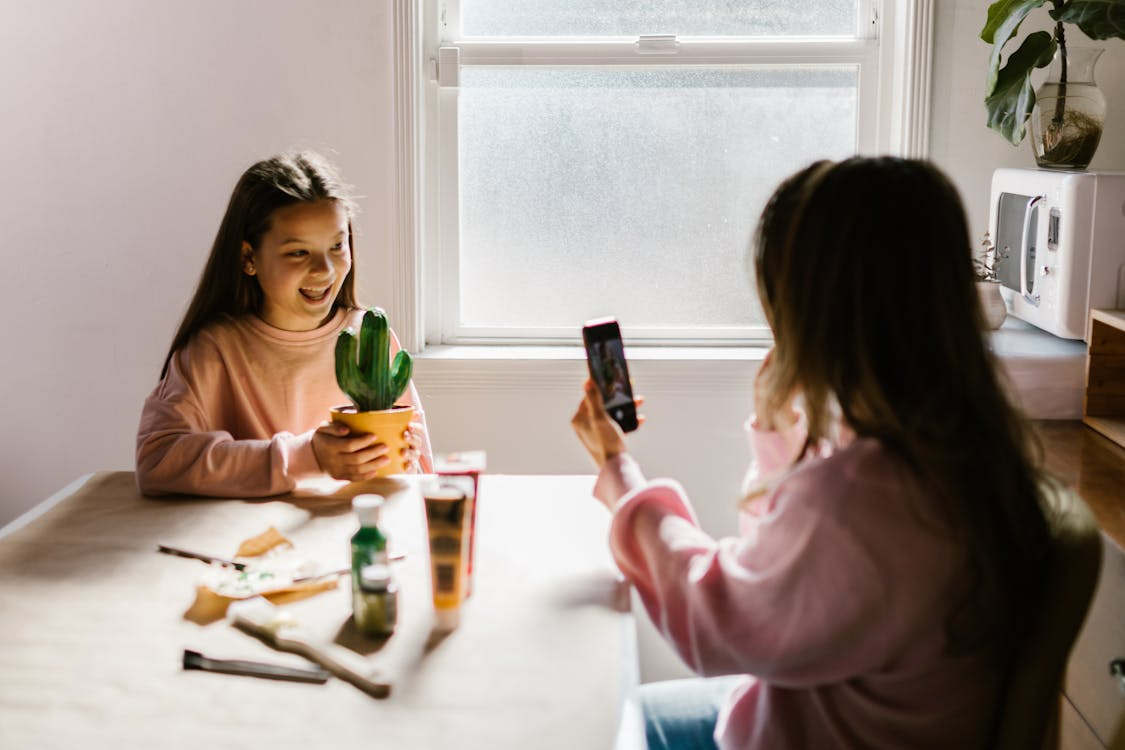
Image credits: RDNE Stock Project from Pexels
Connection and Belonging
Social media provides teens with crucial opportunities for connection, belonging, and identity exploration, particularly for marginalised or isolated youth, by fostering community through shared interests. Teens, especially those in marginalised groups like LGBTQ+, use social media to find communities that offer understanding and acceptance not found offline.
Platforms like Instagram and Snapchat help teenagers keep in touch, share moments, and feel "in the loop" with peers. For teens with social anxiety, digital platforms can serve as a stepping stone to feeling more comfortable with peer interaction.
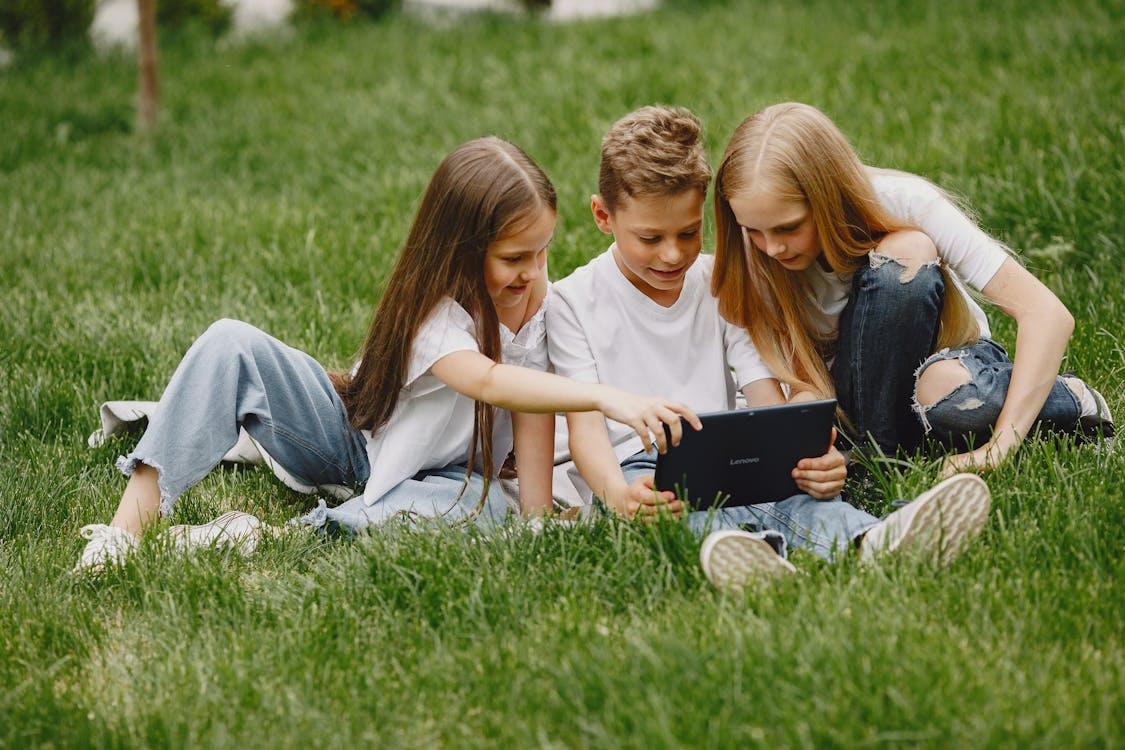
Image credits: Gustava Fring by Pexels


Take the Quiz: Religion, Schools, and Equality
Religion in Schools: Teaching Respect, Not Bias.
Negative Impacts
Social Comparisons
Social media induces intense, often detrimental social comparison in teens, frequently leading to a "compare and despair" cycle that lowers self-esteem, creates body image issues, and triggers anxiety. Teens compare themselves to highly curated, unrealistic "highlight reels" of peers and influencers. This behaviour is linked to lower satisfaction, FOMO (fear of missing out), and increased depression.
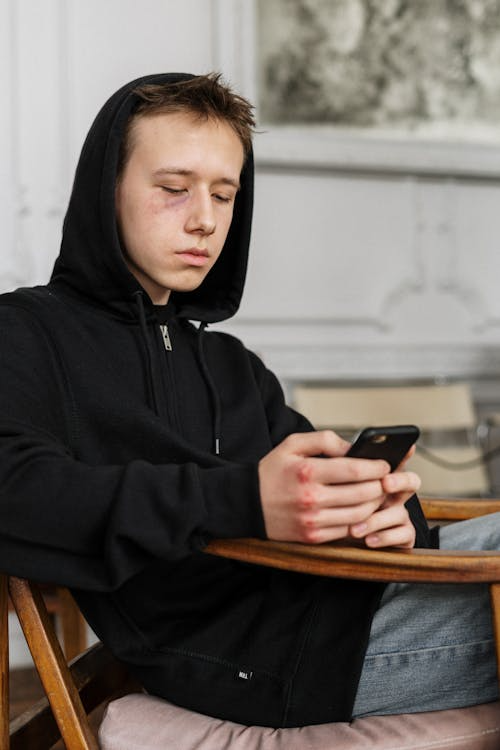
Image Credits: Cottonbro Studio by Pexels
Teens already suffering from depression or anxiety are most likely to compare themselves online, worsening the situation. Also, gender acts as a crucial factor affecting social comparison, making girls more susceptible to the negative, appearance-focused comparisons.
Seek of Validation
Teenagers frequently use social media, such as Instagram and TikTok, to seek validation, with likes and comments often becoming a quantifiable measure of self-worth. Yep, as a teen myself, I would rate my story depending on the likes it gets, drawing attention to the immense impact it has on teenagers themselves, as in a validation loop.
Teens often post content to receive praise, creating a cycle where they feel compelled to post frequently and feel anxious if they do not receive anticipated reactions. Red flags include an obsession with "likes," self-deprecation, ignoring achievements, and becoming emotionally volatile based on online feedback.

Image credits: KaboomPics from Pexels
Mental health risks
Social media poses significant mental health risks to teenagers, with studies linking over three hours of daily use to double the risk of anxiety and depression. Key dangers include cyberbullying, exposure to harmful content, sleep disruption, and decreased self-esteem from social comparison. Major risks include anxiety and depression, with high usage correlating strongly with such symptoms. Late-night social media use interferes with sleep, causing fatigue and worsening mood stability.

Image Credits: Cottonbro Studio from Pexels
As a whole, a teen myself, I possess a strong opinion that social media could be used for the goodness of society, as more communities could be reached through it. Yet, as most teens rate their reflection through means of social media and its validation, it could bring in handfuls of negativity. All in all, social media should be used wisely, as it acts as both a tool for authentic self-discovery and a source of psychological distress.