


.jpg)

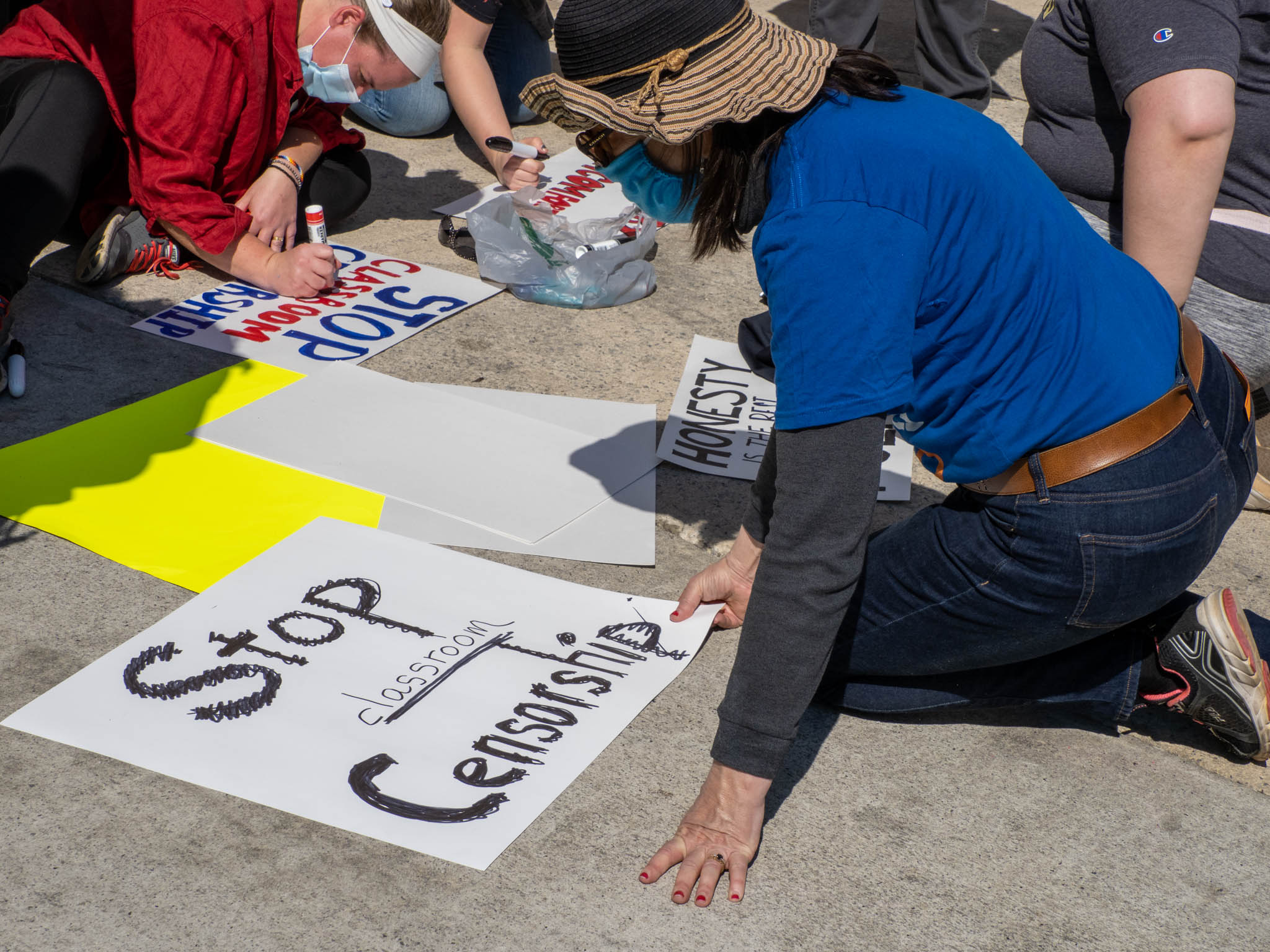
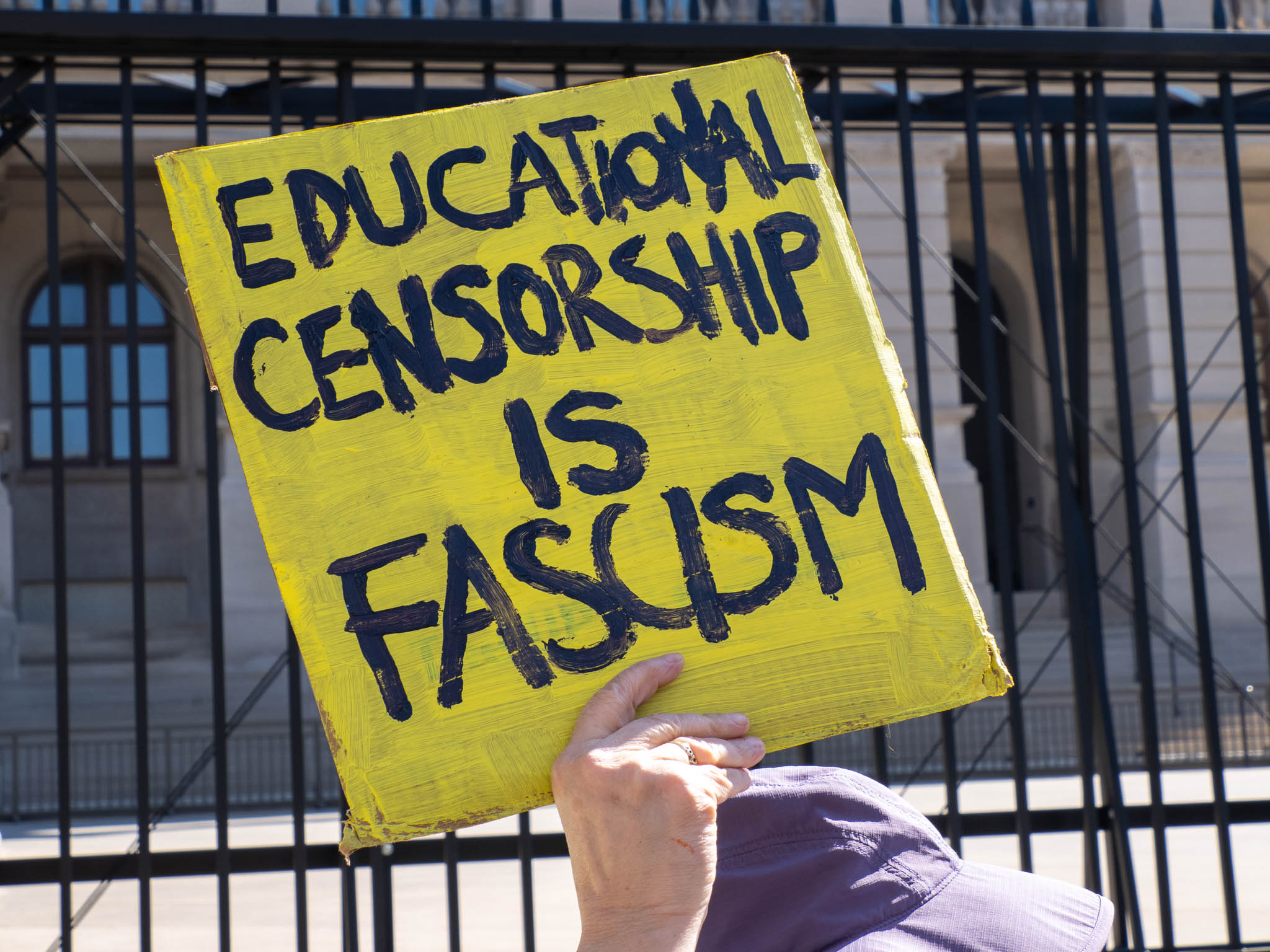
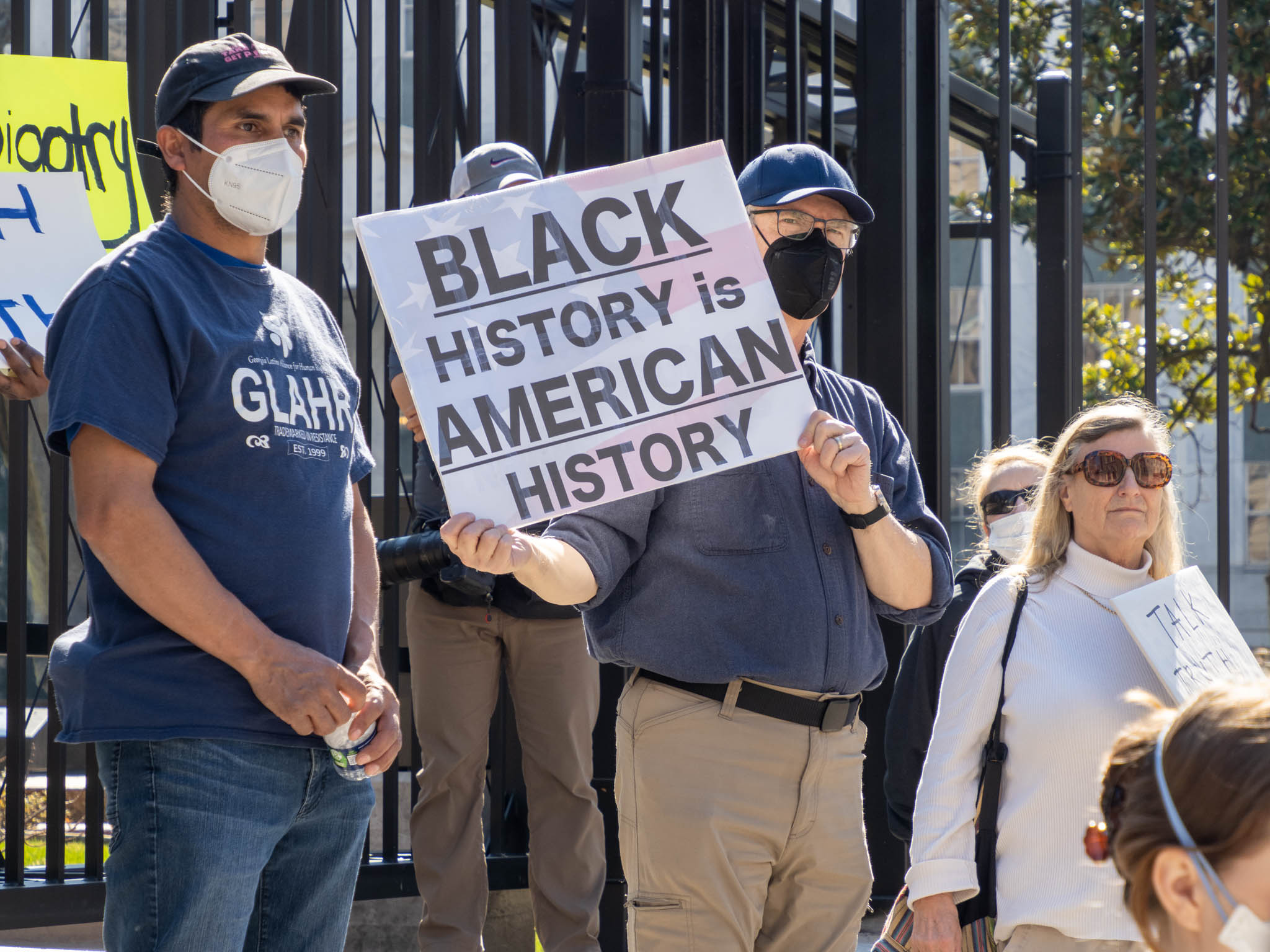
Book bans remain between the conflicts of preserving intellectual freedom and protecting young readers. During recent years, debates and discussions surrounding book bans have intensified, often marketed as a simple battle between morality and freedom of speech. However, the issue is far more complex. Although censorship presents serious risks to democracy and education, concerns about exposing minors to explicit or developmentally inappropriate material are also valid and deserve thoughtful consideration.
Ramspott from Wikimedia Commons
At its core, book bans raise the fundamental questions regarding who decides what knowledge is acceptable. When books are removed from classrooms or libraries, they are particularly addressing race, gender, history, or identity, resulting in the silencing of marginalized voices. A recent example of this can be seen through George Takei’s They Called Us Enemy, which made the banned book list from 2020-2025.
It’s often banned alongside books on the Holocaust and various other books by LGBTQ+ authors, falling into categories recently targeted by book challenges. School boards have spoken out against the graphic novel, citing vague regulations such as Tennessee’s Age Appropriate Material Act as a justification, despite the book’s factual account of Takei’s experience on the forced removal of Japanese-Americans and their incarceration of over 125,000 individuals. This further shows America’s efforts to silence authors from underprivileged groups and their efforts towards censorship in order to keep Americans from gaining trivial knowledge, which has led to a disproportionate targeting of works by authors of color and LGBTQ+ individuals.
John Ramspott from Wikimedia Commons
Texts like these are constantly banned because they challenge dominant narratives or force readers to confront uncomfortable truths, specifically regarding the American government system. Particularly, this can be exemplified by Takei’s novel, which details the government control over the Japanese-Americans after the bombing of Pearl Harbor and national security fears.
Takei presents his firsthand experience growing up when Executive Order 9066 was implemented, stripping the rights and labeling Japanese-Americans as “enemy aliens”. The banning of this book presents censorship towards texts that present firsthand realities of previous government intervention during historically significant time periods and shows how this limits students’ abilities to think critically and understand the complexity of the world they inhabit.
However, acknowledging the dangers of censorship doesn’t require dismissing concerns about explicit content. There is a meaningful distinction between banning books to suppress ideas and restricting access to material that is graphic, sexualized, or inappropriate for certain age groups. Parents and schools have legitimate roles to ensure that children are not exposed prematurely to content that is closer to pornographic than literature. Age-appropriate guidelines, parent involvement, and contextualized education are reasonable and necessary tools.
John Ramspott from Wikimedia Commons
The issue arises when these concerns are used as a blanket justification for removing books that are not explicit, but merely honest. Discussions of sexual identity, consent, trauma, and puberty are not inherently inappropriate. In fact, avoiding these topics altogether can leave young people uninformed and vulnerable. Labeling such books as “dangerous” often reflects discomfort rather than actual harm, and that discomfort should not dictate educational policy.
True protection lies in discretion, and instead of sweeping bans, schools can implement review committees that allow families to make informed choices. This approach would respect parental concerns while preserving students’ access to diverse perspectives.
Overall, book bans become dangerous when they prioritize fear over education. A society that removes stories instead of engaging with them risks raising readers who are shielded, not prepared. The goal should not be to decide which ideas are allowed to exist, but to guide young people in navigating them responsibly.

.jpg)
.jpg)
.jpg)